Japan prepares MMX mission to return samples from Martian moon
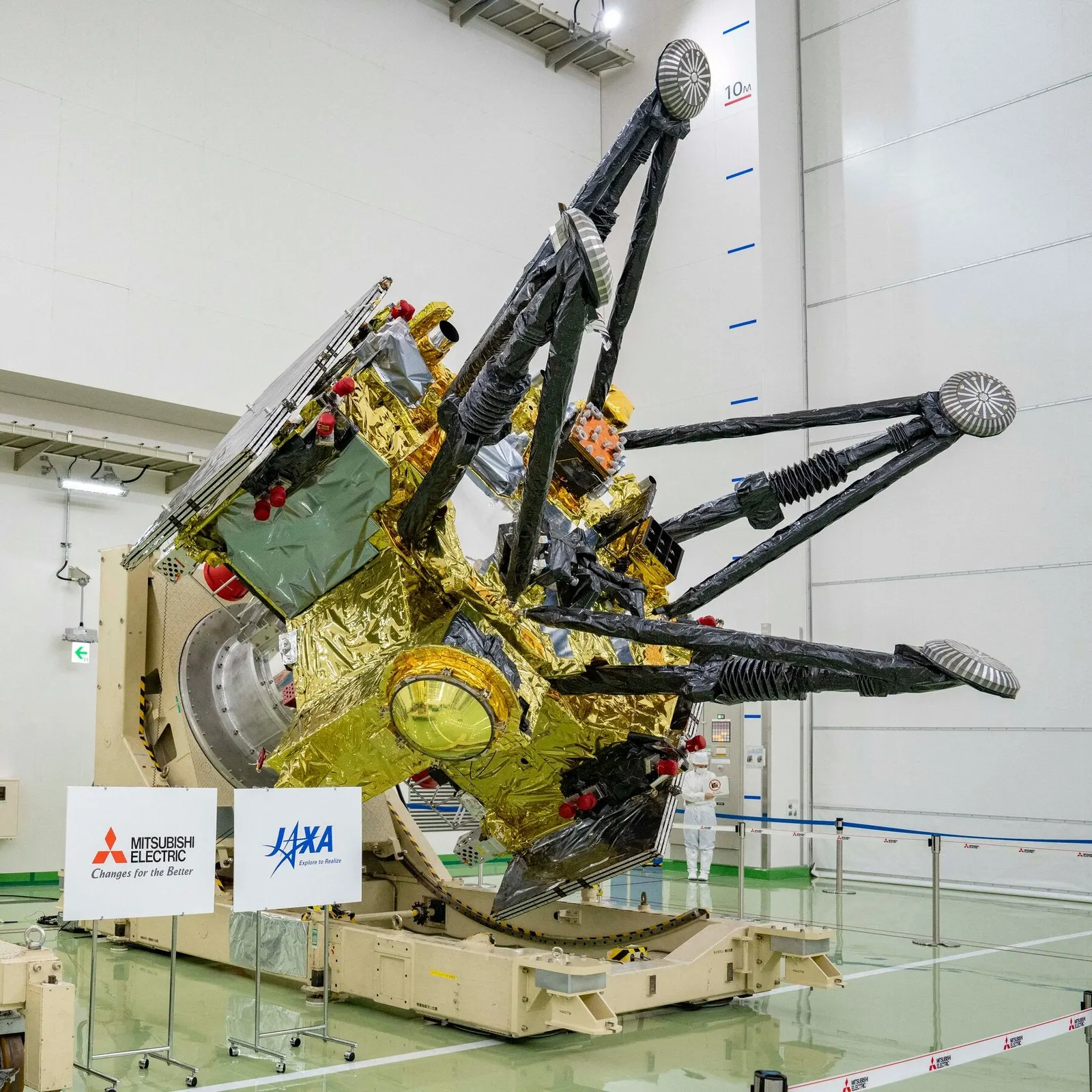
Japan is preparing to send MMX to Phobos aboard an H3 rocket. The mission aims to bring material from the moon back to Earth for laboratory study.
Japan is preparing MMX to collect material from Phobos and return it to Earth. The BBC says the samples could help explain how Mars's moons formed.
- AP reports MMX will launch aboard an H3 rocket.
- Arrival is planned for August 2027, according to AP.
- The BBC reports a 10-gram sample target.
- The BBC places the planned return in 2031.
What's new
- Japan is preparing MMX for launch aboard an H3 rocket, AP reports.
- The BBC gives a launch time of 0441 local time on 20 October.
- The planned sample return would bring Phobos material to Earth in 2031, according to the BBC.
Japan is preparing to launch its MMX spacecraft from Tanegashima Space Center to collect material from Phobos, a moon of Mars, and return it to Earth. The BBC reports a departure scheduled for 0441 local time on 20 October 2026; the Associated Press says the spacecraft will fly aboard an H3 rocket.12
Journey to Phobos
The launch accounts differ on timing. While the BBC specifies 20 October, The New York Times describes a Monday departure in its report published on 19 October. Both describe a mission bound for Phobos, with the prospect of returning the first samples collected from the Martian system.13
Led by the Japanese Space Agency, according to the BBC, MMX is expected to reach Phobos in August 2027. AP gives the same month for arrival at Mars and describes a spacecraft built with three modules. The BBC says MMX will study Deimos before concentrating on Phobos.12
The BBC reports that the mission will send a small rover onto Phobos to explore and help identify a landing site. The spacecraft is then intended to gather material with a robotic arm and two samplers. AP says the agency's coring technique will reach roughly two centimetres beneath the surface.12
The target is to return 10 grams of material, according to the BBC. Its account places the sample capsule's return in 2031, with a landing in the Woomera desert in South Australia. Sara Russell, a Natural History Museum professor and the mission's deputy for sample analysis, said: "There hasn't yet been a successful mission to go to Phobos and bring a bit back to Earth."1
Testing the moons' origins
The samples could help resolve two explanations for how Mars acquired its moons, the BBC reports. One proposes that an impact on Mars produced debris that formed the moons. The other suggests Phobos and Deimos were asteroids from the outer Solar System that Mars captured.1
The BBC says the material's chemistry and minerals could distinguish those possibilities. It describes Phobos as about 20 kilometres across and Deimos as about 10 kilometres across. The returned material could also include grains from Mars because of Phobos's proximity to the planet, according to the report.1
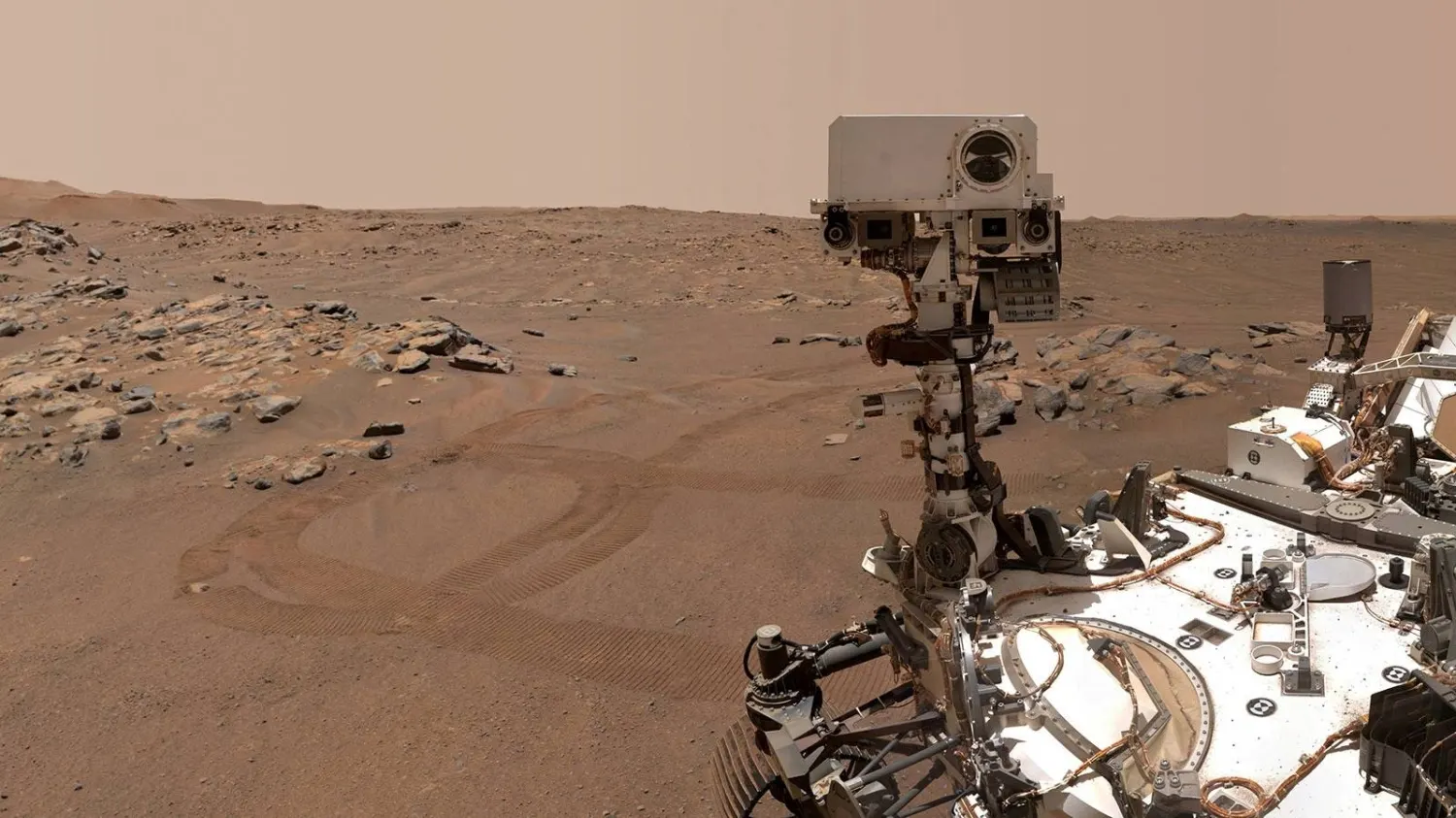
Other sample-return plans provide a separate backdrop. The BBC reports that the NASA–ESA Mars Sample Return mission has been effectively cancelled following a halt in funding by the US Congress. That project was intended to retrieve samples stored by Perseverance. China plans to launch a Mars sampling mission in 2028 and return material in 2031, the BBC says.1
Why it matters
For European readers, the mission connects to sample analysis involving researchers at the Natural History Museum and Leicester University, according to the BBC. It also comes as the BBC reports that the joint NASA–ESA effort to return Perseverance's samples has been effectively cancelled.1
Videos
Related stories
Version history
- version 1 ·