World · Israel, United Arab Emirates
Netanyahu Reportedly Warned by UAE and Egypt Before Oct. 7
Reports from Haaretz and The New York Times say Israeli Prime Minister Benjamin Netanyahu received warnings from the UAE president and Egyptian intelligence before the October 7 Hamas attack, claims his office denies.
Reports say Netanyahu received warnings from the UAE and Egypt before the October 7 Hamas attack, which he denies.
- UAE's bin Zayed reportedly warned Netanyahu before the attack
- Warning reportedly never reached Israeli security chiefs
- Egypt's spy chief reportedly visited Israel 11 days before the attack
- Netanyahu's office denies both reports, calls them lies
- Gallant says he learned of warnings only from media reports
What's new
- New York Times said it confirmed Haaretz's report that UAE President Mohammed bin Zayed warned Netanyahu before October 7
- Separate reports said Egypt's intelligence chief delivered an earlier warning in person
- Netanyahu's office rejected both reports as false and threatened legal action against Haaretz
- Former defence minister Yoav Gallant said he was kept out of sensitive wartime conversations with the United States
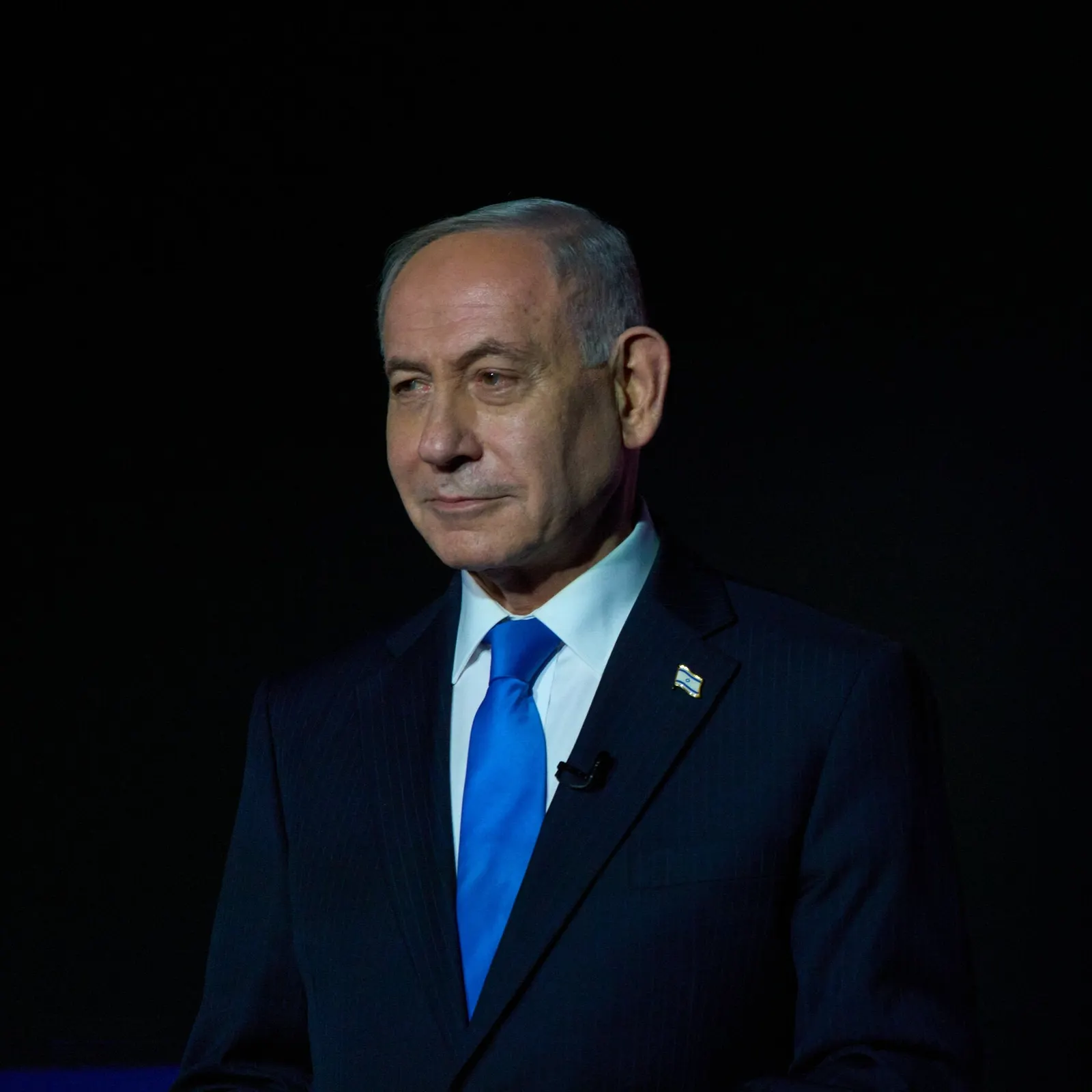
Israeli Prime Minister Benjamin Netanyahu was warned by United Arab Emirates President Mohammed bin Zayed about a possible Hamas attack before Hamas and other fighters killed about 1,200 people in southern Israel on October 7, 2023, according to reports by Haaretz and The New York Times published in September 2026.352
A warning from Abu Dhabi
According to Haaretz and The New York Times, bin Zayed telephoned Netanyahu shortly before the attack and separately told CIA Director William Burns of a "looming threat from Hamas in the West Bank or Gaza." The New York Times reported that the alert did not specify how an attack might unfold and never made it to the heads of Israel's security agencies.35
Netanyahu's office called the Haaretz report an absolute lie and said the prime minister "didn't speak to the president of the UAE during the period in question and received no warning from him." An unnamed Emirati official said heads of state do not discuss security matters at that level. Haaretz noted that the outlet that first carried the Emirati position, The National, is owned by Mohammed bin Zayed's brother and aligns with UAE government positions.3
Netanyahu did not inform his security chiefs of bin Zayed's warning at a meeting on October 1, 2023, according to The Times of Israel and Haaretz. At that meeting he reportedly told officials that Israeli military action in Gaza could undermine a diplomatic deal with Saudi Arabia and objected when officials argued for strikes against Hamas leaders.63
Cairo's parallel warnings
Separately, The Jerusalem Post and Ynetnews reported that Abbas Kamel, head of Egypt's General Intelligence Service, secretly flew to Israel on September 26, 2023 aboard a chartered Cessna, spending 67 minutes at Ben-Gurion Airport to caution that Hamas seemed to be readying a major assault. Egypt reportedly sent a further message on October 5 warning the situation was unsustainable, with sources describing warnings continuing until two days before the attack.42
A former Egyptian official was quoted saying Kamel's brief personal visit itself carried weight: "For Kamel to go to Israel for a single hour meant that al-Sisi himself felt: You need to go there and tell them yourself." A former Israeli official said, "If you don't change course, Gaza is going to explode in your face," and separately, "The messenger was the message."42
Netanyahu's office said the prime minister "has neither spoken, nor met, with the head of Egyptian intelligence since the formation of the government, neither directly nor indirectly," and called the allegations "recycled lies." Tzachi Hanegbi, then head of Israel's National Security Council, denied that Kamel made the visit or that Egypt issued a warning. Egypt officially denied on October 11, 2023 that it had warned Israel of the attack.42
Political fallout
Former Defence Minister Yoav Gallant said he was excluded from sensitive discussions during the war, stating, "During the war, I learned many times about important conversations Netanyahu held with the Americans only after the Americans called me." According to Euronews, Gallant was not informed of the foreign warnings during his time in office and first learned of them from media reports.1
These accusations were reported by a single source and have not been independently corroborated in the dossier.1
Why it matters
The reports raise questions about intelligence-sharing between Israel and regional partners in the days before an attack that killed about 1,200 people and was followed by an Israeli offensive in Gaza that, according to Ynetnews, has left more than 73,000 Palestinians dead. For European readers, the controversy touches on the credibility of Israeli political leadership weeks before national elections and on wider regional diplomacy involving Gulf states and Egypt.21
Videos
Related stories
same actors
background


Version history
- version 1 ·