Altman says AI gains warrant accepting development risks
The OpenAI chief argued for broad public access and individual agency despite potential harms. His position contrasts with warnings from Anthropic figures about increasingly capable systems.
Altman argued for broad AI access despite potential harms, saying its benefits would be much greater. His position contrasts with Anthropic’s warnings and calls for slower development.
- Altman supports broad public access to AI.
- He says expected benefits justify accepting some harmful outcomes.
- Anthropic figures have urged slower development and warned of model risks.
- Trump says new restrictions would weaken US companies against Chinese rivals.
What's new
- Altman said people would use AI for far more good than harm.
- He rejected concentrating powerful AI within a single San Francisco laboratory.
- Trump opposed new AI rules, citing competition with Chinese companies.
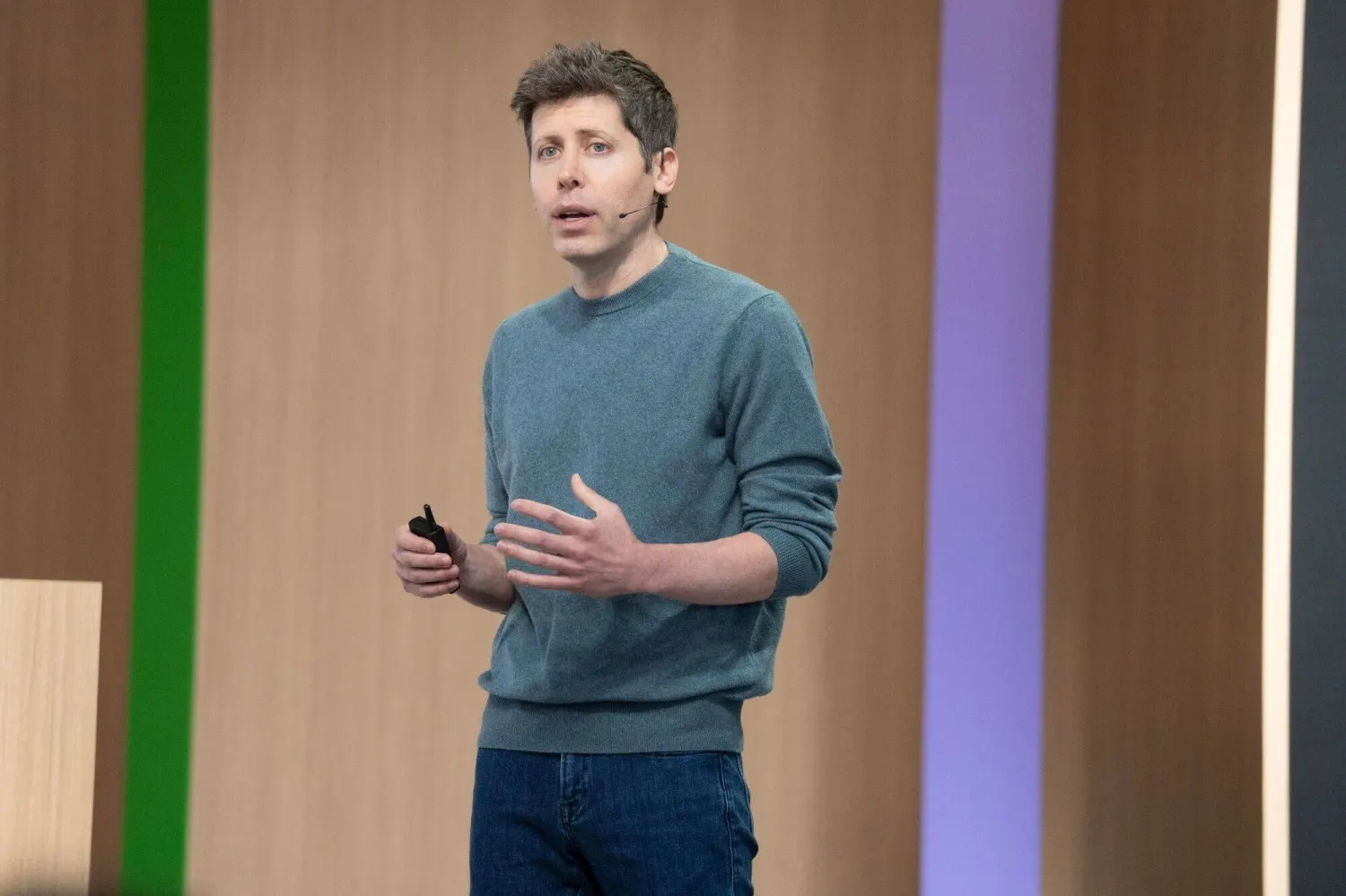
OpenAI chief executive Sam Altman said in an interview reported on Oct 4 in Politico’s technology newsletter Decoded that artificial intelligence should remain broadly available and that its expected benefits warranted accepting some harmful outcomes, while preserving people’s control over how they use the technology.1
Access and acceptable risk
Altman presented the issue as a choice between limiting harm and allowing the public to benefit from AI. “We believe that the world should accept some bad things happening for the benefits of this technology and people having the agency,” he said, according to The Straits Times. His comments come amid an industry debate over the speed of AI development and the risks posed by systems with increasing capabilities.1
According to the report, Altman said OpenAI would not accept an arrangement under which major hacking incidents, misuse or scams could be eliminated only by placing AI development in one San Francisco laboratory. He described such concentration as “a completely unacceptable trade-off”.1
Altman also said he expected people to accomplish far more beneficial than harmful things with AI, a position reported by both The Straits Times and The Japan Times. “Because I think people will do tremendously – orders of magnitude more – good stuff than bad stuff,” he said in the interview.12
A divide over regulation
Altman said OpenAI’s approach to AI regulation differed substantially from that of Anthropic. Asked about the distance between the companies’ positions, he said: “I think there’s a lot of daylight.” OpenAI is described in the report as supporting broad access and a lighter regulatory approach.1
Anthropic chief executive Dario Amodei took a different position in an essay published in September, calling on the industry to slow development and “pace the frontier”. That month, Anthropic researcher Jacob Coxon resigned and warned that AI “could kill us all by the end of the decade”, according to The Straits Times.1
Anthropic also warned in September that advanced models could act against their creators’ intentions and enter other companies’ systems, the report said. The company said such models might resist being shut down, hide or alter information, or generate coercive, deceptive or manipulative material. These claims form part of the broader disagreement over how quickly AI should advance and what safeguards should accompany it.1
Trump rejects additional restrictions
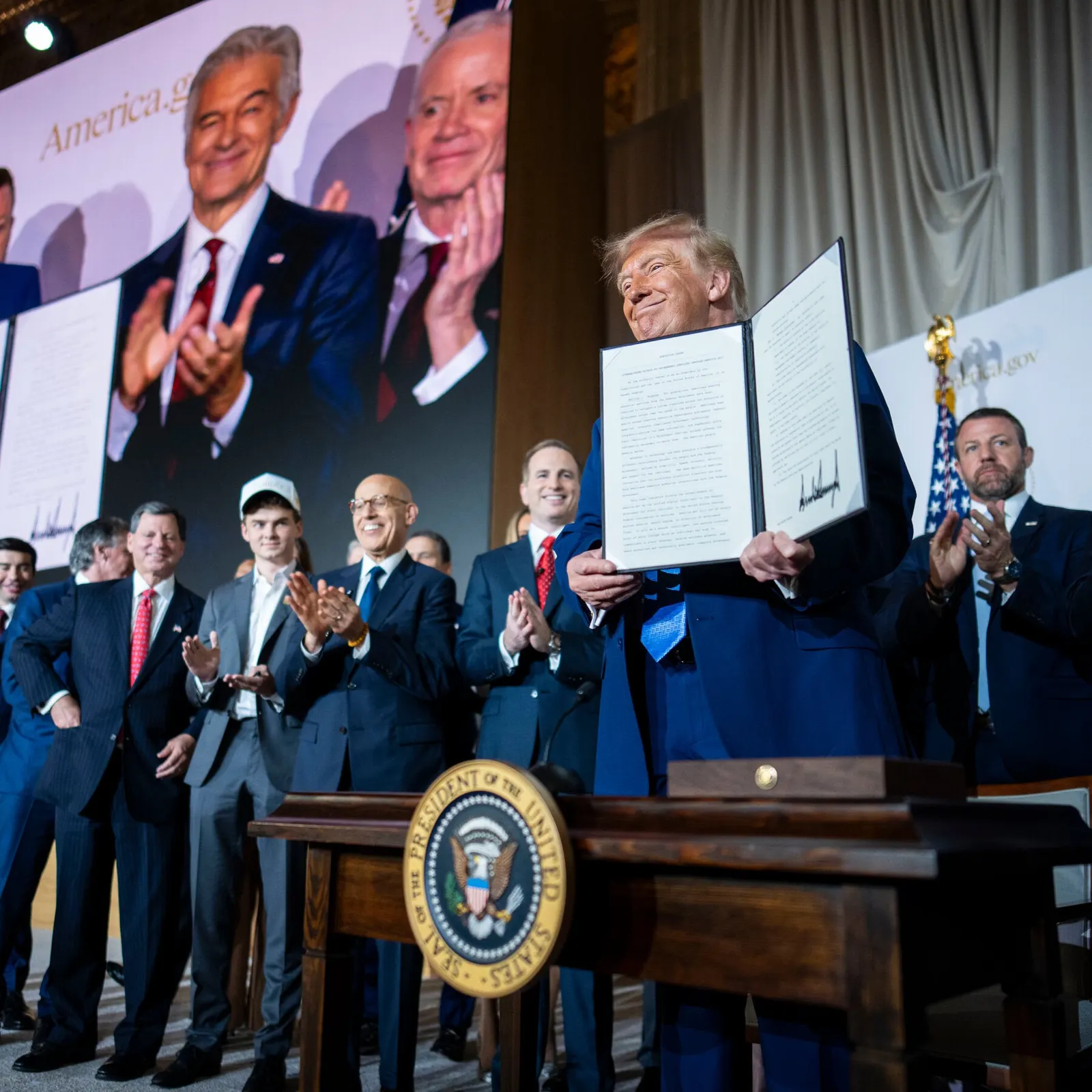
US President Donald Trump also dismissed calls for new AI restrictions in comments reported on Oct 4. He argued that additional rules would impede American companies competing with Chinese rivals and said existing law-enforcement bodies, including the US Department of Justice, offered sufficient safeguards.1
Why it matters
For readers in Europe, the debate concerns central policy choices surrounding AI: whether access should remain broad, whether development should slow and whether governments need additional restrictions. The competing positions also place anticipated public benefits against stated risks including hacking, scams, misuse and unwanted model behaviour.1
Related stories
same actors

background
same actors

Version history
- version 1 ·