Orionids expected to peak on 21–22 October as moonlight limits visibility
The Guardian forecasts the shower’s peak for the night of 21–22 October. BBC guidance for UK observers says viewing should improve after the Moon sets at around 03:00 BST.
The Guardian forecasts the Orionids’ peak for 21–22 October. The BBC says UK visibility should improve after the bright Moon sets around 03:00 BST.
- The Guardian links the October shower to dust from Halley’s comet.
- Moonlight will hide fainter meteors, The Guardian warns.
- The BBC says no specialist equipment is needed.
What's new
- The Guardian puts the expected peak on the night of 21–22 October.
- The Guardian and BBC warn that a waxing gibbous Moon will reduce visibility.
- The BBC says UK viewing conditions should improve after moonset around 03:00 BST.
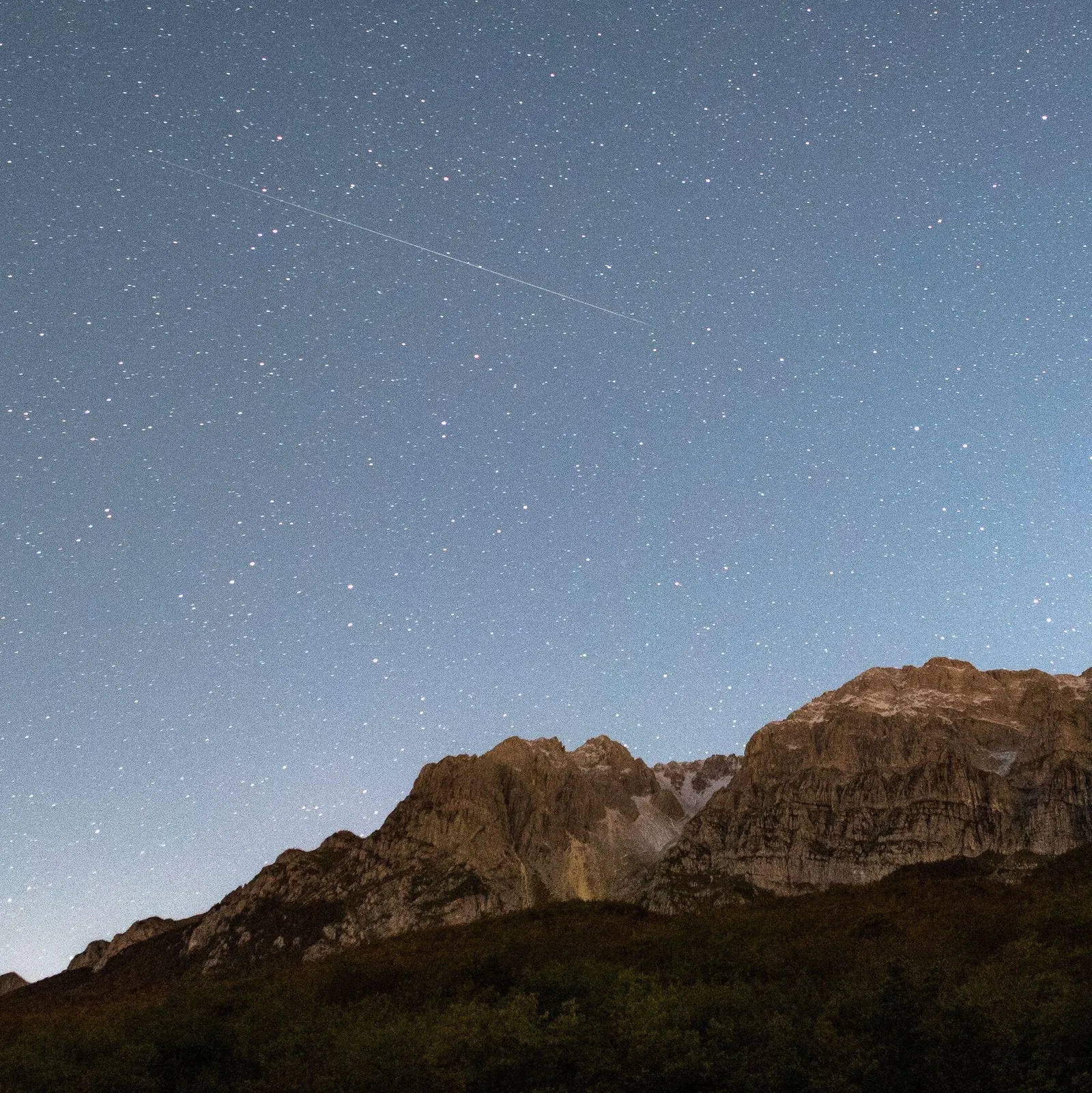
Stargazers in the UK can look for the Orionid meteor shower this week, with its peak expected during the night of 21–22 October, according to forecasts reported by the BBC and The Guardian. Both outlets say a bright Moon will limit visibility, with better viewing conditions after it sets.12
Moonlight shapes the viewing window
The Guardian says observers could see 10 to 20 Orionid meteors an hour under ideal conditions. That figure is not a forecast of what everyone will see this year: the newspaper says the waxing gibbous Moon will make many of the less bright meteors difficult to distinguish.1
For UK viewers, the BBC identifies the period after the Moon sets, at roughly 03:00 BST on Thursday morning, as offering improved conditions. The Guardian likewise gives a moonset time of about 03:00 BST and says Orion rises high in the sky during the hours before dawn.12
The Guardian’s accompanying sky chart uses London as its observing location. It depicts the south-eastern sky at midnight between 21 and 22 October, providing a reference for the constellation near which the meteors seem to begin their paths.1
Dust from Halley’s comet
The shower returns each October as Earth moves through dust deposited by Halley’s comet, The Guardian reports. The BBC also describes an annual passage through the comet’s debris, linking the streaks seen from the ground to material entering Earth’s atmosphere.12
The Guardian puts the particles’ speed at about 66 kilometres per second and says they heat the air around them, creating brief visible streaks. The BBC gives the speed as approximately 41 miles per second and describes atmospheric friction as the process behind the light.12
Some Orionids can leave extended luminous trails or produce fireballs, according to the BBC. The New York Times similarly highlights their speed and brightness, reporting that some of the streaks can remain visible for minutes rather than disappearing immediately.23
Where to look
The BBC places the shower’s apparent starting point near Betelgeuse in Orion. This point is known as the radiant, but the broadcaster advises looking a little away from it, where the meteors are easier to see, rather than concentrating only on that part of the constellation.2
No specialist equipment is necessary, according to the BBC: the meteors can be seen with unaided eyes. Its viewing advice therefore centres on where to look and when conditions improve, while its warning about moonlight remains relevant to the expected peak on 21 October.2
Why it matters
For readers in Europe, the dossier offers specific viewing guidance for the UK: the BBC says the shower is expected to peak this week and needs no specialist equipment to observe. Its advice identifies moonset around 03:00 BST as the point after which visibility should improve.2
Videos
Related stories

Version history
- version 1 ·