Climate · United Kingdom
UK Energy Bills Forecast to Near £2,000 by January
Ofgem's price cap rises 4% this week and is forecast to climb a further 16% in January, driven by high gas prices linked to the Middle East conflict and depleted European storage.
UK energy bills are forecast to rise 16% to nearly £2,000 by January, following a 4% rise this week, driven by high gas prices linked to the Middle East conflict.
- The cap climbed 4% to reach £1,723 starting Thursday
- January forecast: 16% rise to £1,999 a year
- Gas prices doubled in Europe amid conflict, low storage
- Charities call for government support in Autumn Budget
- Guardian lists tariff-switching and insulation savings tips
What's new
- Ofgem's price cap rises 4% to £1,723 from Thursday
- Cornwall Insight forecasts a further 16% rise to £1,999 in January
- Typical dual-fuel bills forecast to increase by £276
- Gas prices have doubled in Europe amid Middle East conflict and low storage
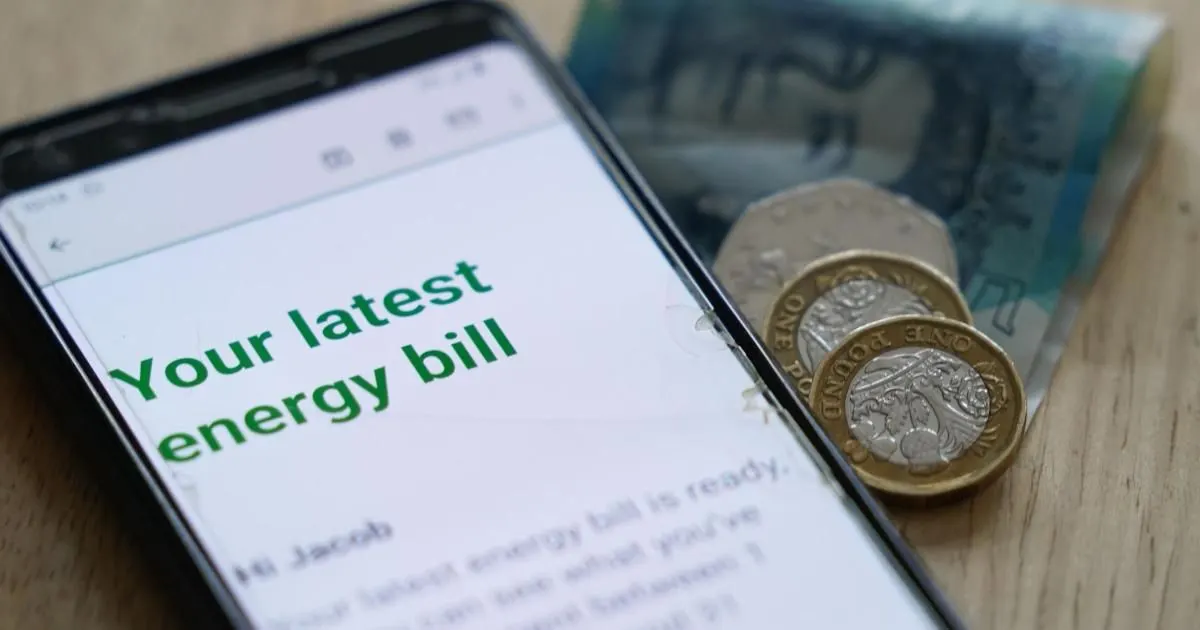
Household energy bills in England, Scotland and Wales are expected to jump sharply come January, with the typical annual dual-fuel bill projected to grow by £276 to almost £2,000, forecasters say, this after Ofgem's price cap increased 4% to reach £1,723 starting Thursday.12
October increase takes effect
Roughly 20 million households whose variable tariffs are governed by Ofgem's cap experienced a 4% bill increase starting Thursday, pushing the typical yearly bill up to £1,723 — an added cost of about £60 annually, or £5 monthly, the BBC reported.2168
Under the new cap, electricity charges rise from 26.11p to 26.32p per kilowatt hour, while gas charges increase from 7.33p to 7.97p per unit.1
Forecast for January
Cornwall Insight projects the cap will climb another 16% come January, reaching £1,999 for a standard dual-fuel bill — far steeper than the 9% increase the consultancy had originally predicted. The BBC describes the rise as the biggest increase in bills in four years.152
The consultancy said the official cap for January to March will be confirmed by Ofgem on November 25.7
Analysts attribute the jump to gas market prices climbing to three-year peaks, with wholesale costs said to have hit a four-year high in early September before easing somewhat. The BBC reported that the turmoil traces back to the Middle East conflict, noting that European gas prices have roughly doubled over recent months as the continent's storage reserves sit at a 15-year September low, filled to just 65% capacity.1534
Craig Lowrey of Cornwall Insight said: "At the moment, we can't yet see an end to the volatility, and with gas stocks as low as they are, the effects of the conflict could be with us for many more months."34
Warnings over affordability
The BBC noted that consumers together owe suppliers upwards of £5bn in outstanding bills and fees, and that efforts to replenish gas reserves could sustain elevated prices long after winter ends. The BBC also reported that a January price rise is all but certain.2
Simone Rossi said: "We are actually walking into a second significant energy crisis after the one we experienced just four years ago."2
Adam Scorer of National Energy Action said: "This is unsustainable, not just for households but also for the market as a whole," and called for the government to extend the VAT cut on electricity beyond April. He also said the Autumn Budget "must deliver additional targeted support for households most at risk this winter, alongside action to tackle energy debt and improve the least energy efficient homes."24
Caroline Rance of Friends of the Earth Scotland said the rise "is going to make life even harder for people and must shock politicians into action," adding that until fossil fuels are removed from homes, households will remain vulnerable to price spikes triggered by conflict and disasters beyond their control.4
National Energy Action noted that homes with poorer energy efficiency will face costs exceeding the widely quoted price cap amount.8
Ways to reduce bills
According to the Guardian, the lowest-priced option available today undercuts the projected January figure by £324, with Fuse Energy's 12-month fixed-rate plan priced at £1,675 — £48 cheaper than the October cap. Richard Neudegg of Uswitch said: "Switching energy tariff to a well-priced fixed deal is the biggest lever households on the price cap can pull to bring their costs down right now," adding that "the cheapest deal on the market is currently £324 less than this."1
Household energy-saving measures cited include turning down a combi boiler's flow temperature from 70-80C to 60C, which could save about £60 a year, reducing hot water temperature to 42C to shave 2% off a gas bill, and turning down the thermostat by 1C to save about £120 a year. Draught-proofing strips could save £25 a year, thermostatic radiator valves with a programmer about £30 a year, and an insulating tank jacket about £45 a year. Increasing loft insulation from 120mm to 270mm could save about £20 a year, since uninsulated roofs can account for around 25% of a home's heat loss.1
The Energy Saving Trust said: "The biggest saving comes in homes that switch to a dedicated heat pump energy tariff and add other green technologies such as solar panels."1
Why it matters
The rise reflects a European-wide squeeze on gas supplies linked to the Middle East conflict and historically low storage levels, which analysts say could keep prices elevated well into next year. For consumers across the UK and Europe, the forecast signals renewed pressure on household budgets during winter, with charities warning of a second major energy crisis within four years.23
Related stories

Version history
- version 1 ·