World · United Kingdom
UK PM Burnham Says Brexit Has Caused More Harm Than Good
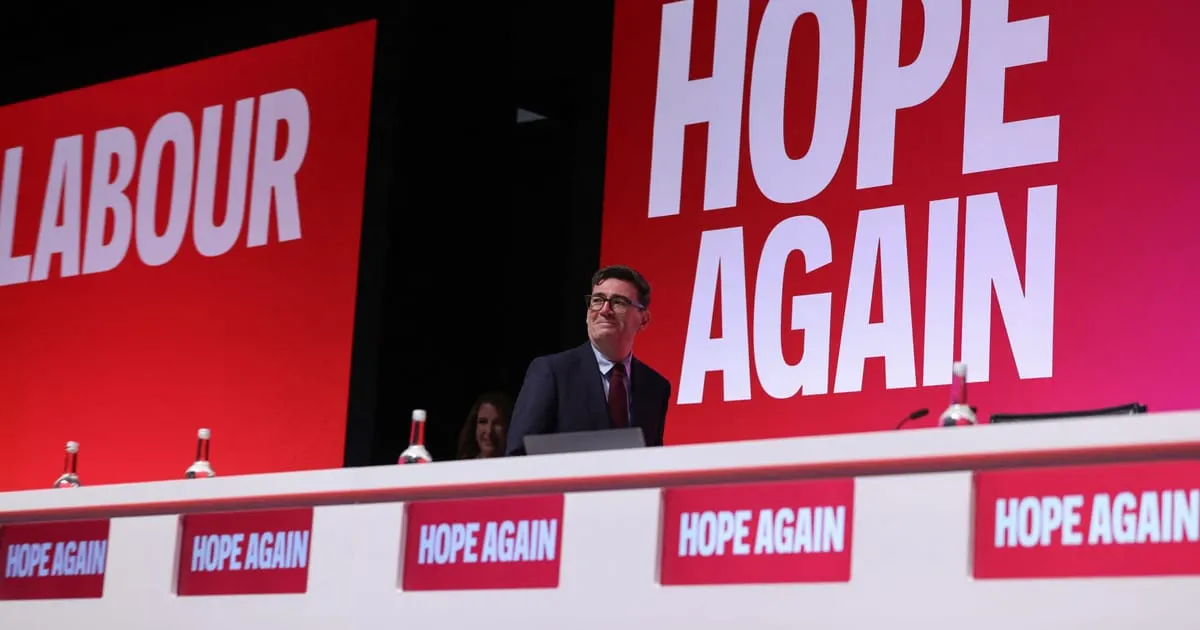
Speaking at Labour's Liverpool conference, Prime Minister Andy Burnham said Britain's Brexit settlement had done more harm than good and floated rejoining the EU as one option under consideration.
Listen to the story
Short version
UK PM Andy Burnham said Brexit has caused more harm than good and is weighing closer EU ties, including possibly rejoining.
- Burnham told Labour conference Brexit 'has caused more harm than good'
- Options include customs union, single market or full EU rejoin
- No rejoining single market/customs union before next election
- Conservatives accuse Labour of an EU 'back door' return
- Burnham became PM in July, UK's seventh in a decade
What's new
- Burnham told Labour conference Brexit 'has caused more harm than good'
- He said Britain should consider options including a customs union, single market membership or full rejoining
- Conservatives accused Labour of pulling Britain back into the EU 'via the back door'
- Burnham said his government would not pursue single market or customs union membership until after the next general election
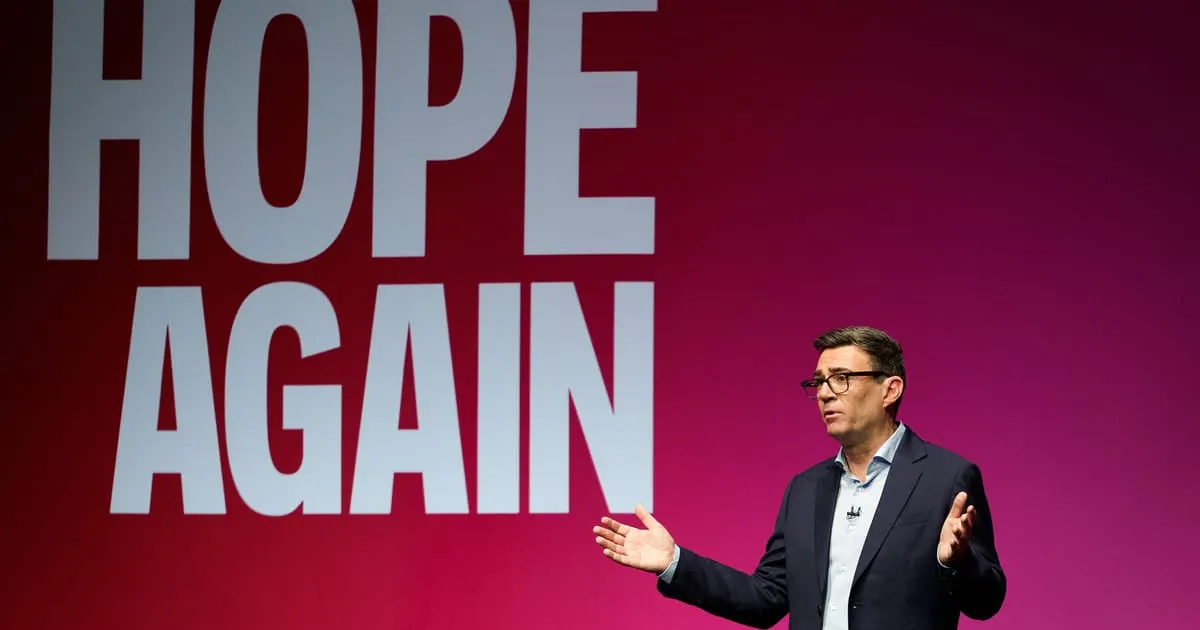
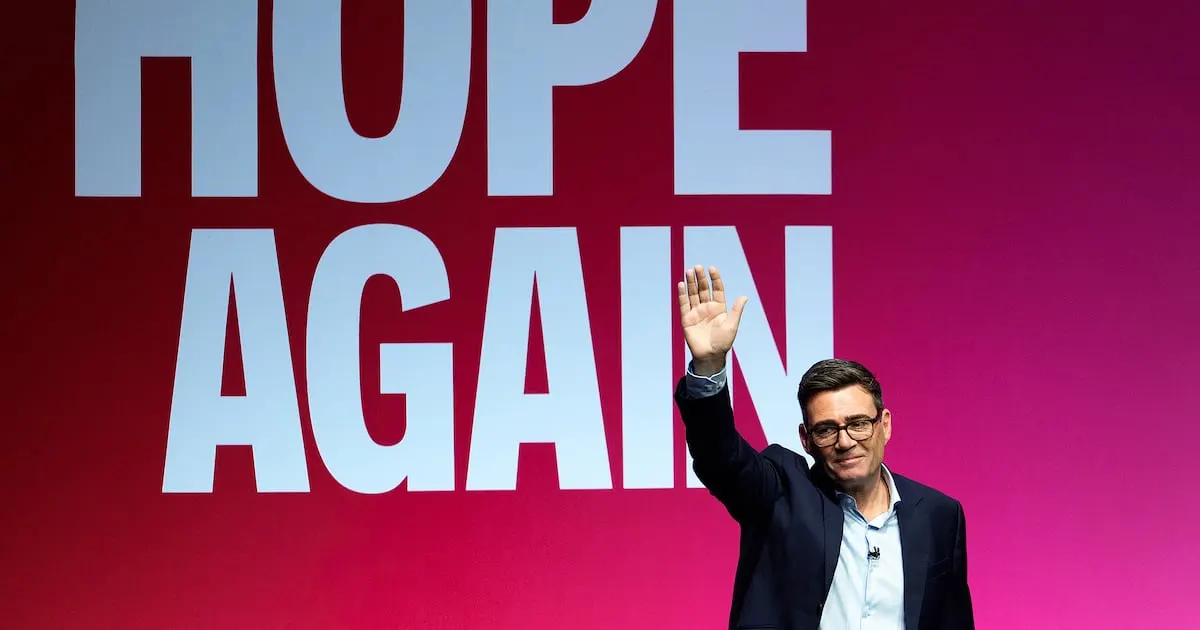
UK Prime Minister Andy Burnham told the Labour Party conference in Liverpool on 29 and 30 September that the Brexit settlement negotiated by the Conservatives had caused more harm than good, and said Britain should consider options for a closer relationship with the European Union, including rejoining.5186
Brexit assessment
Burnham said he had earlier called for Britain to rejoin the EU within his lifetime, and told BBC Radio 4 he was unwilling to let Britain's relationship with the bloc remain unresolved. He said the present relationship with Brussels fell short and pointed to Brexit as the cause of diminished control over migration and the economy.2
At the Labour conference, Burnham stated plainly and without qualification that Brexit had caused more harm than good. He then posed the question of what should be done in response.8
He described the choice facing Britain in a separate address, saying: "Brexit has done more harm than good and the UK needs clarity about our position and the future of the continent that we live in."7
Political reaction
Conservative deputy leader Alex Burghart accused Labour of dragging the UK back into the EU "via the back door" through their EU reset, according to the BBC and RTÉ. Burghart also said, according to a single-source report, that Labour could not blame their economic decisions on a referendum vote from over a decade ago.26
Within Labour, reaction was mixed. Stella Creasy, a Labour MP, said the party's manifesto contains red lines against rejoining the single market or customs union, according to a single-source account. Cabinet minister Heidi Alexander said the world and Europe are changing. According to a single-source report, Naomi Smith said partial steps toward Europe would fall short of securing a Labour victory at the next election.6
Options and limits
Burnham's government will not rejoin the EU single market or customs union before the next general election, expected in 2029, according to Politico Europe and The Connexion. Options under consideration for a future relationship include a customs union, single market membership, or full rejoining, according to a single-source Politico Europe report. Burnham's stance sets up a possible post-election push to reboot Britain's EU relationship a decade after the Brexit referendum, according to a single-source account.53
According to a single-source Guardian report, Keir Starmer's Labour manifesto had specifically excluded a return to the EU single market or customs union, and the report noted that a customs union would eliminate trade barriers on goods without restoring single market access, while single market membership would demand tighter alignment with EU regulations.1
Wider political backdrop
According to RTÉ, the Boston Globe and Brussels Signal, Burnham took over as prime minister from Keir Starmer on 20 July, becoming the seventh person to hold the office in ten years. His Liverpool speech also included pledges to explore proportional representation, repeal Margaret Thatcher's ban on public ownership of water companies, and establish a free National Care Service after the next election.67
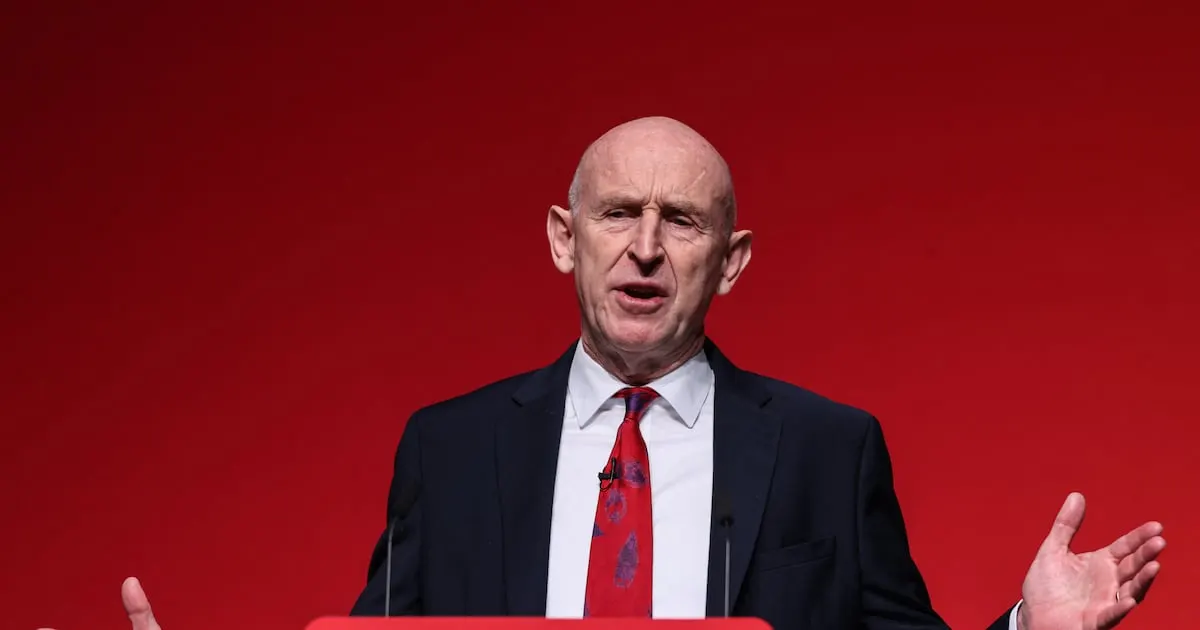
He said he was considering scrapping planned fuel duty increases, while Chancellor John Healey said fiscal discipline would be at the heart of the coming budget. A YouGov poll reported on 29 September put Reform UK at 25% of voting intentions against Labour's 24%.16
In his conference address, Burnham said Britain had gone astray in the 1980s through Thatcher-era free-market policies and privatisation, arguing the nation now serves narrow interests rather than the public good. He acknowledged that his stance could carry political costs. He added that someone needed to push through the discomfort and address the issue decisively.7
EU ties, Ireland and trade
A UK-EU summit, originally scheduled for July under Keir Starmer, was postponed and is now planned for later in 2026. The EU has authorised talks on closer electricity-market links at the summit, while negotiations on food trade and a youth mobility scheme continue, according to a single-source Guardian account.14
Burnham contended that Britain's exit from the EU had undermined its ability to work jointly on migration issues. He held talks with Irish Taoiseach Micheál Martin in Manchester on 18 September, telling him the UK wants to deepen its relationship with Europe. Ireland took over the EU Council presidency on 1 July.14
Chancellor Healey met EU finance ministers in Dublin on 19 September and pressed for exemptions from the EU's draft "Made in Europe" procurement scheme, which would favour European suppliers and reject bids with less than half European content in an annual public purchasing market worth about €2 trillion. France pushed for a strict standard while Germany favoured a looser "Made with Europe" formula, according to a single-source Brussels Signal report.4
Why it matters
Burnham's remarks mark the most direct admission yet by a sitting UK prime minister that the post-Brexit settlement has caused economic and political harm, reopening debate over Britain's relationship with the EU a decade after the referendum. The outcome could shape trade, migration and procurement arrangements affecting both UK and EU citizens.51
Videos
Related stories
Version history
- version 1 ·