Culture · United States of America
Paramount and Warner Bros Discovery combine as Skydance
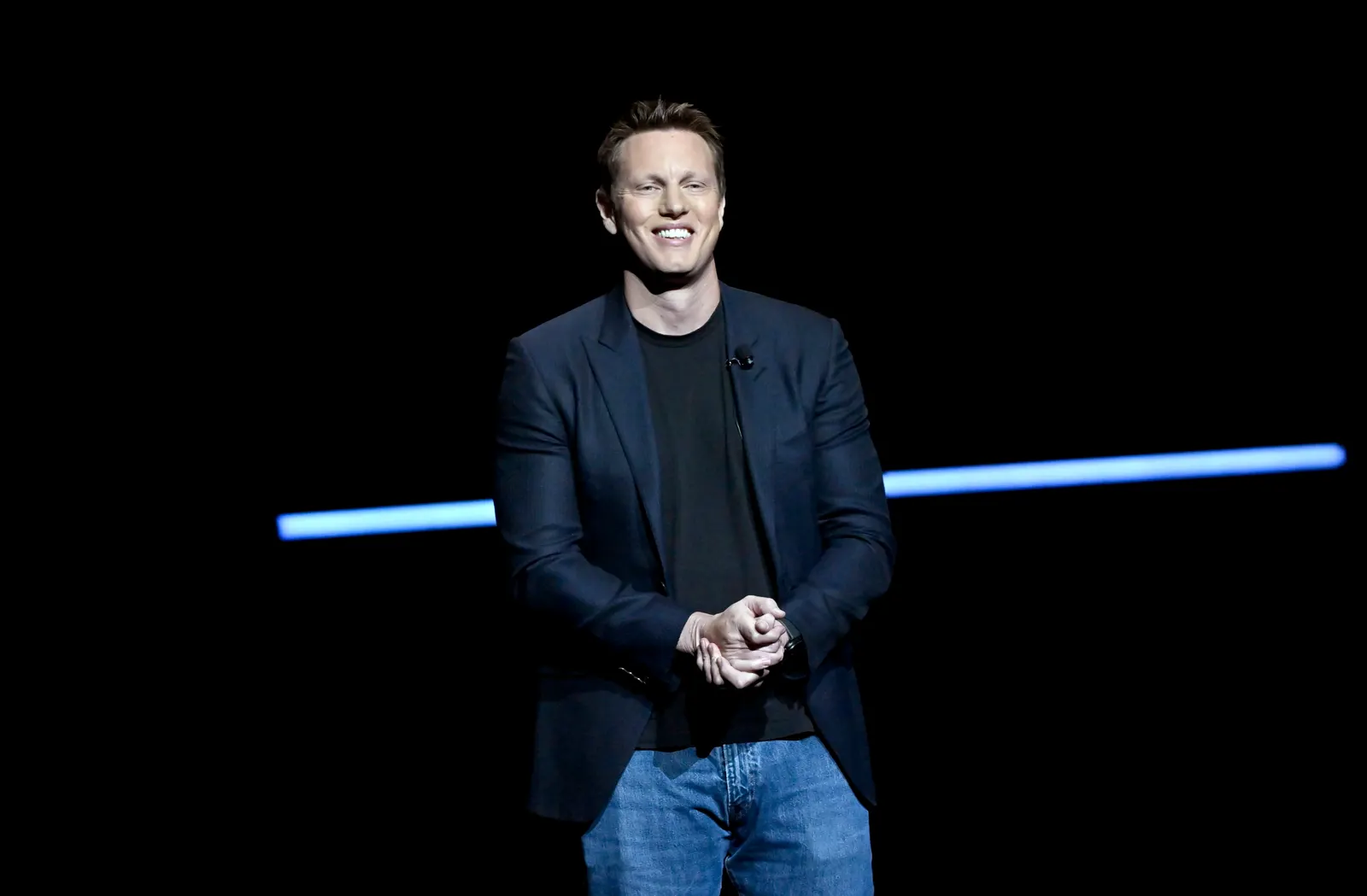
The transaction brings major film studios, television networks, streaming services and news organisations into one company. David Ellison and Ynon Kreiz will lead the group.
Paramount’s acquisition of Warner Bros Discovery has created Skydance, led by David Ellison and Ynon Kreiz. The settlement sets film-production and investment requirements, while concerns about consolidation and news independence remain.
- Reports value the transaction at either $110 billion or $111 billion.
- Skydance combines major studios, networks, streaming services and news outlets.
- The first two years require 30 theatrical films annually.
- US production spending must increase by at least $300 million.
- Skydance promised independent oversight intended to protect CNN.
What's new
- Paramount completed its acquisition of Warner Bros Discovery, forming Skydance.
- Ynon Kreiz was named co-chief executive alongside David Ellison.
- A settlement requires 30 theatrical releases in each of the first two years.
- Skydance pledged at least $300 million in additional US production spending.
Paramount completed its acquisition of Warner Bros Discovery on Oct 6, creating a combined company called Skydance after the transaction underwent legal and regulatory scrutiny in the United States and Europe, according to reports from NPR and The Verge. The group is led by David Ellison alongside co-chief executive Ynon Kreiz.12
A broad media combination
The transaction combines Paramount Pictures and Warner Bros Pictures, two studios that have each operated for more than a century, according to NPR. Skydance also takes control of streaming services, television networks and the CNN and CBS News operations. NPR put the transaction’s value at $111 billion, while The Verge reported a $110 billion acquisition price.12
Paramount obtained an agreement for Warner Bros Discovery in February after competing with Netflix for the company, The Verge reported. The deal subsequently encountered opposition from lawmakers and people working in Hollywood who argued that further concentration in the media sector would have harmful effects. NPR reported that public protests continued for months.12
Twelve states sued in an attempt to stop the transaction on antitrust grounds before reaching a settlement with Skydance, according to The Verge. NPR reported that 12 state attorneys general and the Writers Guild of America pursued unsuccessful legal challenges, and that the deal cleared regulatory and legal obstacles in both the United States and Europe.12
Production commitments
The settlement imposes theatrical-release and investment requirements on the new company. The Verge reported that Skydance must meet a minimum level of theatrical production for five years, including 30 films in each of the first two years. The company is also required to raise its US production outlay by no less than $300 million compared with the two companies’ combined spending last year.2
NPR described the production undertaking as an agreement by Ellison for the combined studios to make 30 films annually over the next few years. Ellison said the combination would give the two studios greater capacity, while critics cited by NPR remained concerned that consolidation could lead to higher streaming prices, fewer choices, less willingness to finance risky work and job losses.1
Leadership and news operations
Ellison will run Skydance with Kreiz, who previously served as Mattel’s chairman and chief executive, according to The Verge. NPR reported that Michael De Luca and Pamela Abdy have left their roles leading Warner Bros Pictures. The combined business now encompasses major studios, networks and streaming operations.12
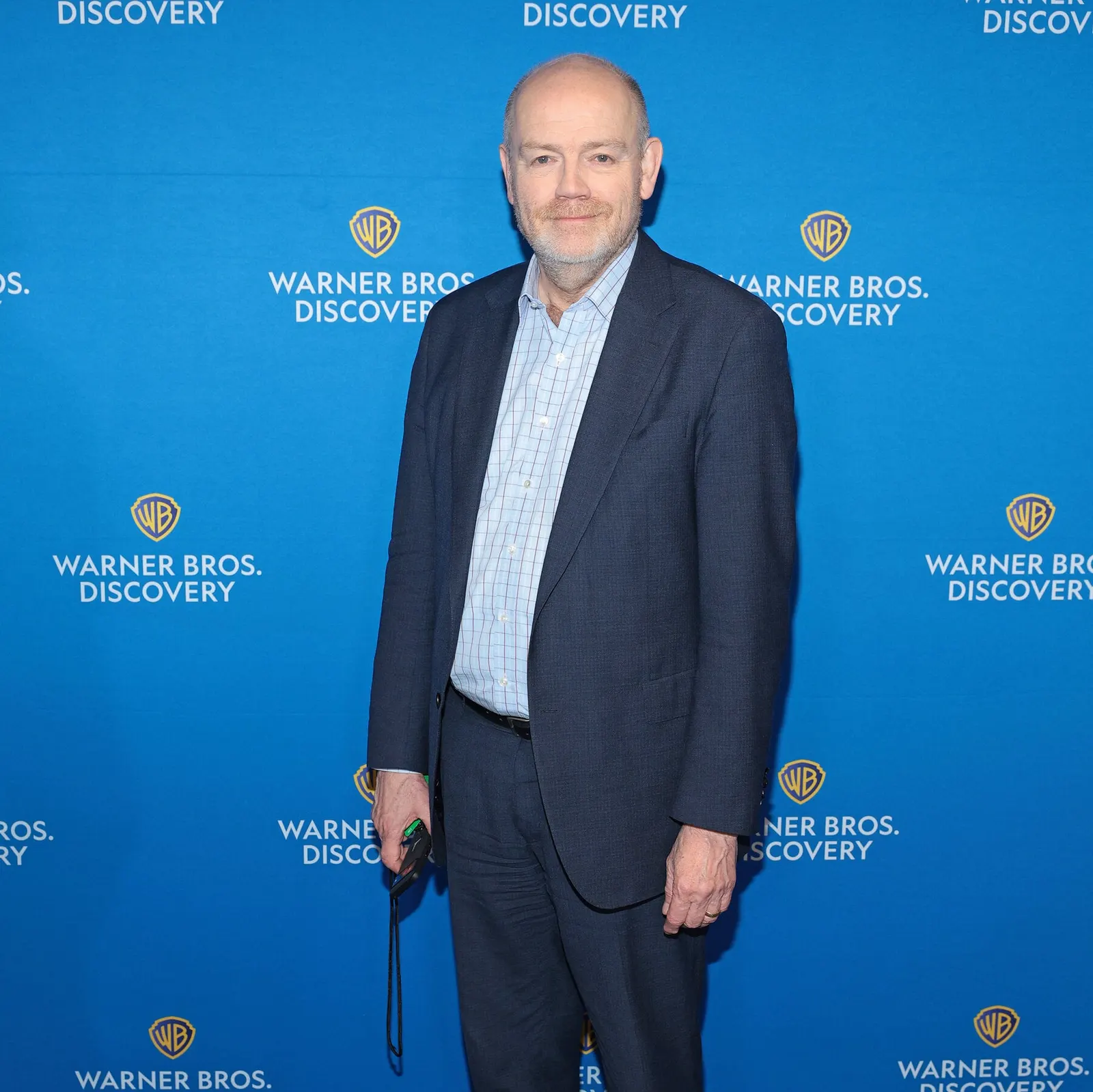
Skydance said Mark Thompson would remain in charge of CNN, while Bari Weiss would continue to lead CBS News, NPR reported. Ellison also promised an independent board intended to shield CNN from political interference. Concerns about the network’s future persist among opponents of the deal because NPR described Ellison as an ally of President Donald Trump.1
Jessica Gonzalez, co-chief executive of the nonprofit media advocacy organisation Free Press, criticised the concentration of control over news organisations. Free Press helped organise the Block the Merger Coalition, according to NPR. Ellison, by contrast, has argued that the transaction would benefit competition, consumers and the creative economy.1
Scale and unresolved effects
NPR reported that Skydance has assembled a library of 15,000 films, although that figure was not corroborated by the second source. The company’s immediate commitments establish production and spending floors, but the dossier does not determine whether opponents’ predictions about subscription prices, consumer choice, creative risk-taking or employment will materialise.12
Why it matters
The combination has implications for European audiences because it places prominent studios, streaming services and news brands within a single group, and NPR reported that it cleared regulatory challenges in Europe as well as the United States. Its production obligations could shape the volume of films reaching cinemas, while critics’ predictions about prices and choice remain unproven.12
Videos
Related stories


Version history
- version 1 ·