Health · Poland
Polish activists open abortion-pill locker opposite parliament
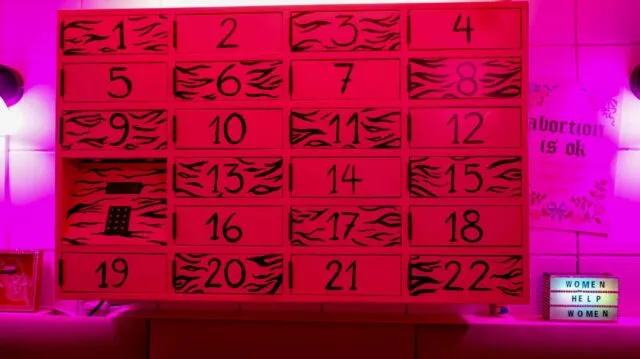
The Warsaw machine dispenses medication packages through coded compartments. Campaigners describe it as the world’s first parcel-locker system dedicated to abortion pills.
Polish campaigners have opened a coded abortion-pill locker inside a Warsaw support centre. The initiative operates against a restrictive legal framework that criminalises some forms of abortion assistance.
- The locker stands inside AboTak, opposite Poland’s parliament.
- It holds medication envelopes in 22 compartments.
- Users obtain access through a six-digit code.
- Campaigners call it the world’s first dedicated abortion-pill locker.
- Unlawful abortion assistance can bring three years in prison.
What's new
- Women Help Women unveiled the Abortomat in Warsaw on Sept 29.
- The machine has 22 compartments containing medical-abortion medication.
- Users receive a six-digit code, and the system does not retain personal data.
- The locker remains indoors amid security concerns and protests.
Women Help Women and the Polish Abortion Dream Team unveiled a locker dispensing abortion pills in Warsaw on Sept 29, placing it inside the AboTak support centre opposite Poland’s parliament. The campaigners describe the Abortomat as the world’s first parcel-locker system created specifically to distribute the medication.35
How the locker works
The machine contains 22 compartments holding envelopes of medication for medical abortions. A person using the service receives a six-digit code that opens a compartment, according to Women Help Women director Kinga Jelinska. Balkan Insight reported that the system does not retain users’ personal information, while AFP described it as offering anonymous and immediate access.1236
Women Help Women said the service does not require confirmation of citizenship or residence. Each medication package comes with instructions, and the organisation’s online team offers assistance before, during and after an abortion. The locker is intended particularly for people unable to wait several days for postal delivery, including because of health complications, miscarriage or concerns about privacy.15
The Abortomat is housed at AboTak, a centre opened by the Abortion Dream Team in March 2025. The centre provides consultations about abortion options and a place where people can receive support while taking the medication. The machine has remained indoors because of security concerns and demonstrations outside the premises, Balkan Insight reported.13
A narrow legal framework
Polish law permits abortion when a pregnancy results from a crime or threatens the pregnant woman’s life or health. Anyone who assists another person in obtaining an abortion not covered by those conditions may face up to three years in prison. However, AFP and ANSA reported that Polish law does not punish women for carrying out their own abortions, including through pills ordered online.2346
The legal framework became more restrictive after the Constitutional Tribunal ruled in 2020 that severe foetal abnormalities were not grounds for abortion. AFP reported that such cases had previously accounted for 98 per cent of legal abortions. The agency said 846 legal abortions were performed in Poland during the first half of 2025.2
The distinction between performing an abortion and helping another person obtain one has created legal risks for activists. Justyna Wydrzyńska was convicted in 2023 after sending abortion pills to a woman whom activists said was trapped in an abusive relationship. Balkan Insight reported on Oct 2 that an appeals court had overturned the conviction and ordered a retrial.35
Reform remains stalled
Poland’s governing coalition took office in 2023 after promising to change abortion law, but proposed reforms have repeatedly stalled. Prime Minister Donald Tusk said there was no parliamentary majority for allowing abortion through the 12th week of pregnancy. A partial decriminalisation proposal remained before a special parliamentary committee in 2024.13
Demand for assistance outside the formal health system remains substantial, according to the organisations involved. Abortion Without Borders reported supporting 38,508 abortions in 2025, while Jelinska said about 50,000 people in Poland had contacted the broader network of abortion-rights organisations seeking help during the previous year. Women Help Women and the Abortion Dream Team said their network facilitates about 130 abortions a day, most using medication.135
Protests and security
The centre has faced demonstrations by conservative Catholic groups. Jelinska said protesters gather outside three or four times a week, generally in groups of fewer than 12, and that neither the city nor police had responded. Balkan Insight reported on Oct 2 that the AboTak premises had also been targeted with butyric acid.123
Jelinska characterised the locker as a way of navigating the difference between the law governing assistance and the legal position of a person ending their own pregnancy. “It’s a little bit of a hack on the law,” she said. She argued that access would be shaped less by political action than by women and local communities.1
Why it matters
The initiative tests how abortion-support groups can use medication distribution within one of Europe’s most restrictive legal frameworks. It also highlights the gap between Poland’s limited number of legal procedures and the larger demand reported by organisations helping people obtain abortions outside the formal system.23
Related stories

Version history
- version 1 ·