World · Poland
Police deployed as rival judges contest control of Poland’s Constitutional Court
The suspension of the court’s president brought protesters and police to the Warsaw building. President Karol Nawrocki challenged the authority of the judges behind the move.
Listen to the story
Short version
Police deployment accompanied a confrontation over leadership of Poland’s Constitutional Court. The government and president dispute the authority of competing judges.
- Government-backed judges suspended court president Bogdan Święczkowski.
- Nawrocki challenged their authority and entered the court.
- Żurek sought immunity removal for possible prosecution.
- Experts disagree over whether the suspension was lawful.
What's new
- Government-backed judges suspended the court’s president and deputy.
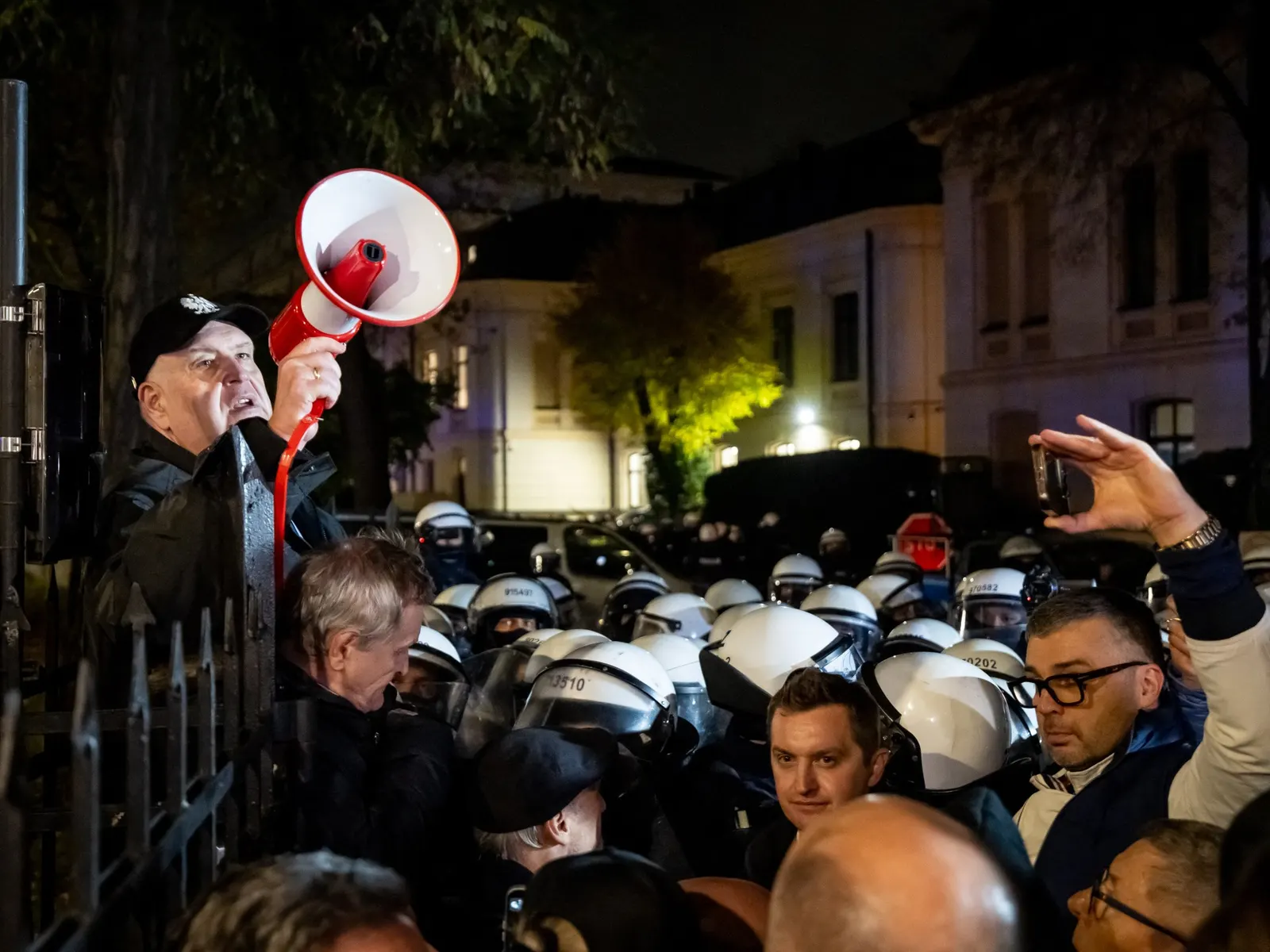
- Police confronted demonstrators outside the Warsaw court.
- Nawrocki entered the building and challenged the suspensions.
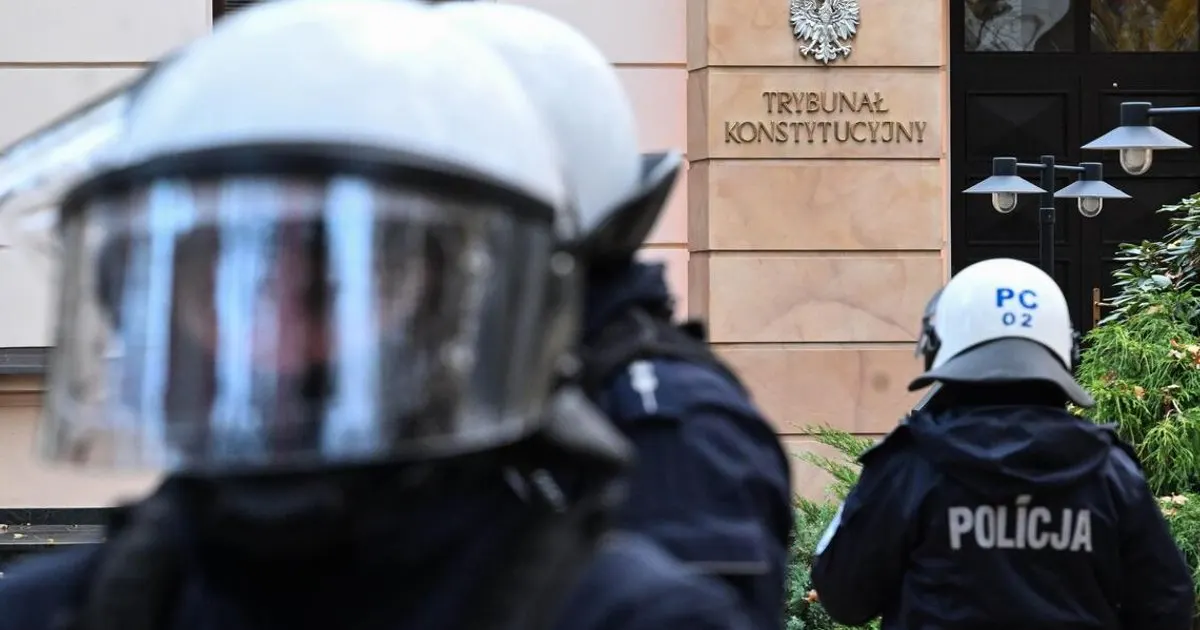
Police were deployed at Poland’s Constitutional Court in Warsaw on October 30 amid protests following the suspension of its president, Bogdan Święczkowski. The confrontation brought the government’s effort to change the court’s leadership into direct conflict with President Karol Nawrocki, who disputed the authority of the judges taking control.123
Competing claims to authority
Judges backed by the current government suspended Święczkowski after a prolonged legal dispute. The Guardian reported that his deputy, Bartłomiej Sochański, was also suspended and that Anna Korwin-Piotrowska said she had taken over the court’s leadership. BBC and Al Jazeera reports also identified her as temporarily in charge.1234
According to the Guardian, hundreds of demonstrators, among them opposition members of parliament, assembled outside in support of the suspended judges. The BBC reported that riot police were positioned to keep demonstrators from entering. Al Jazeera said police went inside after objects were thrown at officers outside the building.123
Accounts of the detentions differed. The Guardian reported three arrests involving attempts to get through the police presence and enter the court. Al Jazeera reported that three people were detained after projectiles were thrown from the crowd. The reports do not establish whether these descriptions concern precisely the same actions.23
Nawrocki entered the building after returning to Warsaw and remained there at 4am local time, the Guardian reported on October 31. He called for security forces to leave and rejected the government appointees’ judicial standing. He alleged that “a constitutional body was seized by force”.2
Appointments and possible prosecution
Justice Minister Waldemar Żurek sought the removal of Święczkowski’s and Sochański’s immunity so they could face prosecution over allegations that they prevented other judges from working. Al Jazeera reported that Święczkowski had blocked judges chosen by the current parliamentary majority from undertaking court duties for six months.123
The court maintained that the two senior judges remained legally appointed, according to the BBC. Its statement accused those involved in the action of committing a coup. That accusation was echoed by opposition leaders, the Guardian reported; it is a contested characterisation, not an established legal finding.12
The dispute also concerns Nawrocki’s refusal to administer oaths to parliamentary appointees. The BBC and Guardian described five judges affected; Al Jazeera described three of six nominees. The Venice Commission advised that the president should swear in the judges and that his refusal should not bar them from taking their seats.123
A disputed route to reform
Prime Minister Donald Tusk defended the government’s approach, saying that “restoring the rule of law is our duty”. But the Guardian reported divisions among experts over the suspension’s legality. Marcin Matczak, a lawyer critical of Law and Justice’s judicial changes, said the suspension lacked a legal basis, according to the BBC.123
The BBC reported that European courts had found three judges improperly elected and concluded that the Constitutional Court no longer met standards of independence and impartiality. Tusk’s government relied on those rulings to stop publishing the tribunal’s decisions, the broadcaster said. The present confrontation concerns both who may sit on the court and who can exercise authority over it.12
Why it matters
The dispute connects Poland’s judicial appointments to rulings by European courts and advice from the Council of Europe’s Venice Commission. It also exposes disagreement over whether the government’s methods for reversing earlier judicial changes are themselves lawful.12
Videos
Related stories
Version history
- version 1 ·