World · India
Delhi protest planned amid dispute over India’s voter-list revision
Opposition groups and the Cockroach youth movement are challenging a nationwide electoral-roll review and seeking the election chief’s resignation. The Election Commission says the process is intended to protect legitimate registrations.
Listen to the story
Short version
India’s voter-list revision has prompted protests and a planned Delhi march demanding the election chief’s resignation. The Election Commission defends the process, while activists report widespread detentions.
- Protesters seek Gyanesh Kumar’s resignation.
- The review has removed over 130 million names, reportedly.
- Commission says it protects legitimate voter registrations.
- Cockroach movement reported at least 10,000 detentions.
- Delhi police barricaded the planned protest area.
What's new
- Authorities were reported to have detained activists before a planned Delhi rally.
- Police barricaded the Delhi protest area, according to reports.
- More than 130 million names have reportedly been removed in the review.
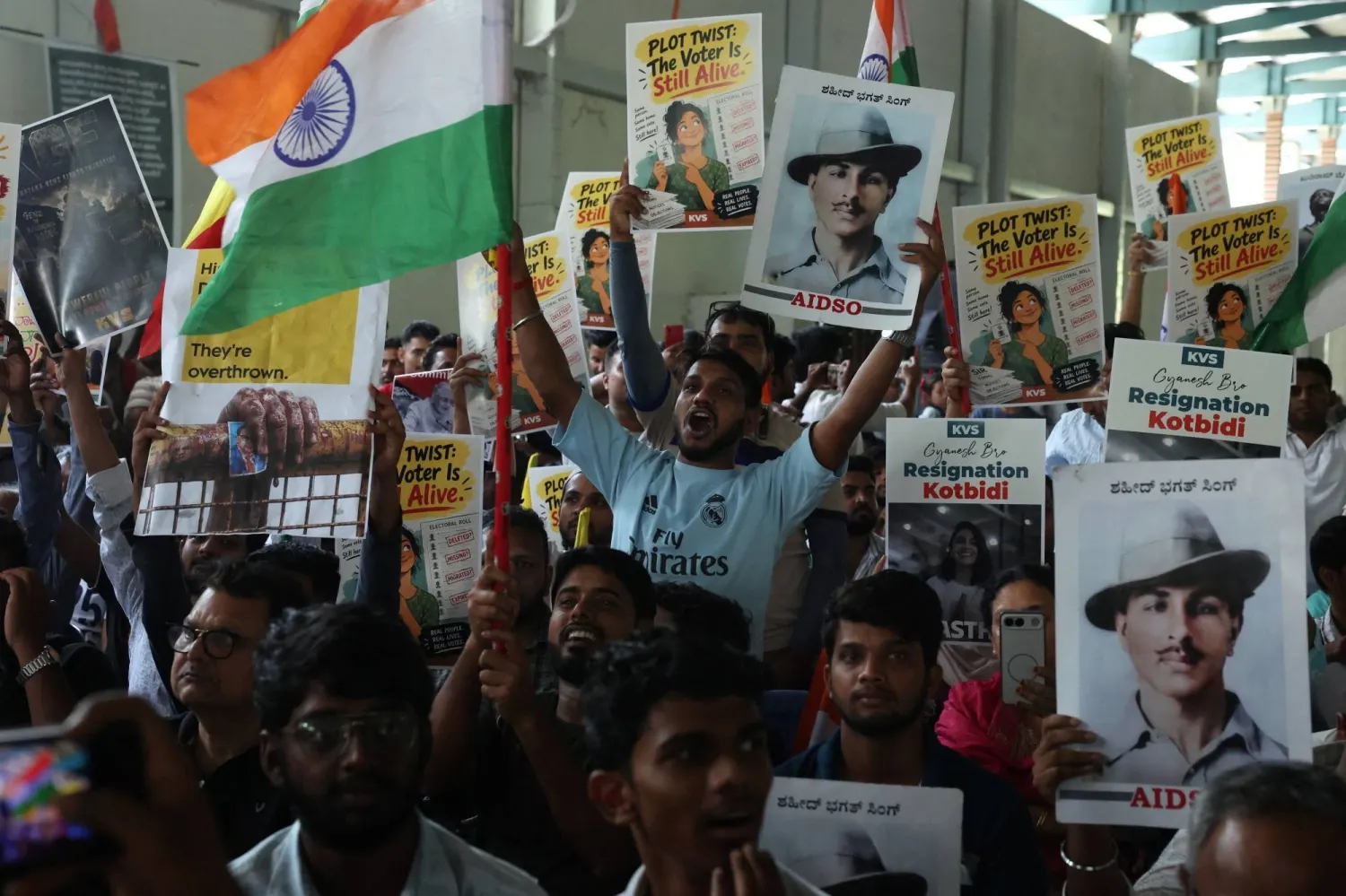
- Hundreds of Cockroach movement supporters demonstrated in Bengaluru.
Protests over India’s Special Intensive Revision of voter lists have reached Delhi, Bengaluru and other parts of the country, with opposition parties, student groups and the Cockroach youth movement demanding Chief Election Commissioner Gyanesh Kumar resign. Ahead of a planned October 10 march to Jantar Mantar in Delhi, authorities were reported on October 9 to have detained activists and people linked to associated organisations. The Election Commission says the revision is intended to remove ineligible or duplicate entries while retaining legitimate voters.123
Dispute over electoral rolls
The Special Intensive Revision began in Bihar and was extended to most Indian states and federally administered territories, according to NPR. People seeking to remain on the rolls have been required to provide documents demonstrating their eligibility. Critics argue that this requirement may exclude legitimate voters, particularly people in poorer or vulnerable communities, and say the review could disenfranchise millions while benefiting the ruling Bharatiya Janata Party. The Election Commission and the government deny wrongdoing, while the BJP and the commission reject claims that the exercise has a political purpose.1
The commission says the review is required to remove duplicate and ineligible registrations and preserve legitimate ones. The BJP has said the lists are being updated to remove people it calls “infiltrators”. According to the Guardian, opposition parties say the deletions disproportionately affect people likely to support them, whereas those seen as more likely to vote for Prime Minister Narendra Modi’s party remain on the rolls or are added. Those allegations have not been independently established in the material available.12
Scale of removals
The size and consequences of the revision are central to the protests. The Guardian reported that the review has struck over 130 million people from the rolls, with millions contesting their removal through appeals. Election Commission data indicated that voter rolls in some areas could decline by up to 30%, NPR reported. NPR reported that a distinct review in West Bengal deleted approximately 9 million entries, equivalent to about 12% of voters.12
The process has also prompted internal questions, according to an Indian Express report cited by NPR. The report said two of the three election commissioners objected to several decisions in September and that Kumar rejected their objections. The Election Commission responded that the account referred to “differing views and deliberations”, rather than formal written objections.1
Detentions before Delhi rally
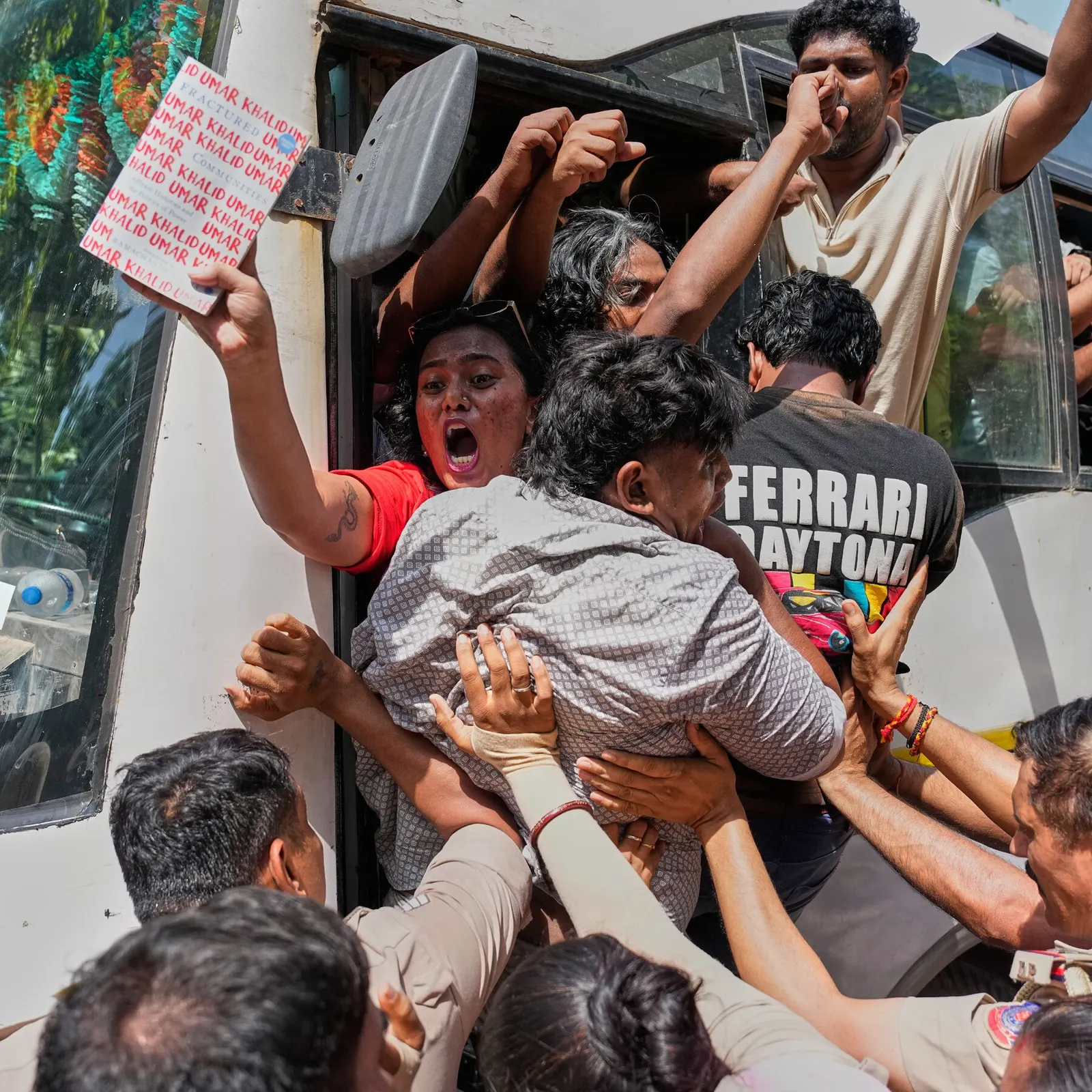
The Cockroach movement, opposition parties and their student wings have held demonstrations on an almost daily basis, according to the Japan Times. Its associated Cockroach Janta Party is a Gen Z-led political movement. Ahead of the Delhi protest, the movement said authorities had begun mass detentions across the country. According to the Guardian, spokesperson Ashutosh Ranka said authorities had detained at least 10,000 people linked to the protests, student organisations, grassroots affiliates and political parties. Police authorities did not immediately respond to requests for comment.23
The Japan Times reported that activists from around India had been arrested, including Deepak Baliyan, a senior Cockroach Janta Party member and spokesperson. The Guardian said students travelling from Pune to Delhi were put on a bus and taken to an undisclosed place, while footage posted on X appeared to show activists being removed in vans. These accounts were reported ahead of the planned march and are not independently verified in the dossier.23
In Delhi, police erected barricades around the planned demonstration area, while thousands were expected to march to Jantar Mantar, according to the Guardian. Congress said police employed “brute force” when they briefly held Rahul Gandhi, Priyanka Vadra and additional lawmakers who were attempting to get to the location. Delhi Police said the allegation was being used to “defame” the force, while BJP spokesperson Gaurav Bhatia said it had “no base, not an iota of evidence”.2
A broader protest campaign
In Bengaluru, hundreds of Cockroach supporters gathered, and architecture student Khushi Shrivastava said, “I think voting right is the most basic point of democracy.” According to the Guardian, the movement started online as a youth initiative in May and later took its demonstrations onto streets throughout India. NPR and the Guardian reported that earlier Cockroach-led protests helped bring about the resignation of India’s education minister over examination paper leaks.12
In Mumbai, Shiv Sena (UBT) and Maharashtra Navnirman Sena organised a protest calling for Kumar’s resignation and suspension of the voter-list review, according to NPR. The immediate demands of the wider campaign are Kumar’s departure and an end to the ongoing revision. The commission’s position remains that the exercise is necessary to ensure that eligible voters remain registered.1
Why it matters
For readers in Europe, the dispute illustrates how changes to electoral registration can become a central political issue when large numbers of names are removed and documentation is required. The reported detentions ahead of a major protest also make the handling of political dissent part of the story, alongside the argument over the voter rolls themselves.12
Videos
Related stories
Version history
- version 1 ·