World · Russian Federation
Putin Signs Fourth 2024 Decree Expanding Russian Armed Forces
A new presidential decree raises Russia's authorised troop ceiling to 2,441,630, as Kyiv reports growing North Korean troop deployments on Russian soil.
Putin signed a fourth 2024 decree raising Russia's authorised armed forces to 2,441,630, as Ukraine reports growing North Korean troop deployments.
- Decree fixes Russia's military strength at 2,441,630 personnel total, including 1,550,500 active-duty
- Fourth expansion decree this year, after March, June, July increases
- Over 8,000 North Korean troops reported in Russia, 10,000 more planned
- Putin denies war preparations in Europe; Zelenskyy warns of attack risk
What's new
- Putin signed decree No. 700, which fixes the military's authorized headcount at 2,441,630 total personnel, of whom 1,550,500 are active-duty
- This is the fourth such expansion decree in 2024, following increases in March, June and July
- Zelenskyy said over 8,000 North Korean troops are in Russia, with 10,000 more being prepared
- Putin denied Russia is preparing for war in Europe while accusing Baltic states of rights violations
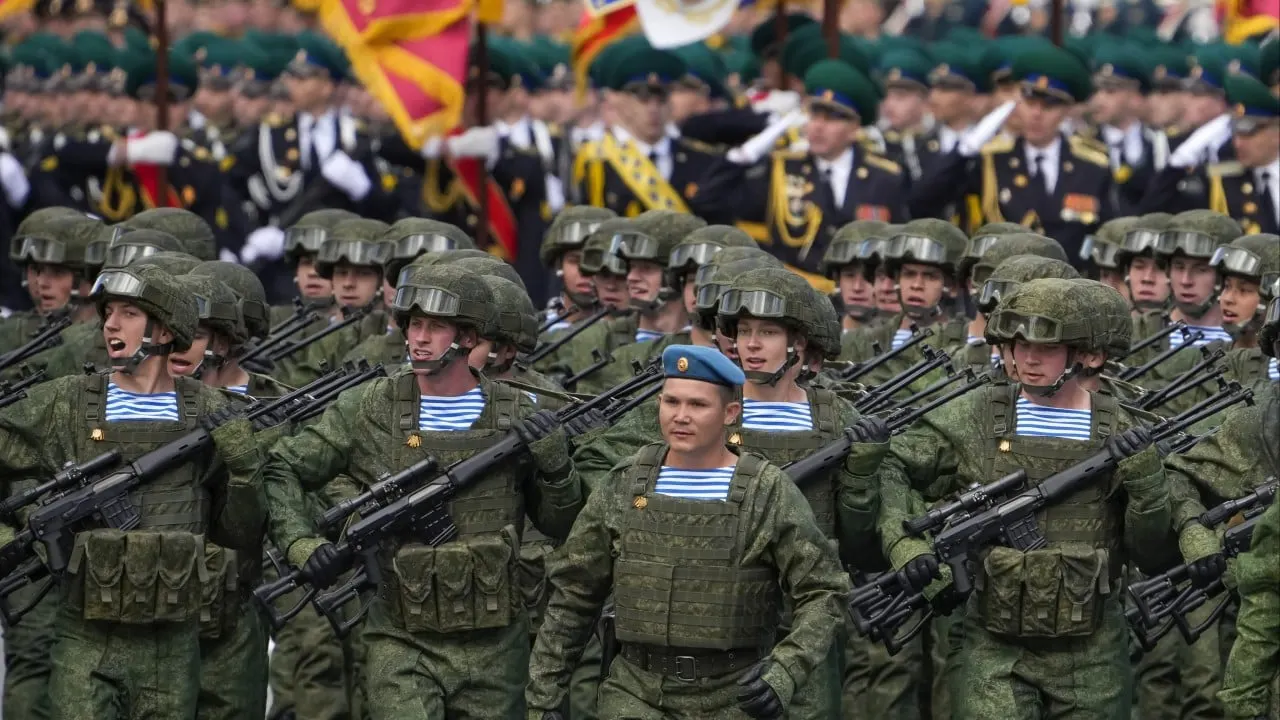
According to multiple outlets that reviewed the decree text, President Vladimir Putin on September 28 fixed the permitted size of Russia's military at 2,441,630 total personnel, with 1,550,500 of those in active service, marking the fourth time this year he has ordered such an increase.2345
The decree
The decree, released Sunday, reads: "The authorised personnel strength of the Russian armed forces is to be set at 2,441,630 units, including 1,550,500 military personnel." That figure adds 15,500 to the previous cap of 2,426,130, which had taken effect August 1 under a decree issued in late July that itself replaced an earlier order from June 12.462
According to Meduza, the total authorised strength has grown by 52,500 positions across four increases since Putin last raised troop numbers only three times during the first four years of the full-scale invasion. Russia's military has expanded by 49,860 personnel since March 2026, when the ceiling stood at 2,391,770, according to the Kyiv Post. The decree itself did not state a reason for the increase, the South China Morning Post reported.324
Under the decree, the Russian government is required to allocate federal budget appropriations to implement the new personnel ceiling, TASS reported.6
North Korean deployments
Ukrainian President Volodymyr Zelenskyy said more than 8,000 North Korean troops are currently on Russian territory, most of them in the Kursk region, with preparations under way to deploy another 10,000. Per Zelenskyy's account and Reuters reporting, North Korea has dispatched roughly 14,000 to 15,000 soldiers to Russia since 2024.17
Zelenskyy said Russia has broadened how it recruits personnel and is looking to bring in additional foreign citizens: "They increased the number of people who are recruited by different methods. They plan to increase and attract foreigners," he said. The Kyiv Post reported that up to 50,000 additional North Korean troops are planned for deployment, and that Ukraine's I Want to Live project has recorded at least 55 foreign nationals among captured Russian soldiers, with roughly one in ten Russian prisoners of war held by Ukraine reported to be a foreign citizen.2
Statements on Europe
Putin said, according to Ukrainska Pravda, "Russia is aware of violations of Russian speakers' rights in the Baltic states but is not preparing for war in Europe." The Kyiv Post reported that Putin also dismissed Estonia's security concerns as political posturing, while Deputy Security Council Chairman Dmitry Medvedev was reported to have threatened that Lithuania would disappear from the map in connection with a lifting of a nuclear weapons ban. Zelenskyy, however, said he considers it a serious possibility that Russia could launch strikes against European nations.52
The Kyiv Post reported that Polish Prime Minister Donald Tusk warned Russia is preparing combined drone and missile attacks against nations backing Ukraine, Poland among them, while Zelenskyy told the United Nations General Assembly that Russia might strike another European nation using drones, missiles, or ground forces. Lithuania was reported to have announced an evacuation plan for Vilnius, with Žygimantas Solovjovas saying, "One of the evacuation directions from the capital should be Poland."2
Wider war developments
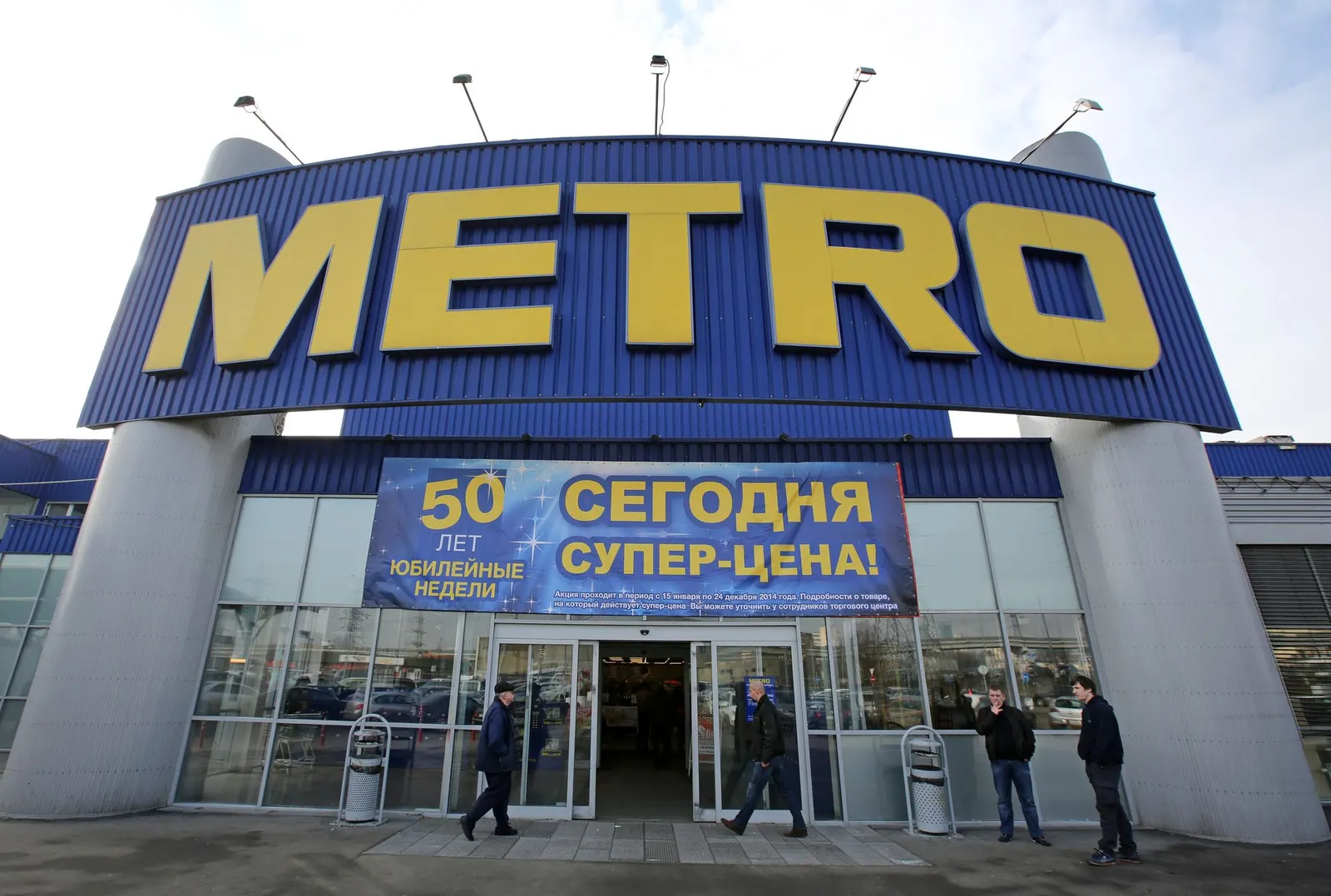
The Guardian reported that General Alexus Grynkewich, NATO's supreme allied commander for Europe, declared Russia's sabotage efforts across Europe are not succeeding, remarking, "State-directed sabotage is growing increasingly brazen," and continuing, "These are clear examples of attempts to instil fear and fracture our unified support to Ukraine. It isn't working." In addition, Putin placed Metro AG's Russian holdings under temporary state administration, and Pope Leo called on Russia and Ukraine to pursue talks, saying it falls to the Church to encourage leaders "to come together, sit down, engage in dialogue."1
The Guardian additionally reported blasts in Kyiv accompanied by missile wreckage and fire damage, quoting Zelenskyy's claim that Russian drone attacks left nine dead and over 80 hurt—a toll not confirmed by other sources in the dossier. Ukraine's prime minister, Sergiy Koretsky, announced the postponement of spending commitments, including reconstruction work, due to delayed foreign aid, saying, "but for now, all resources must be directed toward critical areas."1
Why it matters
The repeated expansion of Russia's authorised troop ceiling, combined with reported North Korean reinforcements, points to a sustained build-up of manpower well into the fifth year of the war. For European governments, warnings from Kyiv, Warsaw and Vilnius about possible attacks or hybrid strikes beyond Ukraine's borders add pressure to assess whether Russia's military growth extends into a broader regional threat.21
Related stories
same actors
same actors
same actors
Version history
- version 1 ·