WHO warns Gaza respiratory infections will rise further as winter flooding hits shelters
Respiratory infections in Gaza are running above last year’s levels, with winter conditions expected to increase transmission. Floodwaters have reached tens of thousands of shelters where displaced Palestinians are living.
WHO warns that winter conditions will worsen rising respiratory infections in Gaza, where flooding has affected displaced Palestinians’ shelters.
- Acute respiratory infections are 33,000 cases above the same point last year.
- Respiratory infections account for 11% of consultations.
- Nearly one million displaced people live in flood-exposed areas.
- WHO reports difficulty bringing in laboratory supplies.
What's new
- WHO reports 33,000 more acute respiratory infections than at the same point last year.
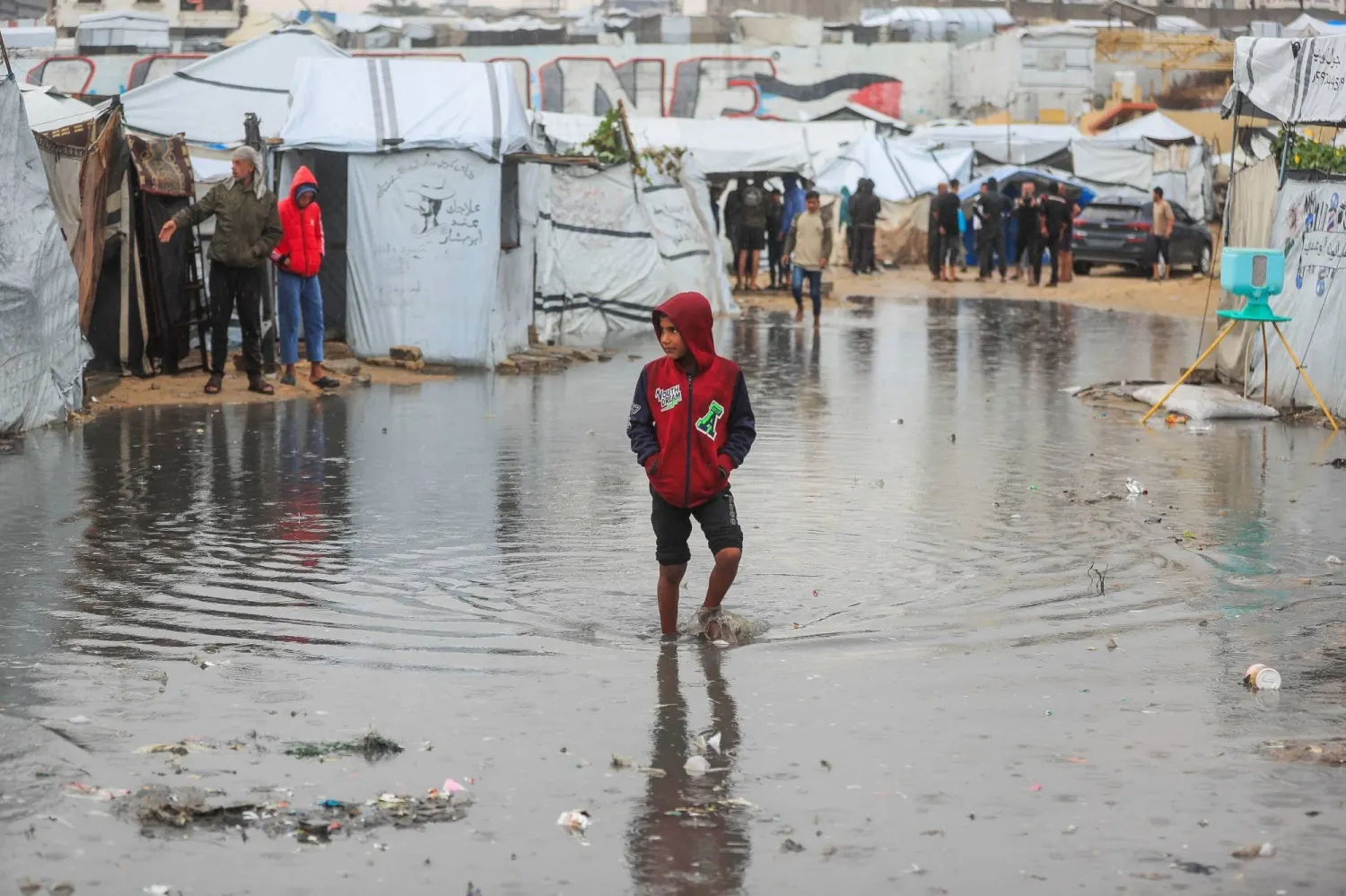
- Heavy rain has flooded tens of thousands of tents sheltering displaced Palestinians.
- The agency is seeking entry for laboratory supplies needed to diagnose patients.
The World Health Organization warned in reports published on November 13 that respiratory infections in Gaza were rising as heavy rain flooded tents sheltering displaced Palestinians, with colder weather and overcrowding expected to worsen the situation through winter.1
Infections and crowded shelters
Acute respiratory infections are 33,000 cases above the level recorded at the same point last year, according to WHO. Respiratory infections make up 11% of all consultations. The agency identifies poor living conditions and severe overcrowding as factors behind the increase.123
Reinhilde Van De Weerdt, WHO’s representative in the Occupied Palestinian Territory, warned that the combination of cold weather, flooding, crowded shelters and inadequate ventilation would increase respiratory infections. The warning concerns conditions already affecting displaced people as well as the further pressures expected during winter.123
The reports also describe the Israeli military extending its control by moving the yellow line, the boundary established under the US-brokered ceasefire in October. That expansion has added to overcrowding in Gaza. Van De Weerdt linked increasingly crowded living conditions to greater opportunities for viruses to pass between people.123
Flood exposure
Nearly one million displaced people are living in parts of Gaza exposed to flooding. Of those, 400,000 are in locations assessed as facing extremely high risk. Heavy rainfall has already inundated tens of thousands of tents used to house displaced Palestinians.123
The health risks extend beyond exposure to cold and rain. Flooding increases the danger of water contamination, while pools of standing water create additional breeding sites for mosquitoes and other pests. Damp conditions also favour mould and bacteria associated with respiratory infections, particularly among young children.123
COGAT, the Israeli military agency responsible for coordinating aid, said it had intensified work to improve sanitary conditions before the heavy rainfall. WHO nevertheless warned that winter conditions would compound the respiratory illness risks already associated with overcrowded shelters and poor ventilation.123
Diagnostic supplies
Most medicines are reaching Gaza, according to WHO, but the agency is encountering difficulties bringing in laboratory supplies. Those supplies are needed to establish patients’ diagnoses before treatment. WHO has requested that laboratory equipment be admitted to help prevent outbreaks.123
The agency’s warning therefore encompasses both the conditions that encourage infections and the difficulty of obtaining equipment needed to identify them. Van De Weerdt said the rainfall had exposed the risks of the months ahead before winter had fully arrived.123
Why it matters
For European readers following Gaza, the warning highlights the health conditions facing displaced people alongside developments in military control and aid access. WHO says most medicines are entering, but difficulties obtaining diagnostic supplies remain as flooding and overcrowding increase illness risks.123
Videos
Related stories
same place

Version history
- version 1 ·