Culture · United Kingdom
Russell Brand trial opens in London over sexual offence allegations
Prosecutors allege offences against six women over a decade. Brand denies all seven charges and has pleaded not guilty.
Russell Brand’s London trial has opened over alleged sexual offences against six women. He denies all seven charges.
- Prosecutors opened their case on 14 October.
- The Guardian dates the allegations from 1999 to 2009.
- The first complainant described an alleged rape at a Bournemouth hotel.
- Brand denies ever engaging in nonconsensual sexual activity.
What's new
- Prosecutors opened their case before jurors on 14 October.
- Brand’s former flatmate gave evidence about the earliest allegation.
- In evidence reported on 15 October, the first complainant described an alleged hotel rape.
Russell Brand’s trial began at Southwark crown court in London on 14 October, with prosecutors alleging that the comedian committed sexual offences against six women over a decade. He contests all seven counts: three of rape, three of sexual assault and one of indecent assault.12
Prosecution opens its case
Prosecutor Riel Karmy-Jones KC presented the allegations to jurors, describing Brand as someone who used calculation and manipulation to commit sexual offences. That characterisation forms part of the prosecution’s case. According to the Guardian, the allegations concern incidents between 1999 and 2009, and Brand has pleaded not guilty to every charge.12
The first alleged incident involves a woman who said she encountered Brand in 1999 at an alternative cabaret show held during the Labour party conference in Bournemouth. According to the Guardian’s account of the case, she said they later went to her hotel room, where she alleges he raped her.1
Evidence about the hotel allegation
In evidence reported on 15 October, the woman said Brand had made her photograph him half naked before the alleged rape. She said the attack lasted as long as 10 minutes and that she was frightened, in pain and struggling to breathe. The Guardian reported that she gave evidence behind a screen and that jurors were shown a recording of her police interview.1
The woman said she had not spoken about the alleged incident for years as Brand became more famous. The Guardian reported that she decided to contact police after watching a 2023 Dispatches programme containing claims of sexual wrongdoing against Brand.1
Mark Pinheiro, Brand’s former flatmate, also gave evidence about the period around the Bournemouth performance. The Guardian reported that Pinheiro described Brand as appearing unsettled the following day and recalled him saying: “I think I may have gone a bit too far.” Defence barrister Ian Winter KC cross-examined Pinheiro.1
Other allegations and Brand’s response
According to the Guardian’s account of the prosecution case, a second woman alleges an indecent assault near the male toilets while she worked at MTV in 2001. A third alleges sexual assault at a Soho bar and oral rape in 2004. Another allegation concerns the sexual assault of a woman working at a radio station that year.1
The Guardian also reported allegations from two women concerning 2009. One alleges that Brand anally raped her at his house after consensual sex. The other, who worked at Channel 4, alleges that he sexually assaulted her by putting his head against her groin.1
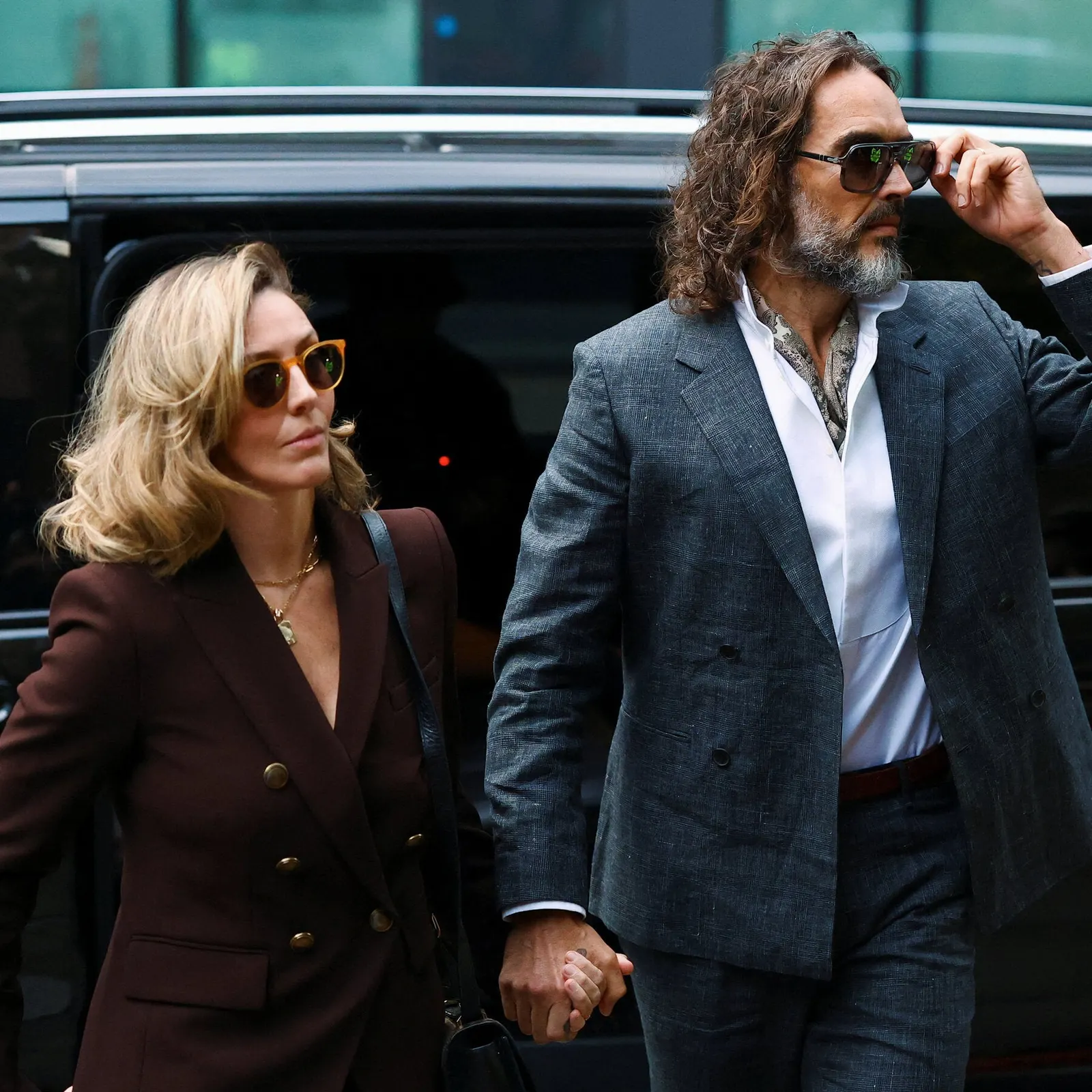
In prepared police statements, Brand denied ever taking part in nonconsensual sexual activity, the Guardian reported. He also suggested that accounts might have been imagined or reconstructed following the documentary. His wife, Laura Gallacher, attended the evidence. The trial was continuing before Mr Justice Bennathan.1
Why it matters
The London proceedings concern seven criminal charges involving six women and allegations spanning 1999 to 2009. For readers following the case in Europe, the distinction between the prosecution’s allegations and established findings remains central: Brand denies the charges, and the trial is continuing.12
Videos
Version history
- version 1 ·