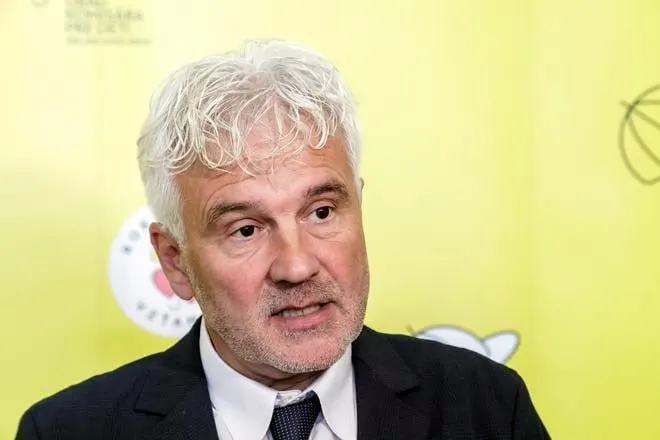
Slovak children’s commissioner calls hot school meals and water a right
Jozef Mikloško linked access to food and drinking water at school to children’s education and development. His office reported gaps after monitoring catering in ten municipalities with marginalised Roma communities.
Slovakia’s children’s commissioner says hot school meals and drinking water are essential to equal education. Monitoring in ten municipalities reportedly found gaps in daily hot-food provision.
- Ten municipalities with marginalised Roma communities were monitored.
- Three reportedly substituted dry packages for daily hot meals.
- More than 90 per cent reportedly rely on school lunch.
- Costs and limited capacity can restrict access.
- Mikloško linked hunger directly to educational participation.
What's new
- The commissioner’s office monitored school catering in ten municipalities.
- Three monitored municipalities reportedly offered dry packages instead of hot meals.
- Mikloško identified costs, lunch breaks and limited capacity as barriers.
Slovakia’s commissioner for children, Jozef Mikloško, said on 4 October 2026 that access to hot food and drinking water in schools was a basic child’s right, after his office monitored school catering in ten municipalities with marginalised Roma communities.12
Monitoring finds gaps in hot meals
The Office of the Commissioner for Children conducted field monitoring of catering arrangements across the ten municipalities. According to the office’s findings, primary schools in three of them did not serve children a hot meal each day and instead provided a dry food package.12
The office also reported that, for more than 90 per cent of children in the monitored locations, school lunch was their only hot and nutritionally complete meal of the day. That figure and the finding concerning the three municipalities were reported through the commissioner’s monitoring and are not independently confirmed in the dossier.12
Mikloško argued that the availability of hot food and drinking water was part of a child’s right to equal conditions in education, rather than simply a question of comfort or the type of food served. He said a child’s ability to exercise the right to education depended directly on not being hungry at school.12
Costs and school organisation
The commissioner identified financial accessibility and the organisation of the school day as problem areas. He said food co-payments or related charges that socially disadvantaged families could not afford could exclude children from school meal arrangements.12
He also linked catering conditions to children’s health and dignity. In his account, lunch breaks that were too short, or failures caused by limited capacity, could prevent pupils from eating calmly and within an appropriate period.12
Mikloško said children’s rights were endangered when a system placed obstacles between them and basic physiological needs. He added that failure by a school or its founder to provide conditions for hot meals and drinking water affected a child’s right to favourable development.12
Describing the consequences of inadequate provision, Mikloško said: "Ak zriaďovateľ alebo škola nedokáže zabezpečiť podmienky na podávanie teplej stravy a pitnej vody, dieťa prichádza o základnú záchrannú sieť". His statement characterised school food and water as a basic safeguard for children.1
Education and basic needs
The commissioner’s position connects school catering with several rights: access to education on equal terms, favourable development, health protection and dignified conditions. Under that view, the issue is not limited to whether food is nominally available, but also includes whether families can afford it and whether pupils have enough time and capacity to eat.12
The monitoring focused on municipalities with marginalised Roma communities. The dossier does not provide an independent verification of the reported percentages or identify the three municipalities where schools were said to substitute dry packages for hot meals.12
Why it matters
The findings concern whether children can participate in education without hunger and whether school systems provide access to basic food and water. For readers in Europe, the case shows how charges, catering capacity and the structure of the school day can affect equal educational conditions for socially disadvantaged children.12
Version history
- version 1 ·