Slovak coalition agrees 2027 budget framework with 4.94% deficit
The government is preparing to approve the proposal on 5 October alongside personnel measures at the Environment Ministry. Finance Minister Ladislav Kamenický said taxes and social contributions would not rise.
Slovakia’s coalition agreed on a 2027 budget framework with a 4.94% deficit. Government approval and Environment Ministry personnel measures are planned for 5 October.
- The proposed 2027 deficit is 4.94% of GDP.
- Government consideration is planned for 5 October 2026.
- Kamenický says taxes and contributions will not rise.
- Transaction tax abolition is planned for 2028.
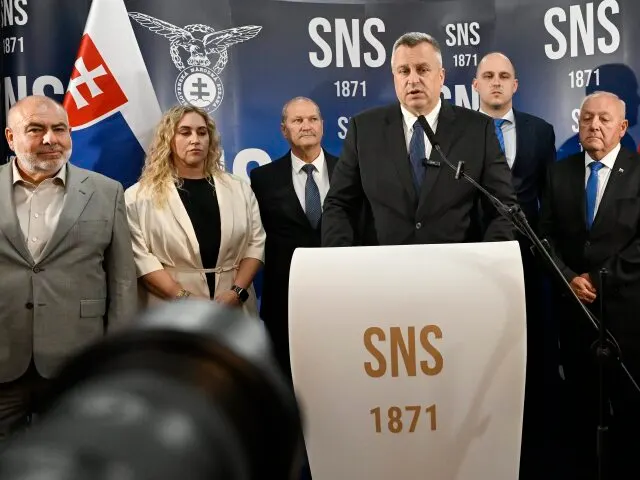
- Filip Kuffa is SNS’s sole ministry candidate.

What's new
- Coalition leaders agreed a 2027 deficit of 4.94% of GDP. [s3]
- The government is prepared to approve the proposal on 5 October. [s1, s2]
- Environment Ministry personnel measures are also due for consideration. [s1]
- Reports differ on the precise timing of the transaction tax’s abolition. [s2, s3]
Slovakia’s coalition council agreed on 2 October to a framework for the 2027 state budget setting the deficit at 4.94% of gross domestic product, with the government prepared to approve the proposal in Bratislava on 5 October 2026 alongside personnel measures at the Environment Ministry.123
Budget terms
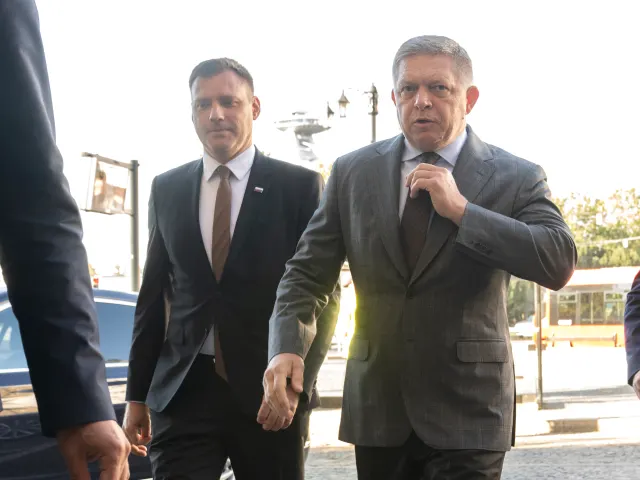
Finance Minister Ladislav Kamenický announced the agreement after coalition negotiations at the Government Office, according to STVR. Hospodárske noviny reported that the government intends to reduce the overall deficit by about 1.5 percentage points compared with the previous one. Kamenický also said the plan complies with the European Commission’s fiscal requirements, although those assertions were not independently confirmed by the other reports in the dossier.23
Kamenický said the government would not raise taxes or social contributions and had retained existing social standards, including the 13th pension. Hospodárske noviny reported that the proposal contains money for energy assistance, wage indexation, transport projects and aid related to drought. These details were reported by that outlet alone and remain subject to the government’s approval of the budget proposal.2
The spending pressures include an additional €650 million for pensions and €520 million for healthcare, according to Hospodárske noviny. The same report said tax collection had improved under the latest forecasts and that Morningstar DBRS had maintained Slovakia’s rating. It also cited discussions about reducing value-added-tax evasion and tightening gambling regulation.2
Hlas-SD member of parliament Samuel Migaľ said action concerning illegal gambling could bring as much as €400 million into the budget. That estimate was reported by Hospodárske noviny and was not corroborated by the other sources. Migaľ also said Radomír Šalitroš would remain a state secretary.2
The sources agree that the coalition envisages abolishing the transaction tax in 2028, but the dossier records a disagreement over the precise formulation. Hospodárske noviny reported an effective date of 1 January 2028, while STVR described the tax as due to be abolished from 2028.23
Environment Ministry leadership
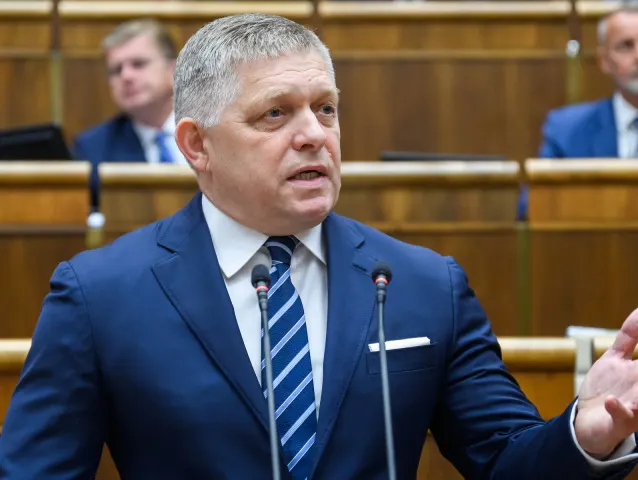
The coalition council also acknowledged that the government was ready to approve necessary personnel measures at the Environment Ministry on 5 October, according to TASR. The ministry is temporarily led by Prime Minister Robert Fico after President Peter Pellegrini dismissed Tomáš Taraba following a parliamentary vote of no confidence, TASR reported.1
According to TASR, the opposition and SNS secured the no-confidence vote after a dispute between SNS and its nominee Taraba that had continued for several months. Fico had submitted and later withdrawn a proposal to dismiss Taraba in September; SNS said the withdrawal breached the coalition agreement. Fico subsequently said he was ready to resolve the ministry’s leadership with SNS.1
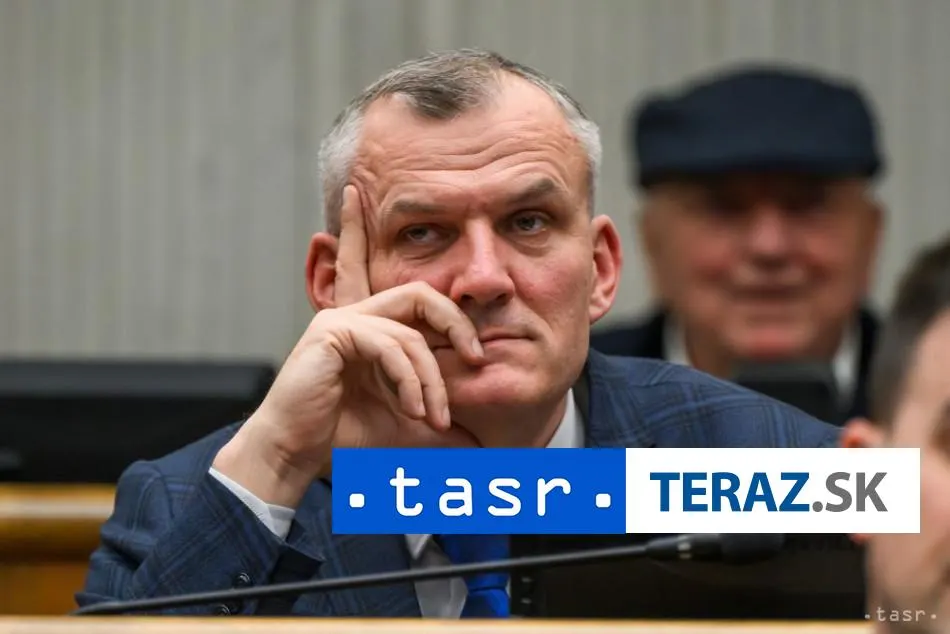
Filip Kuffa, a state secretary affiliated with SNS, has confirmed that he is the party’s sole candidate to lead the ministry. Fico was due to discuss the staffing question with SNS chairman Andrej Danko, according to TASR. No final appointment was reported in the dossier.1
Why it matters
The framework sets Slovakia’s planned deficit while addressing rising pension and healthcare costs, according to Hospodárske noviny. For readers across Europe, the proposal is also relevant because Kamenický says it satisfies European Commission rules without increasing taxes or social contributions, claims reported by one source and not yet independently confirmed here.2
Related stories
Version history
- version 1 ·