Slovakia confirms two bluetongue cases in cattle
Laboratory tests identified BTV-3 at two holdings, while affected cattle showed no clinical signs. Movement controls apply to the farms, and voluntary vaccination is available.
Slovakia reported its first two laboratory-confirmed bluetongue cases in cattle. Both farms face movement controls, but voluntary vaccination can permit domestic transfers.
- Cases were found in Čadca and Žarnovica districts.
- The cattle showed no clinical symptoms.
- Tests identified the BTV-3 strain.
- Affected animals need not be culled.
- Export rules depend on the receiving country.
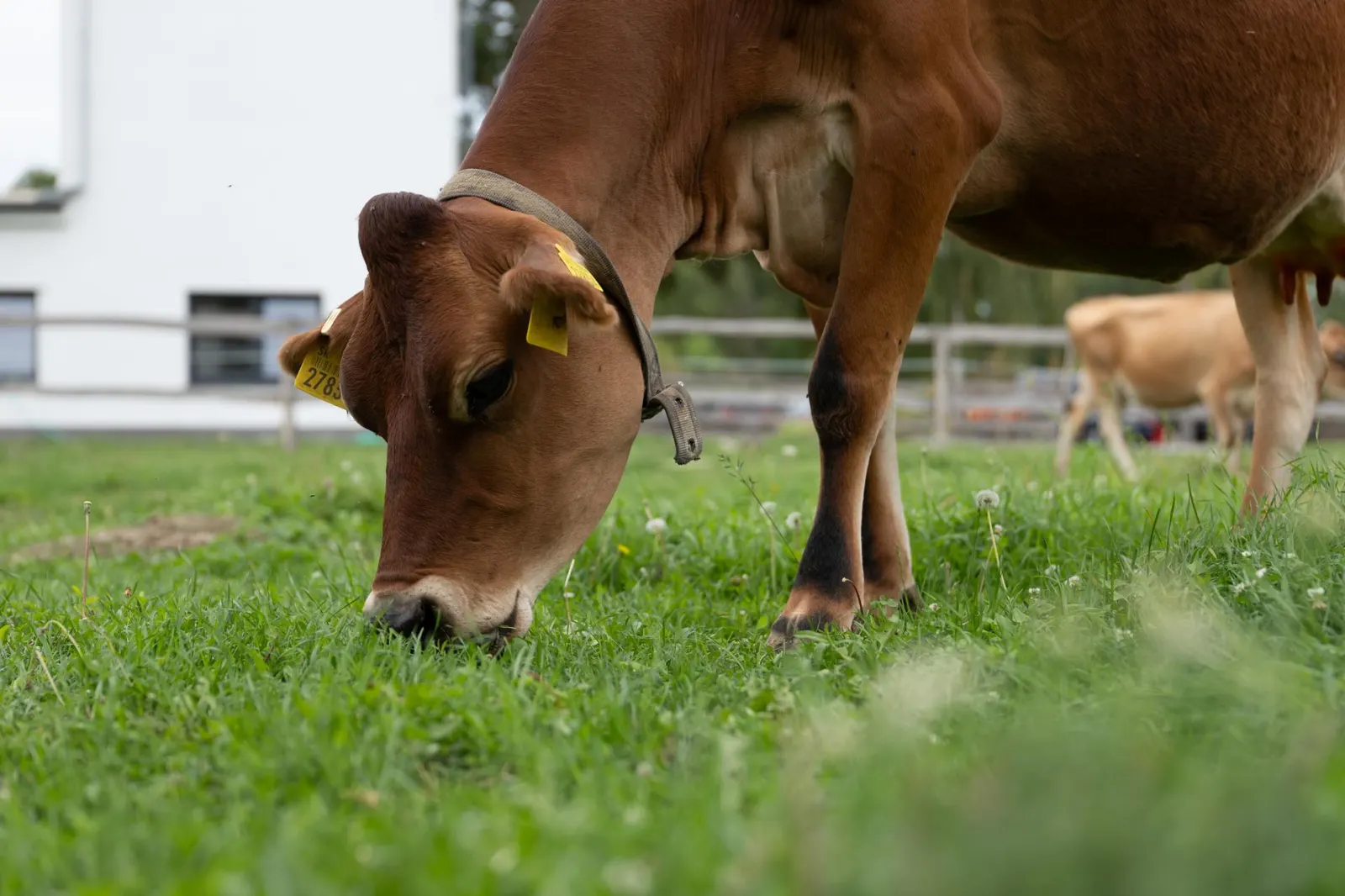
What's new
- Two cattle cases were confirmed in the Čadca and Žarnovica districts.
- Laboratory testing identified the circulating strain as BTV-3.
- Affected holdings cannot move animals to other farms unless they are vaccinated.
- European Union authorities and veterinary groups have been informed.
Slovakia’s State Veterinary and Food Administration announced on October 5 that bluetongue had been confirmed in cattle at two holdings, one in the Čadca district and the other in the Žarnovica district. The infections were identified by laboratory testing during the preceding week, and the animals showed no clinical signs.1234
Controls at the affected holdings
The veterinary authority imposed measures intended to limit transmission at both holdings. Animals there may not be transferred to other farms, although they do not have to be culled and may be taken to slaughterhouses when necessary. Vaccinated animals can subsequently be moved to other holdings within Slovakia.1245
The restrictions applying to the two affected farms do not amount to a general ban on domestic livestock movements. For exports, animals must be tested, vaccinated or both, depending on the requirements imposed by the receiving country.1245
Chief veterinary officer Martin Chudý said vaccination was available and recommended but remained voluntary. Farmers must pay the cost themselves. Chudý described the situation as controlled, and no other outbreaks in Slovakia had been reported when the cases were announced.1245
A strain already circulating nearby
Tests identified the virus as BTV-3, a serotype reported as circulating in neighbouring countries. The available reports describe Slovakia as one of the last European countries where bluetongue had not previously been detected and say the disease is now present across Europe or in multiple parts of the continent.1245
Bluetongue is carried by small biting midges rather than spreading directly between animals, according to Žilinak.sk. TA3 reported that the disease can affect sheep and other ruminants, while cattle generally do not show clinical signs. In symptomatic disease, TA3 said, possible effects include fever, inflammation and swelling around the mouth, nostrils, eyelids and ears, as well as lesions affecting the mouth or hooves.67
The State Veterinary and Food Administration said it had expected the arrival of the infection and was prepared for it. Regional veterinary authorities, private veterinarians and livestock associations were notified, while the European Commission and European Union member states were also informed of the confirmed cases.1245
Surveillance and vaccination
The absence of visible illness meant confirmation depended on laboratory examinations. Reports said confirmatory testing at the Veterinary Institute established what several outlets described as Slovakia’s first two confirmed bluetongue cases.1234
The cases leave farmers with different rules depending on the destination of their animals. Within Slovakia, general movement restrictions are not in force, but the two affected holdings face specific controls. International shipments remain subject to the testing and vaccination conditions of the destination country.1245
Why it matters
The BTV-3 strain is already circulating in countries around Slovakia, placing the cases within a wider European pattern. The outbreak also matters for livestock trade because destination countries can require testing, vaccination or both before exported animals are admitted.1245
Related stories



Version history
- version 1 ·