Slovak Parliament Debates Youth Radicalization Law Amid Political Clash Over Fatal School Attack
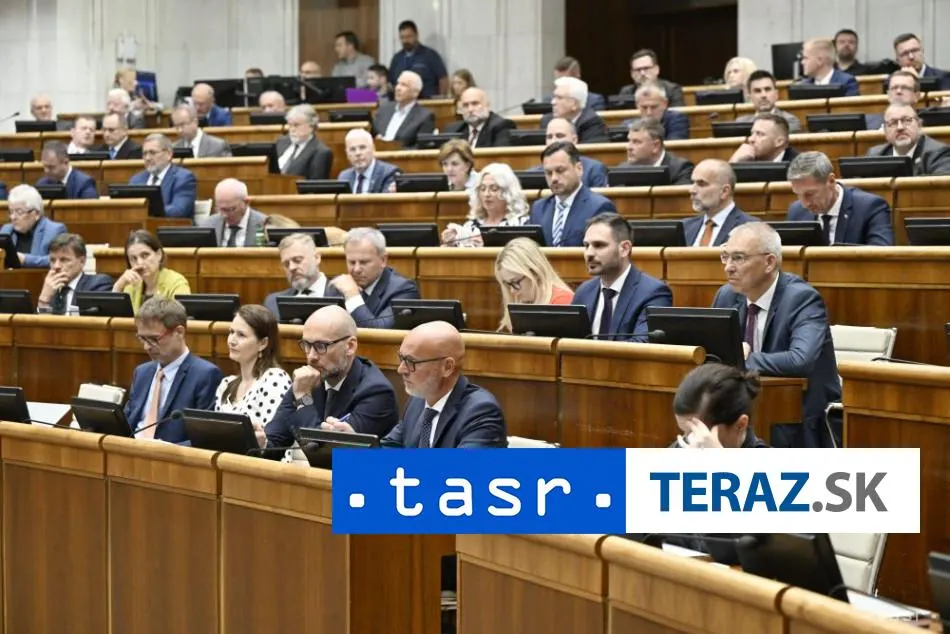
Lawmakers debated a bill combining social media limits for children with a radicalization risk-assessment system, as opposition accused the government of exploiting a fatal knife attack at a school in Staškov for political gain.
Slovakia's parliament began debating a youth-protection and anti-radicalization bill after a knife attack killed a teacher at a school in Staškov, prompting political clashes over the bill's scope and motives.
- Knife attack at Staškov school killed a 61-year-old teacher
- Attacker's age disputed: reported as 12 or a teenage eighth-grader
- Bill combines social media limits for under-16s with risk-assessment system
- Šimečka accuses government of exploiting tragedy to delay Taraba vote
- SNS blocked same-day debate, delaying it to Wednesday
What's new
- PS leader Michal Šimečka accused the government of exploiting the Staškov tragedy to delay a no-confidence vote against minister Taraba
- Prime Minister Fico and President Pelligrini publicly reacted to the attack, with Pelligrini blaming social media and political rhetoric
- Sources disagree on the attacker's age, describing him as either 12 years old or a teenage eighth-grader
- Police opened a criminal investigation for aggravated murder following the fatal attack
Slovakia's parliament began debating a government bill on youth protection against radicalization on September 30, 2026, a day after a pupil attacked teachers and students with a knife at an elementary school in Staškov, killing a 61-year-old teacher and wounding another teacher and a child; opposition leader Michal Šimečka has accused the government of exploiting the tragedy for political ends, according to the dossier's sources.3421
Attack prompts fast-track procedure
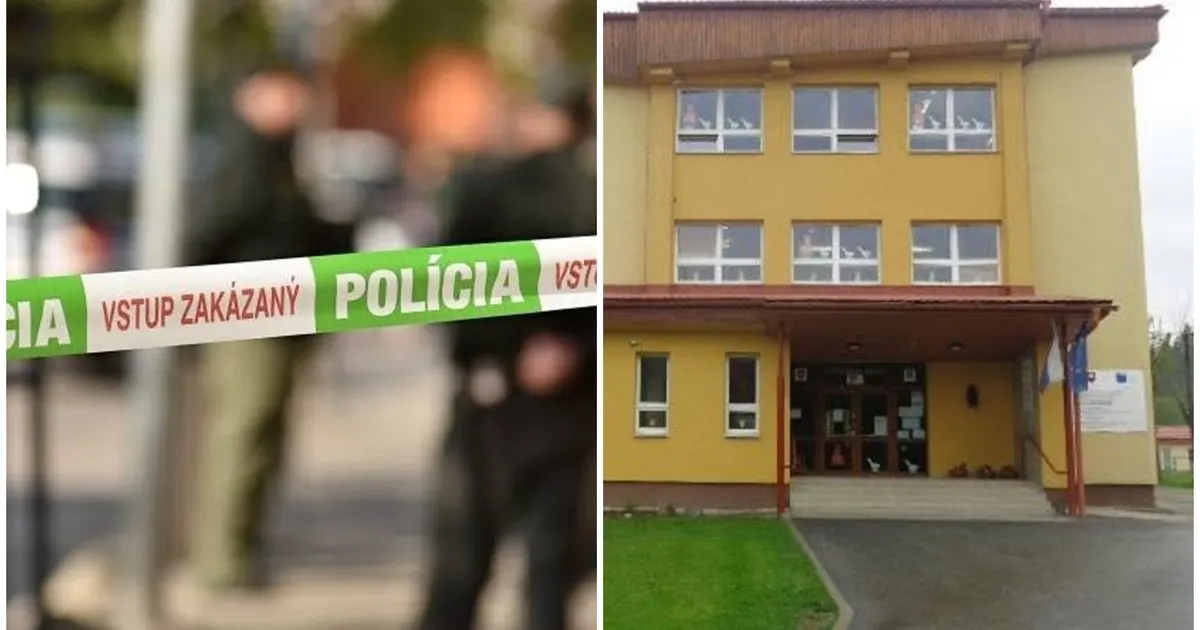
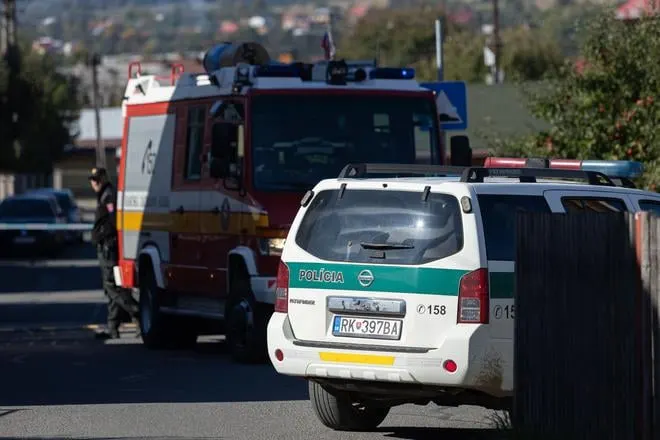
On September 29, a pupil attacked teachers and students with a knife at Základná škola v Staškove, an elementary school in Staškov, northwestern Slovakia, shortly after the first lesson, according to STVR, Bratislavak.sk, Euronews and TASR. The attack killed a 61-year-old teacher and left a 44-year-old teacher with a stab wound to the chest; a child was also injured and, per one account, was in critical condition. Police opened a criminal investigation for aggravated murder, and the school principal was praised for following protocol and limiting the scale of the tragedy. Sources disagree on the attacker's age: Bratislavak.sk reported a 12-year-old student not criminally responsible for his actions, while Euronews described a teenage pupil in eighth grade and STVR referred to a 13-year-old — a discrepancy unresolved in the dossier.2431
The government had approved the youth protection law on August 26 through the regular legislative process, including inter-ministerial review, according to SITA. Following the Staškov attack, the cabinet moved on September 30 to invoke an expedited legislative procedure, a step the government said concerns only parliamentary timelines and does not restrict expert discussion of the bill's content.512
What the bill proposes
The law, presented in parliament by Education Minister Tomáš Drucker, combines two measures: a coordinated risk-assessment mechanism for radicalization and violence mobilization, and restrictions on social media use by children under 16. Currently, schools, families, social and health services and police assess warning signs separately, without a unified mechanism, according to STVR.321
Under the proposal, a protected mode would apply by default for users aged 16 to 18. The measure is described as based on European Union legislation and as having been consulted with other EU member states. Interior Minister Matúš Šutaj Eštok argued that platforms bearing on the daily lives of vulnerable children cannot be treated as an unregulated market: "platforms can't simply pretend that this is just some free economic market," he said, adding that "if they treat children like an adult user, we must set very clear rules."1
Drucker said the government could not guarantee the law would prevent every future tragedy, but that it would significantly raise the chance of averting similar incidents. He also said the provisions would not apply to private communication such as email or simple chat groups between individuals.31
Coalition disagreement over scope
Progresívne Slovensko proposed removing the social media provisions from the bill, arguing the two topics should not be combined. PS parliamentarian Tina Gažovičová said only EU-level action is strong enough to impose meaningful measures on large platforms such as Meta, and called the proposed under-16 restriction toothless and impractical, a characterisation not confirmed by other sources.2
Gažovičová said, "Nie je absolútny žiaden dôvod, aby sme práve aj tak bezzubý a neuplatniteľný zákaz sociálnych sietí riešili v skrátenom legislatívnom konaní," and separately accused Hlas-SD of trying to use the bill in political conflict the previous day, a claim not corroborated elsewhere in the dossier.2
On September 29, Hlas lawmaker Paula Puškárová put forward a motion seeking an earlier vote on the radicalization bill, but it failed to pass. SNS abstained from that vote, according to Denník N, because it prioritized a separate motion to recall minister Taraba. On September 30, Hlas-SD moved for same-day debate of the bill, but SNS faction leader Roman Michelko announced his party's opposition, citing other priorities; parliament voted down the motion and rescheduled the debate to Wednesday morning.41
KDH had already submitted its own legislative proposal on the same subject. The ministry overseeing investment, regional development and informatization noted it had spent over six months drafting its own child-protection measure and voiced surprise that another proposal was being pursued at the same time, saying: "Not once did they indicate that they were simultaneously preparing their own legislative proposal," and "Slovakia does not need several laws pursuing the same objective and competing for attention."1
Political reaction and unresolved questions
Prime Minister Robert Fico said he was following the incident with concern and expressed condolences, saying he was "personally... deeply saddened" by the attack. According to Euronews, President Peter Pelligrini expressed shock over another instance of a student attacking teachers and a fellow pupil, pointing to social media and certain politicians as sources of the aggression shaping children's conduct, and called on citizens to help ease tensions instead of fueling further radicalization.4
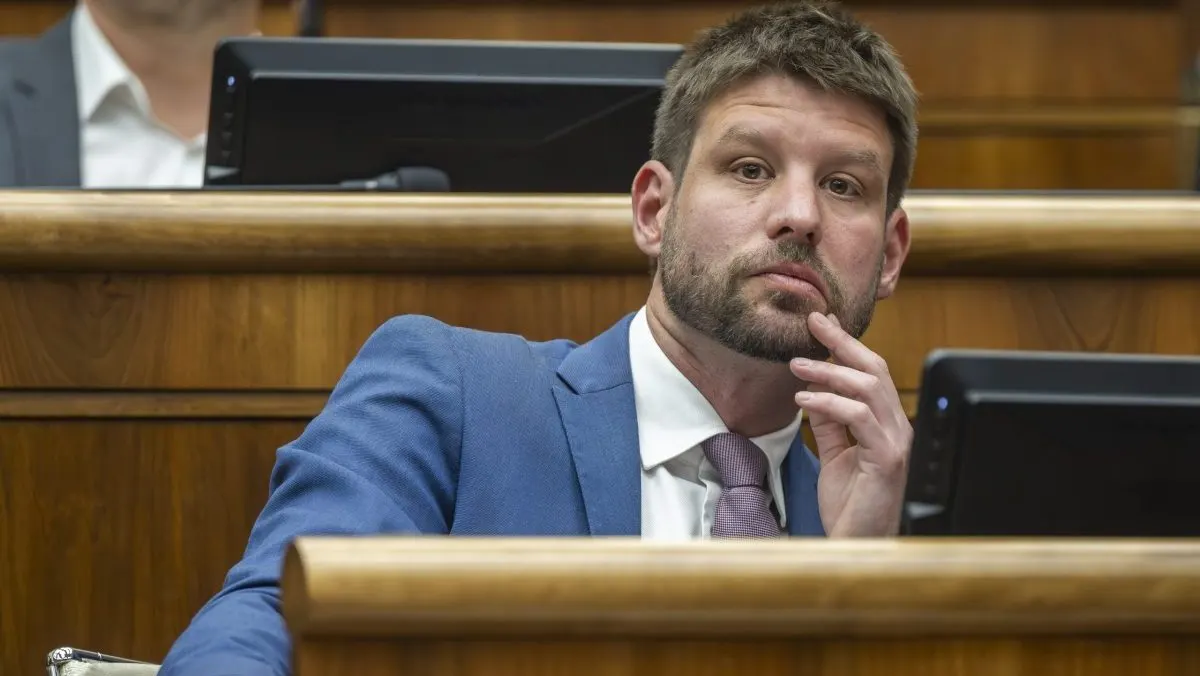
Progresívne Slovensko leader Michal Šimečka accused the government of a "transparent and humanly pathetic" exploitation of the Staškov tragedy, according to Pravda. He said the government had for years ignored violence in society and schools while its own rhetoric and actions increased aggression, and claimed the push to fast-track the bill was meant to delay a no-confidence vote against minister Tomáš Taraba and a possible collapse of the government — an allegation not corroborated elsewhere in the dossier.5
Ján Grossmann, president of the Slovak Chamber of Psychologists, urged caution against spreading unverified theories about the attack's causes, saying it was important to wait for information about the direct causes and to express calm and solidarity with those affected, according to TASR.3
Why it matters
The bill touches on a question relevant across Europe: how far national governments can go in regulating children's access to global social media platforms, and how to coordinate school, health and police systems to spot warning signs of radicalization. The dispute over combining child-safety and platform-regulation measures in one fast-tracked law illustrates the tension between rapid legislative response to violence and calls for EU-level coordination on platforms such as Meta.2
Related stories
consequence
same place
Version history
- version 2 · Added extensive new reporting on the Staškov attack's toll and investigation, political reactions from Fico, Pelligrini and Šimečka (who accused the government of exploiting the tragedy), and a dispute over the attacker's age.
- version 1 ·