Slovak Schoolgirl Dies of Injuries From School Knife Attack, Becoming Second Victim
A 13-year-old girl, identified by officials as Nela, died of her wounds on Thursday from Tuesday's knife attack at a primary school in Staškove, Slovakia, becoming the attack's second fatality after a teacher, as students returned to class with psychologists, a local officer was charged over an unheeded warning, and ministers debated lowering Slovakia's age of criminal responsibility.
A Slovak schoolgirl, named Nela, died from injuries in a fatal school knife attack, prompting an officer's indictment and a national debate over lowering the age of criminal responsibility.
- Schoolgirl, named Nela, dies Thursday from knife attack injuries
- Local police officer charged with dereliction of duty over unheeded warning
- Students returned to school with psychologists within 48 hours
- Ministers debate lowering Slovakia's age of criminal responsibility
- 13-year-old suspect too young to be charged, held in detention facility
What's new
- According to Denník N, students returned to the primary school in Staškove accompanied by psychologists within 48 hours of the attack
- Prosecutors have filed dereliction-of-duty charges against a local police officer who did not respond to the school's earlier warning
- Officials, including the general prosecutor and education minister, publicly named the 13-year-old victim as Nela
- Interior Minister Matúš Šutaj Eštok is discussing with the justice and education ministers whether to lower Slovakia's age of criminal responsibility
- Schoolgirl injured in the attack died Thursday, becoming the attack's second fatality after the teacher
A 13-year-old girl, publicly identified by officials as Nela, who was injured in Tuesday's knife attack at a primary school in Staškove, Slovakia, died of her wounds on Thursday, becoming the attack's second fatality after a 61-year-old teacher; parliament speaker Richard Raši announced her death as lawmakers held a minute of silence, while students returned to the school with psychologists and a local police officer was charged over the unheeded warning.1246
The attack
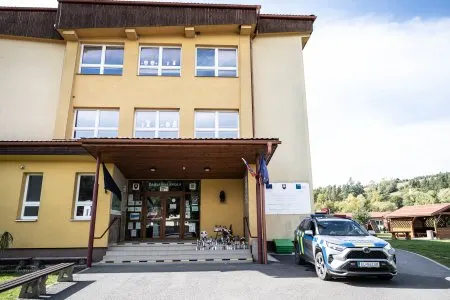
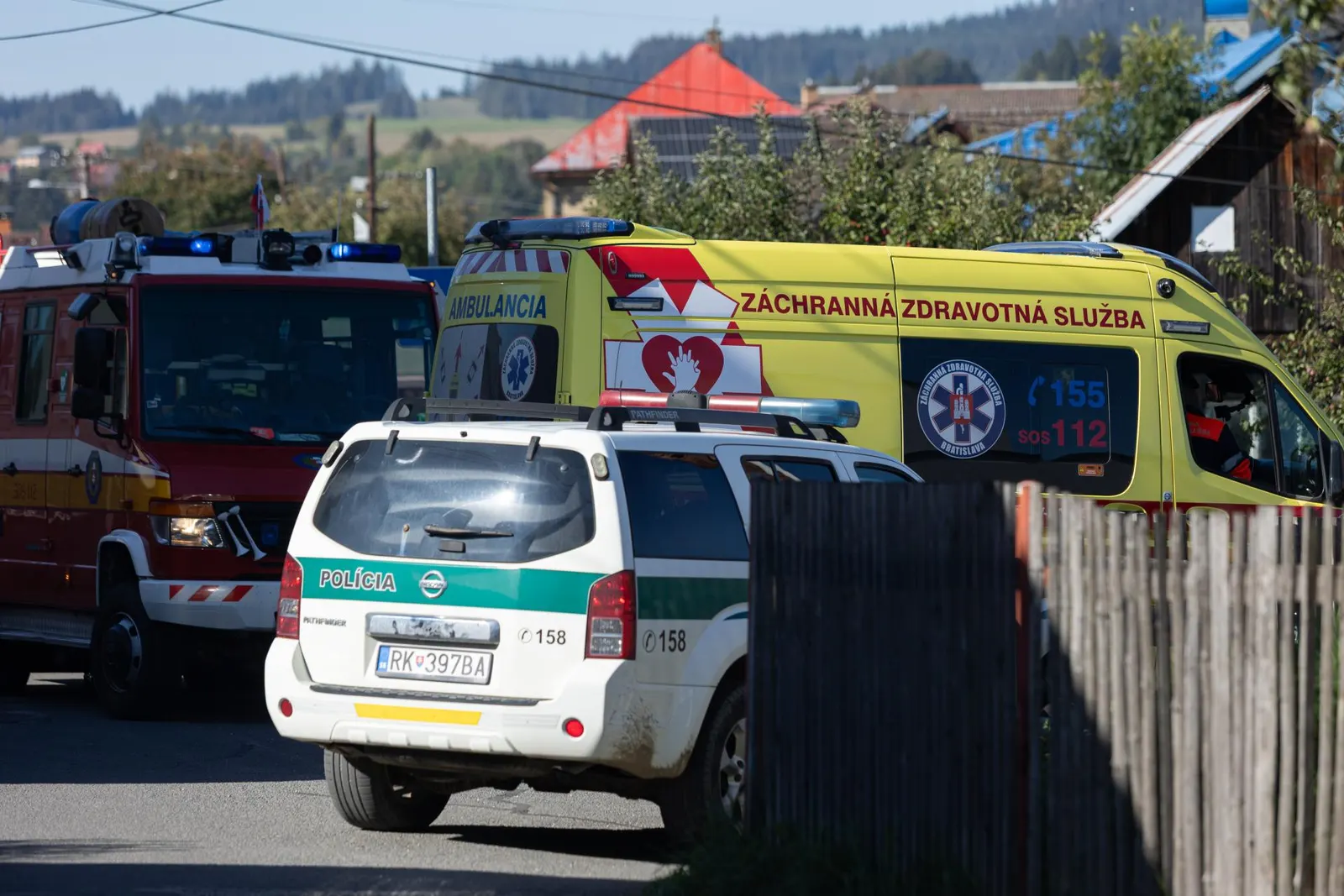
The attack took place at a primary school in Staškove, in the Čadca district, on Tuesday morning. A 61-year-old teacher died and several people were injured, including a 44-year-old pedagogue who suffered a chest stab wound and was airlifted to hospital in Žilina, where she was later confirmed to be out of danger. The injured schoolgirl was airlifted to hospital in Martin.15
Health Minister Kamil Šaško told a government meeting the day after the attack that the girl's condition remained extremely serious and that she was receiving every available therapeutic treatment, with dozens of hospital staff working around the clock. Despite this care, she died of her injuries on Thursday, October 1, parliament speaker Richard Raši announced, making her the attack's second fatality after the teacher.1269
Suspect and investigation
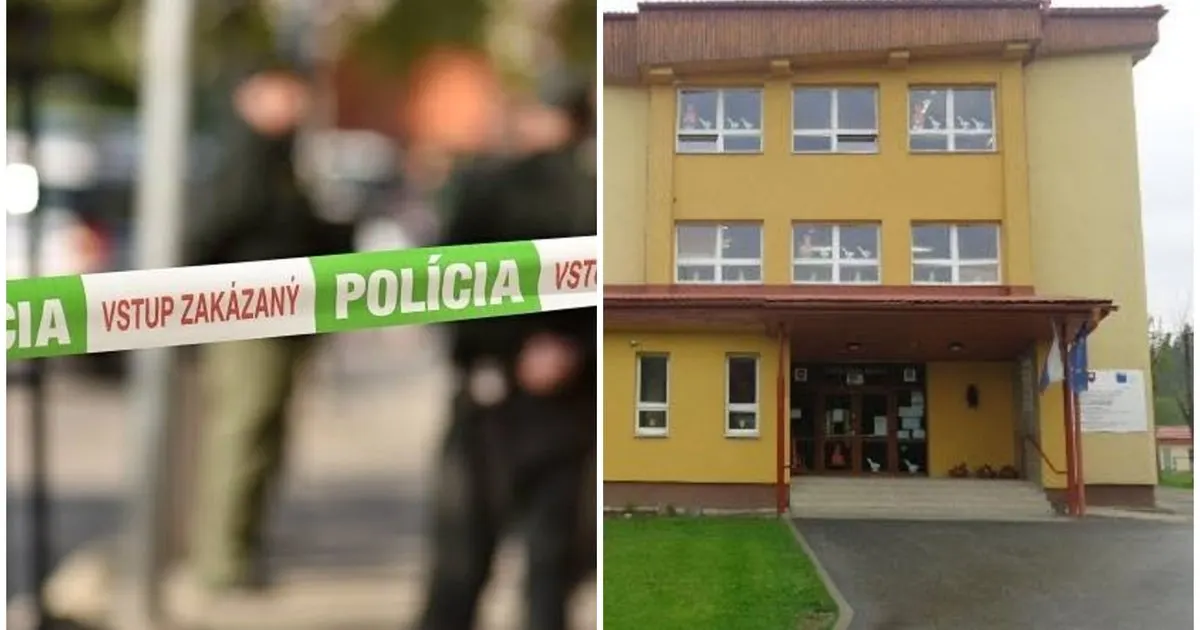
The suspected attacker, a 13-year-old student, has been placed in a psychological detention facility, Interior Minister Matúš Šutaj Eštok said. The Office Against Organized Crime, under the Police Presidium, has taken over the case, which has been opened as a criminal investigation for aggravated premeditated murder.1
Police carried out a several-hour detailed examination of the crime scene. "The examination focused on thorough documentation of the location and securing traces needed to clarify the course of events," police said. Investigators also interviewed multiple witnesses and searched the suspect's home, where items were seized. "Items were seized during the home search, which will be further examined and evaluated regarding their significance for the investigation," police said.1
Scrutiny of police response
According to STVR, the school had filed a criminal report with police five days before the attack, relating to an incident that had occurred at the school the previous week. Šutaj Eštok said an inspection into police procedures is under way. "Investigation continues, as does police inspection proceedings regarding police procedures at Turzovka station," he said.1
Topky.sk/TASR, citing the Police Inspection Office, reported that a local officer had received information about the attacker's problematic behaviour but did not assess it as serious enough to warrant intervention. Police Inspection Office spokesperson Andrea Dobiášová said the report was received on Thursday, September 24. "The inspection office opened its formal review the previous day, and it is looking into how officers handled matters once they received the school's criminal complaint on the 24th, 9. 2026 zo ZŠ v Staškove," she said. The officer has since been charged with the crime of neglecting duty as a public official, according to Around Prague.413
Topky.sk/TASR also reported that the school had been addressing a problem in the days before the attack and that experts had visited the school the day before. Education Minister Tomáš Drucker said: "škola už pár dní pred činom riešila istý problém a na škole boli dokonca len deň predtým odboníci." Šutaj Eštok said the matter would also be discussed with the education and justice ministers, adding: "We discussed this with the education minister, of course, it is also for discussion with the justice minister."41
According to Aktuality.sk, the school had identified problems involving the 13-year-old student on Friday, days before the attack, and responded immediately; a crisis intervention team from a counselling centre met with the student's entire class on Monday, the day before the attack. STVR separately reported that the school's video surveillance system was not operational during the attack because of a scheduled power outage.21
Principal's intervention
According to Pravda, the school principal locked herself in her office with the 13-year-old attacker and spoke to him to calm him down, an action credited with preventing the attack from becoming even more deadly. Interior Minister Matúš Šutaj Eštok said she "acted exactly according to security manuals, which prevented the damage and loss of life from being even greater."2
Security analyst Radovan Bránik said the principal "found a way to attract the distressed boy's attention and bring him to relative calm." Police arrived at the scene shortly afterward and detained the student without further incident.2
Legal status of the 13-year-old suspect
Because the suspect is 13 years old, he is below Slovakia's age of criminal responsibility and cannot be formally charged with a crime or sent to investigative detention, according to Aktuality.sk. He has instead been placed in a psychological detention facility, Šutaj Eštok said: "Aktuálne je podľa ministra vnútra Matúša Šutaja Eštoka umiestnený v psychologickom detenčnom ústave."3
A prosecutor may still file a motion with the court for urgent measures under civil non-contentious procedure to determine the minor's placement in an appropriate care or treatment facility, according to Aktuality.sk.3
The schoolgirl's death and national reaction
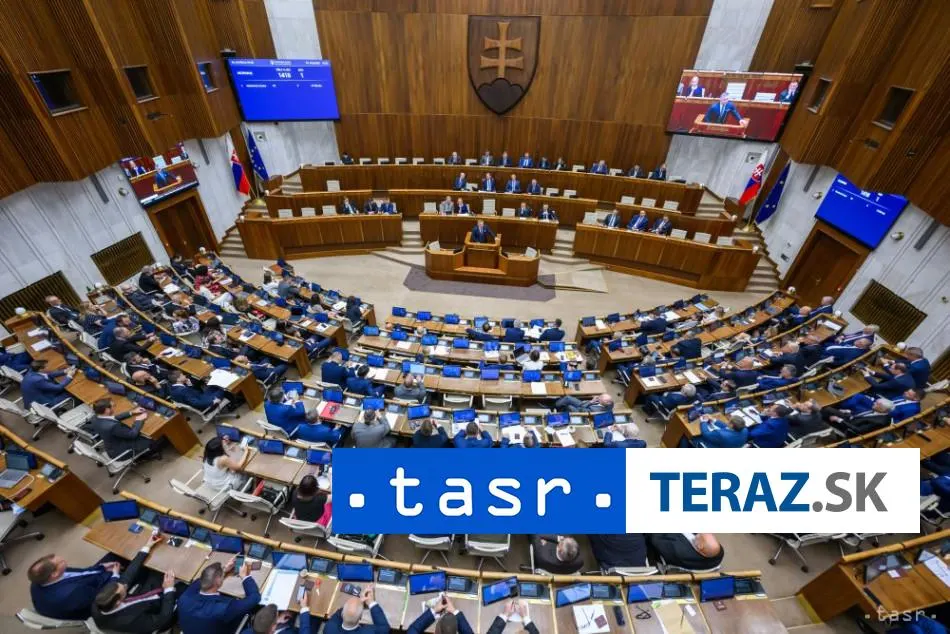
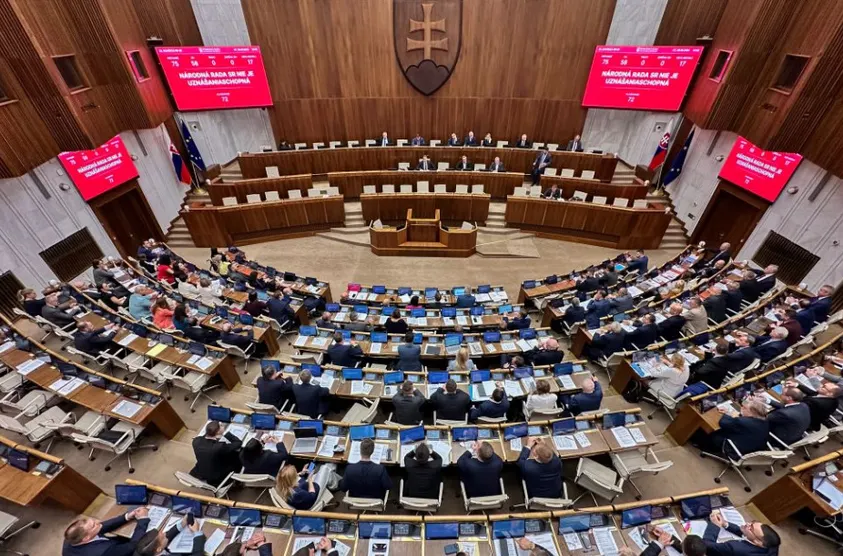
The schoolgirl died from her injuries on Thursday, October 1, two days after the attack. Parliament speaker Richard Raši announced her death to lawmakers, who then observed a minute of silence in her memory. Education Minister Tomáš Drucker, who had visited the school with the interior and health ministers after the attack, wrote online: "Nelka, spinkaj v pokoji. Budeš nesmierne chýbať" ("Nelka, sleep in peace. You will be immensely missed").162
NBC News reported that Education Minister Tomáš Drucker and General Prosecutor Maroš Žilinka both identified the victim as Nela in Facebook posts offering condolences, even though Slovak police typically withhold the names of minors without parental approval.10
Her death makes her the second fatality of the attack, after the 61-year-old teacher, according to TASR and Hospodárske noviny. The Office Against Organized Crime, which had already taken over the case, continues to investigate it as the particularly serious crime of murder, in both its completed and attempted stages.461
Prime Minister Robert Fico said schools "must be a safe place for children," while Raši said that if society wants young people to resolve conflicts without violence, adults must also show that aggression is never the answer. Police President Jana Maškarová said that even thorough preparation and strict adherence to preventive measures cannot fully eliminate the risk of an attack. Children's Commissioner Jozef Mikloško called for attention to child witnesses of the attack, and Public Defender of Rights Róbert Dobrovodský called for a review of how pupils' rights are protected in schools.2
Crisis intervention teams and psychologists were deployed to the school, and free psychological help was offered to residents of Staškove affected by the attack, according to Aktuality.sk. Ministers also appealed to the parliament speaker to add a bill on protecting young people from radicalisation to Tuesday evening's parliamentary agenda.2
Students return to school
According to Denník N, pupils returned to the primary school in Staškove within 48 hours of the attack, accompanied by psychologists who remained on site to support them. The outlet reconstructed the school's final three days before the attack, including the prior warning and the intervention team's visit to the suspect's class.7
Debate over Slovakia's age of criminal responsibility
Because the suspect is only 13, he falls below Slovakia's age of criminal responsibility, set at 14 years and one day, according to STVR. Criminal law professor Tomáš Strémy said a child aged 12 to 14 who commits a crime that could carry a life sentence can still be placed in a reedukačné centrum, a protective facility, through civil proceedings: "Osoba, ktorá medzi 12. a 14. rokom veku spôsobí trestný čin, kde môže byť uložené doživotie, tak môže byť v rámci civilného konania daná do reedukačného centra." He also noted that crimes committed before age 14 cannot later be prosecuted once the offender is older: "Nemôžeme pripočítať osobe ex post niečo neskôr o šesť rokov, že spáchala to pred šiestimi rokmi." Under current law, juveniles aged 14 to 18 receive sentences cut in half.1
Interior Minister Matúš Šutaj Eštok said he was discussing the issue with Education Minister Tomáš Drucker and Justice Minister Boris Suska, including whether to lower the threshold for criminal responsibility: "Či nepôjdeme cestou možno sprísnenia trestnoprávnej zodpovednosti a zníženia hranice." Children's Commissioner Jozef Mikloško said youth aggression is increasingly tied to social media, where angry young people group together: "Súvisí to so sociálnymi sieťami, lebo tam sa práve zgrupujú títo mládežníci, ktorí už majú hnev v sebe." He added that the case's severity means officials must decide how to handle it: "Tu je špecifická situácia, keď to dieťa spáchalo naozaj niečo vážne, že sa naozaj bude rozhodovať, čo s tým ďalej." According to STVR, 80 percent of young Slovaks consider aggression one of the most serious problems facing society.1
Why it matters
The attack, which has now claimed two lives, has intensified debate in Slovakia over how schools and police respond to early warning signs involving minors, prompted ministers to discuss lowering the age of criminal responsibility, and renewed scrutiny of how the justice system handles violent offenders below that age.12413
Related stories
consequence
background
Version history
- version 4 · Added new reporting on students returning to school with psychologists, a local officer being charged over the unheeded warning, officials naming the victim as Nela, and a ministerial debate over lowering Slovakia's age of criminal responsibility.
- version 3 · The schoolgirl injured in the attack has died, becoming the attack's second fatality; the article now covers her death, parliament's minute of silence, and widespread political reaction.
- version 2 · New reporting reveals the school principal's role in locking herself with the attacker to calm him, and clarifies that the 13-year-old suspect is legally too young to be criminally charged.
- version 1 ·