Slovak Parliament Convenes as Vision 2040 Debate Opens
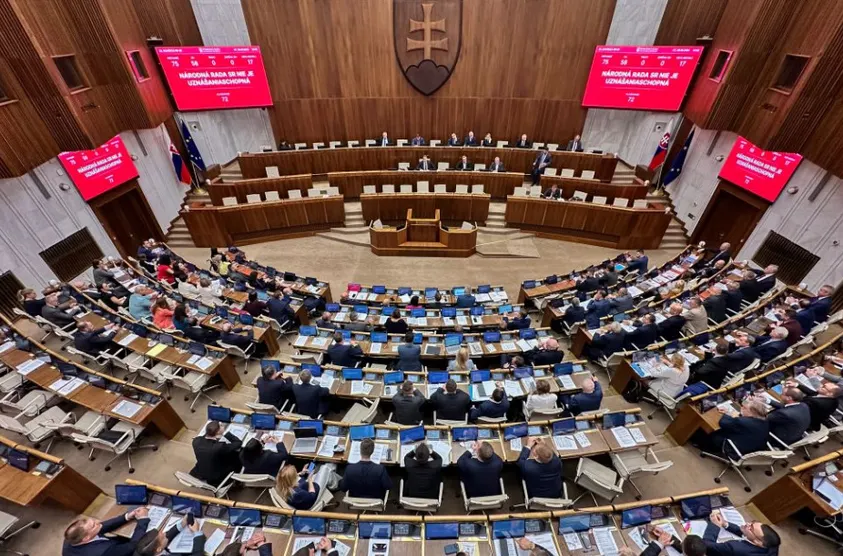
MPs began the resumed sitting of the 61st session in Bratislava on Tuesday, 29 September, with SAV chairman Martin Venhart presenting the government-commissioned strategy Vision Slovakia 2040 to the plenary.
Listen to the story
Short version
Slovak parliament opened debate on Vision Slovakia 2040 on 29 September, with SAV chairman Venhart presenting the strategy amid a backlog of over 200 agenda items.
- Parliament convened in Bratislava on Tuesday, 29 September.
- SAV chairman Venhart presented Vision Slovakia 2040 to plenary.
- Discussion time reportedly shortened to 12.5 hours (disputed).
- More than 200 other agenda items remain outstanding.
- Same day: Pellegrini promoted generals; German FM visited Slovakia.
What's new
- Parliament convened in Bratislava on Tuesday, 29 September, opening with the Vision Slovakia 2040 debate
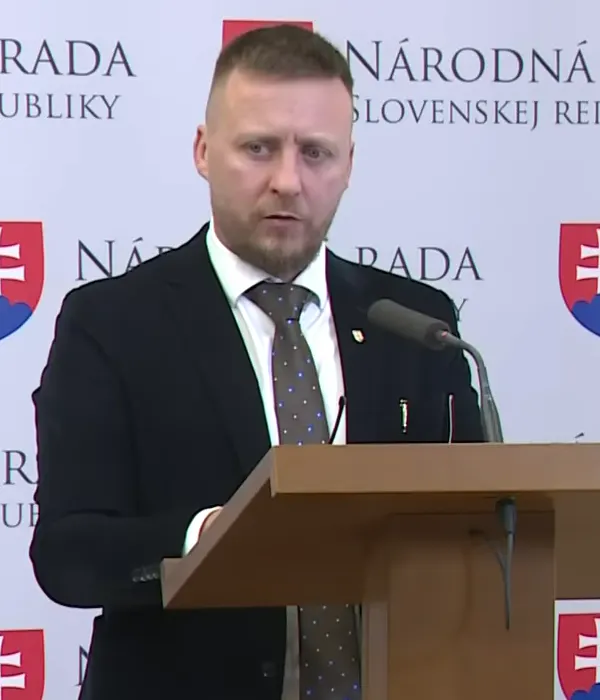
- SAV chairman Martin Venhart presented the document to the plenary
- Discussion time reportedly remains shortened to 12.5 hours, per Hospodárske noviny and Standard.sk, though TASR does not confirm the limit
- Same day, President Pellegrini promoted army generals, Germany's foreign minister visited, and Poprad Hospital ceremonially opened
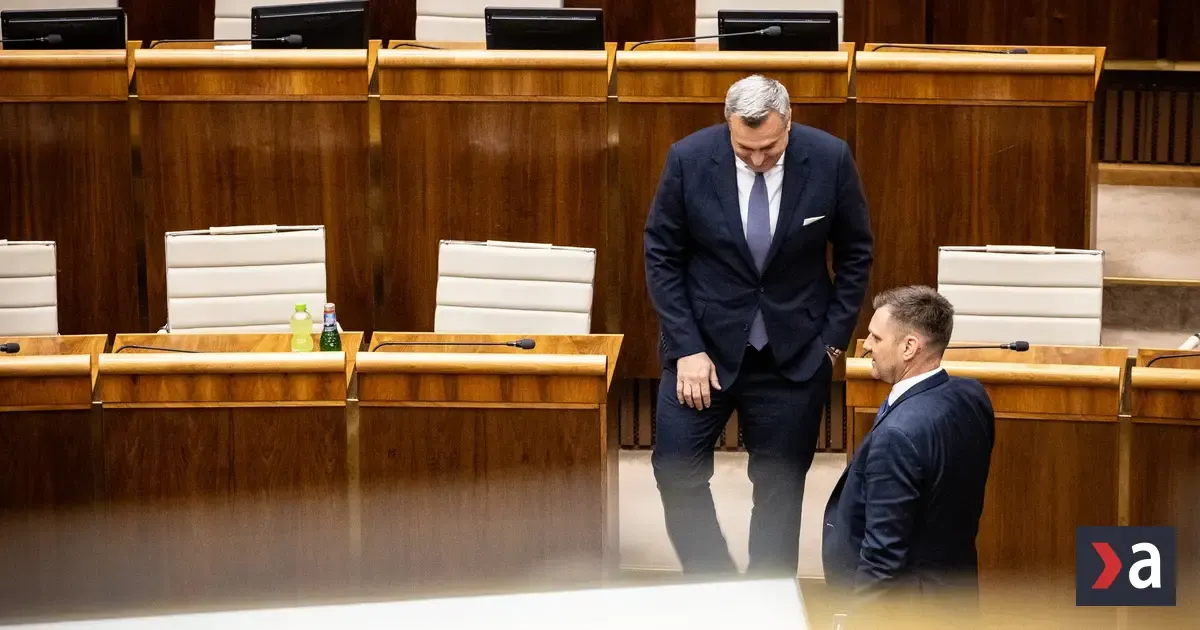
Members of the National Council of the Slovak Republic convened in Bratislava on Tuesday, 29 September, opening the resumed sitting of the 61st parliamentary session with the strategic document Vision Slovakia 2040: Path to a Better Life. Martin Venhart, chairman of the Slovak Academy of Sciences, presented the document to lawmakers; Prime Minister Robert Fico had also been expected to address the plenary on it. More than 200 other agenda items remain outstanding, after parliamentary committees already recommended the strategy's approval.126
Vision 2040 debate
Vision Slovakia 2040 was prepared by the Slovak Academy of Sciences together with other experts. Parliament's finance and budget committee, acting as lead committee, together with the constitutional and legal committee and the economic affairs committee, examined the document and recommended that the National Council approve it. The lead committee appointed Daniel Karas as joint rapporteur, with Igor Válek, Zdenka Mačicová, Pavol Ľupták and Zdenko Svoboda named as further rapporteurs.124
Parliament approved a change to the programme concerning the debate. Ján Richter, who proposed the arrangement, said of the document: "Dôležitá bude stratégia, tam bude časový priestor na rozpravu neobmedzovaný," while Richard Raši indicated the order of business, saying: "Po nej by sa prerokovali body ministrov."4
Tomáš Černěnko, identified as one of the vision's co-authors, told Denník N the plan calls for overhauling public administration, cautioning that delaying local government reform would only deepen the problem, and contending that weak, scattered municipal capacity stands in the way of building a modern state run on data. He added: "Reforma samospráv sa nedá odkladať. Malé obce nedokážu vymáhať ani dodržiavanie zákonov."5
The sitting convened as scheduled on Tuesday, 29 September, opening with the Vision Slovakia 2040 debate. Martin Venhart, chairman of the Slovak Academy of Sciences, presented the document to lawmakers, according to a same-day roundup of parliamentary events.6
A packed legislative backlog
Beyond the strategic document, the session is set to take up a wide range of unresolved bills. The Health Ministry wants to push through a drug-policy amendment and stronger protection against new drugs, while the Education Ministry has submitted a bill on an integrated protection system against radicalisation and mobilisation to violence, which according to TASR is meant to regulate social networks for children younger than 16 and introduce a coordinated mechanism for assessing radicalisation risks.123
A constitutional amendment before parliament would introduce the possibility of ending the legislature's term through a popular vote, and the Justice Ministry is reported by Hospodárske noviny to have a constitutional amendment pending. The Environment Ministry submitted an amendment to the Environmental Fund law in October 2025, and President Peter Pellegrini last year returned to parliament the covid amnesties law and an amendment to the gambling law; a vetoed amendment to the food law has been in parliament since May this year.123
Smer-SD has an election-law amendment in second reading that would introduce a new way of voting from abroad in parliamentary elections and extend it to presidential elections; the final wording of a related adjustment on preferential voting is being negotiated with unaffiliated MPs active in the non-parliamentary Country Party. Nationalists from SNS intend to submit changes on preferential voting, and several SNS proposals remain unconsidered, including one to raise pensions after age 90. The PS party has proposed a 12-month protected period before regular elections, during which some election-law provisions could not be changed. Hnutie Slovensko has brought a bill described as targeting papalášizmus, SaS wants to remove two newly introduced criminal offences - obstruction of an election campaign and denial of the post-Second World War peace settlement - through a Criminal Code amendment, and KDH proposes letting adult specialists treat patients from the age of 15.123
The Foreign and European Affairs Ministry proposes new benefits to make foreign service more attractive, an election of a member of the Council for Budget Responsibility is due, and parliament is expected to definitively decide on a proposed new Civil Code. The agenda also includes opposition motions of no confidence in seven ministers - Matúš Šutaj Eštok, Tomáš Taraba, Robert Kaliňák, Tomáš Drucker, Richard Takáč, Ladislav Kamenický and Samuel Migaľ - along with several draft resolutions and annual reports.12
Scheduling
According to Hospodárske noviny, discussion of Vision Slovakia 2040 will be shortened to 12.5 hours. TASR did not report the 12.5-hour limit or the Tuesday-only vote in the same terms, and the joint committee report does not specify these details, so the schedule for the debate remains subject to confirmation once the sitting resumes.2
Other events the same day
Alongside the Vision 2040 debate, Tuesday brought several other notable developments in Slovakia. President Peter Pellegrini carried out a constitutional act promoting generals of the Slovak Armed Forces. Germany's foreign minister, Johann David Wadephul, met his Slovak counterpart, Juraj Blanár. The National Bank of Slovakia, led by governor Petr Kažimír, presented its economic and monetary outlook for autumn 2026. Poprad Hospital ceremonially opened with Prime Minister Fico and Health Minister Kamil Šaško in attendance, and a V4 conference of regional development ministers was held with the chair of the EU's regional committee.6
Why it matters
The debate over Vision Slovakia 2040 signals how the government intends to address long-term challenges such as public administration modernisation and municipal capacity, issues with implications for how effectively Slovak institutions can deliver services. Denník N has suggested the governing coalition's commitment to the vision may be tactical, noting Fico's endorsement despite rejecting some of its proposals in practice. The session also carries several security- and election-related bills that could shape future voting rules and civil protections in an EU member state.51
Related stories
Version history
- version 3 · Parliament actually convened on 29 September with SAV chairman Martin Venhart presenting Vision Slovakia 2040 to the plenary, and other same-day national events are now reported.
- version 2 ·
- version 1 ·