Trump moves to buy Russian diesel as Ukraine faces refinery pressure
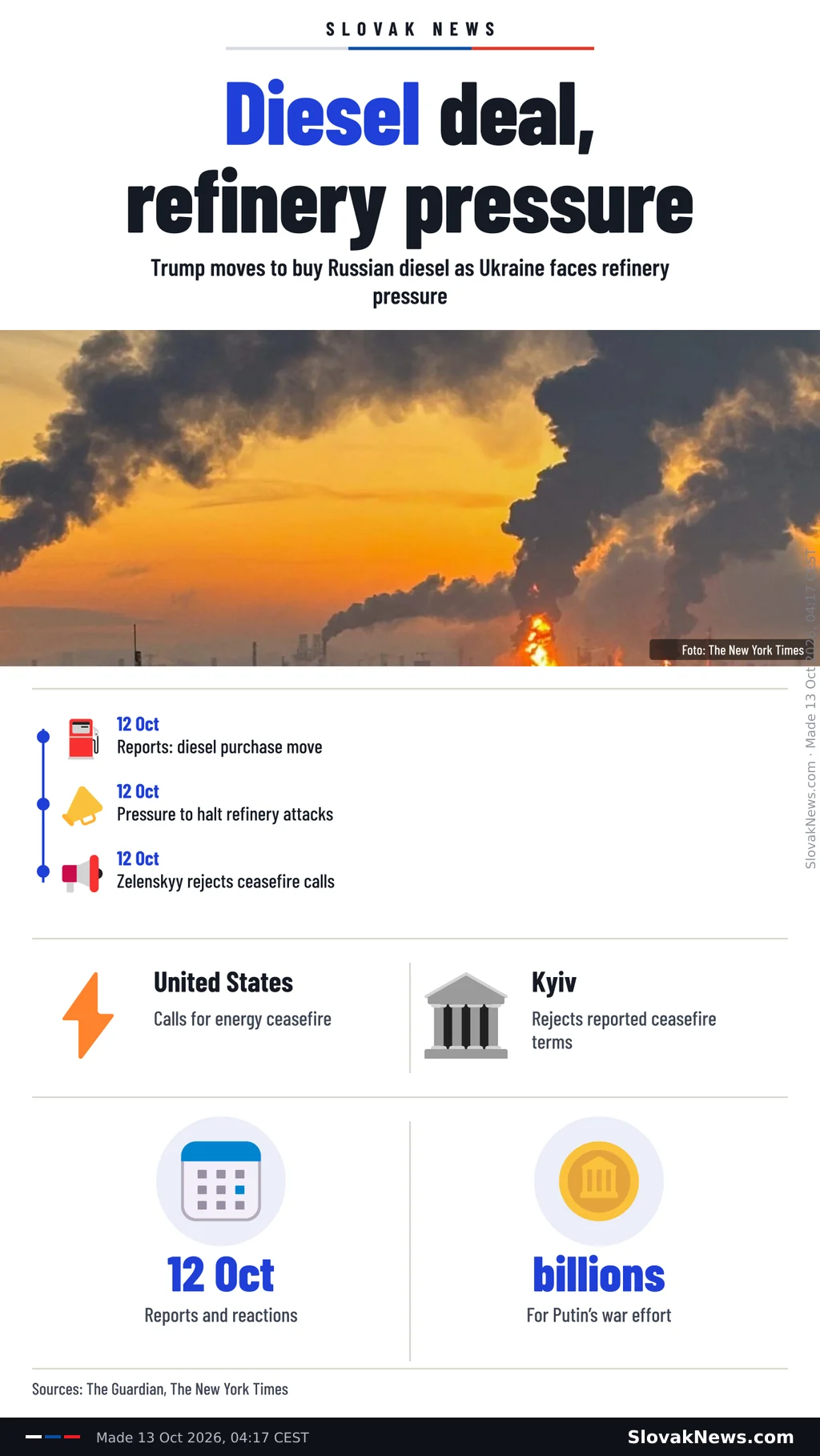
Reports on October 12 said President Donald Trump was moving to buy Russian diesel while pressing Ukraine to halt attacks on refineries. President Volodymyr Zelenskyy criticised the proposed arrangement and rejected calls for an energy ceasefire on the terms described.
Listen to the story
Short version
Trump was reported to be pursuing Russian diesel purchases while pressing Ukraine to stop refinery attacks. Zelenskyy criticised the deal and rejected the reported ceasefire terms.
- Trump was reported to be moving to buy Russian diesel.
- Ukraine faced reported pressure over refinery attacks.
- Zelenskyy called the deal “a weak decision”.
- Kyiv rejected the reported energy-ceasefire terms.
- Deal terms and ceasefire status remain unclear.
Infographic
What's new
- Trump is reported to be moving to buy Russian diesel.
- Trump is also reported to be pressing Ukraine over refinery attacks.
- Zelenskyy criticised the diesel arrangement.
- Ukraine rejected the proposed energy-ceasefire terms.
On October 12, reports said US President Donald Trump was moving to buy Russian diesel while pressing Ukraine to stop attacks on oil refineries. Ukrainian President Volodymyr Zelenskyy criticised the diesel arrangement and said Moscow would need to stop attacks on energy infrastructure before Ukraine could accept the proposed approach.12
Infographic
Diesel deal and refinery pressure
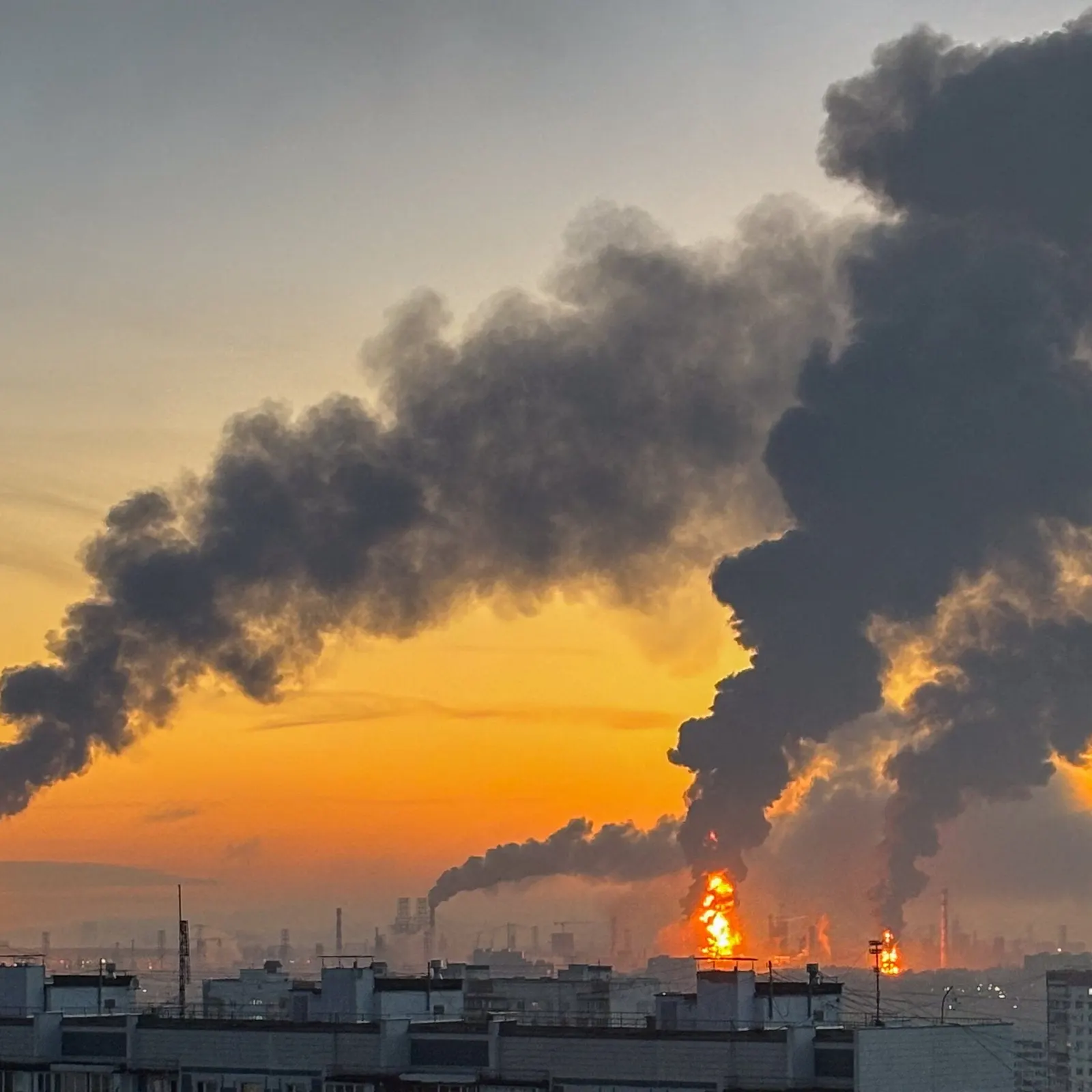
The New York Times reported that Trump was moving to purchase diesel from Russia and was separately pressuring Ukraine to halt attacks on refineries. The report described refineries as central to Moscow’s war effort, though that characterisation is supported in the dossier by one source. The Guardian likewise reported that Trump had agreed to a Russian diesel deal.12
The two reported developments place a prospective US purchase of Russian diesel alongside US pressure on Kyiv’s campaign against refinery targets. Neither source material in the dossier specifies the volume, value, timing or commercial terms of the diesel purchase. It also does not set out how the reported pressure on Ukraine was conveyed or whether Kyiv accepted any commitment to stop refinery attacks.12
Kyiv’s response
Zelenskyy criticised the reported diesel deal, calling it “a weak decision”, according to The Guardian. He said it would provide “billions” in additional revenue for Russian leader Vladimir Putin’s war effort, a claim reported by that outlet alone in the dossier.1
The Guardian also reported that the United States had called for an energy ceasefire. Under the proposed terms described by the newspaper, Kyiv would have to stop striking oil refineries. Zelenskyy rejected those calls, according to the report, saying that “Moscow must first end its attacks on energy infrastructure”. The dossier does not provide further details of the proposed ceasefire or state whether Russia had accepted, rejected or responded to it.1
What the reports establish
Both sources support the central report that Trump was moving to buy Russian diesel. The New York Times separately reported US pressure on Ukraine to halt attacks on refineries, while The Guardian reported Zelenskyy’s criticism and his rejection of the energy-ceasefire proposal as described. The accounts frame the issue around the interaction between a Russian diesel purchase, Ukraine’s refinery strikes and the conditions for any pause in energy-related attacks.12
Important elements remain unclear from the available reporting. The dossier does not identify a signed agreement, delivery arrangements or financial terms for Russian diesel. It gives no account of the scope of Ukraine’s refinery attacks, the status of attacks on Ukrainian energy infrastructure, or any negotiations beyond the reported US proposal and Zelenskyy’s stated condition.12
Why it matters
For European readers, the reports concern Russian diesel, Ukraine’s attacks on refinery targets and US policy toward both issues. The New York Times reported that Trump was pursuing a diesel purchase while pressing Kyiv to stop refinery attacks, linking commercial dealings with a conflict-related pressure point.2
Videos
Related stories
background
same actors
Version history
- version 1 ·