Republicans challenge Trump’s Russia sanctions waiver over Ukraine war funding
Republican lawmakers say easing restrictions to support a Russian diesel deal could help finance Moscow’s war. The administration says the waiver will facilitate the agreement.
Trump’s Russia sanctions waiver has prompted Republican objections over potential funding for Moscow’s war. The administration says it supports a diesel export agreement.
- Republican lawmakers warn that diesel revenue could help finance Russia’s war.
- Trump says the waiver serves United States national interests.
- Cruz proposed other ways to reduce fuel costs, The Japan Times reported.
- Lawmakers introduced legislation to block Russian diesel imports.
What's new
- Trump’s waiver of Russia-related sanctions and tariffs has drawn criticism from Republican allies.
- A bipartisan group of senators has urged Trump to abandon the diesel agreement.
- Lawmakers have introduced legislation to block Russian diesel imports.
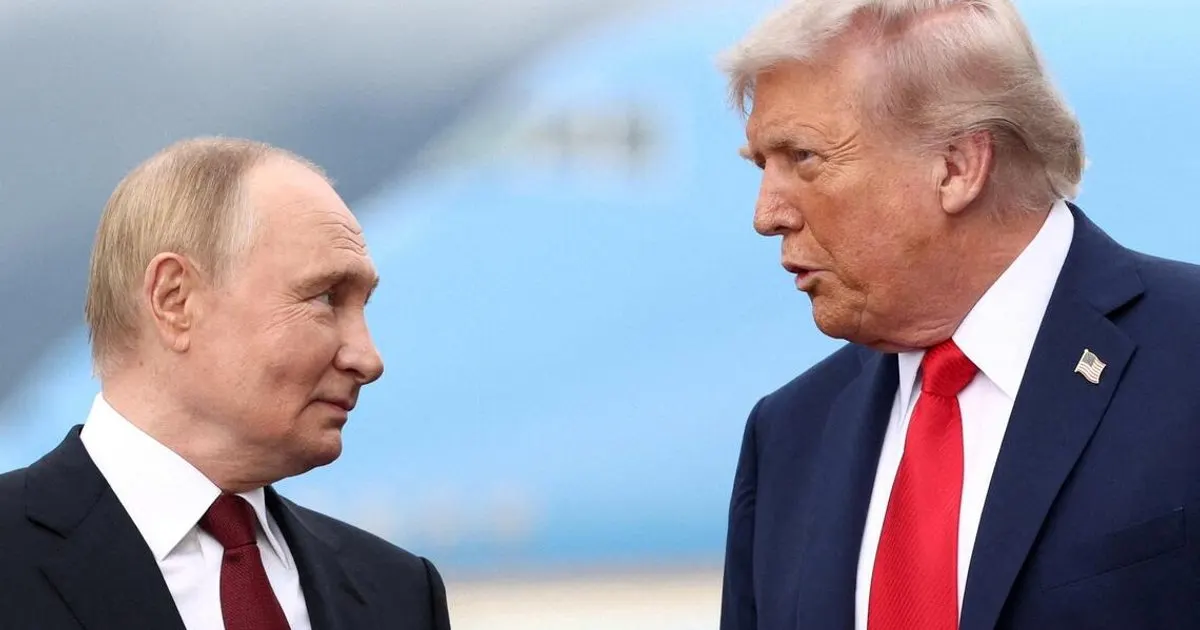
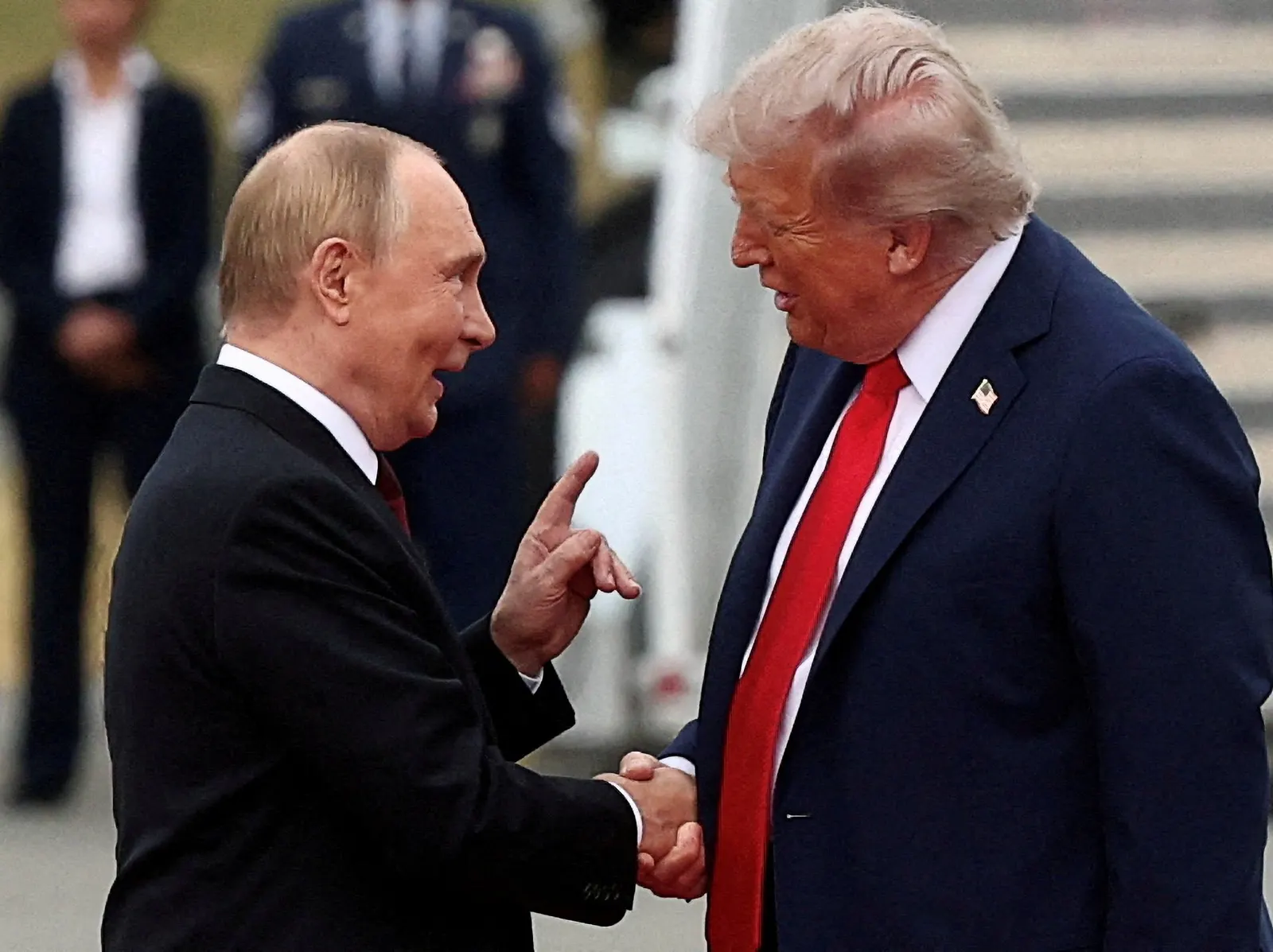
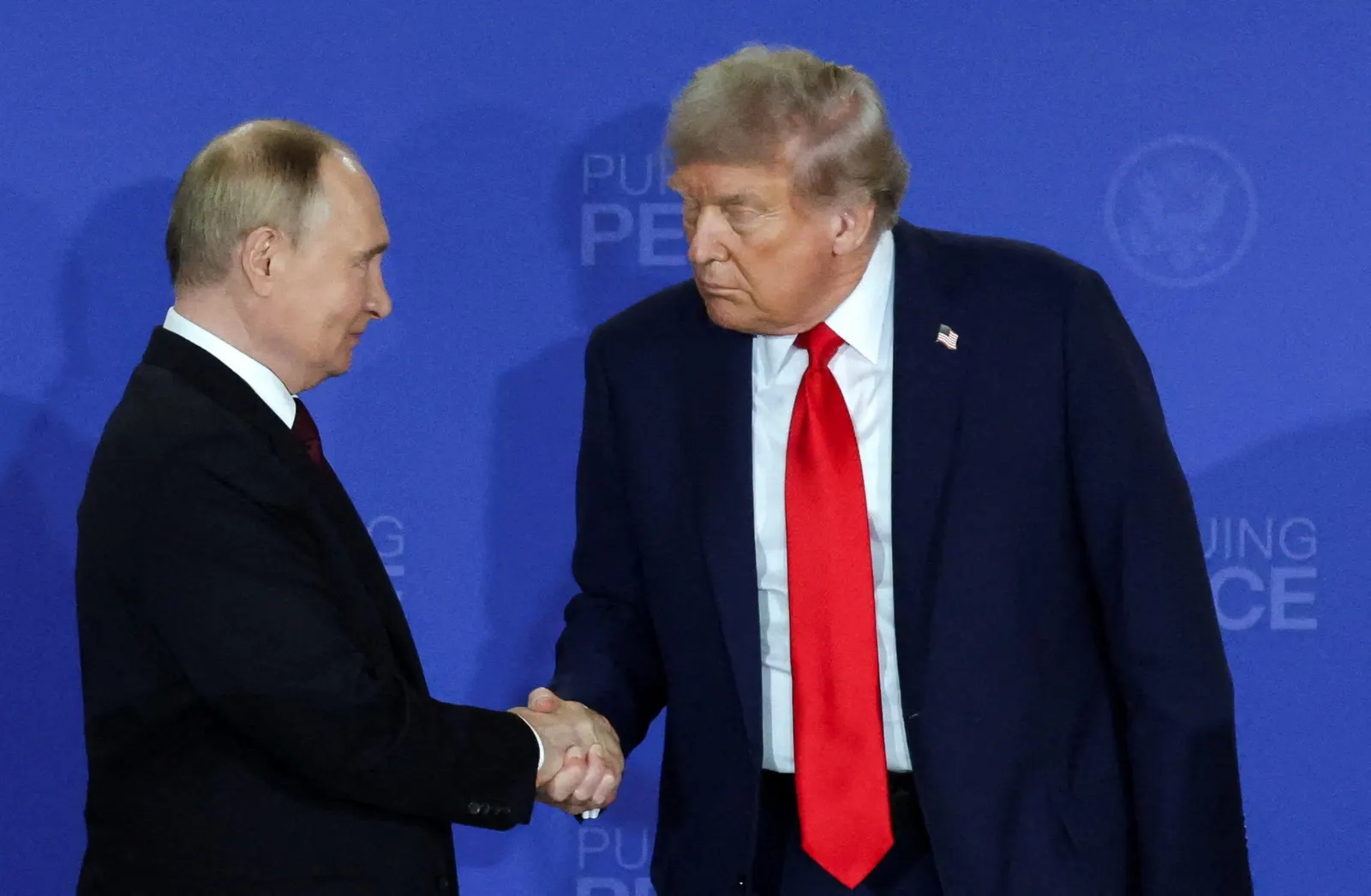
Donald Trump faced opposition from Republican members of the United States Congress in reports published on October 18, 2026, after waiving Russia-related sanctions and tariffs to facilitate a diesel agreement. Lawmakers warned that the decision would help Moscow finance its war against Ukraine, while the administration defended the waiver as supporting the deal.123
Republican objections
At least eight Republican senators and several House members opposed either the agreement or the waiver, according to The Straits Times. The newspaper reported that a bipartisan group of 12 senators had urged Trump to reverse the diesel deal and implement the Graham law, which the Senate passed by 86 votes to 11.1
Texas Republican senator Ted Cruz described the decision as “a mistake”. According to The Japan Times, Cruz argued that the administration could instead seek more fuel from Canada or suspend renewable-fuel requirements to reduce costs. Axios also reported criticism or questions from Republicans Thom Tillis, John Cornyn and French Hill.52
The senators argued that earnings from diesel exports would support Russia’s military campaign and strengthen its cooperation with China, Iran and North Korea, The Straits Times reported. Their objections concerned both the agreement’s financial consequences for Moscow and the administration’s decision not to enforce restrictions approved by Congress.13
The administration’s case
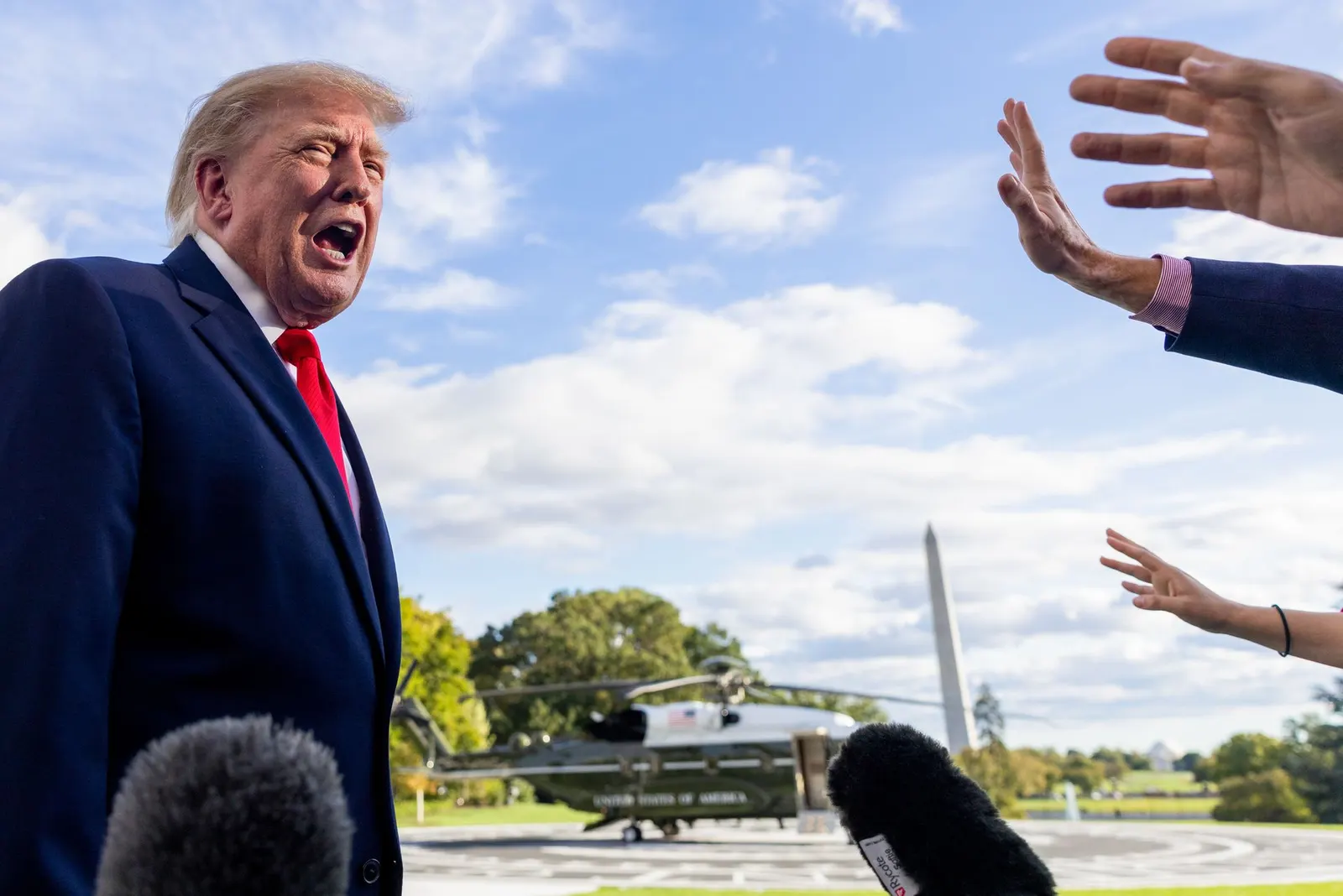
The administration said the waiver would enable an agreement with Russia on diesel exports. Trump described his action as being “in the national interests of the United States”. According to The Japan Times, the administration sought to bring down fuel prices before the midterm elections.124
Axios reported that administration officials offered conflicting public explanations for the agreement and waiver. Fox13news.com also reported that Trump said he had not yet announced a final decision, while Rubio said officials wanted additional time to assess the matter, despite the reported signing of the executive order.53
The order left certain sanctions imposed under earlier executive orders intact, according to Fox13news.com and HNGN. HNGN reported that it also preserved the Graham Act’s Iran-related provisions, while suspending almost all of the law’s substantive restrictions concerning Russia.34
Prices and congressional options
The immediate effect on fuel prices is expected to be limited, The Straits Times reported. A continuing return of Russian exports by the end of the year could reduce global supply shortfalls, the newspaper said, but that would depend on Moscow delivering on its commitments.1
Democrats and one Republican introduced legislation to prohibit Russian diesel imports, according to The Straits Times. The newspaper reported that Congress would remain out of session through the midterm elections, restricting opportunities for an immediate response, and that any blocking legislation could face a Trump veto.1
Ukrainian President Volodymyr Zelensky criticised the waiver and warned that easing economic pressure could encourage further Russian attacks. HNGN reported that the administration was also considering relaxing sanctions on tankers transporting Russian products, although the dossier does not establish that such additional relief has been granted.14
Why it matters
For European readers, the dispute concerns both the financing of Russia’s war in Ukraine and the availability of fuel on world markets. Senators warned that diesel earnings would support Moscow’s war effort, while The Straits Times reported that additional Russian exports could ease supply shortages if Russia fulfils its commitments.1
Videos
Related stories
Version history
- version 1 ·