World · United Kingdom, Sweden
UK cancels climate academic Andreas Malm’s travel authorisation before London appearance
The Swedish academic says the decision was linked to a planned panel with Huda Ammori. The Home Office declined to discuss his case.
The UK has cancelled Andreas Malm’s travel authorisation before a planned London appearance. Malm links the decision to his scheduled panel with Huda Ammori; the Home Office declined individual comment.
- Malm is a Swedish climate academic at Lund University.
- The Home Office cited public-good grounds.
- Malm denies membership, public endorsement or funding of Palestine Action.
- Verso Books urged the government to restore his travel permission.
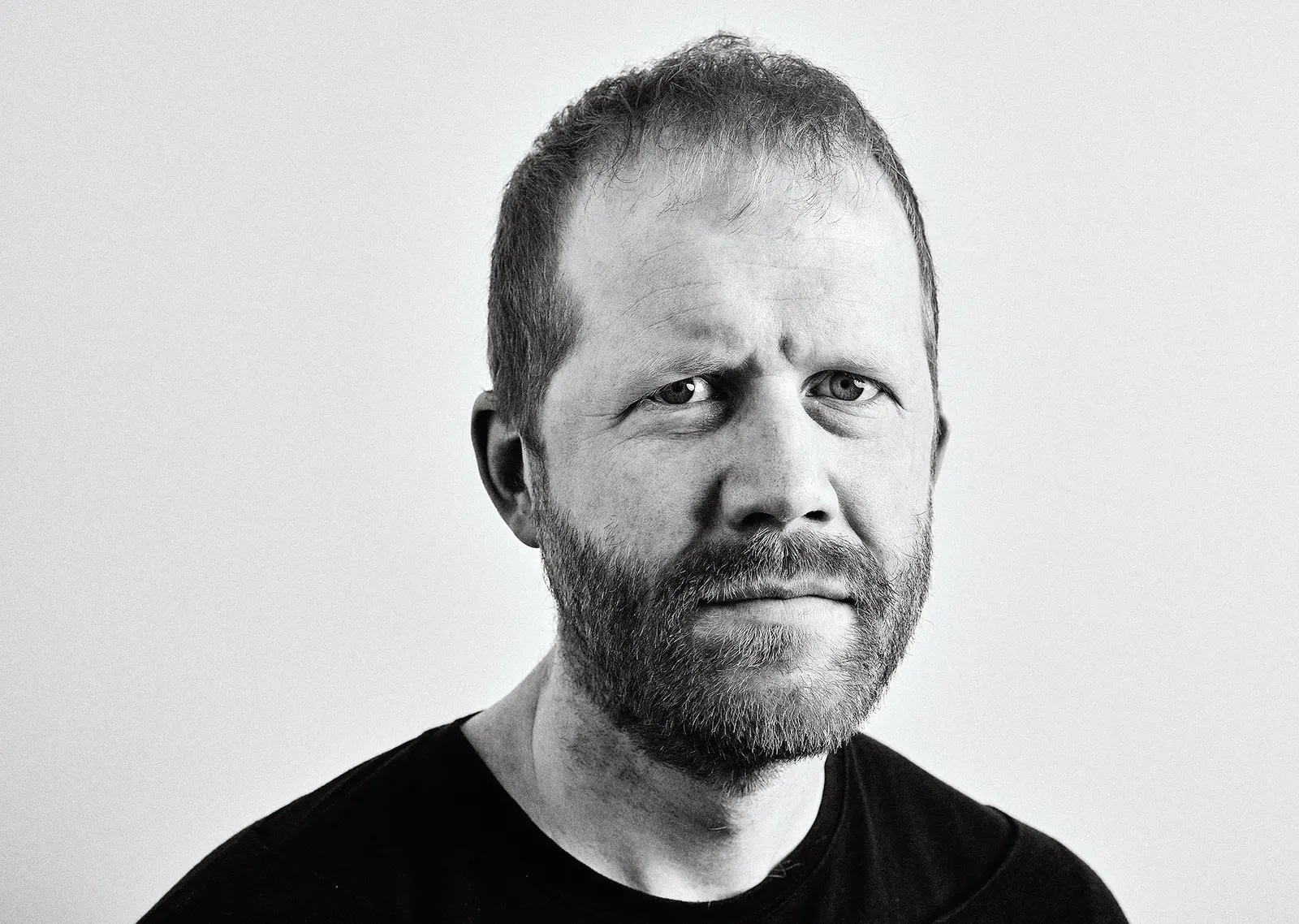
What's new
- On Wednesday, British immigration authorities revoked Malm’s digital permission to enter the UK.
- Malm says his planned appearance with Huda Ammori prompted the decision.
- The Home Office said it would not discuss individual cases.
British authorities have cancelled Swedish climate academic Andreas Malm’s permission to travel to the UK ahead of a planned appearance in London, according to reports published on 30 October 2026. Malm says the decision was connected to his scheduled participation in a Tribune panel with Huda Ammori.136
Travel permission withdrawn
On Wednesday, British immigration authorities revoked Malm’s digital permission to enter the UK. Its notification said his presence was considered incompatible with the public good. Asked about the case, the department said it did not comment on individual decisions.1356
In a general explanation reported by Al Jazeera, the Home Office said refusals or cancellations on public-good grounds depended solely on an assessment of possible risks to British society. Al Jazeera also reported that Malm had been told to apply for a visa, for which the standard visitor processing period is three weeks.3
Malm holds the rank of associate professor in Lund University’s human ecology discipline in Sweden. According to Times Higher Education, his planned engagements included a Tribune event on 4 November, an academic conference and an appearance on BBC Radio 4.124
Malm’s account of the decision
Malm told the BBC that he believed the restriction was linked to his planned panel with Ammori, whom the Guardian identifies as a co-founder of Palestine Action. The organisation is proscribed in the UK as a terrorist group. Malm said he was not a member, had never endorsed it publicly and had provided no financial support.1246
He also told the BBC that remarks he made in December 2023 might have prompted the decision. In those remarks, he characterised the Hamas-led attacks of 7 October 2023 as an act of liberation while condemning the killing of civilians. The BBC reported that the attacks killed about 1,200 people and that 251 were taken hostage.1
Malm had previously been admitted to Britain to give a talk in May, according to the BBC. Al Jazeera reported that he used an Electronic Travel Authorisation for that visit. He described the latest decision to the BBC as a “severe restriction on the free exchange of ideas”.13
Academic visits and the Palestine Action ban
The Guardian reported that the Tribune conference was intended to coincide with the opening of a Supreme Court challenge to the Palestine Action ban. Discussion was expected to cover the ban’s consequences, including its effect on Sally Rooney, who withdrew her books from UK sale over her support for the group.23
Malm has regularly visited Britain to lecture at Oxford, King’s College London and Cambridge, according to the Guardian. He told Times Higher Education that his visits stretched back decades and included archival work for his doctoral dissertation.24
His publisher, Verso Books, urged the government to reinstate his travel authorisation. According to Times Higher Education, Verso said it had received no explanation for the restriction and that no British government had previously withdrawn one of its authors’ permission to enter during its more than 55 years of publishing.4
Why it matters
The decision affects a Swedish university academic’s access to British lectures, conferences and research visits. It also comes as the Supreme Court is due to consider a challenge to the Palestine Action ban, whose consequences the planned Tribune discussion was expected to examine.24
Version history
- version 1 ·