Business · Slovakia, Germany, People's Republic of China
Volkswagen Joins Gotion in €3.22 Billion European Battery Push
The German carmaker is entering three joint ventures with China's Gotion High-tech to build lithium iron phosphate battery capacity in Spain, Slovakia and Morocco, including the Šurany factory in Slovakia.
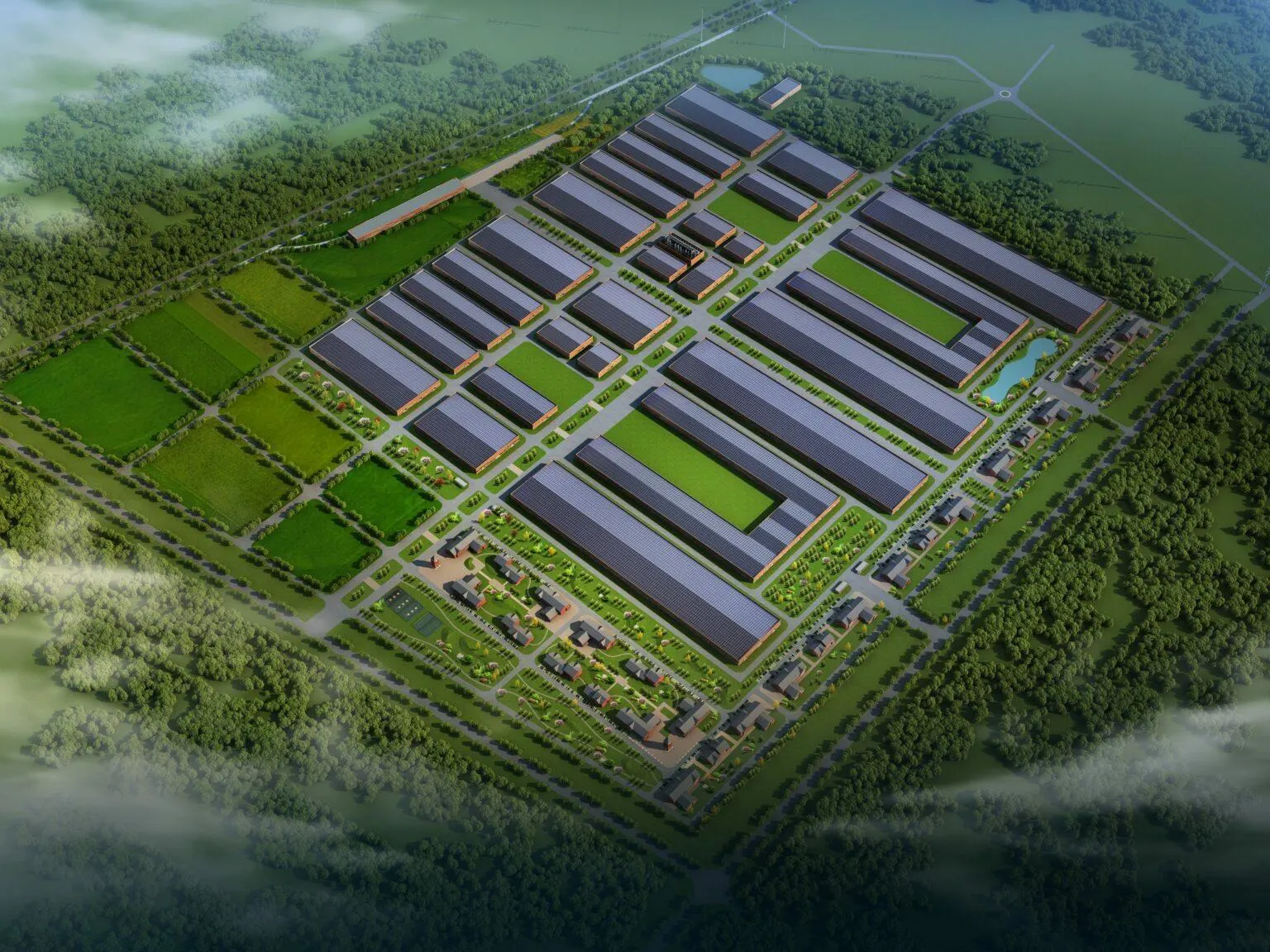
Volkswagen is joining Chinese battery maker Gotion in three European and North African joint ventures worth €3.22 billion, including Gotion's Šurany plant in Slovakia.
- Deal announced 29 September 2026 covering Spain, Slovakia and Morocco
- Investment split roughly equally between Volkswagen's PowerCo and Gotion
- Volkswagen selling 5.3% Gotion stake, keeping voting rights unchanged
- Šurany plant valued at €1.2-1.25 billion, to employ 1,300 people
- Slovak minister Taraba has voiced public doubt about the project
What's new
- Volkswagen, PowerCo and Gotion announced three joint ventures in Spain, Slovakia and Morocco on 29 September 2026
- Volkswagen plans to divest a 5.3% ownership position in Gotion to a buyer that has not been named, though it will retain the same voting rights it currently holds
- Gotion's board has approved the plan, but the deal still needs signed agreements, shareholder votes and government clearances
- Slovak media report the Šurany project has faced skepticism, including from environment minister Tomáš Taraba
Volkswagen and Chinese battery maker Gotion High-tech said on 29 September 2026 that they will jointly invest €3.22 billion in lithium iron phosphate (LFP) battery production across Spain, Slovakia and Morocco, with the German carmaker taking a stake in Gotion's existing battery factory project in Šurany, Slovakia.21
Three joint ventures
Under the plan, Volkswagen's battery subsidiary PowerCo and Gotion will convert existing sites into jointly owned operations, with the investment split almost equally between the two companies. In Valencia, Spain, PowerCo will hold 51% of the gigafactory, which is designated as Europe's production hub for LFP-based Unified Cells, with Gotion investing around €1.1 billion for a 49% stake. In Šurany, Slovakia, Gotion will hold 51% and PowerCo 49%, with the plant set to produce LFP cells for both electric vehicles and energy storage. In Kenitra, Morocco, Gotion will also hold 51% of a new cathode material plant intended to diversify supply sources, with PowerCo holding 49%.156
PowerCo is expected to contribute about €1.62 billion in total, including roughly €470 million by 2030 for its stakes in Šurany and Kenitra combined, while Gotion is expected to invest about €1.6 billion overall. The arrangement also includes Volkswagen divesting a 5.3% ownership position in Gotion to a buyer whose identity has not been disclosed, while its voting power in the Chinese firm stays the same. Each of the three deals must still clear standard regulatory review and closing requirements; Gotion's board has already signed off on the investment plan, but a binding contract, shareholder approval and government sign-off remain outstanding.156
Šurany in the Slovak account
Slovak coverage frames the Šurany plant as a significant investment for the country, with Denník N describing it as a project whose main investor is a Chinese firm and noting concerns about risks tied to Chinese investment, including political interests and environmental compliance, according to that outlet. Denník N suggested Volkswagen's involvement could help ease resistance to the Chinese-led project. Hospodárske noviny reported the Šurany investment is valued at €1.2 billion, expected to employ 1,300 people, with production planned to start between 2027 and 2028 and the first manufacturing equipment due to arrive by the end of this year. Denník N put the project's value at €1.25 billion.43
Hospodárske noviny also reported that some partial deadlines for the project have been postponed, and quoted skeptics asking, "Uvidíme niekedy výrobu batérií v Šuranoch?" Slovak environment minister Tomáš Taraba was reported by the outlet to have said publicly that, according to him, nothing would come of the project.3
A six-year partnership
The two companies have worked together since 2020, when Volkswagen was, according to Asia Times, the first automaker anywhere in the world to acquire a direct ownership position in a Chinese battery producer. Gotion is described by Hospodárske noviny as a battery-cell supplier and strategic partner of PowerCo. Volkswagen board member Thomas Schmall, who also chairs PowerCo's supervisory board, said: "I am delighted that we are expanding our long-standing partnership with Gotion into the joint industrial production of LFP batteries to strengthen Europe's battery industry." Gotion chairman Li Zhen said: "Six years of close collaboration between Volkswagen and Gotion have built deep mutual trust and a relationship that empowers both sides—one that has long since moved beyond ordinary business to become a partnership bound by a shared future."631
Asia Times framed the arrangement as evidence of the limits of Western efforts to reduce dependence on Chinese supply chains, writing: "In practice, de-risking is starting to look like a search for interdependence on more manageable terms." The outlet added that the outcome would depend on implementation, noting: "The real test will come after the deals close and construction advances: how much of the industrial capability around the plants takes root locally."6
European LFP ambitions
According to Automotive Manufacturing Solutions and Mining.com.au, Volkswagen described LFP batteries as durable, cost-effective and long-lasting, and projected that their portion of Europe's battery market would climb from roughly 10% now to somewhere between 40% and 60% by the end of the decade. Automotive Manufacturing Solutions noted that Europe presently lacks meaningful domestic LFP manufacturing capacity, and characterized Volkswagen as the first carmaker on the continent to span the full battery supply chain, from cathode-material development through to manufacturing. Schmall said: "Volkswagen is the first European automotive manufacturer to cover the entire battery value chain, from development and cathode materials through to production." PowerCo chief executive Frank Blome said: "Volkswagen and PowerCo are building Europe's battery industry. He added that the Gotion partnership marked the next milestone on that path, strengthening the resilience of the value chain, speeding up industrialization and pairing PowerCo's capabilities with the strengths of a long-standing partner.513
Mining.com.au cited the International Energy Agency's finding that nearly all manufacturing of LFP cathode materials and their precursor inputs takes place in China, a point that helps explain the reasoning behind the Kenitra cathode facility. Mining.com.au further reported that Gotion had installed 34 gigawatt-hours of EV batteries during the opening seven months of 2026, a 44.2% increase from the prior year that placed the company fifth worldwide among EV battery producers, although the publication's own data on LFP's global battery-market share for 2025 did not add up consistently.5
Why it matters
The deal signals an attempt to build a European LFP battery supply chain that currently does not exist, at a time when EVs are gradually replacing combustion-engine cars across the European Union. For Slovakia, it ties a major Chinese-led factory project to a German carmaker's participation, which could shape public and political reception of the investment.14
Related stories
Version history
- version 1 ·