World · Canada
Alberta votes on whether to pursue a binding independence referendum
Voters are choosing between remaining in Canada and proceeding towards a later separation vote. Premier Danielle Smith opposes independence, while Mark Carney has campaigned for unity.
Listen to the story
Short version
Alberta is deciding whether to pursue a later binding vote on independence from Canada.
- The October 19 ballot does not itself make Alberta independent.
- Smith opposes separation; Carney has campaigned for unity.
- The BBC says a binding referendum could follow in 2027.
- Results on separation are expected early October 20, The Straits Times reports.
What's new
- Alberta is voting on October 19 on whether to pursue a later binding separation referendum.
- The BBC reports that a binding vote could follow as early as 2027.
- Results on the separation question are expected early on October 20, according to The Straits Times.
Voters in Alberta are going to the polls on October 19, 2026, to decide whether the Canadian province should remain in Canada or take steps towards a later, binding referendum on independence. The vote follows campaigning by Prime Minister Mark Carney for Alberta to stay.124
A decision about another vote
The ballot does not itself deliver independence. According to the BBC, approval could lead to a binding separation referendum as soon as 2027. The Straits Times reports that the choice appears as question 10 on a ballot that also covers other subjects, including immigration.23
Premier Danielle Smith wants Alberta to remain in Canada. The Guardian reports that she called the referendum after pressure from within her United Conservative party, having previously argued that one was unnecessary. According to The Straits Times, she says she will proceed with a binding vote if the separation option wins and considers the issue settled if voters choose Canada.134
Campaigns and legal objections
The BBC reports that a petition seeking a separation referendum attracted about 300,000 signatures, while more than 400,000 people signed a petition against separation. The BBC also says the petition supporting separation was halted by a court over the failure to consult Indigenous First Nations whose territories would be affected.2
According to The Guardian, First Nations based their legal case on five treaties agreed with the Crown before Alberta existed. Chief Troy Knowlton, president of the Blackfoot Confederacy, argues that the province has no constitutional right to separate. The dispute puts treaty rights alongside the political debate over Alberta’s future.1
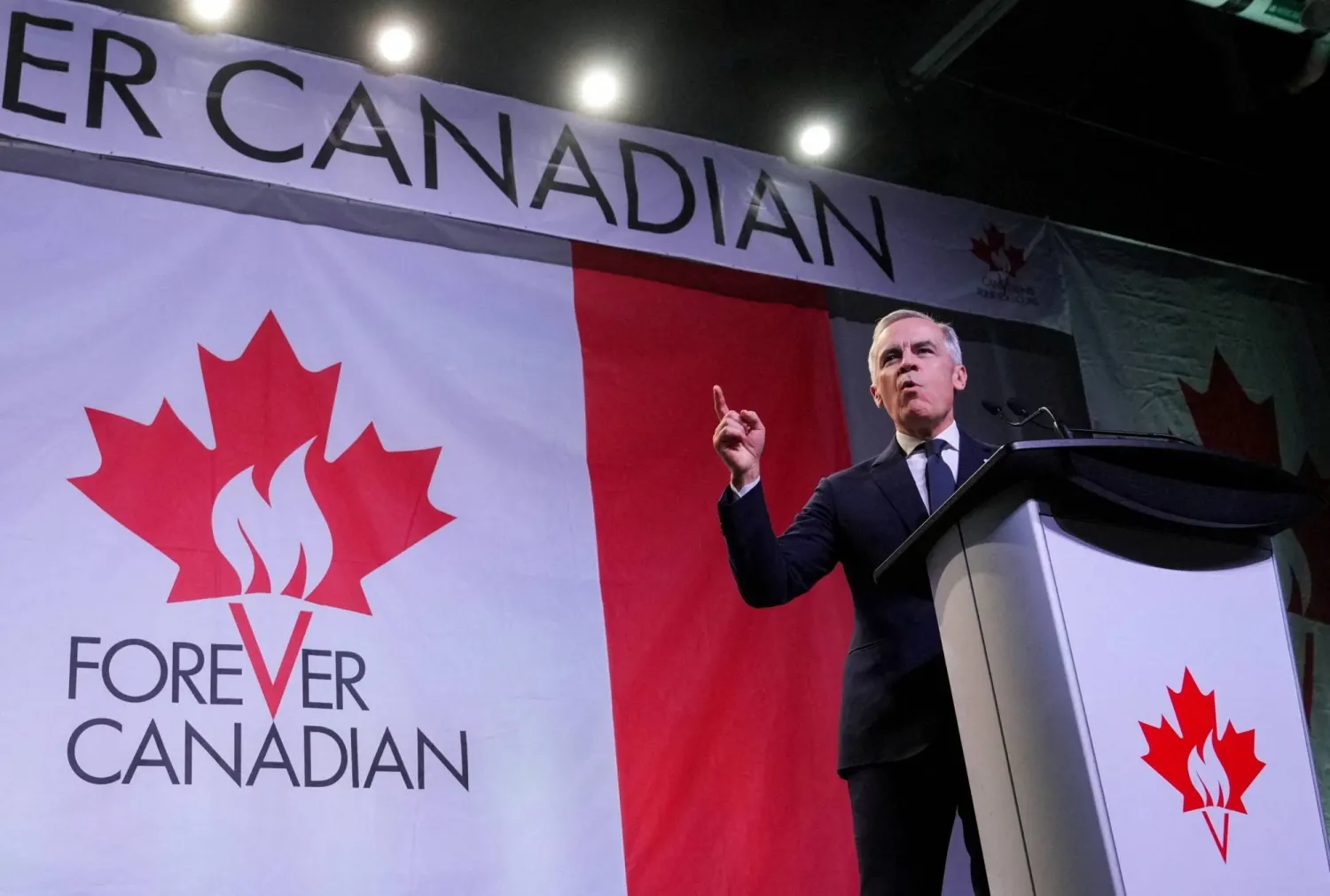
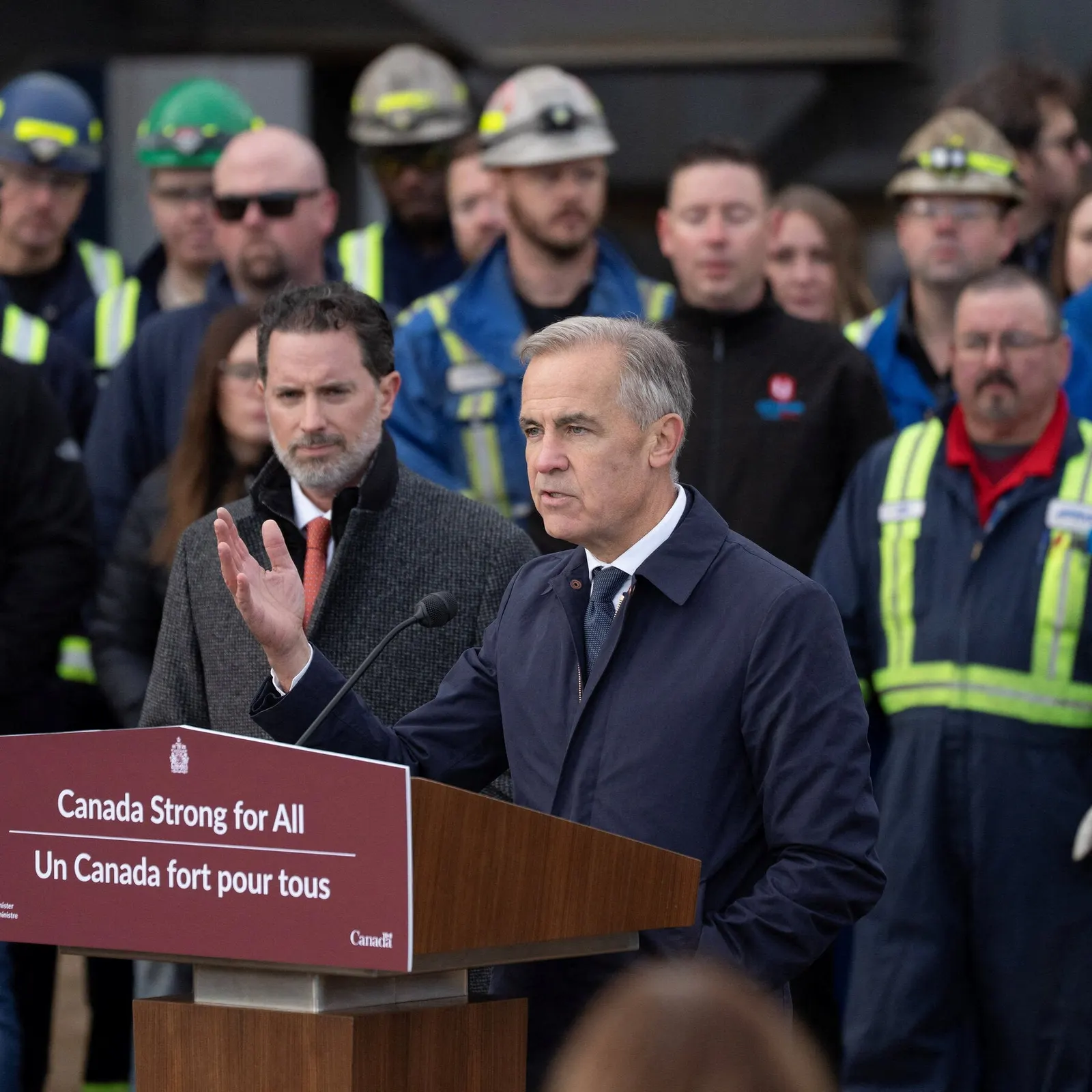
Carney campaigned in Calgary and Edmonton for a united Canada, The Guardian reports. Polling cited by the BBC suggests most Albertans would choose to stay, but Carney has urged supporters to vote. “No one should assume that the outcome has already been settled. Turnout will determine the outcome,” he said, according to The Straits Times.123
Competing economic arguments
Separatists argue that federal environmental policy has constrained Alberta’s economic growth and that independence would allow the province to keep more of its wealth, the BBC reports. Opponents warn that Alberta would assume billions of dollars in debt and that uncertainty would cost jobs and investment.2
The Guardian reports disagreements within the independence movement over readiness for separation. Keith Wilson has published a 214-page transition plan, while Bill Jones has questioned proceeding without institutions such as a police force and pension system. Chris Scott, founder of Let’s Talk Alberta, told the BBC: “The key is the conversation has started and it needs to continue.”12
According to the BBC, election workers must finish a manual count of the votes within 48 hours. The separation question will be counted first; The Straits Times reports that its results are expected in the early hours of October 20.23
Why it matters
For European readers, the vote concerns Canada’s unity during a trade dispute with the United States. Carney has warned that a separatist victory would add uncertainty during that dispute; the immediate decision is whether to pursue another referendum, not to leave Canada now.23
Videos
Related stories


Version history
- version 1 ·