Asian stocks fall as AI shares retreat and US tariff threats return
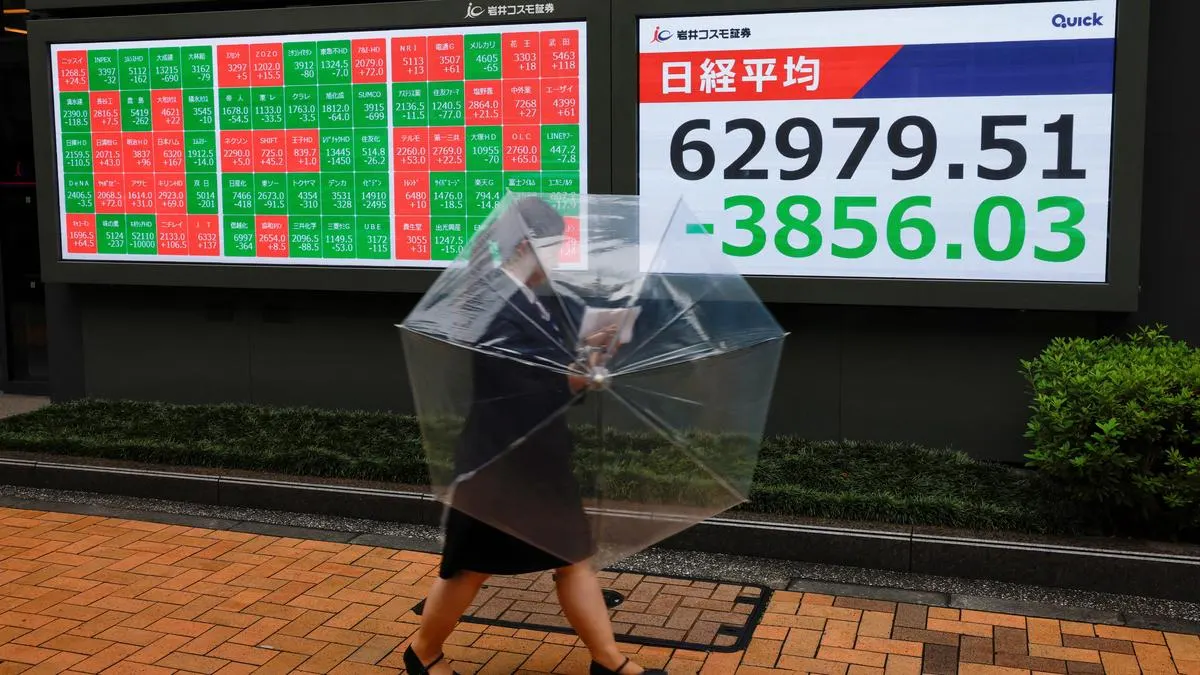
Renewed technology selling weighed on Asian markets on November 25. Reuters also reported preparations for US trade findings that could open the way to new tariffs.
Reuters reported falling Asian stocks as AI selling resumed and US tariff threats returned.
- The later Reuters report put Taiwan’s stock-index decline at 7.4%.
- US trade findings could enable new tariffs, according to Reuters.
- China and the EU were included in the reported investigation.
- Dell’s earnings exceeded expectations despite weakness elsewhere in AI shares.

What's new
- Reuters reported that renewed technology selling reversed much of the previous session’s AI rebound.
- A later Reuters report put Taiwan’s stock-index decline at 7.4%.
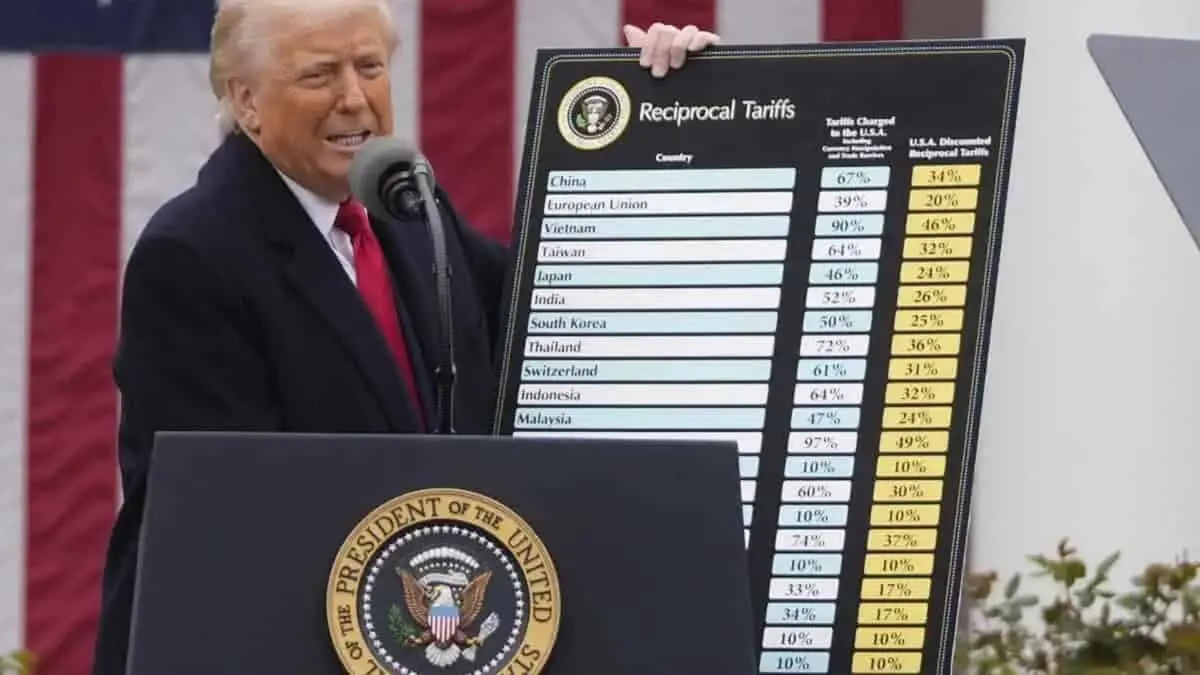
- US trade officials were preparing investigation findings that could enable new tariffs, according to Reuters.
Asian stocks declined on November 25, 2026, as renewed selling in artificial-intelligence shares weakened a technology rebound and fresh US tariff threats weighed on sentiment, Reuters reported. Taiwan was among the markets hit, with the later Reuters report putting its stock-index fall at 7.4%.12
Technology selling resumes
The earlier Reuters report, carried by bdnews24.com, put the decline in MSCI’s broad Asia-Pacific index excluding Japan at 2.3%. It reported that South Korean shares had fallen as much as 5.3% and Taiwan’s market as much as 5.1%. The subsequent Reuters account reported a larger fall in Taiwan as technology selling resumed.12
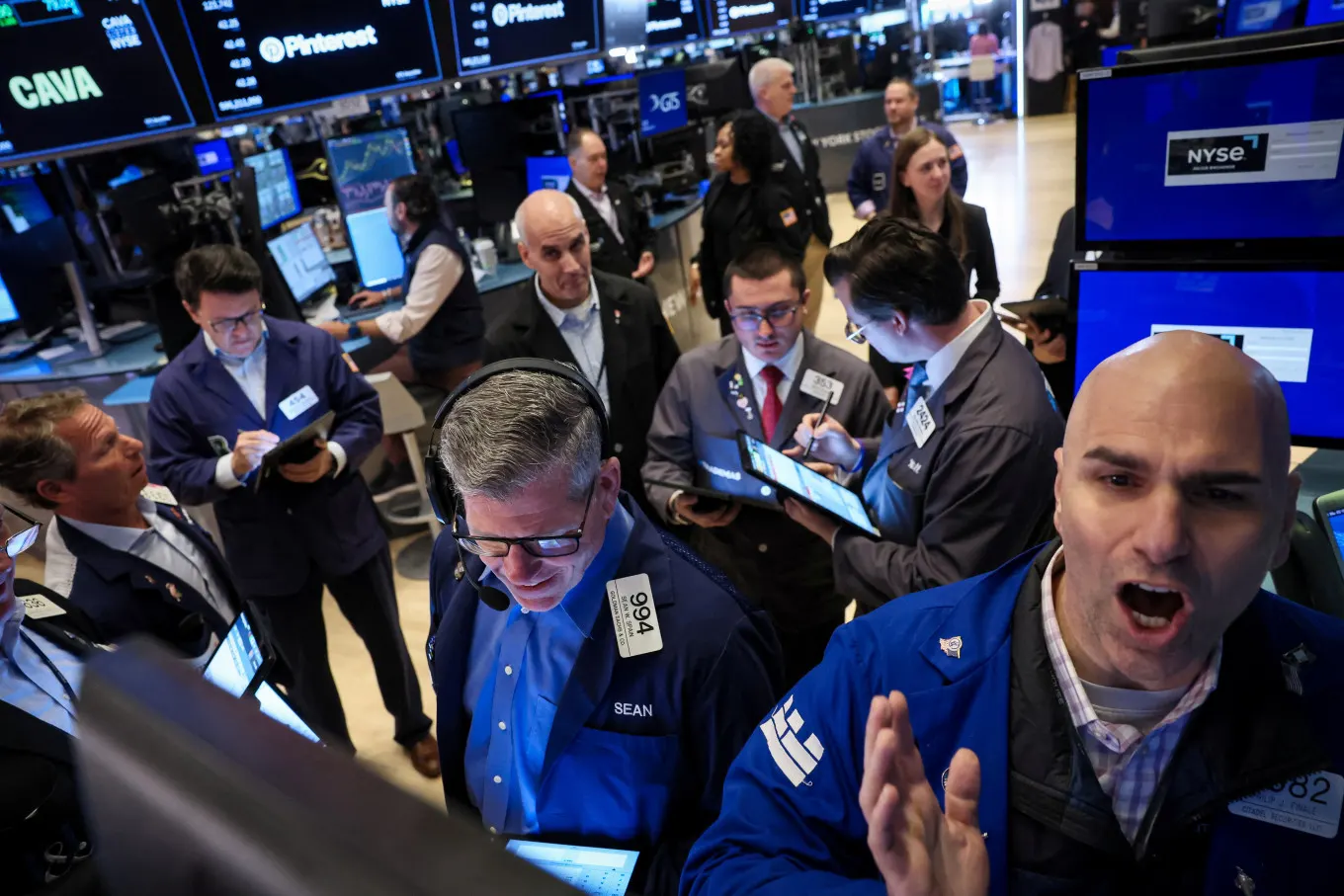
The retreat followed an uneven overnight session in the United States. According to the earlier report, the S&P 500 lost 0.5% and the Nasdaq Composite declined 1.5%, while the Russell 2000 and Dow Jones Industrial Average advanced. The losses therefore did not extend across all the US indices cited in that account.1
Nvidia shares fell 5.9%, while Anthropic declined 6.5% and traded below its initial public offering price, Reuters reported. Dell provided a contrasting earnings signal: its results exceeded expectations as demand for AI servers increased, and its shares rose. Those results came as the broader technology rebound was losing momentum.1
Trade investigation in focus
According to Reuters, the US Trade Representative’s office was readying conclusions from a probe covering claims of surplus industrial capacity involving 16 of the United States’ leading trade partners. China and the European Union were among those covered. The report said the Trump administration’s planned release could provide a basis for additional tariff measures.1
Investors were reluctant to commit significant funds based solely on tariff-related headlines, said Pepperstone Group Ltd research chief Chris Weston. His comments accompanied the report’s account of renewed trade uncertainty, rather than an announcement of completed tariff measures.1
Inflation and other markets
Economic releases offered a separate set of signals. US consumer confidence rose more than expected in November to its highest point in nearly two years, Reuters reported. In Australia, October consumer prices increased more than forecast, with fuel and clothing prices rising. Trimmed-mean inflation stood at 3.8%, above target.1
The Australian inflation figures followed 125 basis points of interest-rate increases by the Reserve Bank of Australia during the year, according to Reuters. Elsewhere, Brent crude began Asian trading 0.5% lower at $90.97. Bitcoin fell 1% to $59,257.71, while ether declined 1.1% to $1,660.52, the same report said.1
Why it matters
The European Union was among the trading partners covered by the US investigation, according to Reuters, giving European readers a direct connection to the tariff developments. The reported findings could enable new measures, but the dossier does not establish their scope or timing.1
Videos
Related stories

Version history
- version 1 ·