World · Brazil
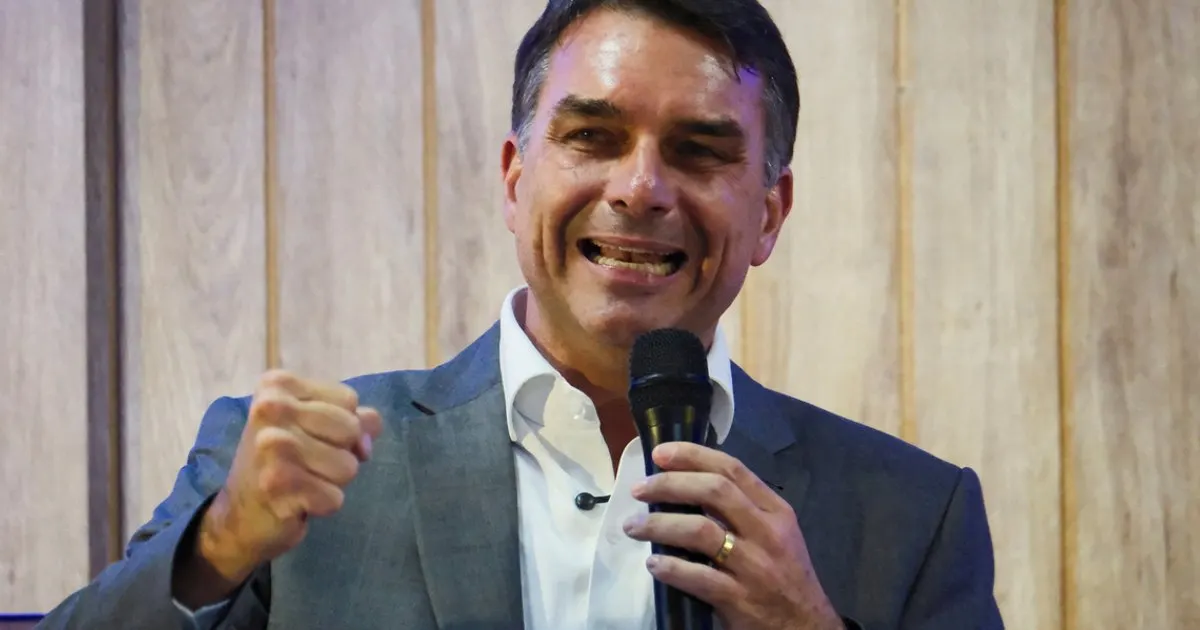
Lula courts older Brazilians ahead of runoff against Flavio Bolsonaro
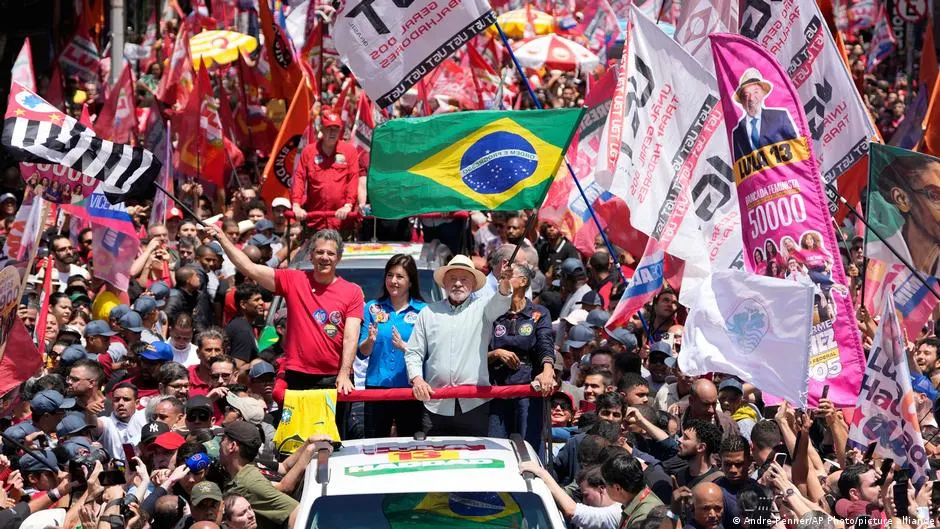
Lula’s campaign is seeking support from voters over 70. Reporting ahead of Sunday’s runoff points to concerns among older voters about healthcare, pensions and democracy.
Lula is courting older voters before Brazil’s runoff against Flavio Bolsonaro, according to both reports. The Straits Times says seniors favour Lula in Quaest polling.
- The Japan Times says Lula’s campaign targets people over 70.
- The Straits Times reports an evenly matched contest overall.
- Quaest gives Lula 48% among seniors, The Straits Times reports.
- Some older voters fear benefit cuts; others support Bolsonaro, The Straits Times reports.

What's new
- The Japan Times reports that Lula’s campaign is actively courting voters over 70.
- The Straits Times reports that Lula and Flavio Bolsonaro are level ahead of Sunday’s vote.
- Quaest polling cited by The Straits Times puts Lula ahead among seniors, 48% to 42%.
Brazilian President Luiz Inacio Lula da Silva is courting older voters ahead of Sunday’s presidential runoff against Flavio Bolsonaro in Brazil, according to reports published on October 22. The Japan Times says the 80-year-old president’s campaign is targeting people over 70, while The Straits Times reports an otherwise evenly matched contest.12
An electorate with growing weight
The number of Brazilian voters over 60 has risen by 74% since 2010, and they now account for almost a quarter of the electorate, according to The Straits Times. The newspaper reports that older people have traditionally received limited attention from election campaigns.1
Lula’s campaign hopes their support can reverse a two-point deficit from the first round, The Straits Times reports. His Workers’ Party has launched a website encouraging older people to vote, alongside the campaign’s effort to reach those over 70.12
A Quaest poll cited by The Straits Times gives Lula 48% support among seniors, against 42% for Bolsonaro. The newspaper also reports that Flavio Bolsonaro’s backing in this group is below that of his father, former president Jair Bolsonaro, at the equivalent point in the 2022 election.1
Benefits and memories
The Straits Times links some older voters’ support for Lula to their recollections of better living standards during his earlier governments. It reports that, across his three presidential terms, he has overseen a welfare programme among Brazil’s largest and most generous.1
For Rony Amaral, a 71-year-old Lula supporter, healthcare and pensions are central concerns. According to The Straits Times, he fears Bolsonaro would reduce spending on both. Other seniors interviewed expressed concerns that pressure to reduce public debt could mean smaller benefits; those concerns do not establish what Bolsonaro would do in office.1
“What I see is a fear among people over 60 that they will be left without care,” Amaral told The Straits Times. According to the newspaper, it received no reply from Bolsonaro’s campaign when it sought comment.1
Different choices among seniors
Older voters are not united behind Lula. Isaltina Rosa Peixoto, a 73-year-old retired civil servant supporting Bolsonaro, expressed confidence in him, telling The Straits Times: “I'm not afraid because I know he'll do what's best.”1
The newspaper also reports concerns among some seniors about democracy under a Bolsonaro presidency. Following Jair Bolsonaro’s loss to Lula, his supporters stormed government buildings in January 2023. Olga Darc Pimentel, 78, who lives near Manaus, plans to vote for Lula and is urging others to join her, according to the report.1
Why it matters
For readers in Europe following Brazil’s election, the reporting identifies older voters as a constituency to watch: they account for almost a quarter of the electorate, according to The Straits Times. Its account of an evenly matched race gives particular relevance to the candidates’ differing support among seniors.1
Videos
Related stories
Version history
- version 1 ·