Health · Democratic Republic of the Congo, United Kingdom
British national tests positive for Ebola in Congo as evacuation reported
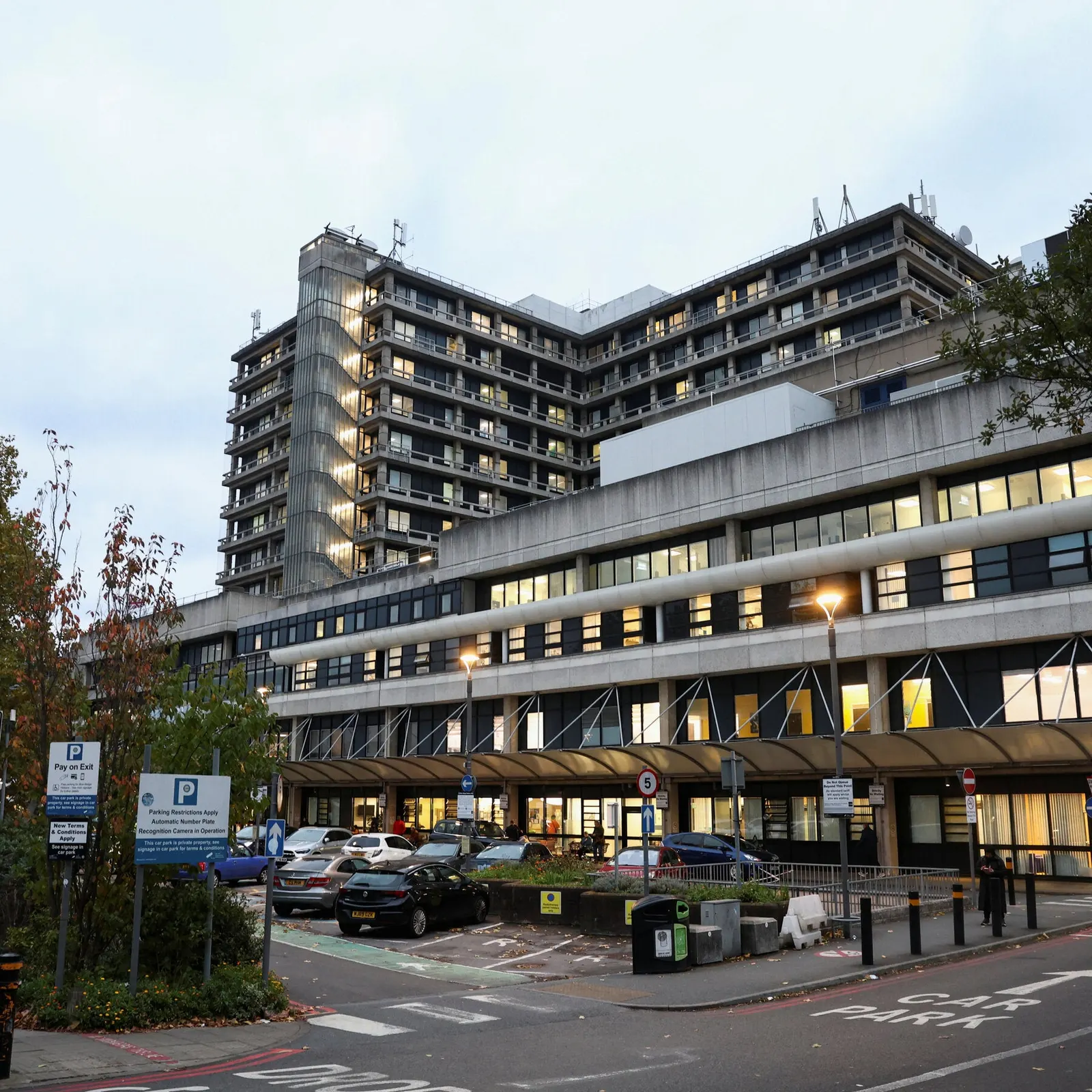
Britain has activated its response procedures after confirming the infection. Reuters reported that the patient was being evacuated for specialist treatment, while officials assessed the public risk as low.
Britain confirmed an Ebola infection in a British national in Congo. Reuters reported a medical evacuation to the UK, where officials assessed public risk as low.
- The UK government activated its response procedures.
- Reuters said the patient was stable.
- The Foreign Office had not confirmed the return, according to the BBC.
- Officials assessed the risk to the UK public as low.
What's new
- The UK government confirmed a British national's positive Ebola test in Congo.
- Reuters reported that the patient was stable and undergoing medical evacuation.
- UK officials said response procedures had been activated and public risk remained low.
The UK government confirmed in coverage published on November 4, 2026, that a British citizen had received a positive Ebola test result while in the Democratic Republic of Congo. Reuters reported the same day that the patient was a healthcare worker being medically evacuated to Britain for specialist treatment.13
Response procedures activated
The government said it had put its established arrangements for handling such cases into operation. Its assessment was that the risk to people in the UK remained low, a position also reported by The New York Times on November 5.12
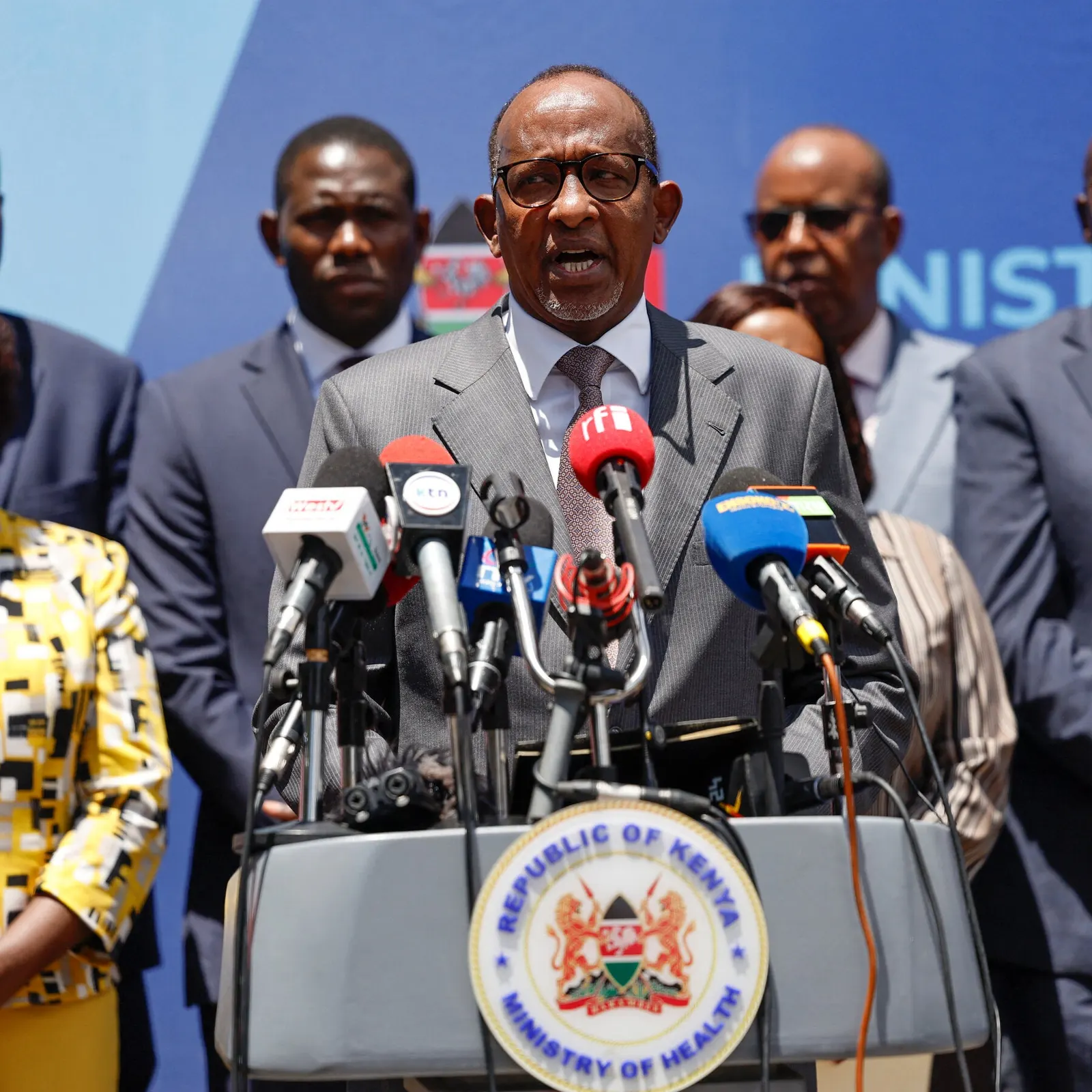
“The UK has well-established procedures for dealing with cases like this, and those processes have been activated,” a UK government spokesperson said. The statement confirmed the response to the infection but did not itself establish whether the patient would be returned to Britain.1
According to Reuters, which cited a document, the British patient was in stable condition and was being transferred for specialist care. The agency also reported that authorities did not anticipate a serious public-health impact in Britain or disruption to travel or trade.3
Evacuation reporting and official confirmation
According to the BBC, the Foreign Office had not verified that the patient was set to return to the UK to receive treatment. It also said it had not seen the internal document cited by Reuters. The evacuation details therefore rested on Reuters' reporting rather than a Foreign Office confirmation.13
The New York Times reported on November 5 that the British citizen would be evacuated to the UK, attributing its account to the BBC. That report followed the November 4 coverage of the positive test and the arrangements described by Reuters.123
Earlier UK cases
The BBC described imported Ebola infections in Britain as exceptionally uncommon and said none had resulted in a death. Its account listed four confirmed UK cases: one linked to a laboratory incident in 1976 and three involving healthcare workers who responded to the West African outbreak.1
Those three healthcare-worker cases were associated with the outbreak between 2014 and 2015, according to the BBC. Separately, the broadcaster reported that a UK resident who had been exposed to Ebola was flown to Britain for medical attention in July; that account described exposure, rather than a confirmed infection.1
In Congo, the recent outbreak had exceeded 10,000 confirmed cases by May, according to the BBC. The broadcaster described it as the country's deadliest recorded Ebola outbreak and reported a fatality rate of 48.6%.1
Why it matters
For readers in Europe, the immediate development is the reported transfer of an infected British patient to the UK for specialist care. Officials assessed the risk to the UK public as low; Reuters reported that authorities expected no disruption to British travel or trade.123
Videos
Related stories
Version history
- version 1 ·