World · United States of America
Cornell faculty votes no confidence in leadership over sexual assault response
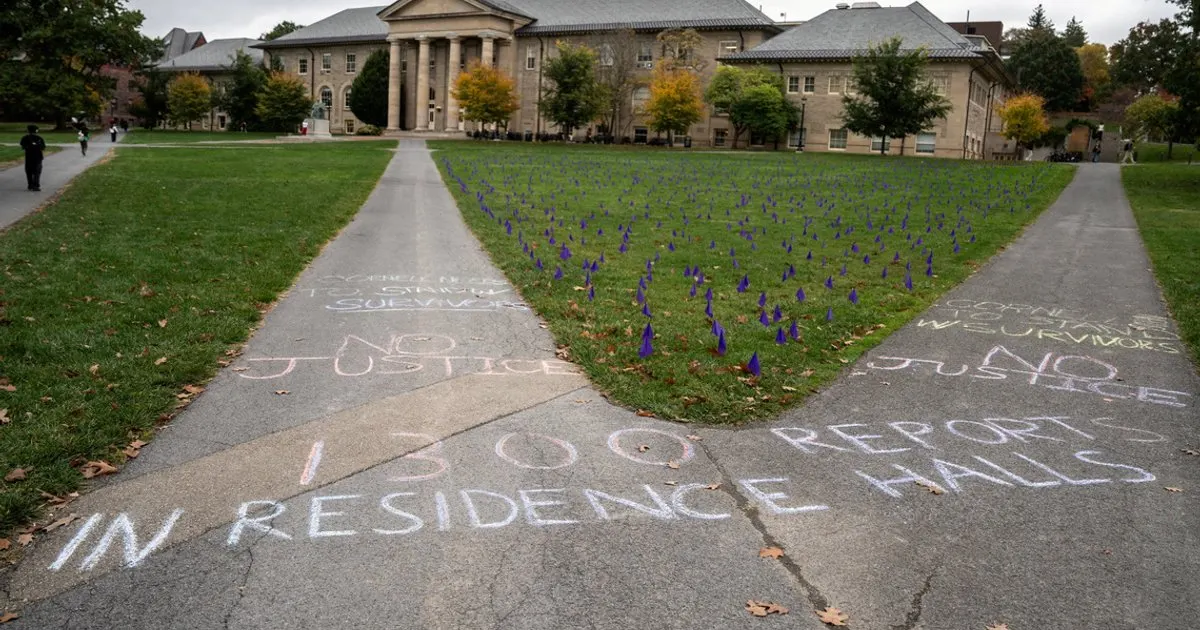
Cornell’s faculty senate has challenged the administration’s handling of sexual assault allegations. Trustees continue to support President Michael Kotlikoff and his administration.
Cornell’s faculty senate voted no confidence in university leadership over its sexual assault response. Trustees continue to back President Michael Kotlikoff.
- The faculty senate cannot remove university leaders.
- Jane Doe’s allegations are contested by the seven accused men.
- State prosecutors are examining whether criminal charges are warranted.
- Cornell says its investigation resulted in disciplinary measures.
What's new
- The faculty senate approved a no-confidence resolution, with results reported on Nov 6.
- Trustees reaffirmed their support for Kotlikoff and his administration.
- University procedures give the president 30 days to respond in writing.
Cornell University’s faculty senate has approved a no-confidence resolution concerning the university’s leadership in Ithaca, New York, with results reported on Nov 6, 2026, amid criticism of its response to sexual assault allegations. The board of trustees nevertheless maintained its support for President Michael Kotlikoff and his administration.123
A vote without removal powers
Faculty senators voted electronically over more than a week, according to the Guardian. The resolution challenged the central administration’s ability to address sexual assault at Cornell. The BBC reported that the vote was largely symbolic because the senate cannot remove university leaders.123
The Straits Times reported that 55.6 percent supported the resolution, 37 percent opposed it and 7.4 percent abstained. Under university procedures, Kotlikoff has 30 days to provide a written response, the newspaper said. The Guardian reported that the resolution did not seek his resignation.13
Trustees acknowledged anger on campus but said Kotlikoff and his administration were the appropriate leaders to address the issue. Board chair Anne Smalling said: “The board fully supports President Kotlikoff and his administration”.12
Allegations and investigations
The dispute follows allegations by a former student identified as Jane Doe concerning an incident in October 2024. The Guardian reported that in September she sued Cornell and seven former members of the Chi Phi fraternity, claiming she had been administered ketamine before being raped in the fraternity house.1
All seven men denied wrongdoing, and none had been charged with a crime, the BBC reported. The Guardian said their responses were that the sex was consensual or that they were not involved. The allegations remain the subject of civil proceedings and a criminal investigation.12
The local district attorney initially concluded that Doe had consented and that no crime had occurred, according to the Guardian. It reported that the investigation was subsequently reopened and transferred to New York’s attorney general. The BBC said state prosecutors were examining whether criminal charges were warranted.12
Disagreement over the response
According to the Straits Times, Cornell said it thoroughly investigated the matter and took disciplinary action that included expelling students. The BBC reported that the university acknowledged shortcomings in its handling of Doe’s case and commissioned an independent review by a former attorney general.23
The administration’s responses also included expanded prevention education, additional victim advocates and more civil-rights-office staff, according to the Guardian. Kotlikoff convened a taskforce on campus sexual misconduct that released recommendations, the newspaper reported.1
Faculty senator Risa Lieberwitz argued that the administration had failed to address sexual assault systemically during more than a decade of Kotlikoff’s senior leadership, the Straits Times reported. Dean of faculty Chris Schaffer opposed the resolution, saying it did not specify the failures or changes it sought. The BBC likewise reported that it contained no specific recommendations.23
Why it matters
For European readers, the case distinguishes a university’s internal disciplinary response from a criminal investigation: Cornell reported disciplinary action while state prosecutors examined whether charges were warranted. It also shows the limits of this faculty vote, which cannot itself remove university leaders.123
Videos
Related stories



Version history
- version 1 ·