World · Ethiopia, Eritrea
Ethiopia and Eritrea sever ties amid northern fighting and Addis Ababa blasts
The neighbours closed embassies and exchanged accusations as clashes continued across northern Ethiopia. Explosions were reported at Ethiopia’s military headquarters, while the UN called for de-escalation and talks. [s1][s2][s3][s4]
Listen to the story
Short version
Ethiopia and Eritrea severed diplomatic relations as northern fighting continued and unexplained explosions were reported in Addis Ababa. Both governments accuse the other of supporting armed opponents. [s1][s2][s3][s4]
- Ethiopia closed its Asmara embassy and expelled 10 Eritrean diplomats. [s1][s2]
- Eritrea severed ties and accused Ethiopia of backing opposition groups. [s1][s3]
- Federal forces are fighting a seven-group, TPLF-led alliance. [s2][s4]
- Addis Ababa explosions remain unexplained, with no confirmed toll. [s1][s2][s3]
- The UN urged de-escalation and talks. [s2]
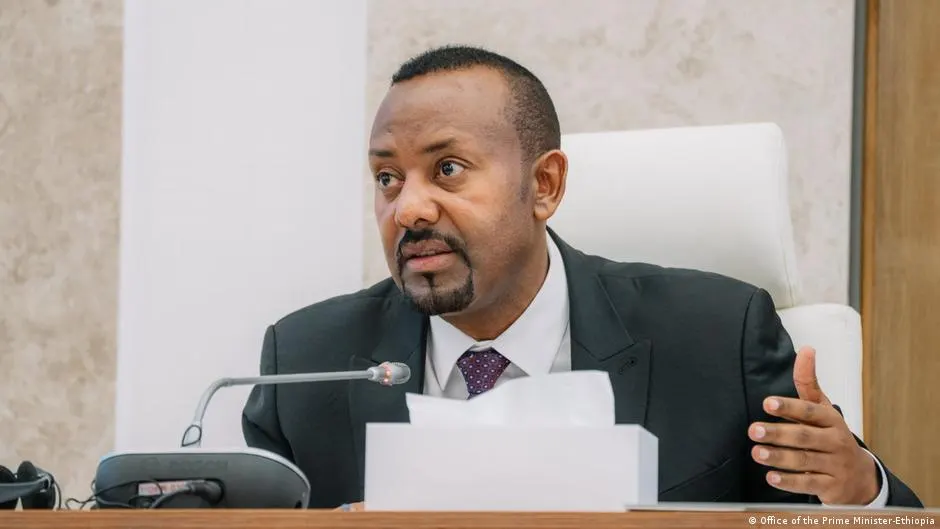
What's new
- Ethiopia closed its embassy in Asmara and gave 10 Eritrean diplomats 48 hours to leave. [s1][s2]
- Eritrea severed diplomatic relations and accused Ethiopia of supporting Eritrean opposition groups. [s1][s3]
- Explosions were reported at Ethiopia’s military headquarters, but their cause and consequences remain unclear. [s1][s2][s3]
- The UN called for de-escalation and talks between Ethiopia’s government and the new opposition alliance. [s2]
Diplomatic ties between Ethiopia and Eritrea were cut after Ethiopia shut its mission in Asmara, designated 10 Eritrean diplomats persona non grata and gave them 48 hours to depart. Eritrea took reciprocal action while clashes persisted in northern Ethiopia and blasts were reported at the military’s command headquarters in Addis Ababa.1234
Diplomatic rupture
The Ethiopian government said the Eritrean diplomats “pose a direct threat to Ethiopia's national security”. Ethiopia also accused Eritrea of supporting an alliance of armed organisations fighting the federal government, an allegation Eritrea has repeatedly denied, according to the BBC. Eritrea described Ethiopia’s accusations as “astounding”.1
The Eritrean foreign ministry said Ethiopia’s decision left it no choice but to respond in kind. Eritrea severed diplomatic relations after Ethiopia shut its embassy in Asmara and expelled the diplomats. France 24 and the South China Morning Post reported that the two governments accused each other of fuelling internal conflicts.145
In a separate allegation, Eritrea said Ethiopia was sheltering and training Eritrean opposition groups trying to oust the government, as well as supplying them with weapons. Ethiopia said the embassy closure and expulsions responded to Eritrea’s direct and indirect hostility. The Ethiopian embassy in Asmara had reopened in 2018 as part of the countries’ rapprochement.23
The allegations have not been independently substantiated in the dossier. Deutsche Welle reported that there was no evidence establishing an Eritrean role in the latest escalation, although experts it interviewed considered Eritrean involvement plausible. A pro-government militia commander separately told the BBC that Eritrean soldiers had appeared on front lines in Tigray; that account was not independently confirmed.12
Fighting in northern Ethiopia
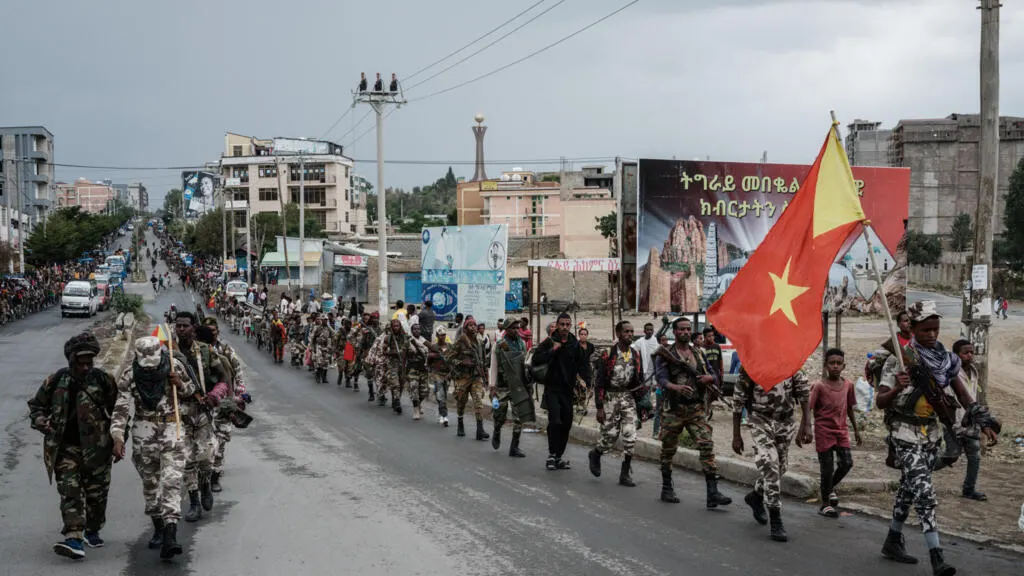
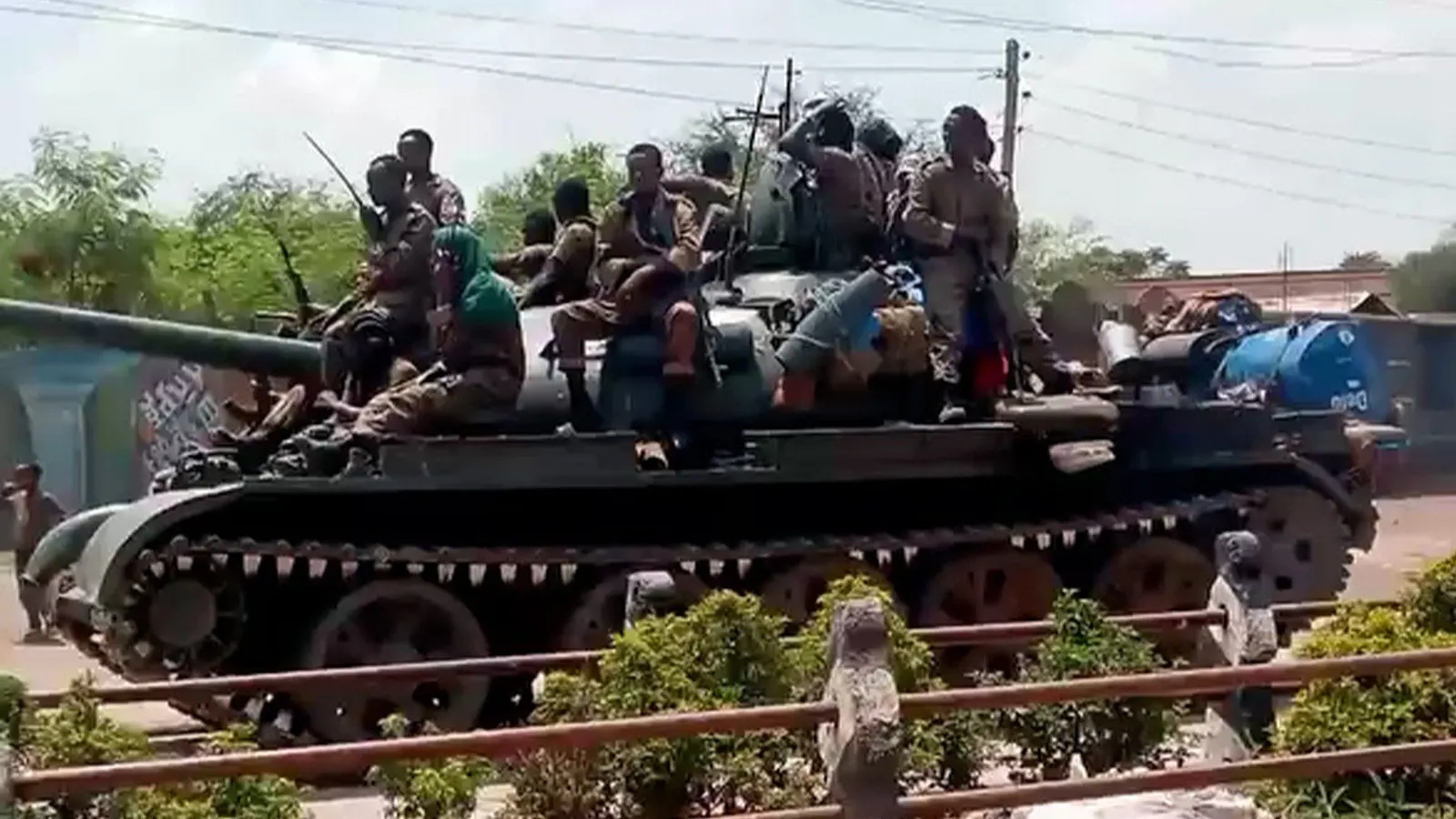
Deutsche Welle reported that, over the past week, the Ethiopian National Defence Force had battled three militias from a recently created coalition of seven groups headed by the Tigray People’s Liberation Front in the country’s north. The alliance comprises domestic armed groups opposed to Prime Minister Abiy Ahmed’s federal government and says it seeks to remove his administration.12
Federal forces and their allies were reported to be advancing towards Mekelle, Tigray’s regional capital, after apparently gaining territory in southern Tigray. At least 52 civilians were killed during three days of intense fighting in Alamata, according to the BBC, while tens of thousands of people fled their homes in neighbouring Afar. The federal government and the TPLF have each blamed the other for beginning the latest hostilities.1
The United Nations said drone activity and aerial attacks endangered civilians, essential facilities and humanitarian operations, and urged the government and the new alliance to ease the fighting and begin talks. The latest violence comes after the 2020–22 Tigray war, during which Eritrean troops joined Ethiopia’s federal military in battling the TPLF. The BBC reported that about 600,000 people died in that conflict, which ended with the Pretoria peace agreement in November 2022.12
Explosions and regional accusations
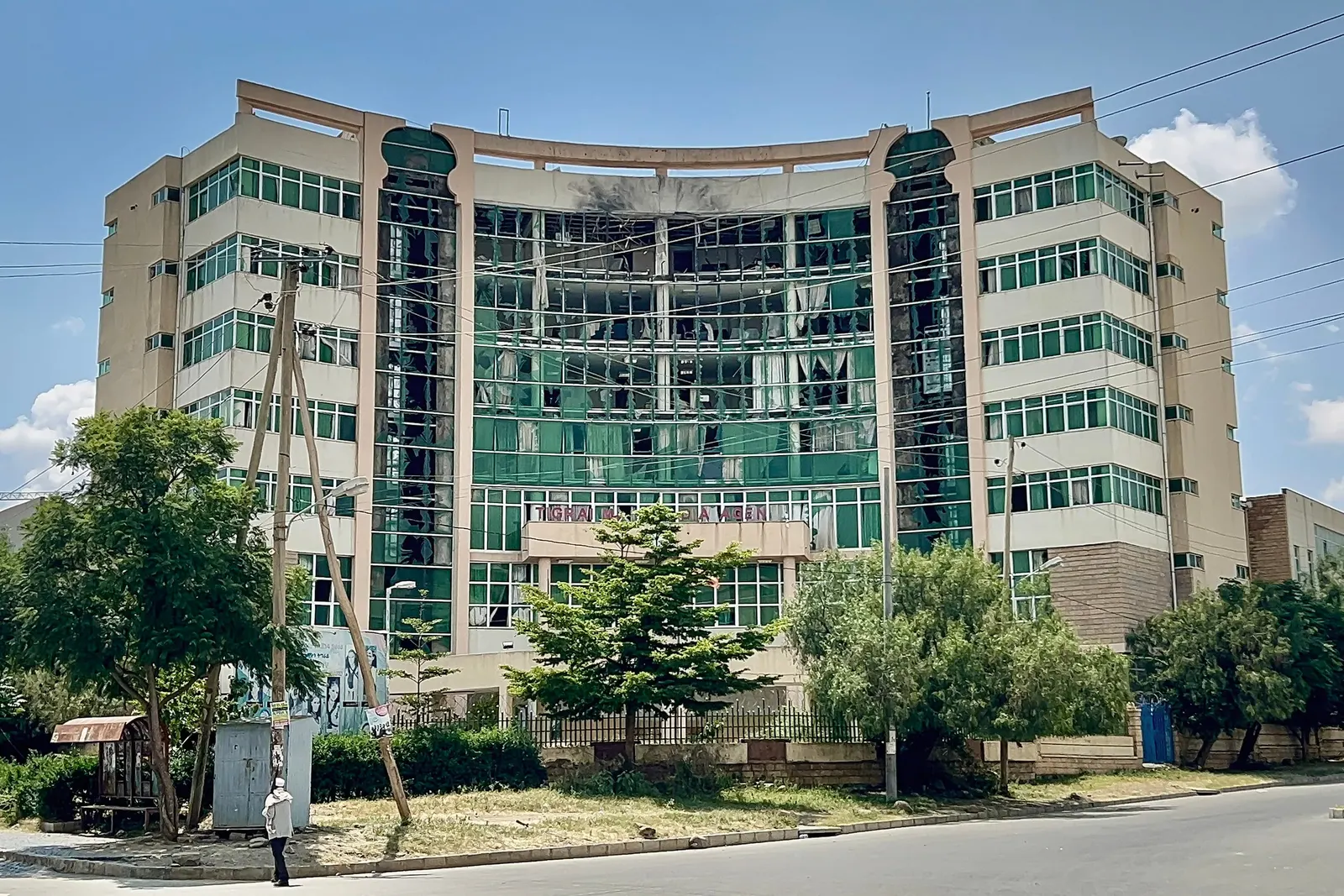
The BBC reported explosions across Addis Ababa, while Deutsche Welle said a blast occurred at the Ethiopian National Defence Force headquarters between midnight and 1am and that three blasts were heard after the government prohibited drone flights over the capital. The BBC was told by a person connected to the opposition coalition that its forces had carried out drone attacks, while Middle East Eye reported that Western and regional officials blamed a drone strike for the blast at the military headquarters. Ethiopian authorities had not confirmed the cause, and the available reports did not establish responsibility, casualties or significant damage.123
Birhanu Jula, an Ethiopian military commander, alleged that the TPLF was receiving backing from the governments of Eritrea, Sudan and Egypt. Sudan rejected the allegation as “baseless” and accused Ethiopia in turn of assisting the Rapid Support Forces, the militia fighting the Sudanese Armed Forces. Deutsche Welle reported that there were no signs of direct involvement by either the Sudanese army or the RSF in Ethiopia’s fighting.2
The Sudan connection has nevertheless added a regional dimension. Deutsche Welle reported that Tigrayan fighters organised as Army 70 had fought beside the Sudanese Armed Forces against the RSF, and that Sudan’s government hosted senior TPLF representatives and other Ethiopian opposition leaders in May. Susanne Stollreiter of the Friedrich Ebert Foundation described the Ethiopian conflict as primarily domestic but said external actors gave it a foreign-policy dimension. One week after the fighting began, however, Deutsche Welle said there were no clear signs that it was becoming internationalised.2
Why it matters
For European readers, the broader significance lies in the possibility that an Ethiopian conflict described as primarily domestic could increasingly involve neighbouring states and other external actors. Deutsche Welle reported that no clear internationalisation was evident after one week, but analysts identified a foreign-policy dimension involving Eritrea, Sudan, Egypt and other regional relationships.2
Videos
Related stories
consequence
Version history
- version 2 · The update adds reports of explosions at Ethiopia’s military headquarters, Eritrea’s counter-allegations, the embassy’s 2018 reopening and the UN call for talks.
- version 1 ·