World · Ethiopia
Eritrean Forces Reported to Seize Much of Ethiopia's Afar Region as Tigray War Widens
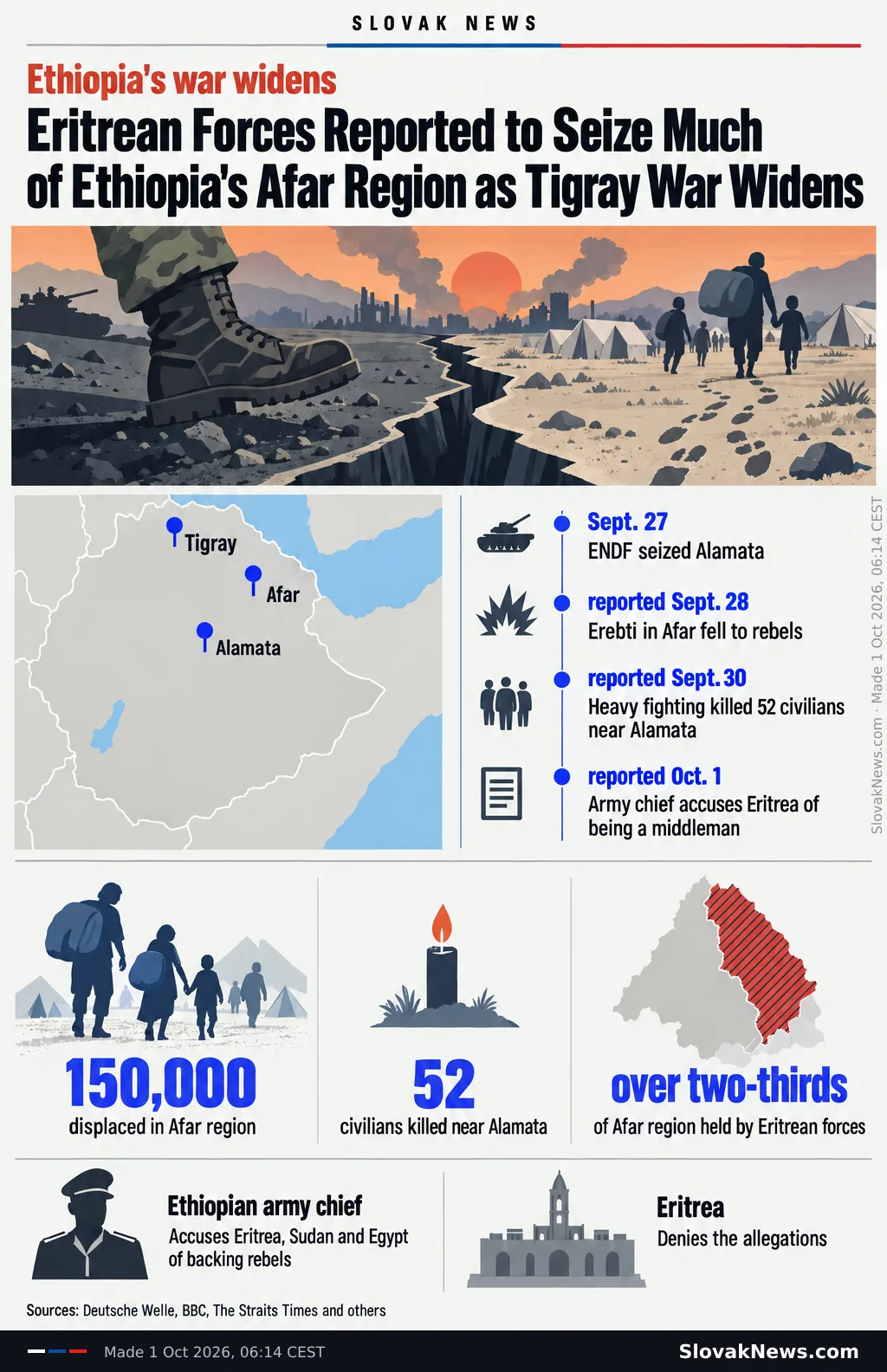
Government troops have consolidated their hold on the Tigrayan town of Alamata while Eritrean forces are reported to control more than two-thirds of neighboring Afar, threatening Ethiopia's main trade route to Djibouti as the 2022 peace deal collapses.
Listen to the story
Short version
Ethiopia's Tigray conflict has spread into the Afar region, where Eritrean forces reportedly control vast territory, even as government troops hold the captured town of Alamata.
- Eritrean forces reported to control over two-thirds of Afar region
- Erebti in Afar fell to rebels; 150,000 displaced
- ENDF seized Alamata on September 27; at least 52 civilians killed
- Army chief accuses Eritrea, Sudan, Egypt of backing rebels; Eritrea denies
- ICRC evacuated 161 people from Tigray to Afar
Infographic
What's new
- Eritrean forces reported to control more than two-thirds of Ethiopia's Afar region, threatening the Djibouti trade corridor
- Erebti town in Afar fell to rebel forces after heavy artillery fire; at least 150,000 displaced
- Diplomatic sources confirm Alamata fell to pro-government forces, though full control remains unclear
- Army chief Birhanu Jula accuses Eritrea, Sudan and Egypt of backing rebels; Eritrea denies involvement
- ICRC evacuated 161 people from Tigray
Ethiopia's renewed conflict widened as Eritrean forces reportedly seized control of more than two-thirds of the neighboring Afar region, threatening the country's main trade corridor to Djibouti, even as diplomatic sources confirmed government troops had taken the Tigrayan town of Alamata on September 27. At least 52 civilians were killed in three days of fighting around Alamata, and Ethiopia's army chief accused Eritrea, Sudan and Egypt of arming the rebel alliance, allegations Eritrea has denied.1239
Infographic
Alamata falls
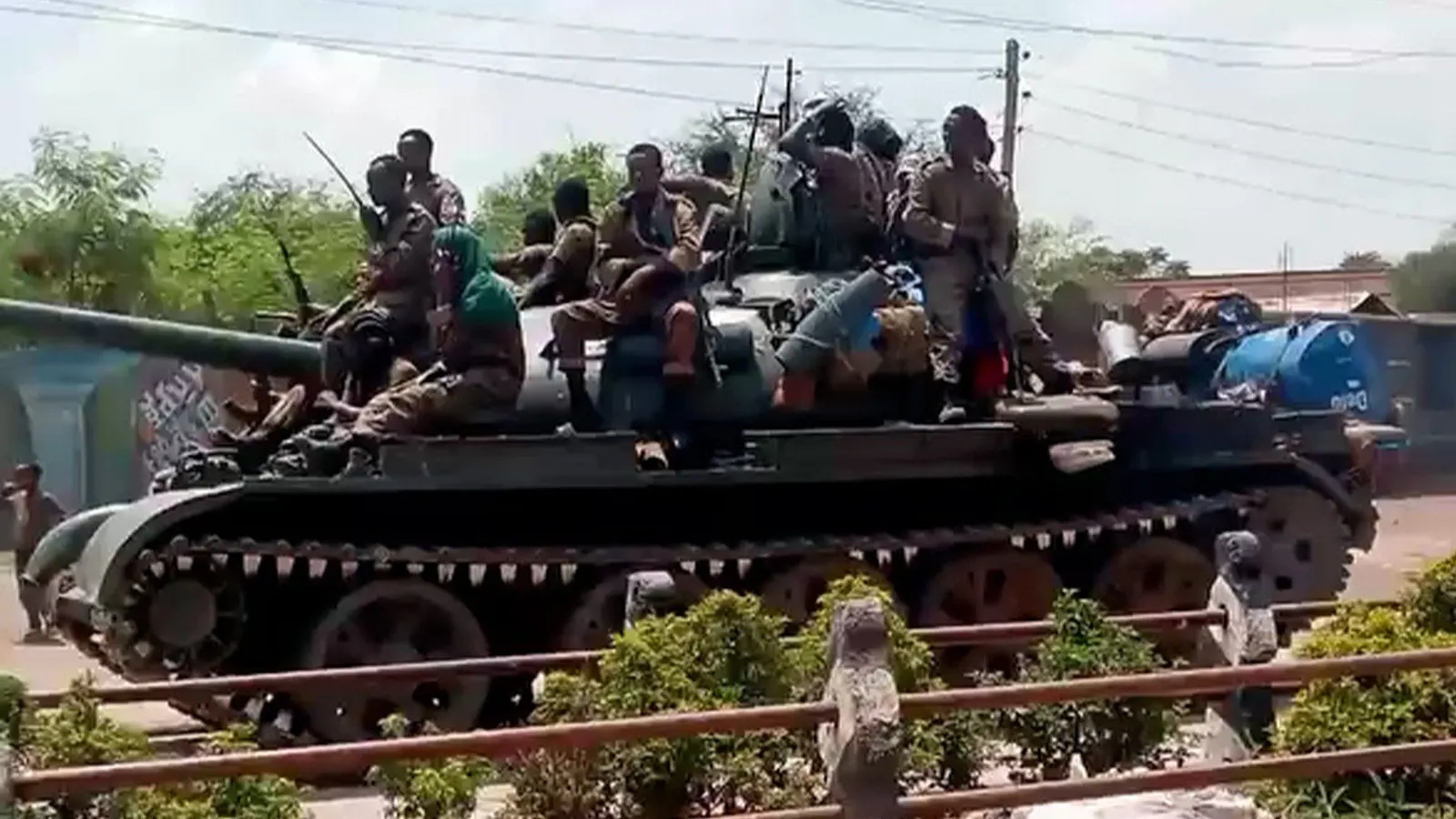
Deutsche Welle reported that government troops had taken Alamata on September 27, a development that ACLED, the conflict monitoring group, also logged. Per the same outlet, the town sits roughly 120 kilometers south of Mekelle along a key highway and repeatedly switched between the warring sides during the 2020-2022 conflict. The BBC separately reported that federal troops had wrested Alamata away from Tigrayan forces and were planning to continue their advance toward Mekelle in the north.12
Deutsche Welle reported that attacks on Alamata amounted to retaliation against its population, with government forces firing artillery into the town and a strike on the Saturday market, described as deliberately timed to maximize civilian casualties, killing 11 people and wounding 15. The BBC, citing a medic, put the toll from heavy fighting around Alamata at a minimum of 52 civilians killed over three days, including 12 people killed in a marketplace strike.12
According to The Straits Times, two diplomatic sources verified that Alamata was now in government hands, though a third source indicated pro-government troops had entered the town without yet achieving complete command of it. A source connected to pro-opposition forces said opposition fighters were pulling back from the town and expected the government to secure it entirely within a matter of hours.38
Rebel alliance expands the conflict
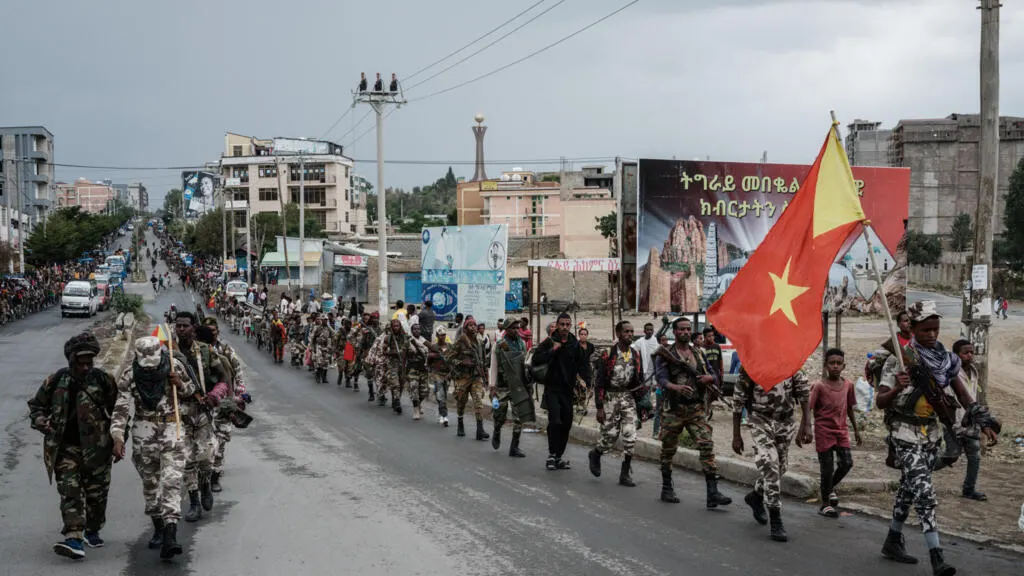
The BBC reported that the violence erupted following a prolonged buildup of hostility between Addis Ababa and the TPLF, each blaming the other for breaching the terms of the 2022 peace agreement. Foreign Policy reported that, after joining forces with six other militias—including the Amhara Fano National Movement, a onetime federal ally—the TPLF took control of three airports in Tigray and pushed offensives into the bordering Afar and Amhara regions.24
The BBC noted conflicting narratives over who started the fighting: officials claim Tigrayan forces struck first once they had captured the airports, whereas the TPLF maintains it was reacting to a government assault that involved drone strikes. Deutsche Welle suggested the push by Tigrayan fighters into Afar might be intended to endanger the country's principal trade route, and Foreign Policy noted that the first skirmishes between the TPLF and government troops took place on August 1 near Shererina.214
A fragile truce unravels
The Pretoria Agreement, signed in November 2022, required TPLF disarmament and its reintegration into Ethiopia's political system, according to Foreign Policy. Deutsche Welle reported that central terms of the deal have yet to be carried out, leaving unresolved conflicts over disputed territory and the complete disarmament of forces. Foreign Policy added that in May 2025 Ethiopia's electoral commission barred the TPLF from participating in the national vote scheduled for June 2026, and that the party subsequently revived its legislative council from before the war, pushing out the interim administration in the process.14
Humanitarian toll
AllAfrica reported that people in Tigray have begun stockpiling food and cash as fears of a new escalation grow. The BBC reported more than 700 wounded admitted to MSF-supported hospitals, banking services suspended, internet access cut, and bank accounts frozen or restricted, while a source in Alamata described residents walking for up to an hour to reach the town in search of safety. Deutsche Welle reported that the International Committee of the Red Cross evacuated around 160 individuals from Tigray, including federal police, airline staff and African Union monitors, and that facilities including hospitals, schools and religious institutions have been affected by fighters, which Deutsche Welle said constitutes war crimes under international law and the Ethiopian penal code.321
The BBC reported that 33 tourists were stranded in Lalibela for a week, with 14 Israeli tourists evacuated by military helicopter and five others leaving via an NGO convoy. A British tourist described hearing "fighting, gunfire and artillery cannons firing throughout the week" and said the airport might reopen after a period of calm.2
Regional and international dimensions
Deutsche Welle reported that Prime Minister Abiy Ahmed charged that outside nations were taking sides and aiding the rebels, while Foreign Policy said Field Marshal Birhanu Jula directly named Egypt and Sudan as sponsors of the rebel coalition; both countries rejected the claim, with Sudanese military officials dismissing it as unfounded. The Addis Standard additionally reported that Birhanu Jula claimed Eritrea serves as a go-between linking foreign powers to armed groups operating within Ethiopia, and The Straits Times reported that Jula named Sudan's military and Egypt together with Eritrea as backers of the opposition. Eritrea has denied supporting the rebel alliance, according to The Straits Times.14113
Foreign Policy reported that Eritrean forces remain in disputed border territory captured in the earlier conflict, and that this month the US removed sanctions targeting Eritrea's governing party and armed forces while simultaneously lifting its arms embargo on Ethiopia. The same outlet reported that Ethiopia intends to pull over 3,000 soldiers out of Somalia, and that roughly 400 Sudanese are entering Chad daily—a twentyfold jump—bringing the total of Sudanese refugees who have fled there in 2026 past 55,000.4
Eritrean forces advance in Afar
Ethiopia Observer, citing Al Jazeera correspondent Mohammed Taha Tawakul reporting from the Afar region, said Eritrean forces now control more than two-thirds of Afar territory and are operating on the ground there, a presence the Afar regional government confirmed. The outlet reported that Eritrean forces appear to be moving to cut off Ethiopia's access route to Djibouti, its main trade corridor, and that the town of Erebti fell to rebel forces after heavy artillery bombardment, with at least 150,000 people displaced across the region.9
Why it matters
The renewed fighting risks reversing the fragile 2022 peace that ended a war in which, according to the dossier, between 162,000 and 600,000 people died, and now includes reports of Eritrean forces directly advancing into Ethiopia's Afar region, threatening the country's main trade corridor to Djibouti and raising the risk of a wider war drawing in Sudan and Egypt. For Europe, instability in the Horn of Africa carries implications for refugee movements, trade routes through the Afar corridor to Djibouti, and the stability of a region where Western sanctions and arms policies toward Ethiopia and Eritrea have recently shifted.149
Videos
Related stories
Version history
- version 2 · Added reports that Eritrean forces control much of Ethiopia's Afar region and that Erebti fell to rebels, plus diplomatic confirmation of Alamata's fall and Eritrea's denial of backing the rebel alliance.
- version 1 ·