World · Ethiopia
Abiy Ahmed Re-elected Ethiopian PM Amid Tigray Fighting, Regional Tensions
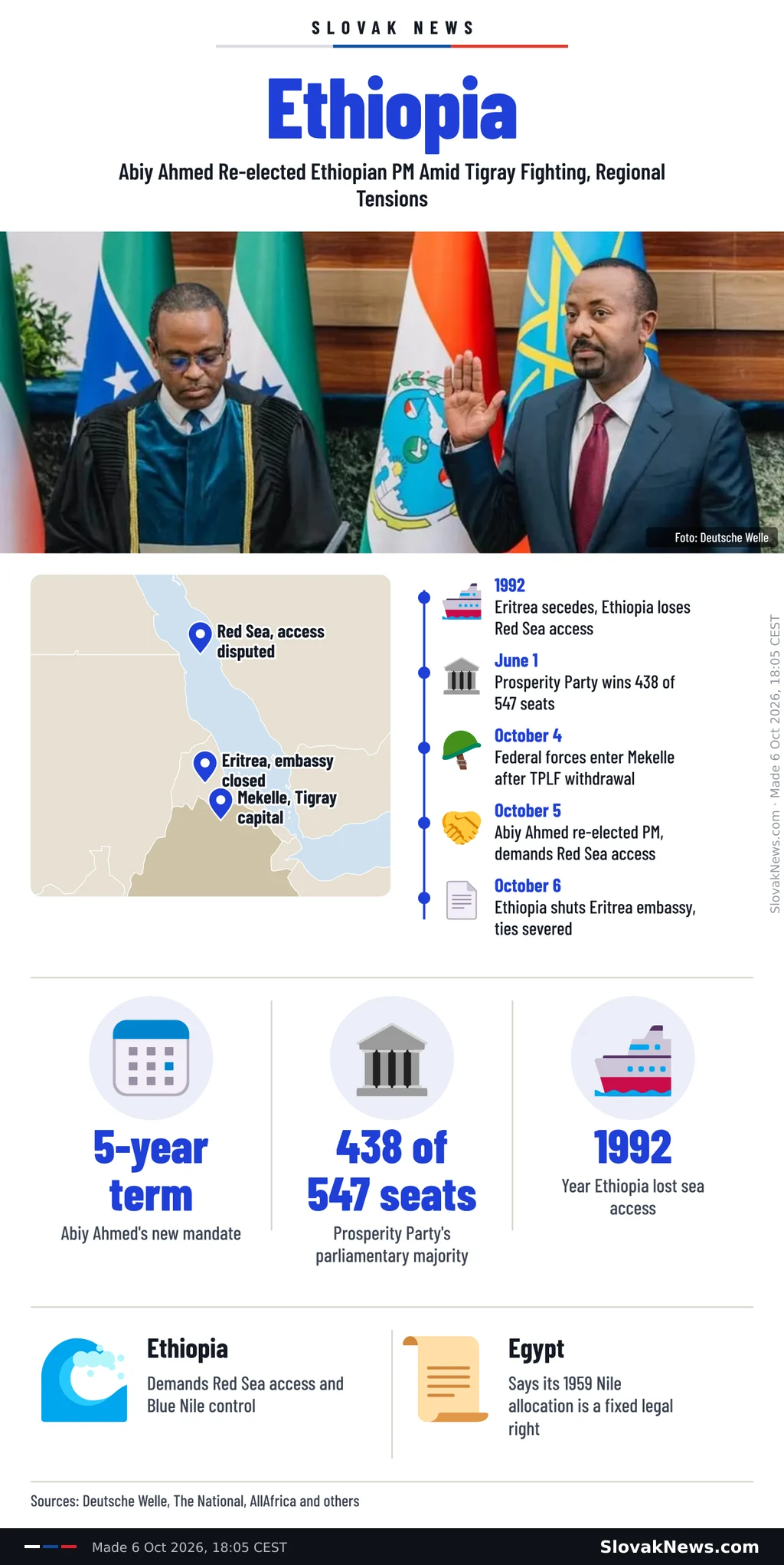
Ethiopia's parliament returned Abiy Ahmed to office for a second five-year term as renewed conflict in Tigray and disputes over the Nile and Red Sea access strained relations with Eritrea, Egypt and Sudan.
Listen to the story
Short version
Abiy Ahmed was re-elected Ethiopia's prime minister for five years as Tigray fighting resumed and regional tensions over the Nile and Red Sea access intensified.
- Parliament re-elected Abiy Ahmed for a five-year term on Monday
- Federal forces entered Tigray's capital Mekelle on October 4
- Ethiopia closed its embassy in Eritrea amid accusations
- Egypt, Eritrea, Somalia and Sudan met over Nile and Red Sea disputes
Infographic
What's new
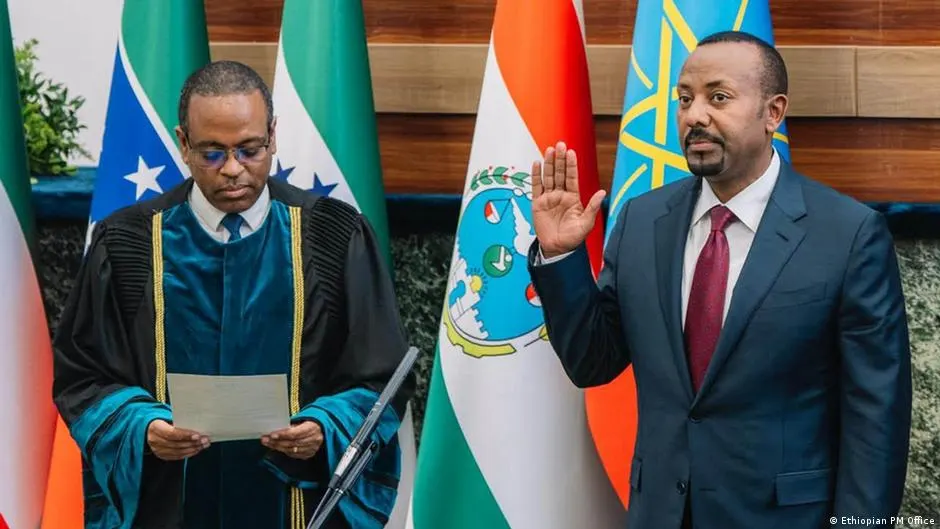
- Parliament re-elected Abiy Ahmed prime minister for a five-year term on Monday
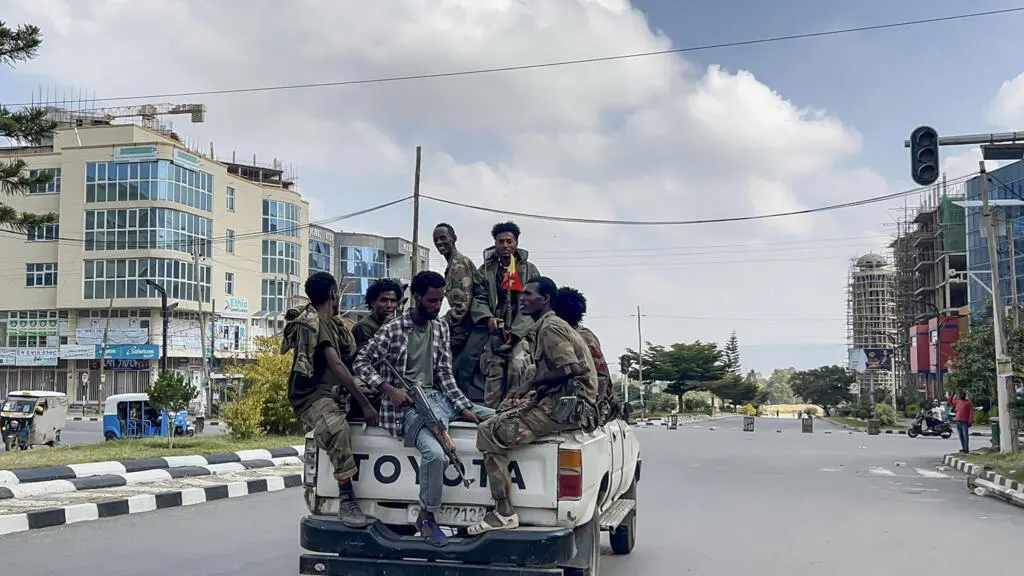
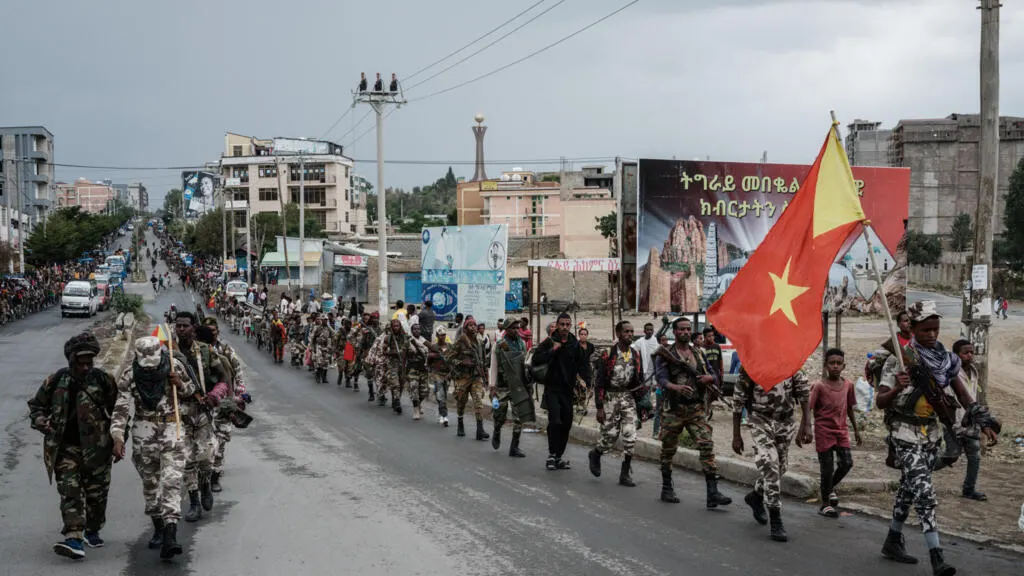
- Federal forces entered Tigray's capital Mekelle after TPLF withdrawal
- Ethiopia closed its embassy in Eritrea amid mutual accusations
- Four Red Sea states met in Egypt as Abiy demanded Red Sea access
Lawmakers in Ethiopia's House of Peoples' Representatives voted on Monday to give Abiy Ahmed another five years as prime minister, a decision reached while renewed combat in the northern Tigray region and worsening rows with Eritrea, Egypt and Sudan over the Nile and Red Sea access put pressure on his administration.784
Infographic
A second mandate
The Prosperity Party, which Abiy Ahmed leads, secured 438 of the 547 seats in the June 1 general election, giving it the majority needed to form the executive under the country's constitutional arrangements. Following Monday's parliamentary vote confirming his new five-year term, Abiy was sworn in at an event where President Taye Atske Selassie and other senior officials were present.6873
Local media characterized the event as the official close of the 2026 election cycle and the launch of a new 'Medemer Government,' coinciding with the seventh House of Peoples' Representatives opening its first ordinary session.63
Fighting resumes in Tigray
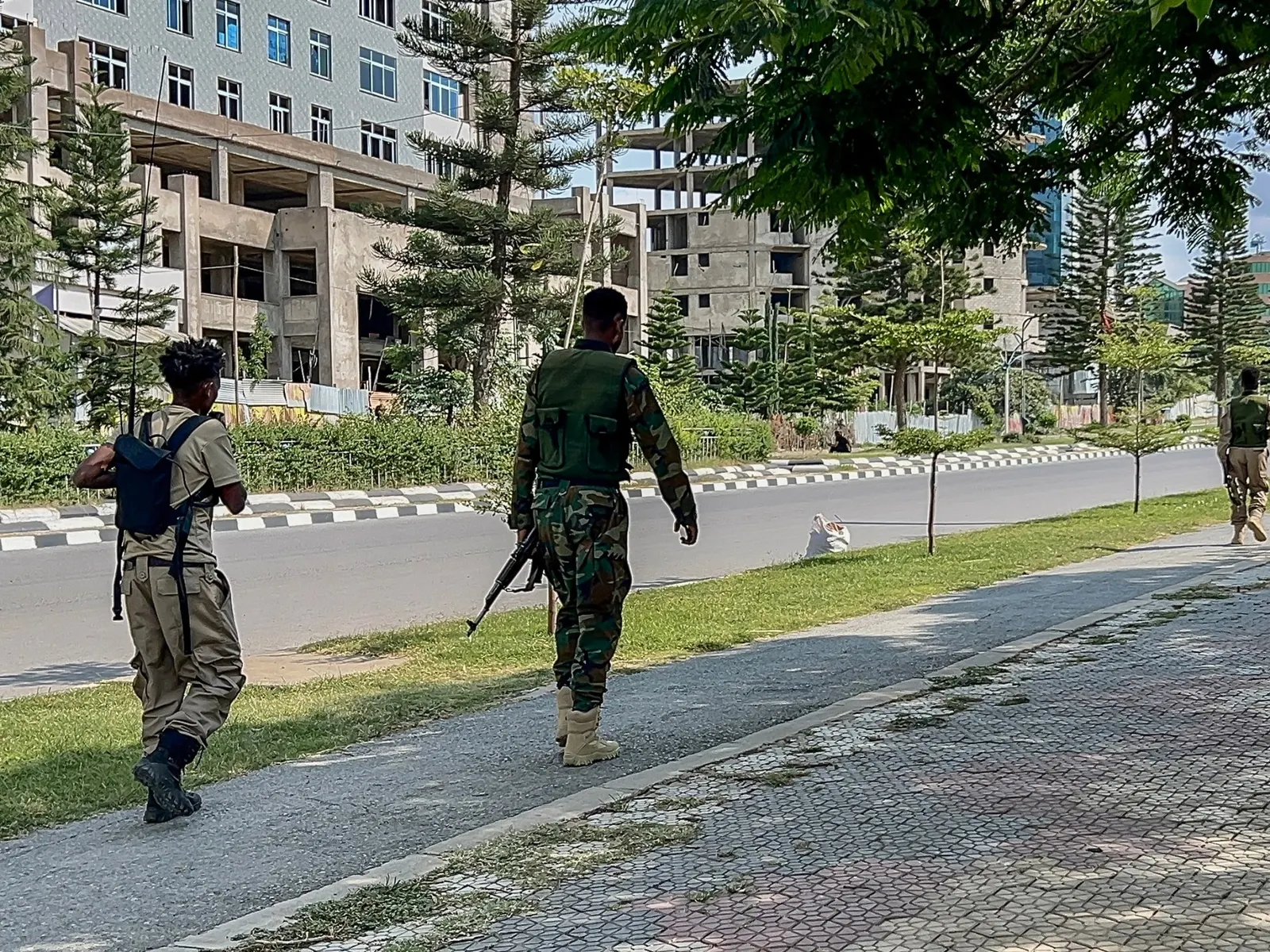
The vote came amid renewed hostilities in Tigray, which had been largely quiet since the Pretoria peace agreement ended the 2020-2022 war. Ethiopian federal forces entered Tigray's capital, Mekelle, on October 4 after the Tigray People's Liberation Front withdrew from the city; according to one account, the TPLF retreated to reduce risks to civilians, while fighting and airstrikes continued elsewhere in Tigray, with at least seventeen deaths reported in attacks near Mekelle.43
Officials in Addis Ababa reported fresh clashes with a recently established group calling itself the Ethiopian Peoples' Forces Alliance for Survival, and claimed that nearby countries were backing armed factions in the fighting. The Ethiopian government directly blamed Eritrea, Egypt and Sudan for supporting the insurgents fighting against it, and said it was shutting down its diplomatic mission in Eritrea. Eritrea rejected the accusations and severed diplomatic ties in response.725
Dispute over the Nile
Tensions with Egypt centre on the Grand Ethiopian Renaissance Dam on the Blue Nile, which has strained relations with Cairo and Khartoum. Egypt says its allocation of 55.5 billion cubic metres of Nile water under a 1959 agreement with Sudan is a fixed right, since the Blue Nile supplies more than 80 percent of the water reaching Egypt. President Abdel Fattah El Sisi said: "Egypt's water share is an enshrined historical and legal right that cannot be reduced or touched."2
Ethiopia rejects the 1959 pact as outdated and without legal standing, with its foreign ministry noting that roughly 85 percent of the river's overall flow originates within its borders. Egypt's Foreign Minister, Badr Abdelatty, said Cairo "recognizes Ethiopia's right to development, but we will not accept any measures that compromise Egypt's water security." Egypt and Sudan are pressing Ethiopia to accept a legally binding deal on the dam's operation, while, according to one account, filling of the dam's reservoir had little impact on Egypt owing to plentiful rainfall in Ethiopia.25
Demand for Red Sea access
When Eritrea broke away in 1992, Ethiopia became landlocked, losing its direct route to the Red Sea; at his swearing-in, Abiy insisted the nation needed to regain maritime access and pledged efforts toward securing a port, noting Ethiopia's frontier now sits roughly 30 miles from the shore. According to Deutsche Welle, Ethiopia has pursued a three-year campaign to gain control of Eritrea's port of Assab, and analyst Abdurahman Sayed said Eritrea "has legitimate concern of Ethiopia's intentions to occupy it, if it can, and then if not, then at least take the port of Assab."421
Heads of state from Egypt, Eritrea, Somalia and Sudan gathered in New Alamein, Egypt, and issued a joint statement asserting that only the Red Sea's coastal nations should control its governance; they urged collaboration while opposing any steps that would affect Egyptian and Sudanese use of the Nile. Somalia's president, Hassan Sheikh Mohamud, said Mogadishu has no objection to Ethiopia obtaining commercial port access through Somali territory but noted Addis Ababa had not approached Somalia to negotiate such an arrangement. The United States warned that hostilities between Ethiopia and Eritrea threaten to destabilise the Horn of Africa, while the African Union urged Ethiopia, Eritrea and Egypt to exercise restraint.45
Why it matters
The U.S. has warned that brewing hostilities between Ethiopia and Eritrea threaten to destabilise the Horn of Africa, and instability there could affect regional security amid disputes over the Nile and renewed fighting in Tigray. Egypt's firm stance on Nile water rights and Ethiopia's push for sea access also illustrate how competition over resources and territory can quickly escalate into wider diplomatic rifts.24
Videos
Related stories
background

Version history
- version 1 ·