World · Ethiopia
Ethiopian forces advance toward Tigray capital as regional tensions rise
Federal troops were reported near Mekelle after several days of fighting. The territorial claims remain unconfirmed, while Ethiopia and neighbouring states trade accusations of involvement.
Federal forces were reported near Mekelle as renewed fighting intensified in Tigray. Territorial claims and suspected drone attacks remain unverified, while Ethiopia's dispute with neighbouring countries has deepened.
- Federal troops reportedly advanced more than 150 kilometres into Tigray.
- Three towns near Mekelle were reportedly retaken.
- The TPLF acknowledged losing territory and promised a counter-attack.
- Ethiopia and Eritrea ended diplomatic relations.
- Reported drone attacks in Addis Ababa remain unverified.
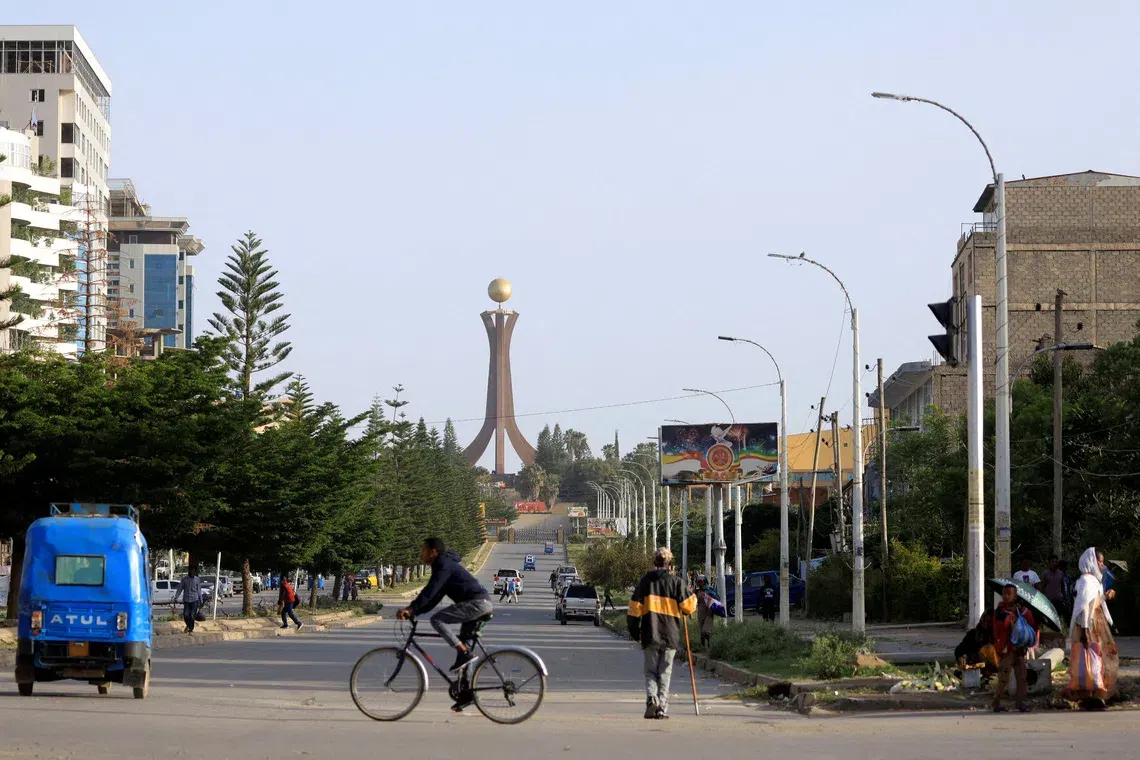
What's new
- Federal forces were reported within 30 kilometres of Mekelle.
- The TPLF acknowledged losing some territory and promised a counter-attack.
- Ethiopia expelled Eritrean diplomats; Eritrea cut diplomatic ties.
- Suspected drone attacks were reported in Addis Ababa but not independently verified.
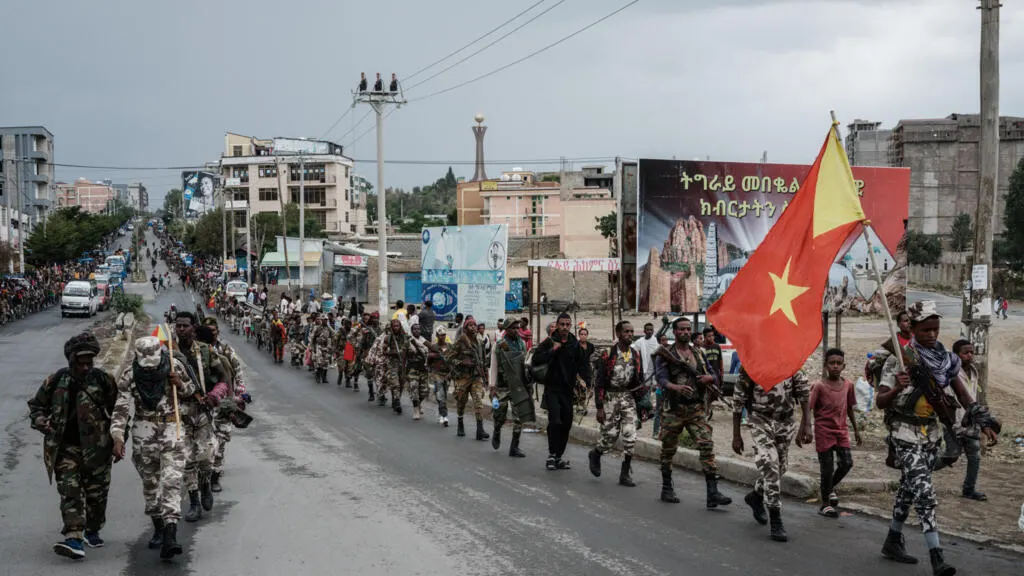
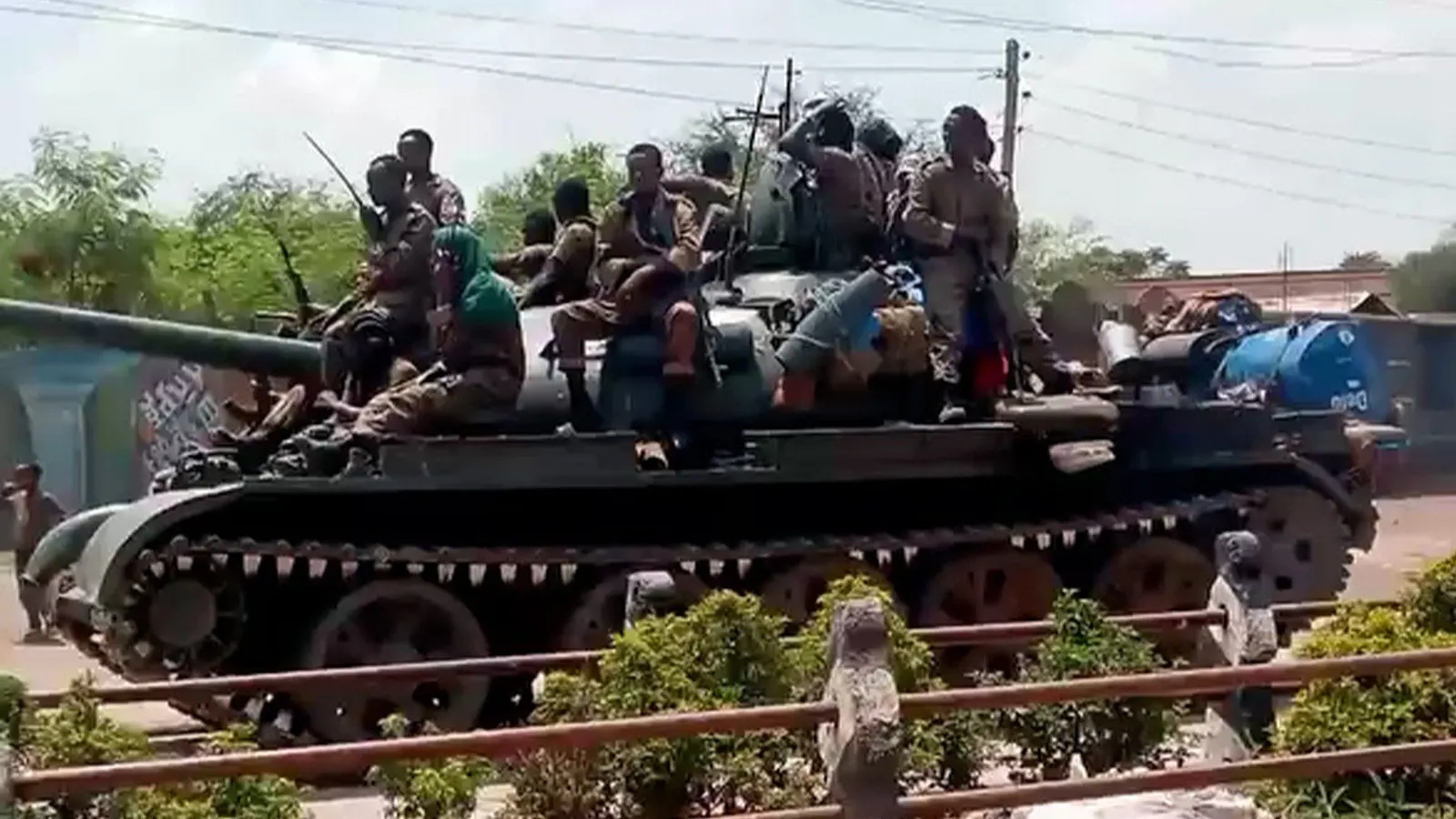
Ethiopian federal forces were closing in on Mekelle, the capital of the northern Tigray region, on Oct 2 after renewed fighting with an alliance led by Tigrayan forces, according to reports citing residents, diplomats and sources connected to the government. An earlier report on Sept 30 said troops had advanced more than 150 kilometres into Tigray, although the scale of the advance has not been independently confirmed.12
Federal advance toward Mekelle
Federal troops were reported to have retaken Mekoni, Wajena and Adi Gudom, three towns described as about 39 kilometres from Mekelle. Sources linked to the federal government and people familiar with troop movements were cited as confirmation, but the reported captures and the claim of an advance exceeding 150 kilometres remain unconfirmed.2
A later report said federal forces and allied militiamen had captured a town about 75 kilometres south of Mekelle. One resident placed federal troops within 30 kilometres of the regional capital, where banks and shops were closed. The report described the pro-government advance as rapid following the outbreak of fighting the previous week.1
Debretsion Gebremichael, chairperson of the Tigray People's Liberation Front, acknowledged that federal forces had taken parts of Tigray and said his side would counter-attack. According to the report, the TPLF heads a coalition comprising itself and six additional armed Ethiopian organisations that aims to oust Prime Minister Abiy Ahmed's government.1
Reports of attacks in the capital
Explosions were also heard in Addis Ababa, where a source linked them to suspected drone attacks aimed at Ethiopian National Defence Force headquarters and other locations. Reuters was unable to verify those reported attacks independently, and the dossier provides no confirmed account of the targets or damage.1
The reported attacks suggested that the TPLF and its allies might have a greater ability to strike distant targets than previously believed, according to the report. That assessment remains tied to the unverified account of drone operations in the Ethiopian capital.1
Diplomatic confrontation widens
The Ethiopian government alleged that the opposition coalition was receiving backing from Eritrea, Sudan and Egypt, but each of the three countries rejected the claim. Ethiopia ordered 10 Eritrean diplomats to leave within 48 hours and announced the closure of its embassy in Eritrea; Eritrea subsequently ended diplomatic relations with Ethiopia.1
Ethiopia's military chief also accused Sudan and Egypt of assisting Eritrean operations inside Ethiopia. Both countries rejected claims that they were interfering. Separately, diplomats and analysts cited in the report said Eritrean President Isaias Afwerki was giving the rebels access through Eritrea to the coast and the wider world.1
The African Union Commission called on Ethiopia, Eritrea and Egypt to show maximum restraint. The renewed alignments differ from those of the 2020-2022 war, when Eritrea was not on the opposing side from Ethiopia, according to the report.1
Legacy of the previous war
The latest fighting follows the civil war between the TPLF and Ethiopia's federal government from 2020 to 2022. One report said that conflict caused hundreds of thousands of deaths, while another said a peace agreement ended the war in 2022.12
The current clashes have unfolded in Tigray and neighbouring areas. Experts cited by The Straits Times said the conflict could extend beyond Ethiopia's borders, amid allegations involving Eritrea, Sudan and Egypt and competing regional relationships.12
Why it matters
For readers in Europe, the principal significance identified in the reporting is the risk, raised by experts, that the renewed conflict could spread beyond Ethiopia's borders. The fighting also follows a 2020-2022 war reported to have killed hundreds of thousands of people.1
Videos
Related stories

Version history
- version 1 ·