Health · Democratic Republic of the Congo
Ebola transit centre burns as Congo death toll exceeds 4,000
The destruction of a facility in Ituri province has reduced treatment capacity while insecurity, staff shortages and unpaid wages impede the response.
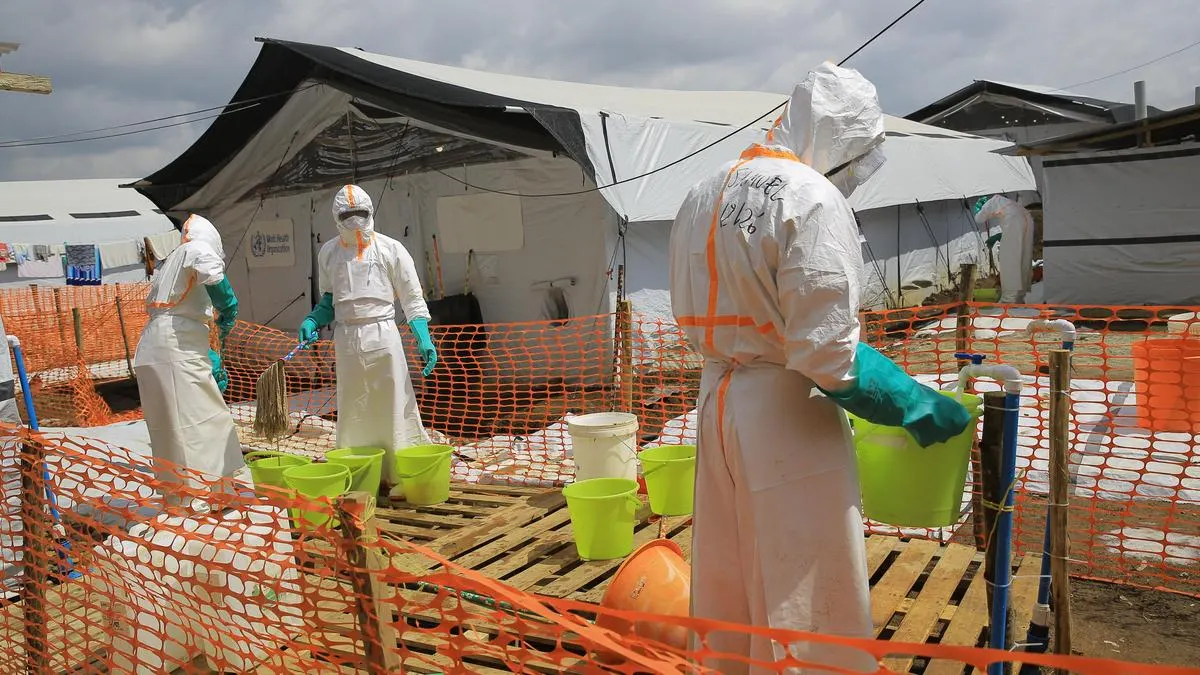
A fire destroyed an Ebola transit centre in eastern Congo as the reported outbreak toll passed 4,000 deaths. Insecurity, displacement and health-worker shortages are obstructing containment.
- Kigonze’s Ebola transit centre burned down.
- The reported toll is 4,018 deaths and 8,300 cases.
- Thousands fled the camp amid a military weapons search.
- The response requires over 1,400 more healthcare professionals.
- An infected MSF worker was evacuated to the Netherlands.
What's new
- Kigonze’s Ebola transit centre burned down, and the displacement camp was abandoned.
- Congo reported 4,018 deaths among 8,300 confirmed Ebola cases.
- Thousands fled amid reports of soldiers searching the camp for weapons.
- Health agencies are expanding beds and burial teams despite staffing shortages.
A key Ebola transit centre burned down at Kigonze displacement camp in eastern Democratic Republic of the Congo, according to a report on October 2, as an outbreak centred in Ituri province passed 4,000 recorded deaths and insecurity continued to disrupt the response.12
Camp emptied after fire
AllAfrica reported that Kigonze camp, which had sheltered about 19,000 people displaced by violence, was abandoned after the fire. Thousands fled following reports that soldiers had entered to search for weapons and suspected members of armed groups; gunfire was also reportedly heard. The Hindu separately reported that soldiers burned the camp while searching for weapons, forcing its residents to leave.12
The loss of the centre reduced the capacity to identify, isolate and transfer people requiring Ebola care. Julien Harneis, the United Nations’ senior Ebola response official in the country, said rebuilding such facilities required renewed investment and staffing. The UN said the destruction had made containing transmission more difficult.12
Insecurity has also restricted humanitarian access to several health zones and interrupted patient transfers, AllAfrica reported. Escalating clashes prompted over 3,000 residents to leave Rhoe displacement camp in September, while conflict in Masisi uprooted more than 24,000 people from mid-month onward. Reports said that two Ebola-response personnel were killed in Lubero.1
Outbreak exceeds 4,000 deaths
Figures released by Congo’s Health Ministry on October 1 showed 4,018 deaths among 8,300 confirmed cases, according to The Hindu. It described the outbreak as the fastest-growing on record. AllAfrica reported more than 8,000 confirmed infections and 4,000 deaths and said the emergency, Congo’s 17th Ebola outbreak, had spread across seven provinces.12
Both reports identified Bundibugyo virus as the cause. The Hindu said the strain has no known treatment or vaccine, while AllAfrica described the emergency as the country’s largest and deadliest Ebola outbreak, surpassing the 2018-2020 crisis. Ituri was reported to be the epicentre, with most cases concentrated around Bunia and Mongbwalu.12
The World Health Organization expressed concern that transmission was moving quickly into new health zones, according to The Hindu. Africa CDC said newly confirmed infections were declining, although it suggested insecurity and difficulty securing community cooperation could partly explain that pattern. The weekly count of confirmed infections dropped from roughly 850 in mid-July to a September average of 490; weekly fatalities decreased from 470 to 230 during the same interval.2
Health system under pressure
AllAfrica reported that plans called for more than 1,800 Ebola beds across 54 facilities in 34 health zones, requiring more than 1,400 additional health professionals. Mongala health region had recorded 346 confirmed cases and 149 deaths since May 18 but lacked a treatment centre; patients were being referred to Nizi or Bunia according to bed availability and their preference.1
According to AllAfrica, Ituri expanded its mobile teams for safe and dignified burials from 53 twelve-member units to 114. WHO additionally sent 57 community-based burial teams to 11 health districts within Mongala and Fataki.1
Staffing problems have compounded the pressure. The Hindu reported that front-line workers had staged repeated strikes and that health workers gathering in Bunia to demand unpaid wages were dispersed by officials. More than 50 health workers had died after contracting Ebola, it said. An aid worker with Médecins Sans Frontières was infected in Congo and flown to the Netherlands for treatment in a high-level isolation unit.2
Resistance to public-health measures has created further difficulties. Authorities introduced a village-centred approach that encountered opposition from some residents who dismissed Ebola as a hoax, The Hindu reported. The newspaper also said local official Marie-Célestin Karondwa was attacked at his home and beaten to death after defending government measures, and that his house was set alight.2
Why it matters
The crisis has a direct European connection because an infected Médecins Sans Frontières worker was evacuated to the Netherlands and placed in a high-level isolation unit. The destruction of treatment infrastructure, combined with shortages of money and staff, also complicates the work of international health and aid organisations operating in Congo.2
Related stories
Version history
- version 1 ·