World · France
France introduces local curfews after riots in Paris and other cities
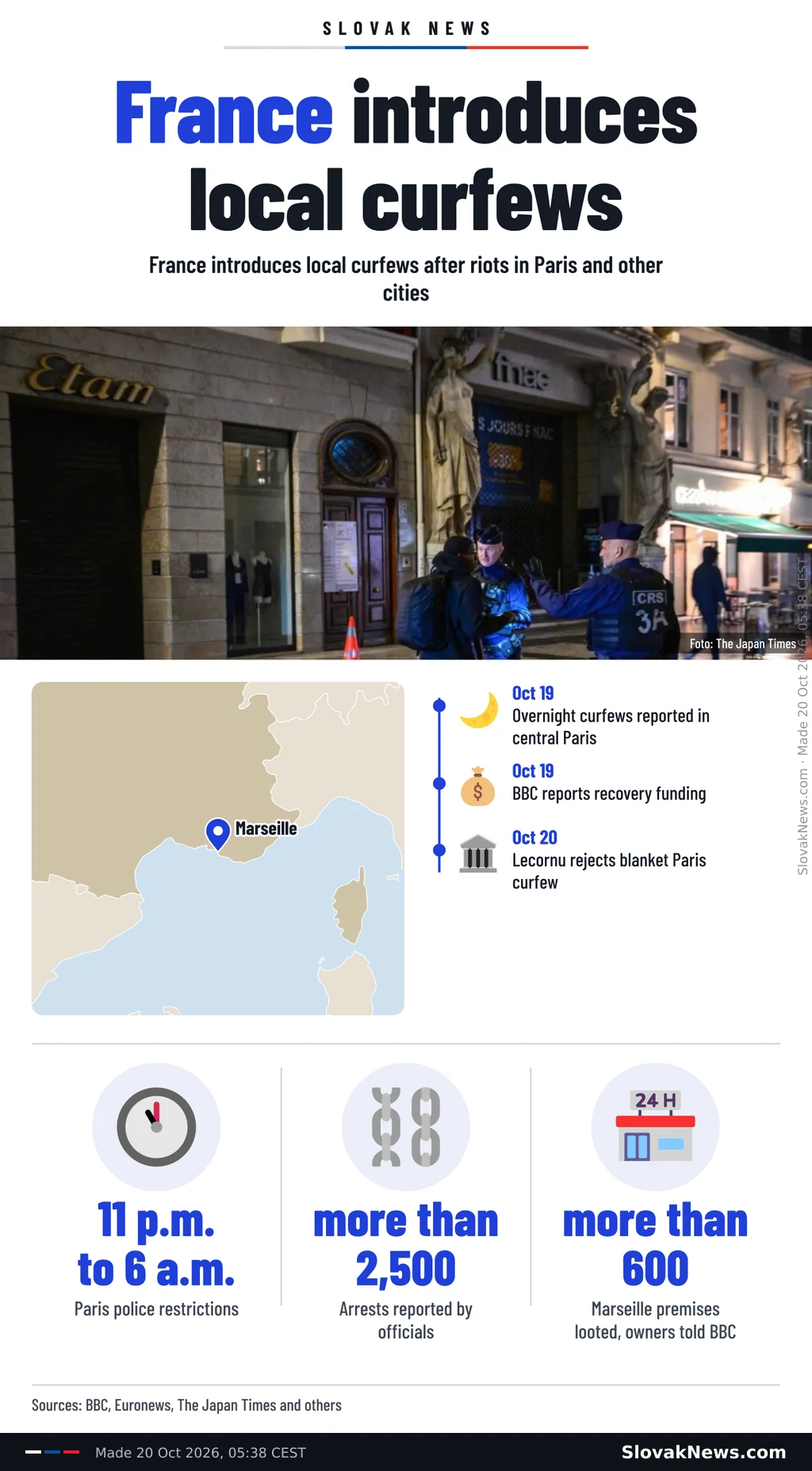
Restrictions cover two central Paris areas, with measures also announced elsewhere. Authorities are assessing injuries and business losses after weekend violence.
Listen to the story
Short version
France introduced local curfews after weekend riots and looting. Paris restrictions cover two central areas.
- Paris police set restrictions from 11 p.m. to 6 a.m.
- Several northern cities imposed curfews for minors.
- Officials reported more than 2,500 arrests.
- The government announced recovery funding for affected areas.
Infographic
What's new
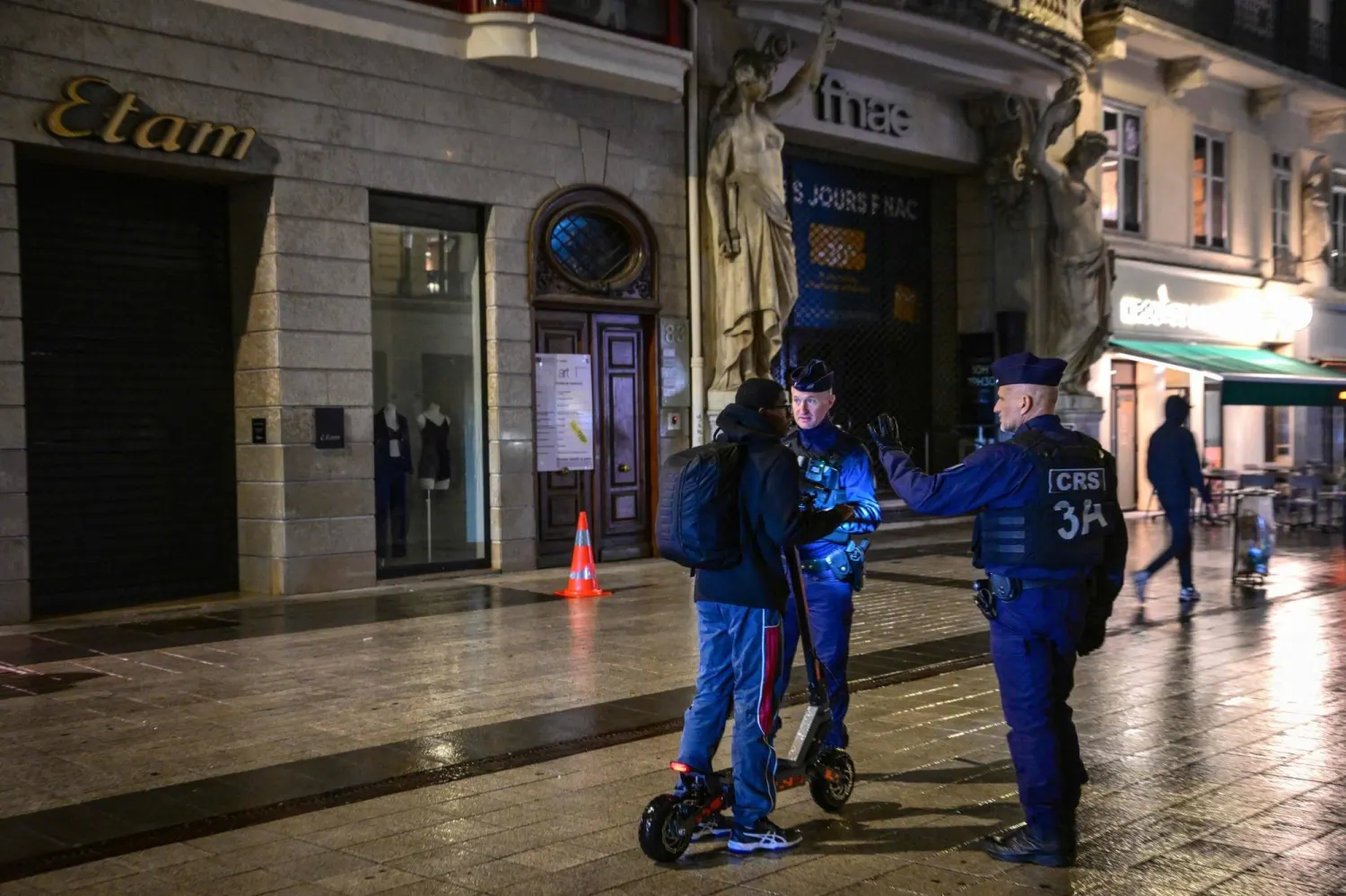
- Paris police announced overnight restrictions in two central areas.
- Several northern cities imposed curfews for under-18s, Associated Press reported.
- Lecornu ruled out a citywide Paris curfew but left open emergency measures, according to The Japan Times.
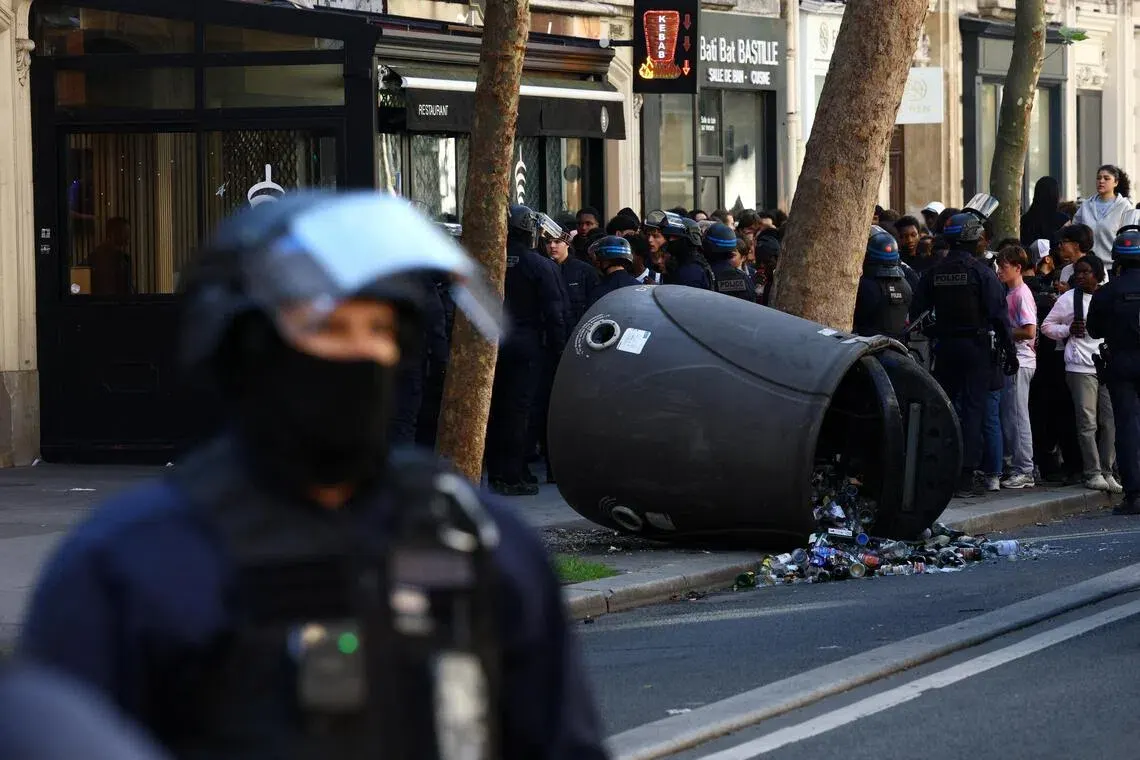
According to reports issued on October 19, French officials imposed nighttime movement restrictions in several central Paris locations and announced similar measures elsewhere following a weekend of rioting and looting. Paris police said Place de la République and Les Halles would be covered by restrictions running from 11 p.m. to 6 a.m.12
Infographic
Restrictions vary by city
The Paris measures followed disorder involving attacks on businesses and public buildings, Associated Press reported on October 20. The agency also reported a ban on demonstrations from 8 p.m. and said several cities in northern France had introduced curfews applying to people younger than 18.4
Euronews reported that limited restrictions were planned between 8 p.m. and 6 a.m. in four northern cities, including Lille. In Nice, a curfew for minors was announced for streets in the city centre. Prime Minister Sébastien Lecornu instructed regional authorities to use geographically limited measures to prevent further rioting and theft, the outlet said.2
Lecornu rejected a curfew covering all of Paris but did not exclude a state of emergency there, according to The Japan Times on October 20. The newspaper reported that he considered partial restrictions more appropriate at that stage. “My determination to restore order is absolute,” he said.3
Arrests, injuries and damage
The BBC reported that about 550,000 people had demonstrated over fuel prices, living costs and worsening public services. Interior Minister Laurent Nuñez acknowledged that police had “lost control” in some cities. Euronews also reported that police had been unable to maintain control in some locations.12
Arrest figures differed between the October 19 reports: Euronews put the nationwide total at around 2,400, while the BBC cited officials saying more than 2,500 people had been detained. The BBC also reported about 1,000 injured police officers and said a demonstrator had lost a hand to a police crowd-control grenade.12
In Marseille, shop owners reported that more than 600 premises had been looted, according to the BBC. Across the affected areas, the broadcaster reported that more than 2,000 businesses had been directly affected and that estimated damage ran into hundreds of millions of euros. It also reported that a fire at Limoges city hall caused the roof and clock tower to collapse.1
Recovery and accountability
The government announced recovery funding and a partial unemployment fund, according to the BBC, with plans to seek repayment from those responsible for the damage. Nuñez said 200 investigators were examining CCTV footage to identify possible organisers. President Emmanuel Macron rejected the interior minister's attempted resignation; Euronews said the decision was intended to preserve continuity in security-force command.12
Why it matters
The measures restrict overnight movement and demonstrations in affected French cities, with some rules applying specifically to minors. Reported business losses and the government's recovery plans also make the consequences economic as well as a matter of public order.124
Videos
Related stories
Version history
- version 1 ·