Business · United States of America
G20 trade ministers fail to agree on industrial overcapacity measures
Ministers ended talks in Milwaukee without consensus on industrial overcapacity or forced labour in supply chains. They did agree on a declaration opposing coercive trade measures involving food.
G20 trade ministers left Milwaukee without a common position on industrial overcapacity or forced labour. They agreed only on a declaration addressing coercive trade measures involving food.
- US and China gave differing accounts of the opposition.
- Mexico and Argentina backed a separate US forced-labour statement.
- India demanded evidence-based, WTO-consistent trade remedies.
- The European Union faces reported US tariffs and investigation.
- Food-related coercion was the principal area of consensus.
What's new
- Milwaukee talks ended without agreement on overcapacity or forced labour. (s2, s4, s5)
- Members adopted a declaration opposing the weaponisation of food. (s5, s7)
- China blamed divergent views over US-backed proposals and tariffs. (s2, s6)
- Mexico and Argentina joined a separate US-led forced-labour statement. (s4, s5)
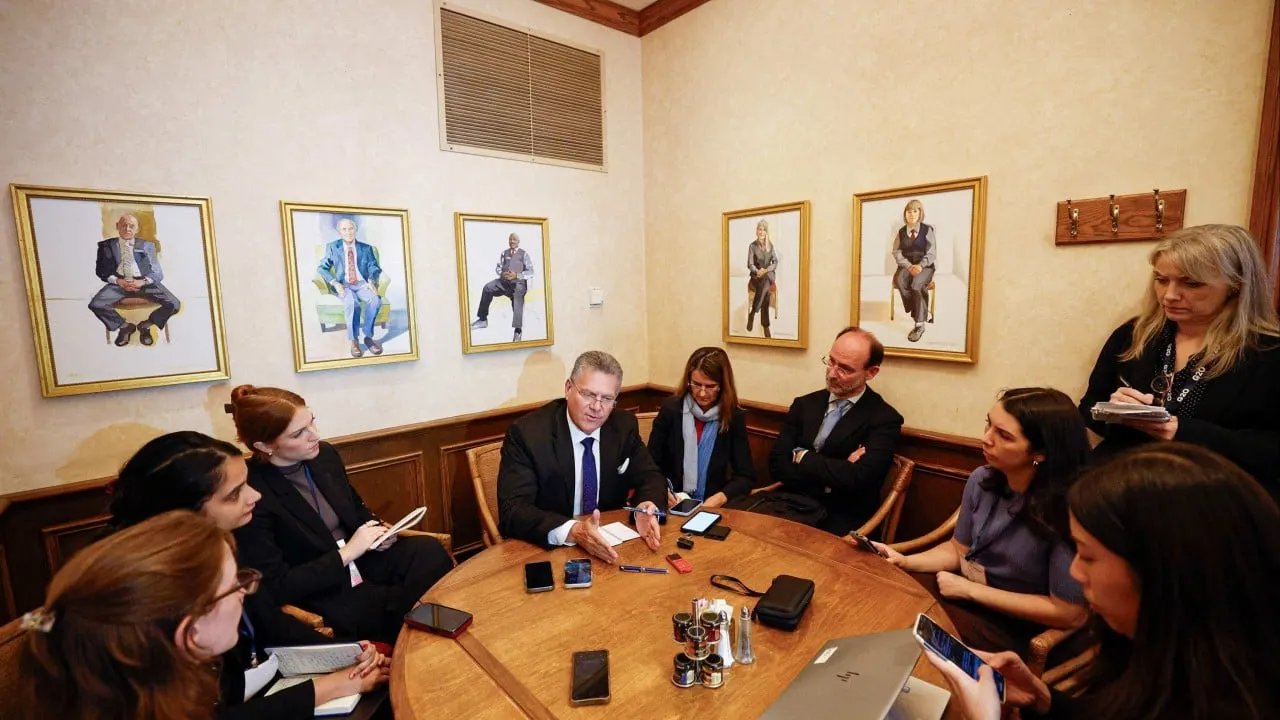
G20 trade ministers failed to agree on measures addressing industrial overcapacity and forced labour in supply chains during a two-day meeting in Milwaukee on September 30 and October 1, exposing divisions over proposals advanced under the United States’ 2026 presidency of the group.2457
Competing accounts of the divide
The US chair said many members wanted action on excess industrial production but that a small number opposed establishing a cooperative process. Jamieson Greer, the chair of the ministerial, said a draft declaration on excess capacity “was supported by all but a handful of members”. France 24 also reported that almost all participants considered existing responses inadequate, although that account has not been independently confirmed in the dossier.125
China offered a different emphasis. Its Ministry of Commerce said most members held divergent opinions about the US presidency’s decision to put overcapacity and forced labour on the agenda and seek joint statements and cooperation mechanisms. The ministry said these differences meant “the meeting failed to produce an outcome document on these topics”.246
The dispute also extended to forced labour. Mexico and Argentina joined the United States in a separate statement advocating further cooperation to remove goods made with forced labour from supply chains, but the wider G20 did not reach consensus. China said G20 members themselves face forced-labour-related tariffs and are often subjected to overcapacity investigations.245
India calls for WTO-based remedies
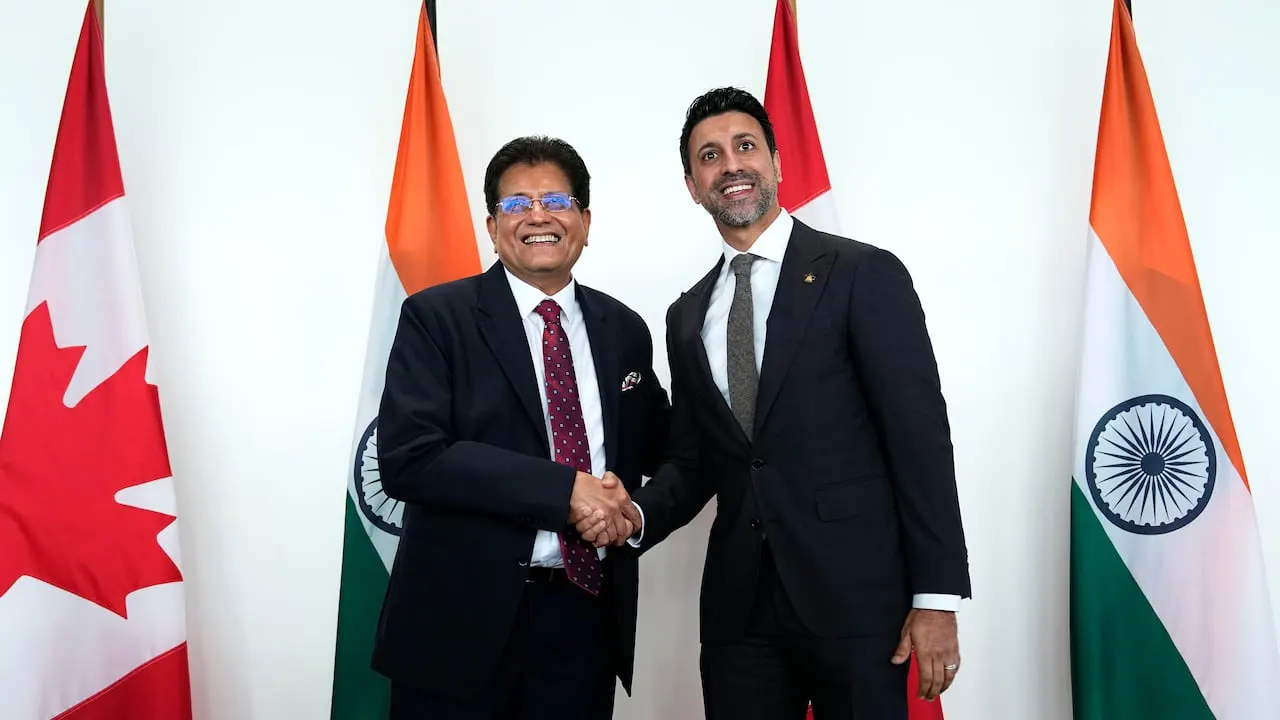
India’s commerce and industry minister, Piyush Goyal, said his country did not have structural excess capacity in the sectors identified by the US presidency. He argued that capacity alone was not the central problem and that distortions could instead result from concentrated production supported by undisclosed subsidies or other assistance.3
Goyal said dumping and predatory pricing arising from trade-distorting support should be addressed through measures consistent with World Trade Organization rules. Anti-dumping and countervailing duties, he said, should rest on evidence and remain subject to judicial review, while supply-chain diversification should not be used to impose costs outside WTO rules on developing countries.3
On forced labour, Goyal said India’s opposition was unconditional and pointed to its constitutional prohibition. India amended its Foreign Trade Policy in July 2026 to ban imports of goods produced with forced labour. He said border restrictions should rely on “specific and verifiable evidence rather than presumptions” about whole countries, regions or industries.3
US trade measures in focus
The United States Trade Representative is conducting a second Section 301 investigation into 16 trading partners showing signs of excess industrial capacity, according to France 24 and the South China Morning Post. The outlets identified China, the European Union, Japan and India among the targets. The South China Morning Post reported that the inquiry was widely expected to result in additional duties in the coming months, but no outcome has been established.14
According to the South China Morning Post, the Trump administration applied 10 per cent or 12.5 per cent tariffs to imports from 59 countries and the European Union, citing alleged weak enforcement of bans on forced labour. China said such tariff action contributed to the divisions at the ministerial.24
Agreement on food-related coercion
Despite the impasse on overcapacity and forced labour, members agreed on a declaration condemning the use of coercive trade action involving food. The German economy ministry described the accord as a joint declaration produced in a difficult negotiating environment, while the US chair said the full group had reached consensus.57
Ministers also discussed the WTO’s Most-Favoured-Nation principle. The US chair said members from economies at different stages of development saw value in considering changes to the principle, while India maintained that non-discrimination, consensus and special treatment for developing countries should remain central to the multilateral trading system.35
Why it matters
The divisions matter directly to European businesses because the European Union is among the economies reportedly covered by the US overcapacity investigation and, according to the South China Morning Post, is subject to US tariffs linked to forced-labour enforcement. Failure to agree at the G20 leaves no common approach to industrial support, trade remedies or supply-chain restrictions.14
Related stories
Version history
- version 1 ·