Culture · Greece, Bulgaria
Tsar Samuel’s remains returned to Bulgaria in relic exchange
The medieval ruler was buried in Sofia after Greece transferred his remains under an agreement involving 48 Greek religious objects held in Bulgaria.
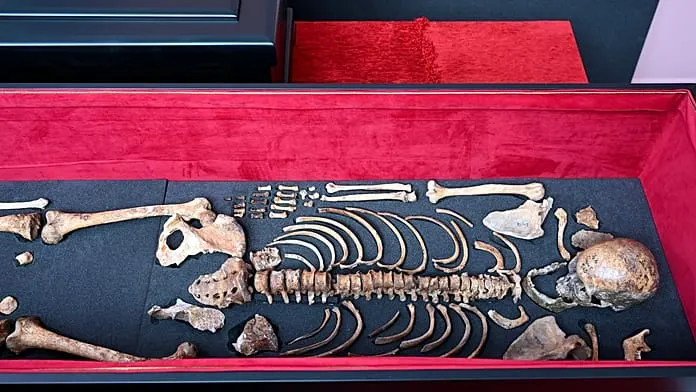
Tsar Samuel’s remains have returned to Bulgaria and been buried in Sofia after decades of negotiations with Greece. The arrangement also covers the return of 48 Greek religious objects from Bulgaria.
- Samuel’s remains were transferred on October 3.
- They were later laid to rest in Sofia.
- Bulgaria is returning 48 Greek religious objects.
- The objects will be displayed in Thessaloniki until November 5.
- Further negotiations on historical objects are planned.
What's new
- Tsar Samuel’s remains have been laid to rest in Sofia.
- The transfer followed a ceremony at a Thessaloniki museum.
- Forty-eight Greek religious objects are due to return to their historic institutions.
According to TASS, Greece handed over the remains of Tsar Samuel, the medieval Bulgarian ruler, to Bulgaria on October 3 during a ceremony at Thessaloniki’s Byzantine Culture Museum; the arrangement included 48 Greek religious items. France 24 reported on October 4 that the remains had subsequently been laid to rest in Sofia.23
Return and burial
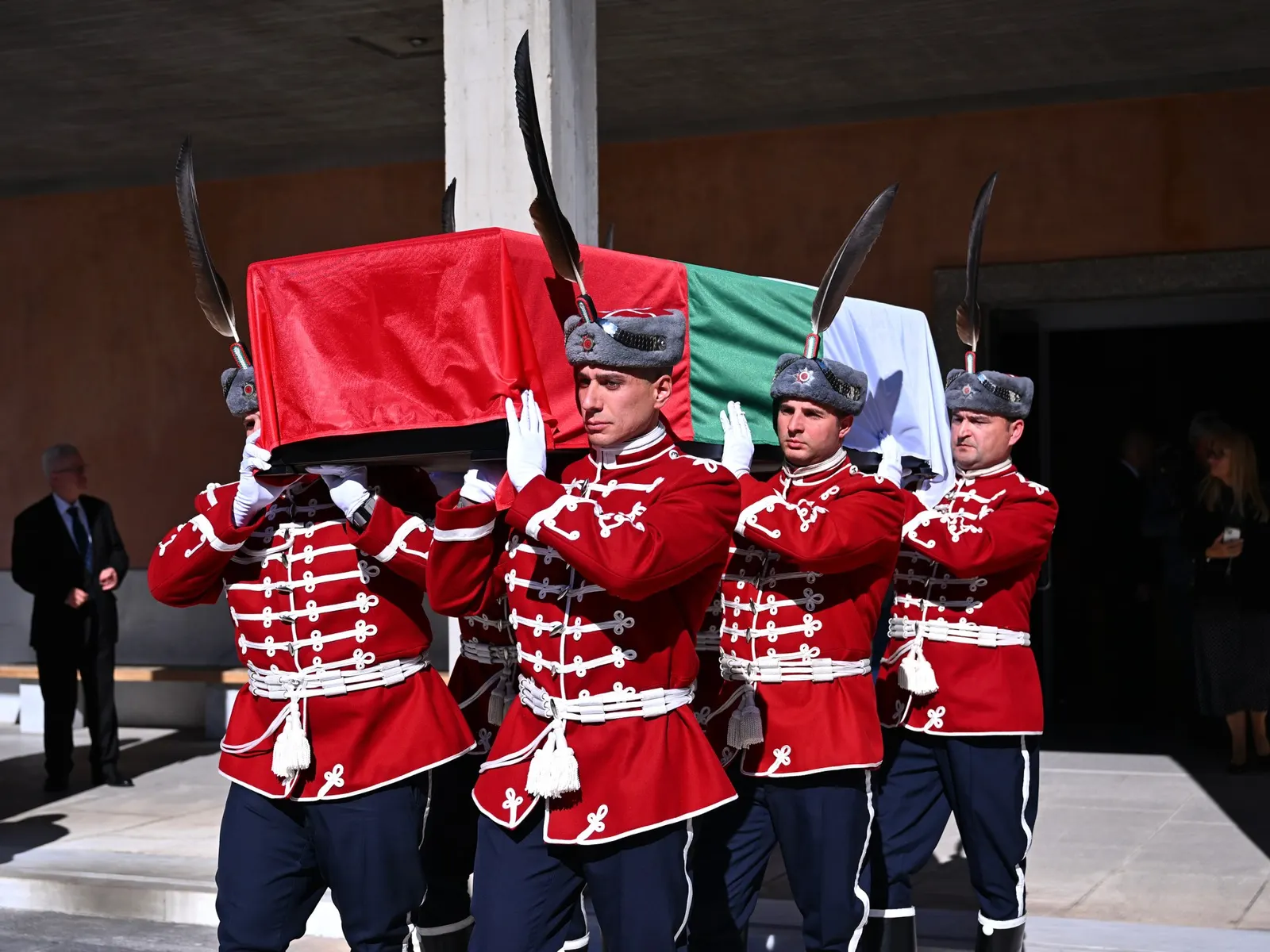
France 24 reported that Bulgarian fighter jets carried the remains from the border with Greece. Euronews also reported that the remains were flown to Sofia beneath a military flypast, after which an honour guard escorted the coffin ceremonially to the Church of St Sophia, where members of the public lined up to pay tribute.13
The return followed negotiations between Athens and Sofia lasting decades, according to Euronews and France 24. TASS reported that Greek Prime Minister Kyriakos Mitsotakis described the discussions as having continued for almost half a century.123
Terms of the exchange
According to TASS, an exchange protocol was signed by Bulgaria’s culture minister, Evtim Miloshev, and Greece’s culture minister, Lina Mendoni, with both nations’ prime ministers present. Euronews described the arrangement as an agreement between the two culture ministers covering Samuel’s remains and historic religious objects.12
According to TASS, Bulgaria returned 48 objects comprising icons, crosses, vestments, reliquaries and an episcopal throne. The report said the items were taken in 1917 from the Serres and Nigrita Holy Metropolis, as well as the monasteries of Timios Prodromos and Panagia Eikosifoinissa.2
Mitsotakis said the exchange could turn difficult episodes in the countries’ history into a basis for future co-operation. “The return to Greece and Bulgaria of relics that are important to society transforms difficult moments of the past into ‘bridges’ to a shared future,” he said.2
Samuel and the discovery
Euronews described Samuel as a medieval Bulgarian ruler who died in 1014 after spending his reign fighting the Byzantine Empire as he sought to enlarge his kingdom. It said his bones had been discovered in a Greek border area about 60 years before their return.1
TASS gave a more specific account of the discovery, reporting that Professor Moutsopoulos found four sarcophagi in 1964 at the Basilica of St. Achillios. According to the report, the basilica is located on Agios Achillios, an island in Lake Prespa, and the remains identified as Samuel’s were among those found in the sarcophagi.2
Display and next steps
TASS said all 48 items will be exhibited at Thessaloniki’s Byzantine Culture Museum through November 5, 2026. They are then expected to be distributed according to their provenance among the three Greek religious institutions from which they were removed.2
Greece and Bulgaria also agreed to continue discussions aimed at identifying other historical objects of interest to both countries, according to TASS. The report did not provide a timetable for those negotiations or identify the additional objects under consideration.2
Why it matters
The exchange links the return of a medieval ruler’s remains with the restitution of religious objects removed from Greek institutions during World War I. Greece and Bulgaria have also agreed to continue negotiations over other historical material of mutual interest.123
Videos
Related stories
Version history
- version 1 ·