WhatsApp mobilisation helped Lula’s comeback, allies say, but electoral impact remains uncertain
A channel directed by André Janones gathered almost 11 million subscribers and assigned supporters campaign tasks. Reports describe an operation linking online messaging with mobilisation on the streets.
Listen to the story
Short version
Lula’s allies credit a mass WhatsApp operation with helping his electoral recovery. Its direct contribution to the vote remains unmeasured.
- Janones directed a channel reaching almost 11 million subscribers, according to Al Jazeera.
- Supporters received tasks to recruit friends and circulate campaign material.
- Analysts linked Lula’s recovery to online and street-level mobilisation.
- ABC reported that Bolsonaro’s Liberal Party accepted the run-off result.
What's new
- Lula won the run-off, with ABC Australia reporting 51.8 per cent of the vote.
- Reports put the WhatsApp channel’s election-day following at almost 11 million.
- Lula said digital communication would have a larger place in his government.
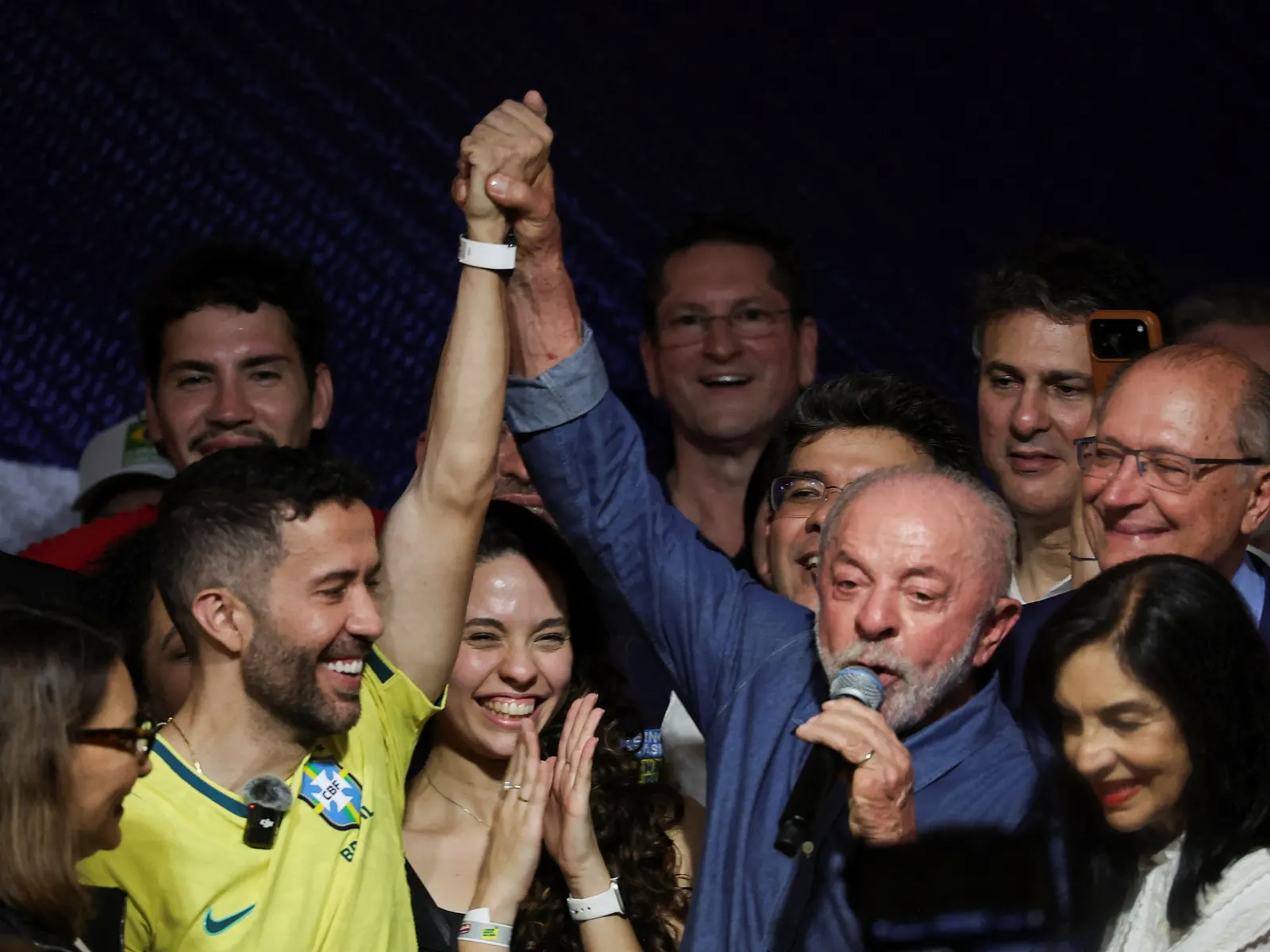
Luiz Inacio Lula da Silva won Brazil’s presidential election against Flávio Bolsonaro after a campaign involving mass WhatsApp mobilisation, according to reports published on October 26–27, 2026. Allies credited the channel directed by André Janones with helping his recovery, although its direct effect on voting cannot be measured, the BBC reported.15
Turning followers into campaigners
The operation followed a first-round defeat. ABC Australia reported that Flávio Bolsonaro finished ahead on October 4, before Lula recovered to win the run-off with 51.8 per cent and a margin of 4.4 million votes. According to ABC, this was the first election since 1989 in which the first-round loser won the second round.2
Estimates of the channel’s initial following differ. ABC put it at 50,000, while Al Jazeera reported about 60,000. Their accounts converged on its eventual scale: ABC reported more than 10.8 million followers by election night, and Al Jazeera put the total at almost 11 million subscribers.23
According to the BBC, messages supplied prepared material and specific assignments intended to increase Lula’s presence online. Janones repeatedly asked followers to circulate videos and promote hashtags. Al Jazeera also described instructions to recruit friends, alongside urgent appeals, memes and occasional campaigning against opponents.13
The BBC reported that Janones ran a 24-hour livestream immediately before the election, while polls still pointed towards a Bolsonaro win. According to Al Jazeera, the channel united left-leaning supporters from separate online groups and offered them concrete opportunities to take part.13
An online effort with a street-level counterpart
Political scientist Denilde Holzhacker told the BBC that Lula’s change of campaign approach was central to his recovery and connected digital activity with grassroots organising. Al Jazeera reported that the campaign adopted more informal videos filmed in a selfie style, presenting Lula in a less formal way.13
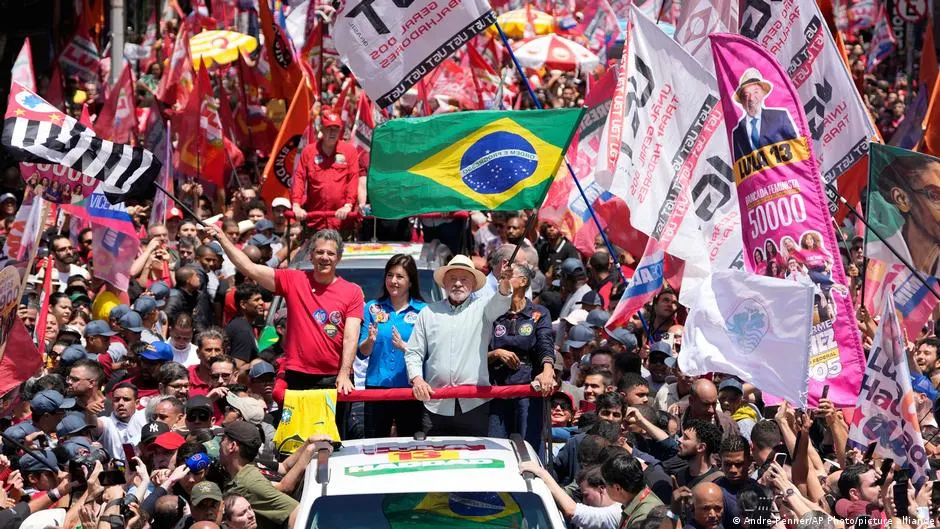
Mayra Goulart, a sociologist and political scientist, described the result to the BBC as emerging from both online and street campaigning. She said in-person mobilisation helped bring voters to the polls and win over people who had not decided. According to ABC, following the first round, young people took part in campaign activities in Belo Horizonte, Rio de Janeiro and Sao Paulo.12
Those assessments do not establish how many votes the channel delivered. The BBC said its direct electoral influence could not be determined, and Al Jazeera likewise noted the difficulty of demonstrating a causal connection. The channel’s audience figures therefore describe participation in the network, not a verified tally of votes it changed.13
A contested result and a governing pledge
Associated Press reported that Bolsonaro challenged the result. ABC said his Liberal Party nevertheless accepted the run-off outcome and separated itself from fraud allegations. According to The Straits Times, Brazilian officials maintained that the electronic voting system was secure.245
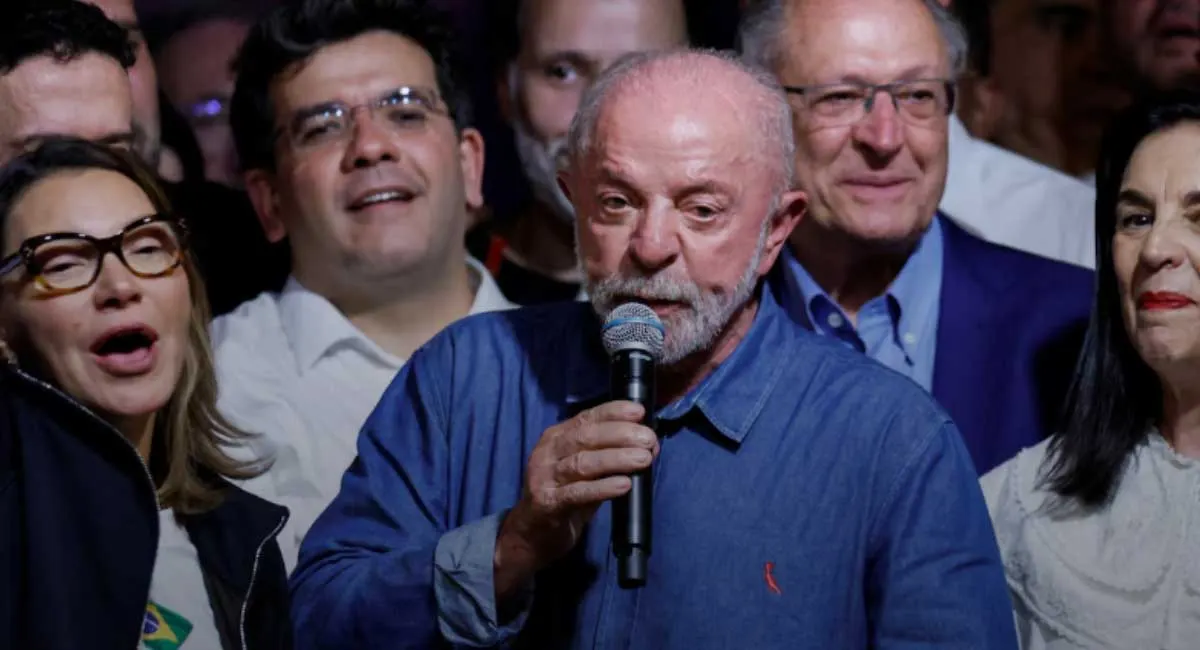
Lula thanked Janones in his victory speech, the BBC reported, and promised changes in governing after lessons from the election. He said: “We are going to give people a greater say in decision-making, and digital communication will play a much bigger role in my government.”1
Why it matters
For European readers, the Brazilian campaign offers a case study in the connection between messaging platforms and in-person political organising. It also illustrates an evidentiary limit: a large online following does not establish how many votes an operation influenced.13
Videos
Related stories
Version history
- version 1 ·