World · Islamic Republic of Iran, Pakistan
Iran security chief rejects transfer of enriched uranium abroad
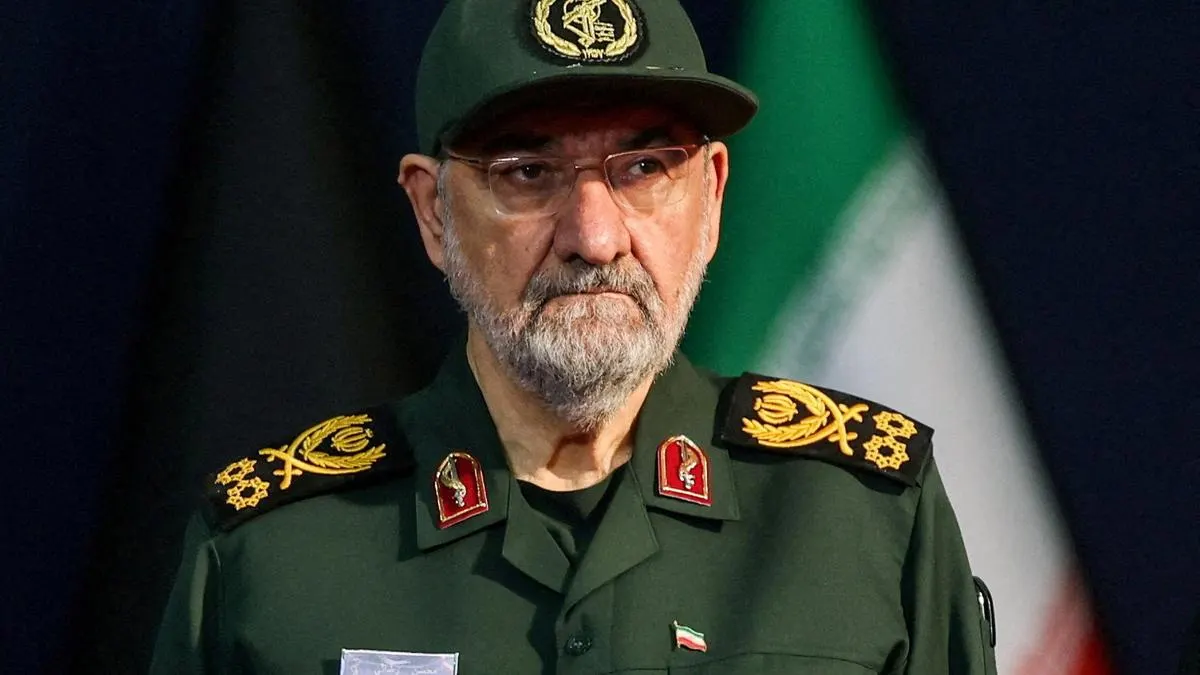
Mohsen Rezaei said Iran would retain its enriched nuclear material and would not negotiate with Washington before US trust-building measures. His remarks came during a visit to Tehran by Pakistan’s army chief.
Rezaei rejected sending Iran’s enriched nuclear material abroad and conditioned negotiations on US trust-building steps.
- Rezaei delivered the remarks during Munir’s visit to Tehran.
- He said the nuclear material was intended for domestic use.
- Middle East Eye described the visit as a renewed peace mediation effort.
What's new
- Rezaei told Asim Munir that enriched nuclear material would remain in Iran.
- Iran’s security chief linked negotiations to US steps fulfilling Iranian conditions.
- Munir visited Tehran in a renewed mediation effort, according to Middle East Eye.
Iran’s security chief, Mohsen Rezaei, rejected moving enriched nuclear material abroad during a meeting in Tehran with Pakistani army chief Asim Munir, according to reports published on October 20, 2026. Rezaei also said negotiations with the United States would not proceed before Washington took steps to establish trust.123
Material to remain in Iran
Rezaei, who leads Iran’s top national security body, told Munir that the country would retain its enriched material domestically. Reports by Press TV, Middle East Eye and The Hindu carried his rejection of any transfer, with Rezaei describing the material as belonging to the Iranian people and intended for domestic use.123
“All enriched nuclear material will remain in Iran, and not a single particle will leave the country,” Rezaei said, according to Press TV. The outlet reported that the latest US proposal had sought the transfer of Iran’s enriched uranium stockpile. That account of the American demand was attributed to reporting rather than a US statement.1
Press TV also reported that Iran had repeatedly opposed sending its enriched uranium overseas and maintained that the Non-Proliferation Treaty protected its right to peaceful nuclear technology. Rezaei’s explanation for retaining the material emphasised its value to Iranians and its intended use within the country.123
Conditions for negotiations
Rezaei tied the prospect of negotiations to action by Washington. According to Middle East Eye, he said the process of establishing trust had to start with the fulfilment of Iran’s conditions. Press TV quoted him as saying Iranian officials and the public shared that position on talks with the United States.12
Middle East Eye reported that Mohammad Bagher Ghalibaf, Iran’s parliament speaker and chief negotiator, had delivered similar remarks to Munir. The outlet described the Pakistani army chief’s presence in Tehran as part of a renewed attempt to mediate a peace agreement between Iran and the United States.2
Pakistan’s mediation
According to Press TV, Pakistan had hosted indirect talks and assumed a mediation role during the war, while maintaining close relations with both Tehran and Washington. The outlet reported that a ceasefire and a later memorandum of understanding had not resulted in a lasting agreement.1
The meeting also included discussion of the Iran-Pakistan border. Press TV reported that Munir said the border problem had been resolved and crossings had reopened on Tuesday morning. His remarks presented the reopening as completed, alongside the separate diplomatic discussions over Iran’s nuclear material and its conditions for negotiations.1
Why it matters
For European readers following Iran-US diplomacy, the remarks identify Iran’s stated position on retaining enriched material and its conditions for talks. Pakistan’s reported mediation effort concerns a peace agreement between the two countries, but the reports do not establish an outcome from Munir’s visit.123
Videos
Related stories
same actors
same actors
Version history
- version 1 ·