World · Israel
Israel votes as polls point to neither main bloc securing a majority
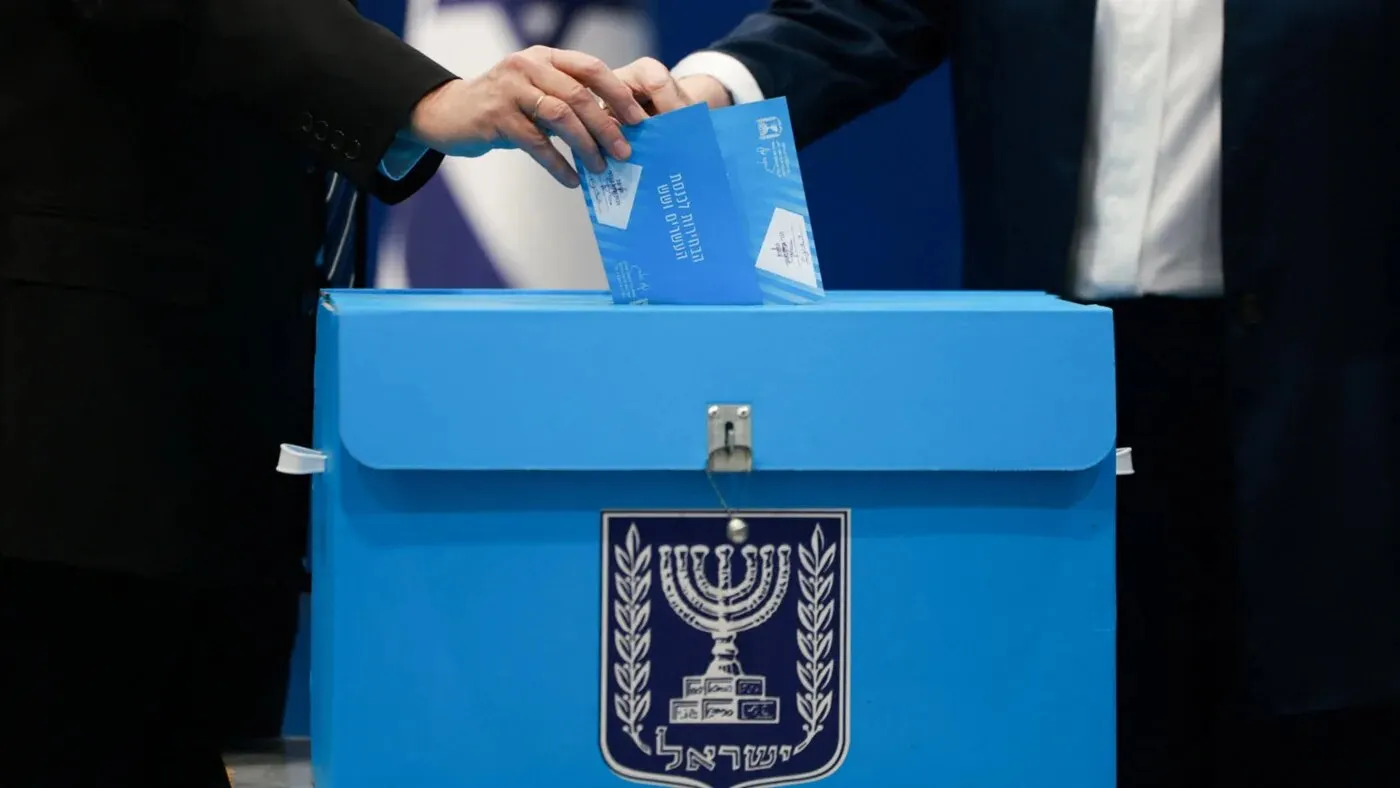
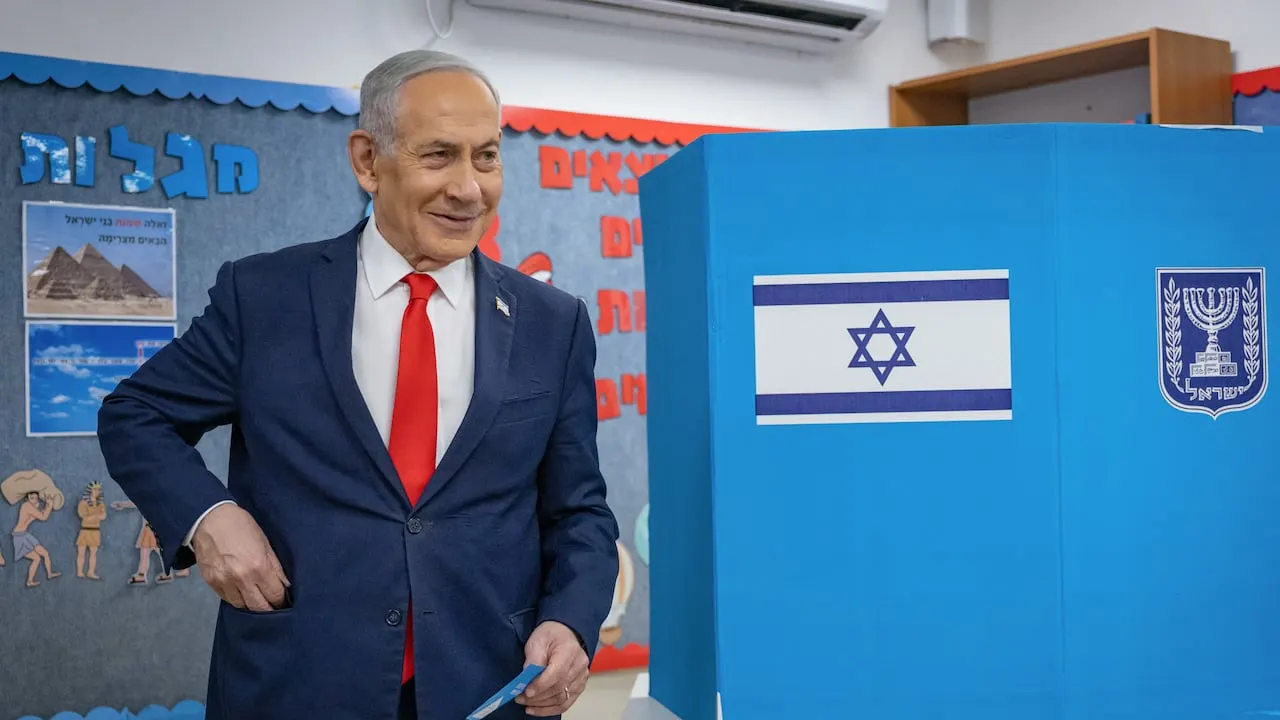
Voting is underway in Israel’s parliamentary election. Polling suggests Netanyahu’s coalition will lose its majority, but the opposition led by Gadi Eisenkot also faces a difficult path to government.
Listen to the story
Short version
Voting is underway in Israel, with polling pointing to neither main bloc securing a majority.
- Netanyahu’s coalition is projected to lose its majority, the Guardian reports.
- Eisenkot’s opposition also faces a projected shortfall.
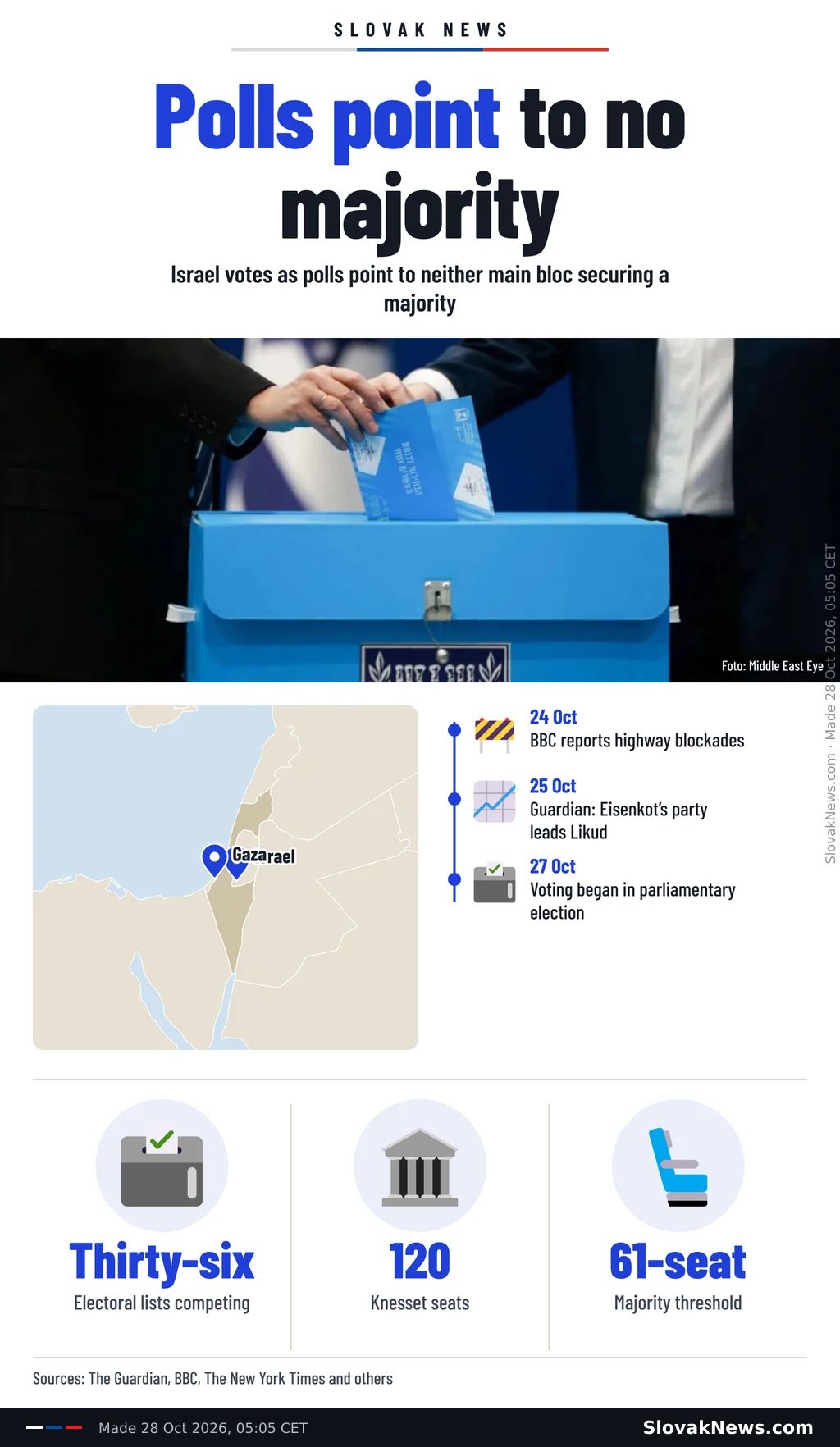
- Thirty-six electoral lists are competing for 120 Knesset seats.
- Conscription and Gaza remain central campaign issues.
Infographic
What's new
- Polls opened on October 27, with voting underway in Israel’s first election since the October 7, 2023 attacks.
- The Guardian reports that most polling puts both Netanyahu’s coalition and the opposition below the 61 seats needed for a majority.
- Middle East Eye reports that 36 electoral lists are competing for 120 Knesset seats.
- According to the Guardian, Eisenkot says he would end the system under which Bezalel Smotrich oversees the occupied West Bank and place it back under military authority.
Israelis are voting on October 27, 2026, in a parliamentary election with no clear majority projected for either main political bloc. According to the Guardian, most polls indicate that Benjamin Netanyahu’s coalition will no longer hold more than half of the 120 Knesset seats, and Gadi Eisenkot’s opposition is also unlikely to reach the 61-seat threshold required to govern.14
Infographic
A disputed exemption
Voting is underway on October 27. According to the Guardian, most surveys indicate that Netanyahu’s coalition will cease to command a majority in the 120-member Knesset and that the opposition is also unlikely to secure the 61 seats required to govern. In its October 24 report, the BBC put Netanyahu’s coalition at roughly 50 to 52 seats, compared with the 64 it won in 2022.12
Middle East Eye reports that 36 electoral lists are competing for the Knesset’s 120 seats. It says the full count is expected to be completed in October, with official results due in November.4
Military service is central to that political divide. The Supreme Court ruled two years ago that the exemption for ultra-Orthodox men was no longer valid. According to the BBC, public support for conscripting them has increased during the Gaza war, while the Israel Defense Forces has reported a personnel shortage and many Israelis have accumulated hundreds of days of service over three years.2
The BBC estimates that ultra-Orthodox Jews account for about 14% of Israel’s population. Religious students and rabbis fear that army service could draw young men away from their community. Senior Haredi leader Dov Landau has said religious students should neither enlist nor visit wounded soldiers or attend military funerals.2
In October, police attempts to arrest a young Haredi man who had not reported for service led to a confrontation with hundreds of protesters, the BBC reports. It says all of Netanyahu’s challengers favour ending the exemption and withdrawing funding from those who refuse the draft. A new Haredi Public Party proposes allowing full-time Torah students to keep studying while others serve in arrangements compatible with Haredi religious life.2
Gaza and the campaign
The Guardian reports that former military chief Gadi Eisenkot’s Yashar party is ahead of Netanyahu’s Likud in polling. Both leaders have made destroying Hamas a campaign priority after the October 7 attacks, the newspaper says, but neither has offered a clear account of how Gaza would be governed in future. Both support Donald Trump’s peace plan.1
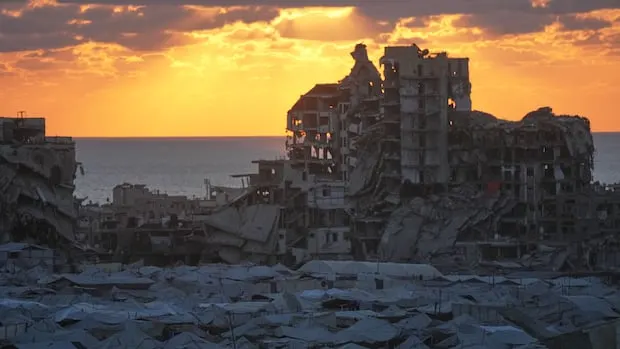
For Palestinians interviewed by the Guardian, the campaign offers little assurance about their future. The newspaper reports that Israel’s assault has left much of Gaza destroyed and killed at least 75,000 people. It describes almost a million displaced Palestinians facing inadequate sanitation, insufficient water and continuing danger from Israeli strikes.1
Residents told the Guardian that commercial deliveries had stopped for about a week. According to the newspaper, the price of flour has risen to over triple its previous level. Sami Abu Rumi, a displaced Palestinian from Rafah living in al-Mawasi, said: “Gaza’s suffering has become campaign fodder.”1
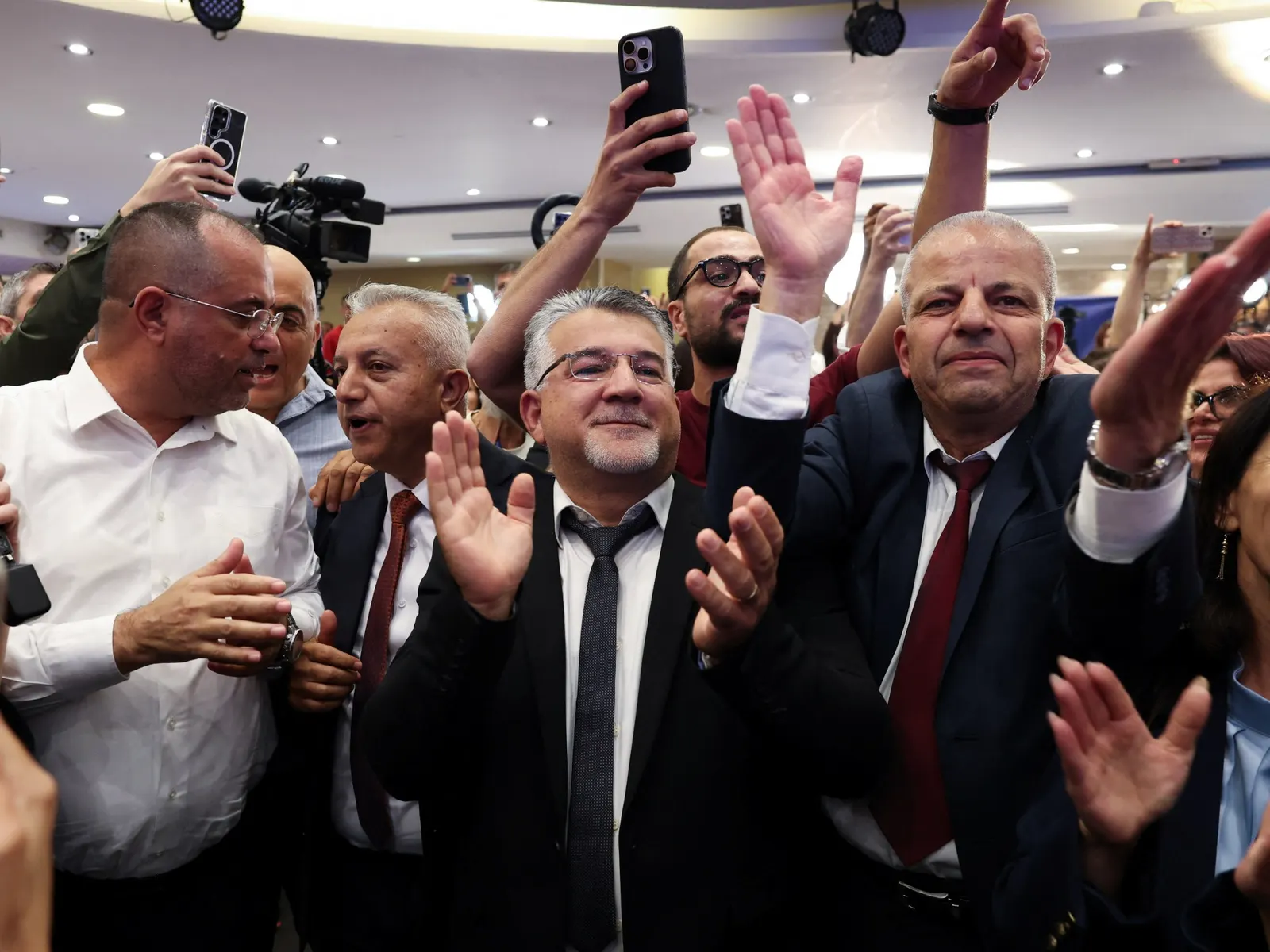
The Arab-led Joint List has aired a 48-second election video using drone images of Gaza’s destruction, according to the Guardian. Middle East Eye reports that both main camps have ruled out including Palestinian-led parties in a governing coalition. Middle East Eye forecasts a total of 14 to 16 seats for those parties, a result that could give them influence over the formation of a government. The Guardian reports that Arab parties could support an Eisenkot-led government from outside the coalition.14
According to the Guardian, Eisenkot has also promised to undo Netanyahu’s decision to give Bezalel Smotrich authority over the occupied West Bank and transfer that responsibility back to the military.1
Voters returning from abroad
The New York Times reports that thousands of Israeli expatriates have returned to cast ballots in the closely contested election, prompting debate about their political influence. Its reporting from Tel Aviv examines their reasons for coming back. The available account does not establish how those voters will affect the result.3
Why it matters
The election brings together questions about Israel’s next government, military service and Gaza’s future. The Guardian reports that both leading contenders support Trump’s peace plan, while neither has presented a clear plan for Gaza’s future. Polling pointing to neither main bloc securing a majority leaves government formation uncertain.1
Videos
Related stories
cause
same place

Version history
- version 2 · Voting is now underway, with polling pointing to no majority for either main bloc and new reporting detailing the electoral field and Eisenkot’s West Bank pledge.
- version 1 ·