Health · Kenya
Kenya reports second Ebola death in cluster linked to first patient
A woman aged 65, who was related to the initial patient, developed symptoms while quarantined and later died. Seven patients remain in care, with authorities reporting no evidence of community transmission.
Kenya reported a second Ebola death, involving a relative of the first patient. Authorities reported no evidence of transmission beyond the cluster.
- Two of Kenya’s nine confirmed patients have died.
- The second fatality was a 65-year-old woman quarantined before symptoms developed.
- Seven patients remain in care at two isolation facilities.
- All 135 identified contacts were quarantined.
What's new
- Kenya reported a second death among nine confirmed Ebola cases.
- The deceased woman was closely related to the initial patient.
- Seven patients continued to receive treatment in two isolation facilities.
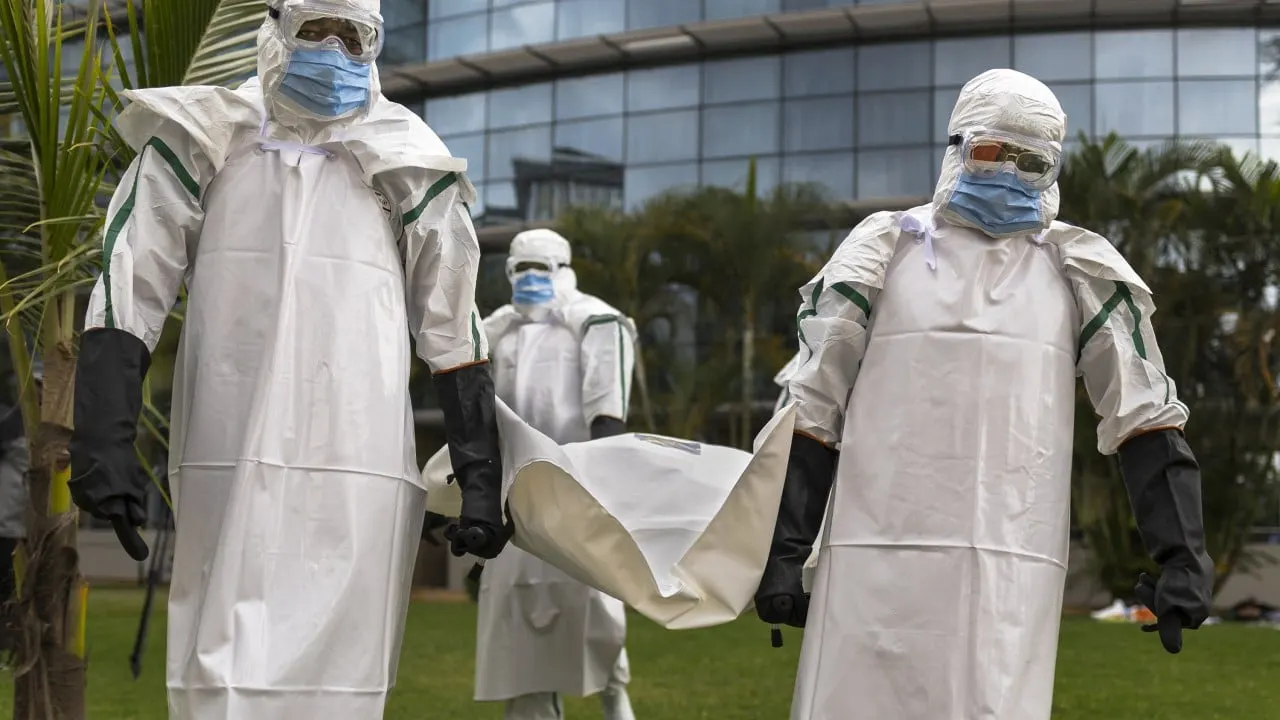
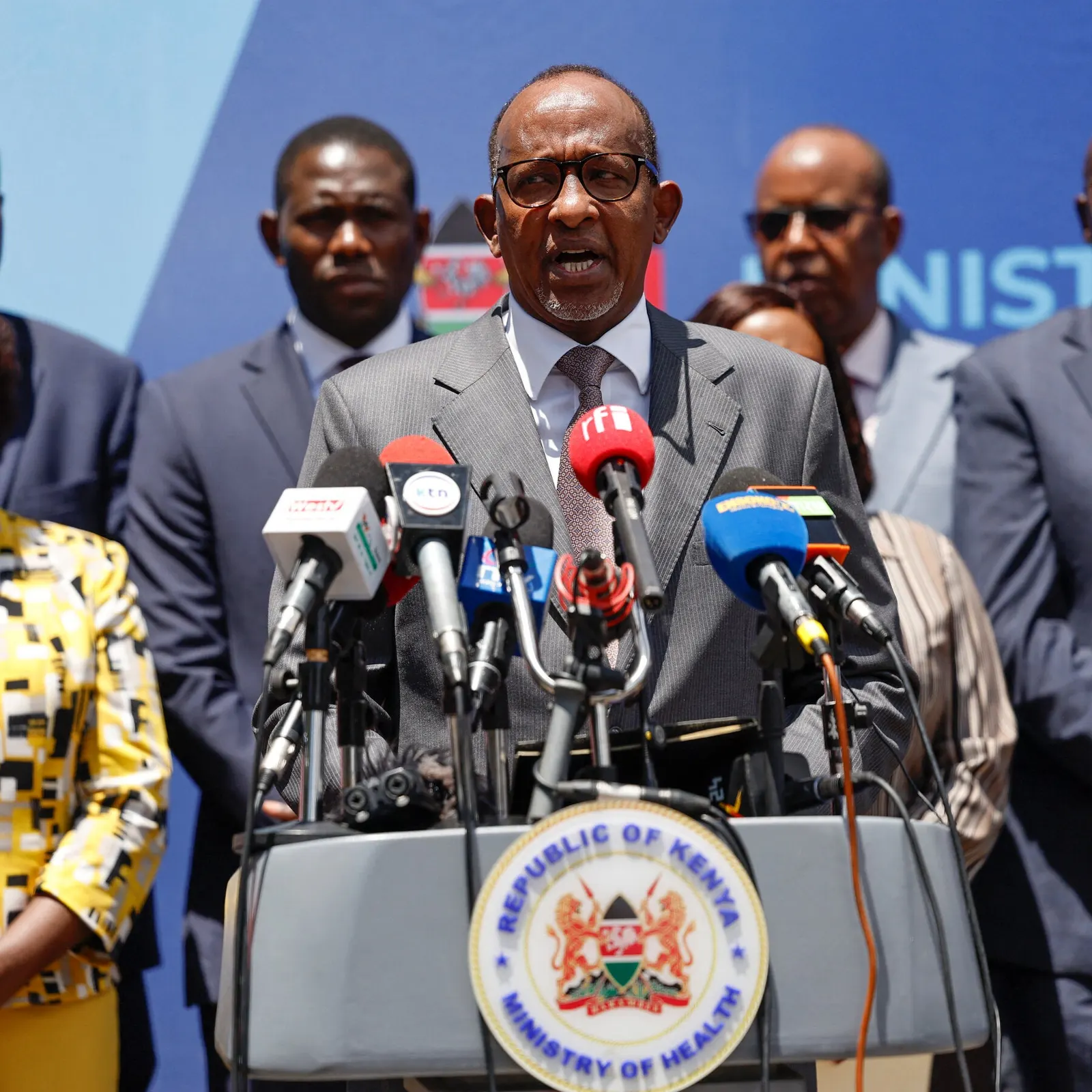
Kenya’s health ministry announced on 23 October that a 65-year-old woman had become the country’s second Ebola fatality. A close relative of the first patient, she developed symptoms while in quarantine in Kenya, bringing the death toll to two among nine confirmed cases.256
Cases remain linked to one cluster
Seven patients remained under treatment at two isolation facilities, the ministry said, and authorities reported no evidence of community transmission. Kenyan officials had identified 135 contacts and placed all of them in quarantine. The country is experiencing its first Ebola outbreak.125
The World Health Organization’s account, covering the period through 20 October, recorded nine cases of Bundibugyo virus disease in Kenya, with one death at that point. It said all eight cases identified after the first imported infection were among that patient’s known contacts, with no evidence of transmission beyond the cluster.3
The WHO said the initial patient arrived in Nairobi on 3 October after journeying from Congo via Uganda. He died on 5 October despite supportive care. The BBC reported that he had become ill in September, before travelling to Kenya.13
The seven people still receiving treatment include three relatives, three health workers and a hospital cleaner, according to the BBC. Its report also described the woman who died as having been quarantined before she developed symptoms.1
Screening and travel advice
The BBC reported on 24 October that Kenya had strengthened screening for arrivals from Congo and nine other designated countries. Travellers from those countries must complete a digital surveillance form before boarding and show a QR code upon arrival, according to the report. Aircraft arriving from those countries are also subject to enhanced public health screening.1
Citing health risks, the US State Department urged American citizens to rethink plans to visit Kenya. The WHO, meanwhile, advises against imposing restrictions on travel or trade with countries affected by the outbreak.253
Outbreak beyond Kenya
The Bundibugyo virus disease outbreak was declared in Congo in May 2026, according to the WHO. Reuters and The Straits Times reported that Congo had recorded nearly 10,000 infections and more than 4,600 deaths. The WHO also recorded an imported case in Abuja, Nigeria, on 20 October.325
The BBC reported that the Bundibugyo species has no approved vaccine or treatment, although trials are taking place. Ebola can pass between people through contact with infected bodily fluids, including blood or vomit, according to its report.1
Why it matters
For readers in Europe considering travel, the reporting contains two distinct positions: US advice to reconsider visiting Kenya and WHO guidance against travel or trade restrictions on affected countries. All reported Kenyan cases are still connected to a single group, and authorities have found no indication of wider transmission.235
Related stories
Version history
- version 1 ·