Health · Russian Federation
Kremlin urges reliance on official data amid Siberia plague rumors
Russian officials said an anti-plague institute employee died of pneumonia of unknown cause, while unconfirmed reports raised the possibility of pneumonic plague. U.S. and EU authorities said they were monitoring developments in the Irkutsk region.
Russian officials urged the public to reject rumors of a plague outbreak after an anti-plague institute employee died in Shelekhov. Authorities cited pneumonia of unknown cause, while reports of pneumonic plague and hospital quarantines remained unconfirmed.
- Rospotrebnadzor cited pneumonia of unknown cause.
- Peskov urged reliance on official information.
- Pneumonic plague reports were not confirmed.
- Shelekhov briefly advised against travel.
- U.S. and EU authorities were monitoring developments.
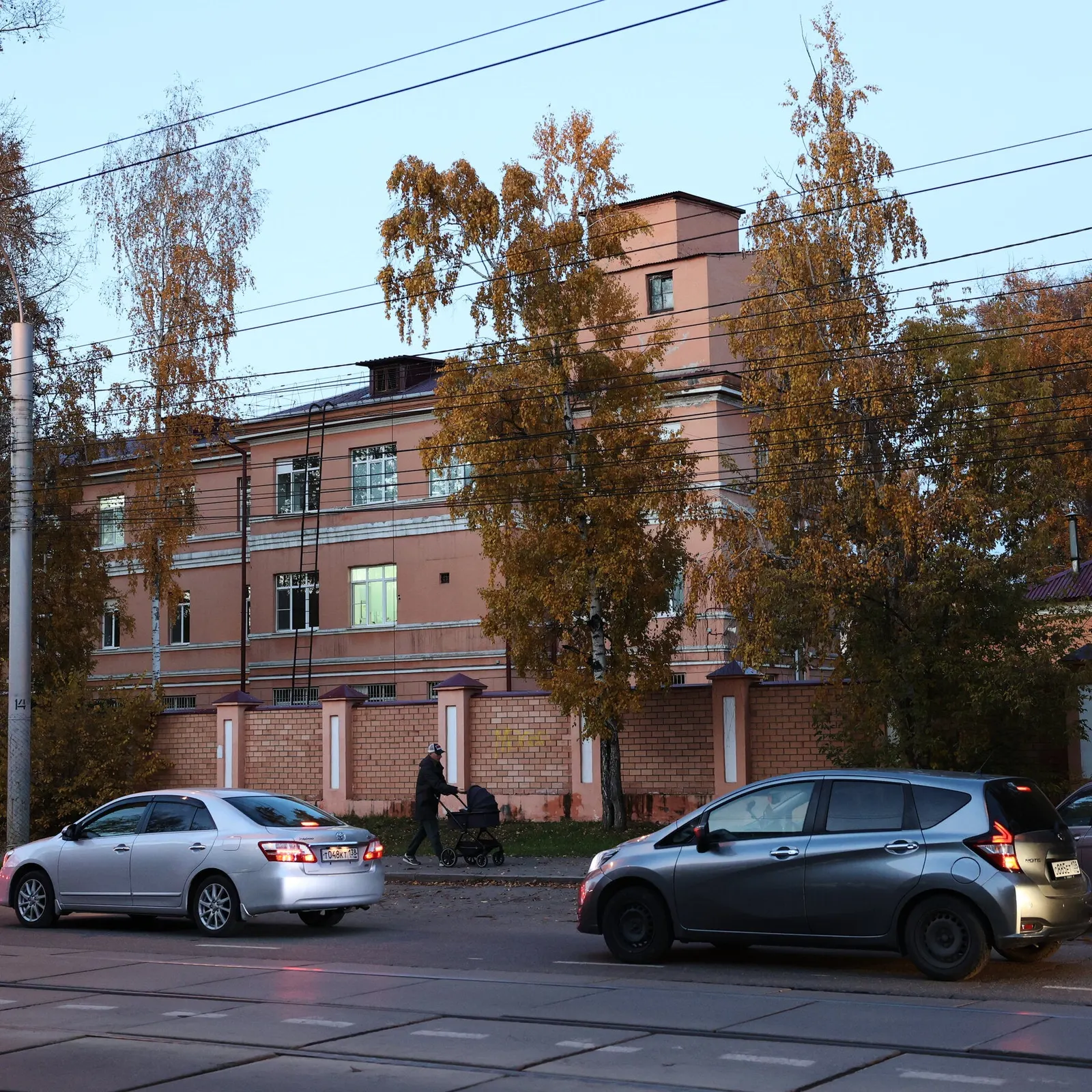
What's new
- Kremlin spokesman Dmitry Peskov told Russians to disregard speculation.
- Rospotrebnadzor said the employee died of pneumonia of unknown cause.
- Shelekhov authorities had advised people not to travel to the city.
- U.S. and EU authorities said they were closely monitoring events.
The Kremlin on Oct. 5 urged Russians to use official information rather than rumors concerning a possible plague outbreak in Siberia’s Irkutsk region, after the death of an employee of an anti-plague institute at a hospital in Shelekhov. Russia’s consumer watchdog said the woman had died of pneumonia of unknown cause; reports suggesting pneumonic plague remained unconfirmed.12
Official response
Russian presidential spokesman Dmitry Peskov referred the public to Rospotrebnadzor, the country’s agency for public health and consumer protection. He described it as the relevant specialist body and said people should follow its statements rather than rumors or speculation. According to Meduza, the Kremlin’s intervention followed reports of a possible outbreak in the Irkutsk region.1
According to Rospotrebnadzor, a staff member at an Irkutsk-region institute specializing in plague had developed pneumonia. The agency subsequently said the woman died from pneumonia of an unknown cause, according to Meduza. The New York Times reported that the official account of pneumonia was followed by more alarming unverified accounts of the incident.12
Reports around Shelekhov
Reports of a possible plague outbreak emerged after the employee died in a Shelekhov hospital, Meduza reported. Sources cited by several media organizations said she might have had pneumonic plague, but this was not confirmed by the authorities in the material reviewed for this report.1
On Oct. 3, authorities in Shelekhov published a social-media message advising people not to travel to the city, then removed it, according to Meduza. Lyudi Baikala reported on Oct. 4 that several hospitals in Irkutsk had been put under quarantine. Meduza said that report was neither confirmed nor denied.1
International monitoring
U.S. and, Meduza reported, EU officials said they knew of the suspected outbreak and were watching the situation in the Irkutsk region closely. Their statements did not establish that an outbreak had occurred.1
The available accounts leave core questions unresolved, including whether the deceased employee had any illness other than the pneumonia cited by Rospotrebnadzor, and whether hospitals were placed under quarantine. The Kremlin provided limited information as rumors circulated, according to The New York Times.12
Why it matters
The reports concern a possible public-health event in Siberia for which official information has been limited. For readers in Europe, the situation is relevant because EU authorities said they were aware of the reports and were monitoring developments, while the central claim of a plague outbreak remains unconfirmed.12
Videos
Related stories
consequence




Version history
- version 1 ·