World · Russian Federation
NATO Drafts 'Theory of Victory' Plan for Eastern Flank Defence
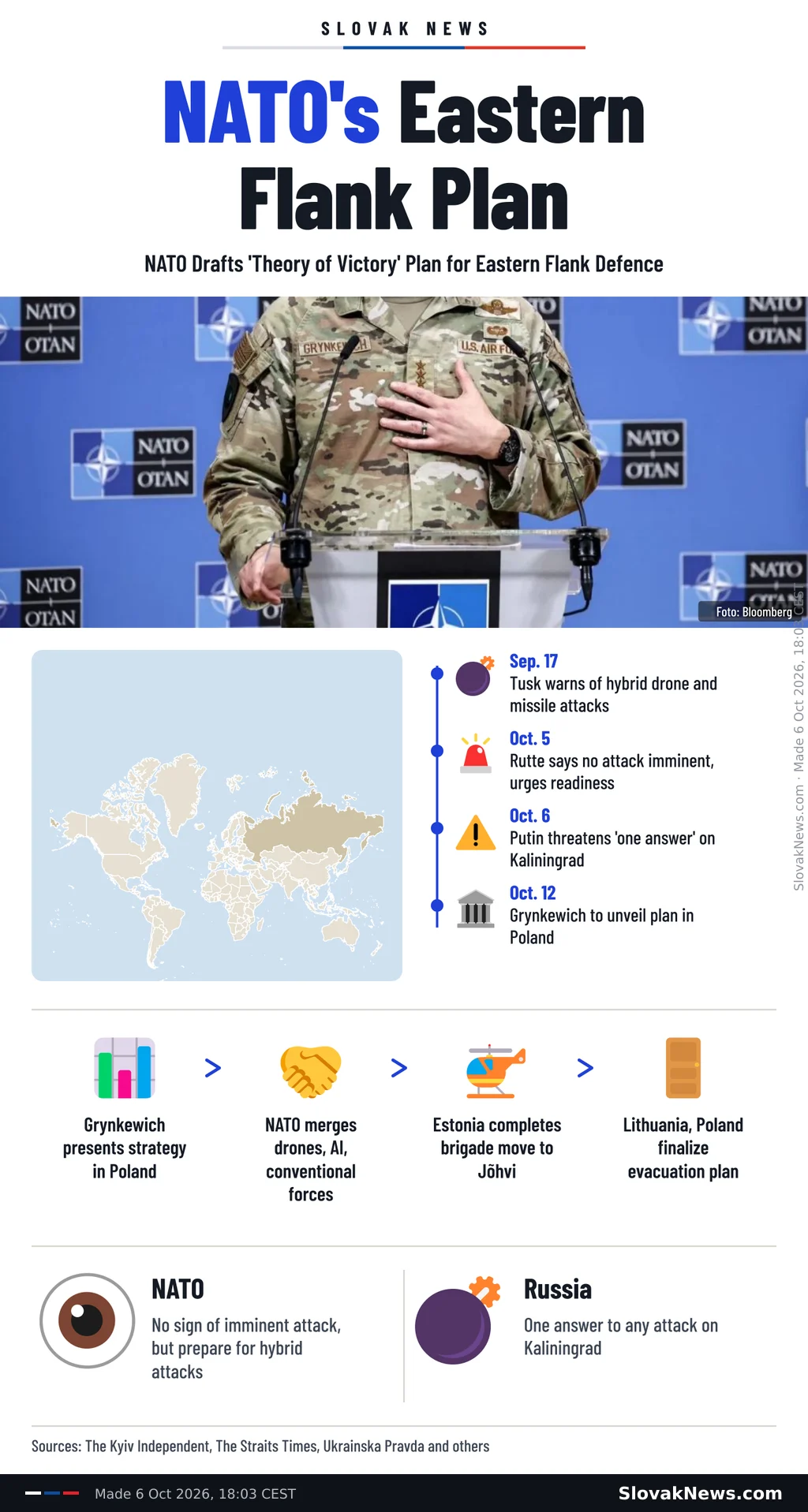
NATO officials plan to unveil a draft strategy on October 12 in Poland that pairs drone technology, artificial intelligence and conventional military power to counter a potential Russian assault.
Listen to the story
Short version
NATO is completing a 'Theory of Victory' plan that leverages drone technology and artificial intelligence to respond to any potential Russian assault on its eastern border, with an unveiling scheduled in Poland on October 12.
- NATO plan combines drones, AI and traditional forces
- Gen. Grynkewich to present strategy in Poland on Oct. 12
- Estonia relocating a brigade near the Russian border
- Putin warns of 'one answer' to any attack on Kaliningrad
- Germany's intelligence chief warns of conflict risk with Russia
Infographic
What's new
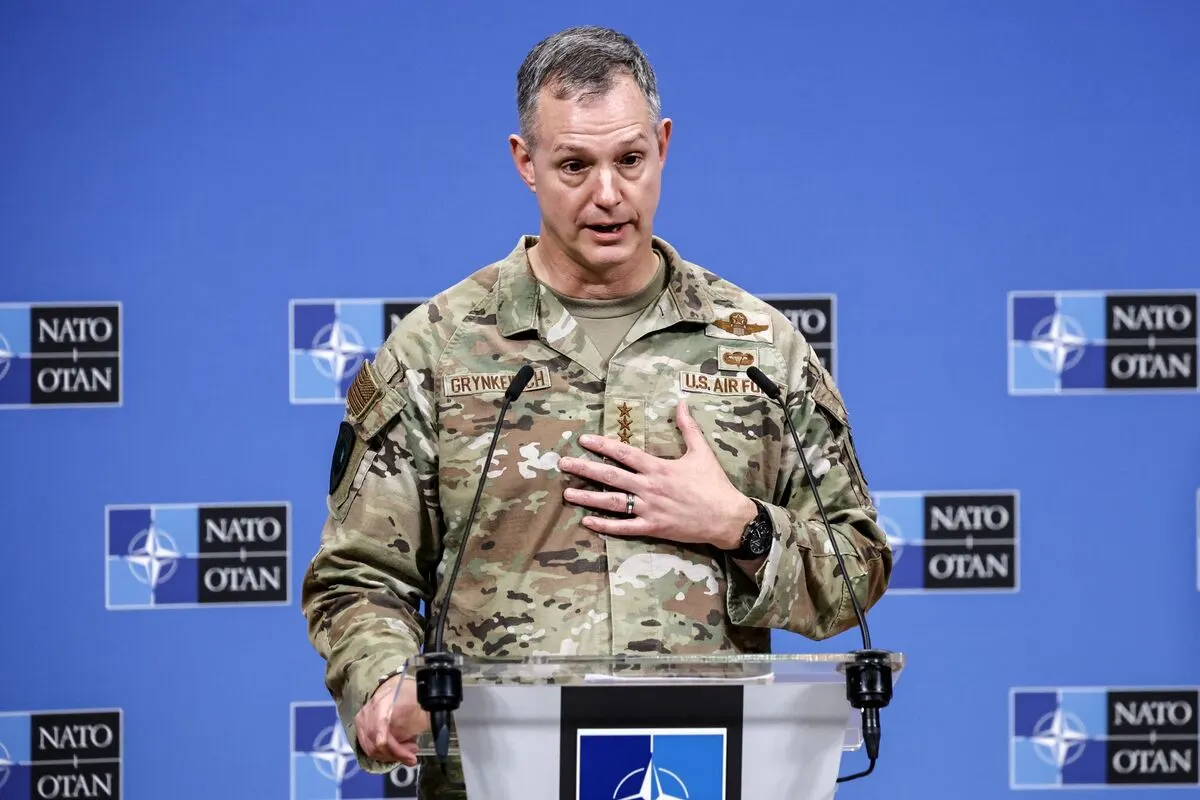
- NATO's Supreme Allied Commander Europe, Gen. Alexus Grynkewich, is finalising a 'Theory of Victory' document
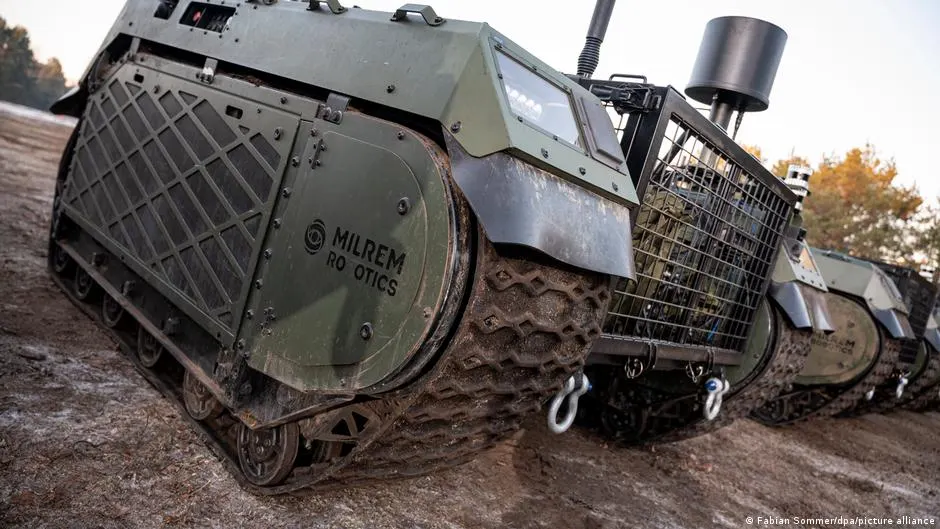
- The plan merges inexpensive unmanned aircraft, lightly staffed systems and AI-driven targeting capabilities with standard military units
- It is scheduled for presentation in Poland on October 12
- Russia's Lavrov and Putin responded, saying Moscow is alert and would answer any attack on Kaliningrad
NATO is putting the finishing touches on a defensive plan, which officials call a 'Theory of Victory', designed to fend off a potential Russian strike against the alliance's eastern border, with Supreme Allied Commander Europe Gen. Alexus Grynkewich set to unveil the document during an event held in Poland on October 12.154
Infographic
The strategy
NATO is working on a strategy aimed at achieving a quick victory should Russia attack its eastern flank, according to multiple reports. The strategy is built around the Eastern Flank Deterrence Initiative, which pairs affordable drones, sparsely manned systems and AI-powered targeting tools with conventional military capabilities, officials said.243
Colonel Martin O'Donnell, Grynkewich's spokesman, said the approach was intended to preserve NATO's edge. "The Supreme Allied Commander Europe's theory of victory is simple: maintain NATO's advantage," he said, adding, "Given the unsettled and complex global security environment, we need to set conditions now to deter aggression and, if necessary, win if attacked."243
The document emphasises that NATO remains defensive and seeks to avoid actions that could be seen as provocations, even as it prepares to counter potential incursions with land forces, drones and AI-powered targeting, and to strike at Russian command and control to secure a swift, decisive outcome, according to the Kyiv Independent.4831
Military movements
According to several reports, Estonia is moving a major brigade from Tapa to Jõhvi, roughly 50 kilometres from Russia's border, as Lithuania and Poland work together on a plan for evacuating civilians internationally.38
Separately, the US Defense Department announced the deployment of 40 Marines to the Baltic Sea region, and Estonian broadcaster ERR reported that Sweden's armed forces had adopted a new air force concept, while the Financial Times reported Estonia moving troops closer to the Russian border, according to NV.7
The Baltic Sea region has been cited as the area most likely to become a flashpoint in any confrontation between Russia and NATO, according to the Kyiv Independent, although allied and local officials say they see no sign that Moscow is planning a conventional attack in the near term.1
Russia's response
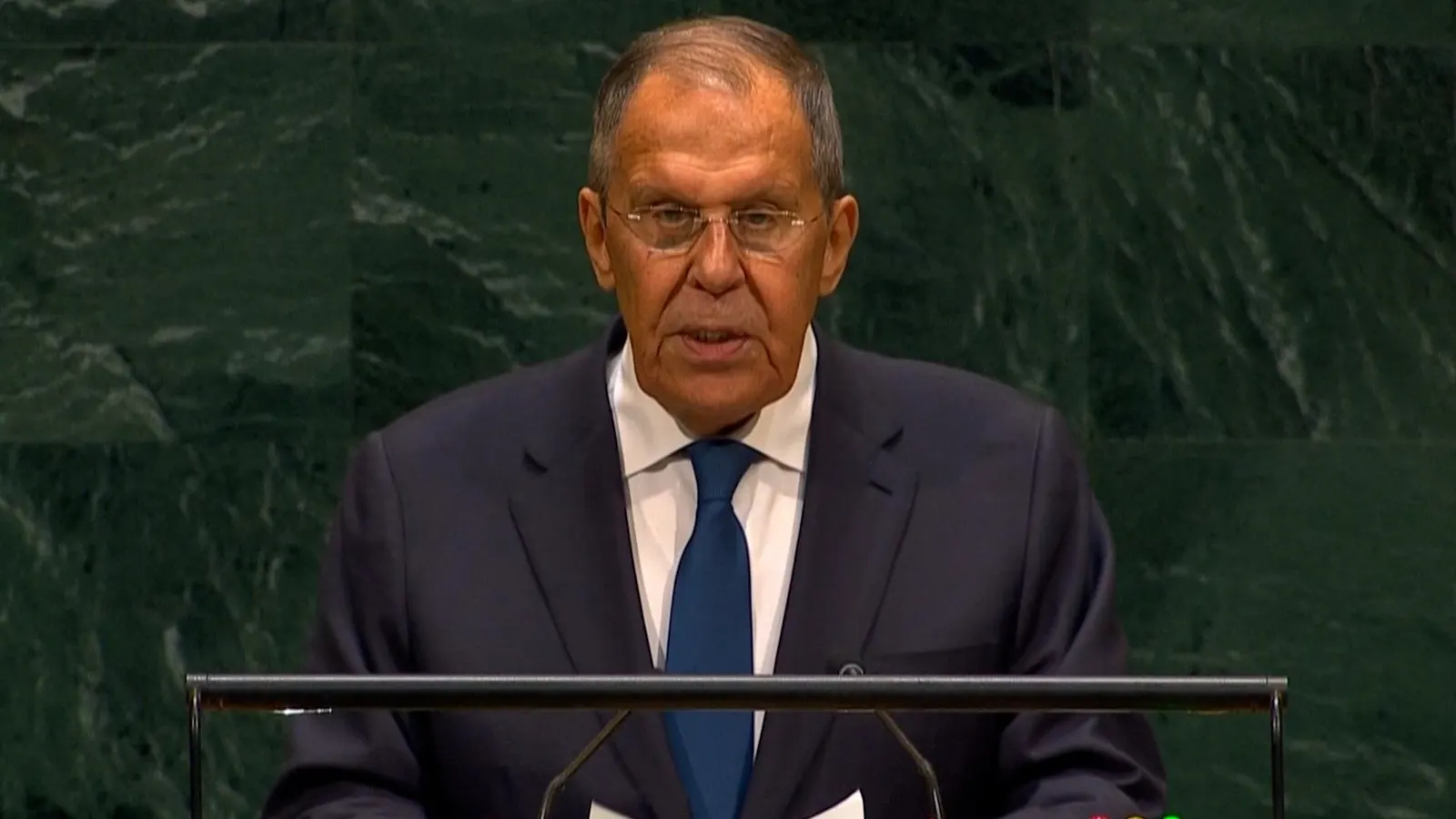
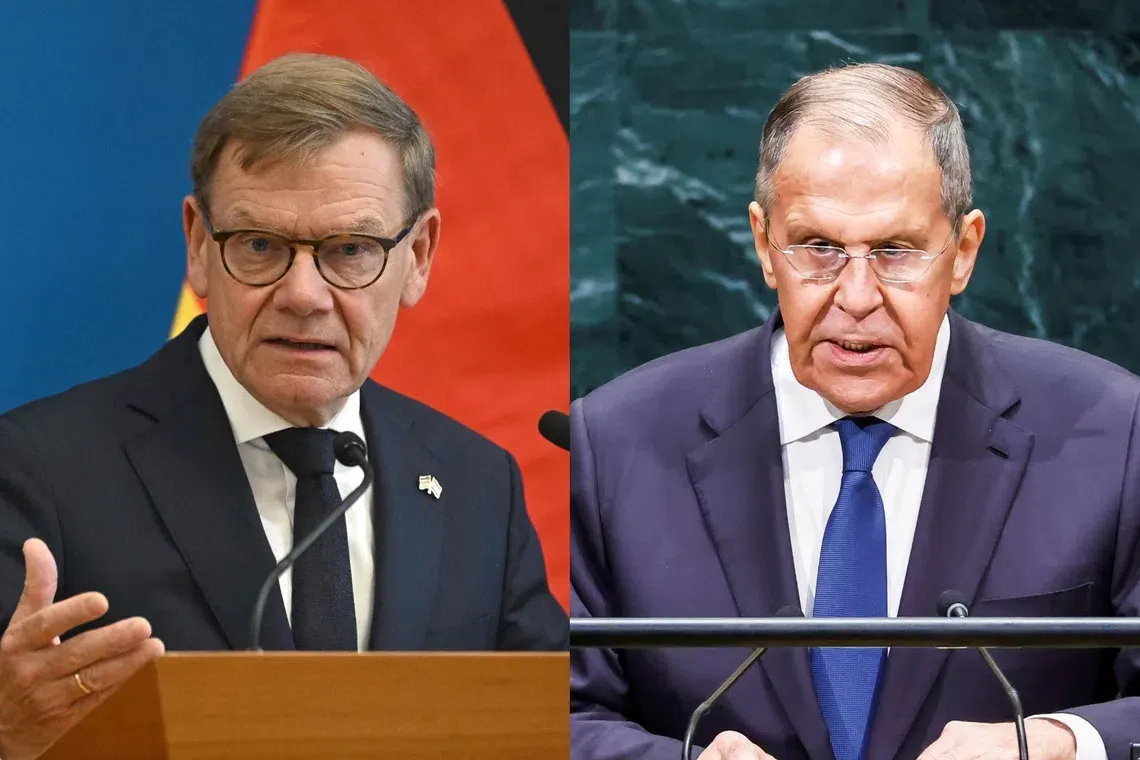
Russian Foreign Minister Sergei Lavrov, speaking after talks with his East Timorese counterpart, said Moscow was aware of NATO's statements about preparing for a possible war and was staying alert. Lavrov indicated Moscow had taken note of the comments and was watching the situation carefully. he added that what mattered most was continuing efforts toward the objectives the president had outlined.6
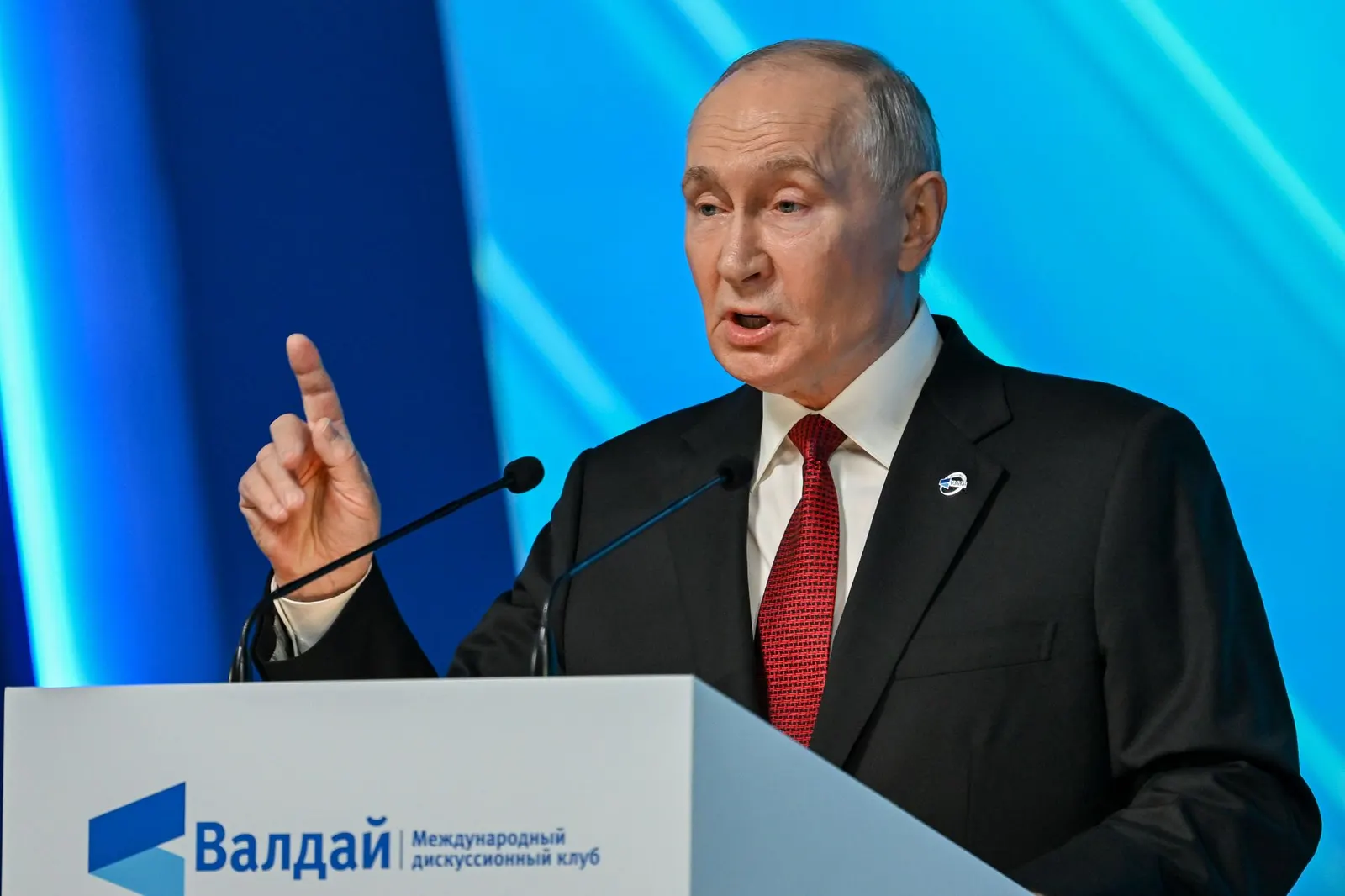
President Vladimir Putin addressed the possibility of an attack on Russian territory directly, saying: "There will be one answer to the Kaliningrad Region, to any other region." TASS also reported Lavrov accusing Western countries of responsibility for instability in the Middle East and for interference in Afghanistan, and voicing concern over the toll the situation around Iran was taking on the global economy.6
Moscow has repeatedly denied harbouring aggressive intentions toward NATO, according to thenews.com.pk.8
Warnings and context
NATO Secretary-General Mark Rutte said there were no indications Russia was preparing for a conventional attack, but said Europe should prepare for hybrid attacks, according to the Straits Times. Germany's foreign intelligence chief, Martin Jaeger, warned that Putin could not halt attacks on Ukraine without jeopardising his hold on power.2
Jaeger went further in remarks reported by thenews.com.pk, saying: "The confrontation we are facing with Russia has taken on a new, more dangerous dimension," and warning that "Germany is in danger of becoming embroiled in a violent conflict with Russia - the attempted attack in Leipzig is just one example."8
Various European countries have voiced concern over escalating Russian hybrid threats in the coming months, the outlet reported, while the United States sent NATO allies a questionnaire over the summer gauging defence spending and support for its policies, as allies have sharply increased military budgets, according to the Straits Times.82
Why it matters
The draft strategy signals that NATO is preparing concrete military responses, built around new technologies such as drones and AI, for a scenario it says is not currently imminent but cannot be ruled out. For readers across Europe, the plan and the troop movements it accompanies illustrate how allied governments are balancing deterrence with efforts to avoid actions Moscow could portray as provocation.24
Related stories
background
Version history
- version 1 ·