World · Russian Federation
Putin Warns Russia Would Use Full Arsenal to Defend Kaliningrad
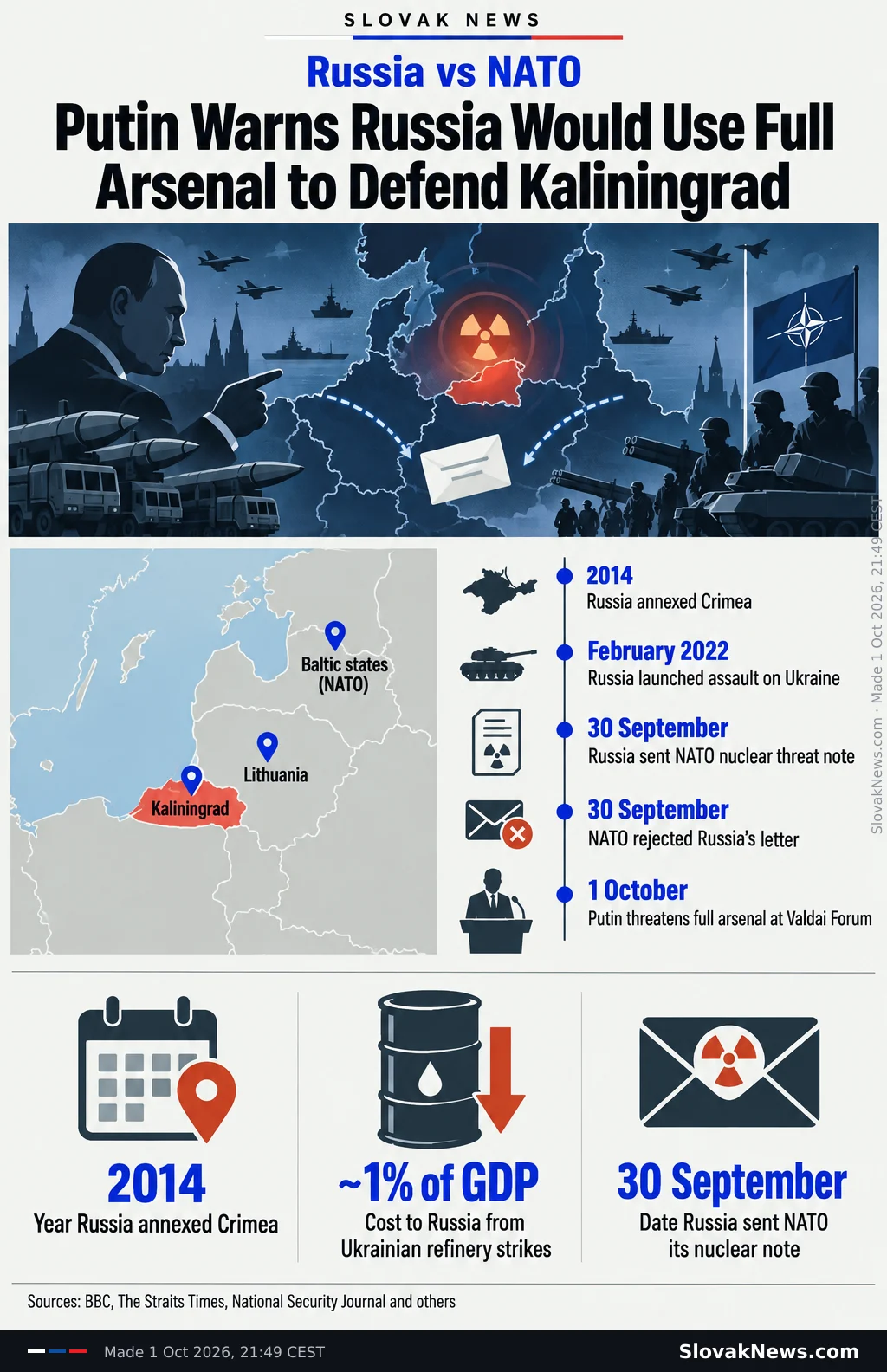
At Moscow's Valdai Forum, Vladimir Putin said Russia would deploy every weapon, including nuclear arms, if its Baltic exclave of Kaliningrad came under direct attack, as Moscow and NATO exchanged warnings over the region.
Listen to the story
Short version
Putin said Russia would use its full weapons arsenal, including nuclear weapons, if Kaliningrad is attacked, prompting NATO to reject Moscow's nuclear warnings.
- Putin: Russia would use all weapons if Kaliningrad attacked
- Russia sent NATO a note referencing nuclear weapons use
- NATO's Rutte rejected the threats as unhelpful
- Kremlin accused NATO of a 'dangerous and reckless course'
- Europe divided between diplomacy and increased pressure on Russia
Infographic
What's new
- Putin says every weapon Russia possesses, nuclear arms included, would be deployed should Kaliningrad come under attack
- Russia sent NATO a diplomatic note warning of nuclear weapons use over Kaliningrad
- Kremlin claimed NATO was acting with 'dangerous and reckless' intent and warned it might strike leadership and command sites
- NATO, through Secretary General Mark Rutte, rejected the note and called the nuclear rhetoric 'not helpful'
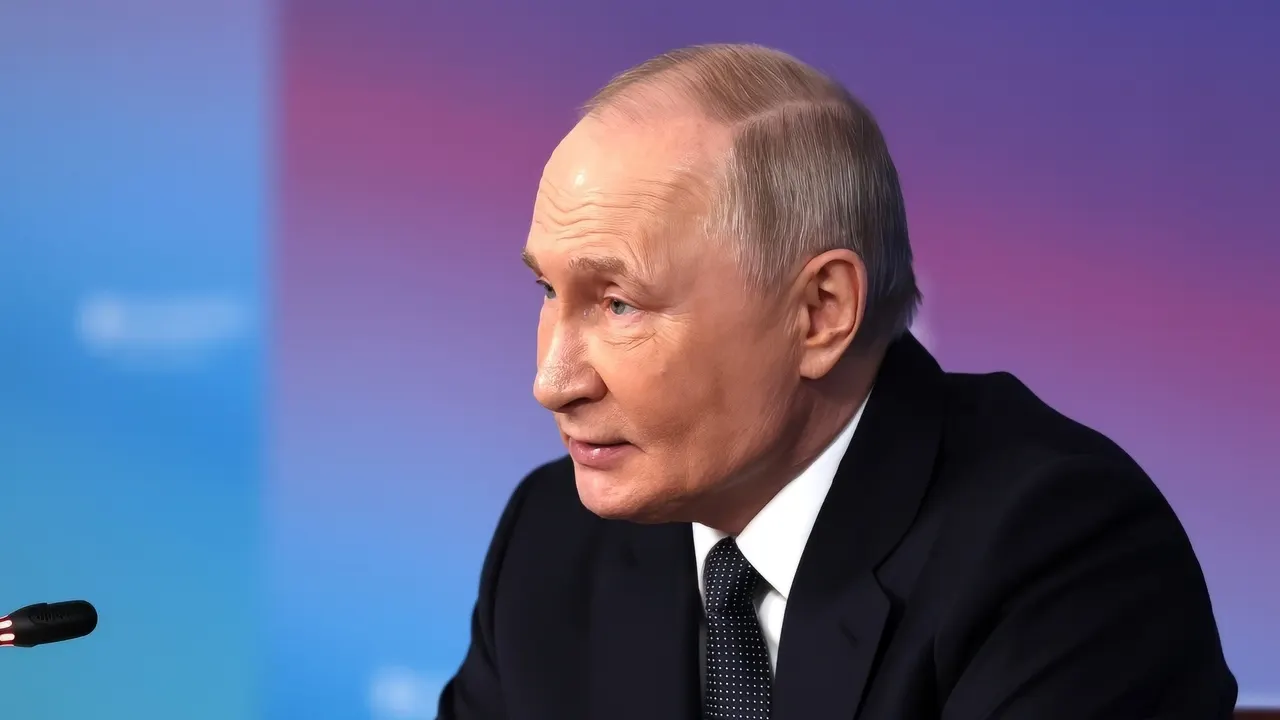
Russian President Vladimir Putin said on Oct 1 that Russia would use all the weapons at its disposal, including nuclear weapons, if its Baltic exclave of Kaliningrad came under direct attack, intensifying a standoff with NATO after Moscow sent the alliance a diplomatic note warning of nuclear weapons use.1246
Infographic
Warning at the Valdai Forum
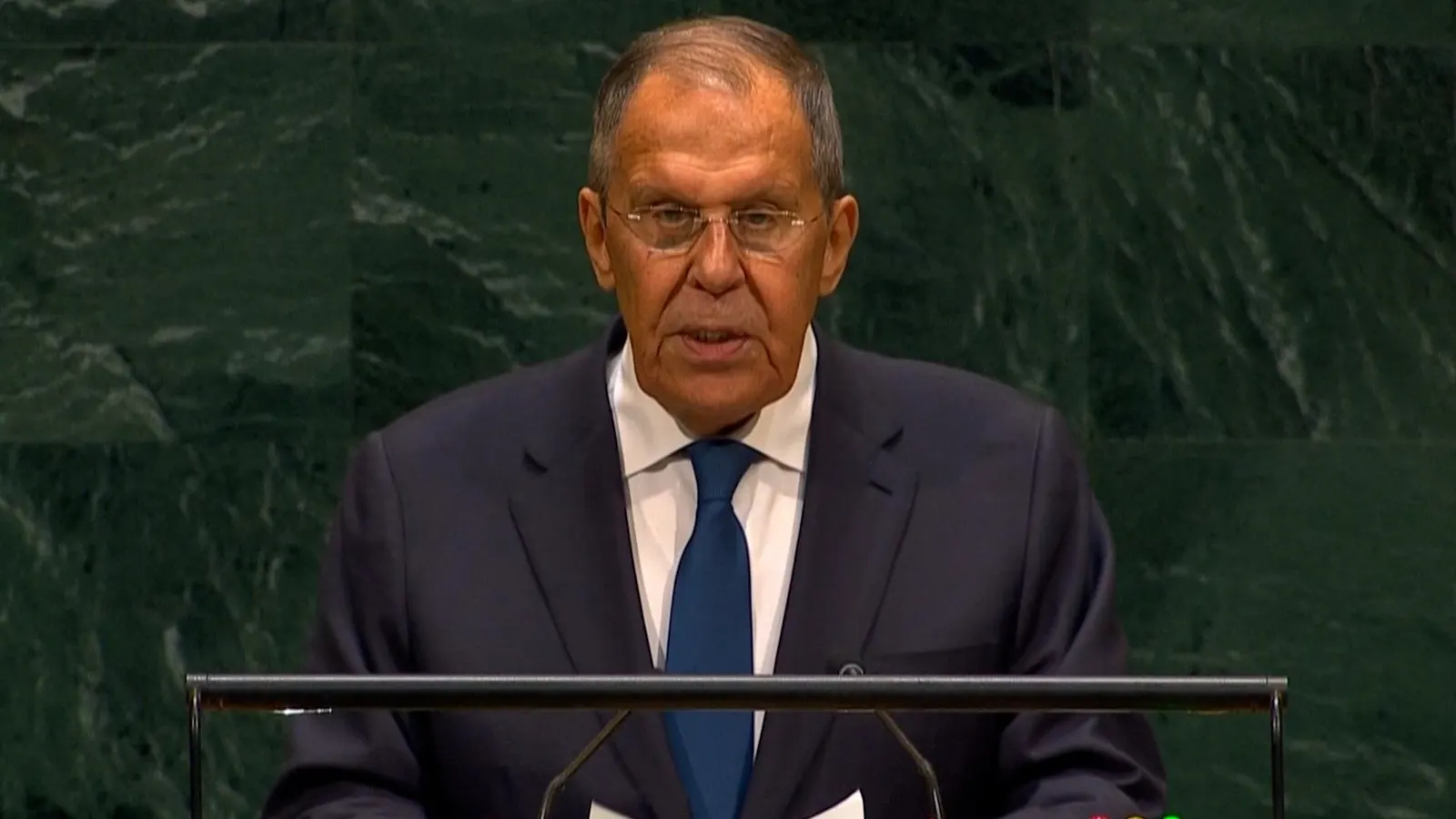
Speaking at the Valdai Forum in Moscow, Putin said any direct attack on Russian territory, specifically Kaliningrad and possibly other regions, would immediately put the use of Russia's entire weapons arsenal on the agenda. Kaliningrad, a Russian exclave on the Baltic Sea slightly larger than the U.S. state of Connecticut, borders both Lithuania and Poland.4216
Putin quoted: "If it comes to a direct attack on the Russian Federation, in this case meaning Kaliningrad and perhaps some other territories, then of course the issue of the Russian Federation using all the weapons at our country's disposal will inevitably and immediately be on the agenda."6
Putin said Russia was not threatening anyone and was merely responding to Western statements about preparations for a war in 2029 or 2030. He said: "We are not threatening anyone and we are not going to attack anyone in 2029, or 2030, or 2050, but if we face aggression, we will be forced to respond."16
Diplomatic note and NATO's response
According to the dossier, NATO received a diplomatic note from Russia warning of possible nuclear weapons use. The Kremlin claimed NATO was behaving in a dangerous and reckless manner and warned that it could strike command and leadership facilities within NATO countries.4283
NATO rejected the note. Secretary General Mark Rutte said: "We rejected it. The core of our message was simple: halt the nuclear threats. They are entirely out of line and counterproductive." He added that Russia could not defeat the alliance, saying: "Putin is aware that NATO is a force he will never overcome. That's precisely why I don't give it much weight." Rutte also stated that NATO is a defensive alliance and that none of its exercises or activities pose a threat to Moscow.71
Putin argued that Russia would be facing a NATO alliance twice its size, but said no other country possesses the kind of weapons Russia has today, including compared with the nuclear capabilities of Britain and France.421
Background: Ukraine war and economic pressure
Putin maintained that Russia was compelled to start the Ukraine conflict in February 2022 as a necessary defense of its security, placing responsibility for the invasion on Western provocation.4215
Putin said Ukrainian strikes on Russian oil refineries have cost Russia about 1% of its GDP. Kyiv says its campaign against Russian oil facilities was launched to generate funds supporting its military operations. Russia has described its own attacks on Ukrainian economic targets as a direct response to the refinery strikes, and has ramped up strikes on Ukraine's energy infrastructure every winter since 2022.421
Hybrid warfare accusations
European governments accuse Moscow of stepping up a hybrid war through sabotage and arson; Russia denies the accusations, according to the dossier. Cited examples include a Polish military helicopter wandering into Polish airspace near Kaliningrad, Lithuanians reporting persistent anxiety over Russian drones crossing into their skies, and an explosive-laden drone discovered this past August sitting on the runway at Leipzig airport.421
In a separate remark, ex-Russian President Dmitry Medvedev warned that Lithuania would be wiped off the map should it abandon its prohibition on nuclear arms. Ukrainian President Volodymyr Zelensky cautioned that another European nation could become a direct target of Russian aggression, and the dossier notes Russia has now devoted half of children's school hours to military training.5
Reactions across Europe
Bulgarian Prime Minister Rumen Radev said Europe must engage in diplomacy to avoid a worst-case scenario, while European Commissioner for Defense Andrius Kubilius said diplomacy is not the answer, stating: "Vladimir Putin needs to feel that war is coming to Russia itself." Lithuanian presidential adviser Davydas Matulionis rejected the Russian nuclear threats as unfounded psychological pressure.3
Former UK defense attache John Foreman said Russia-UK relations are at their lowest point since the early Cold War, stating: "It's been downhill since 2014." The Russian embassy in Britain warned that "those who push such notions should have no illusions about the consequences," referencing a Sky News miniseries, The Wargame, that dramatized a fictional Russian attack on the UK followed by British military operations in Kaliningrad.3
Why it matters
The exchange of nuclear warnings between Moscow and NATO over Kaliningrad, alongside accusations of hybrid sabotage in Poland, the Baltics and Germany, raises the stakes for European security. For readers across the continent, the dispute underlines how a small Russian exclave bordering two NATO states has become a flashpoint in a wider standoff with the Western alliance.12
Videos
Related stories
same place
same actors
Version history
- version 1 ·