World · Russian Federation, Belgium
Russia Intensifies War on Ukraine With Deadly Sumy School Strike as NATO Confirms Kaliningrad Nuclear Warning Exchange
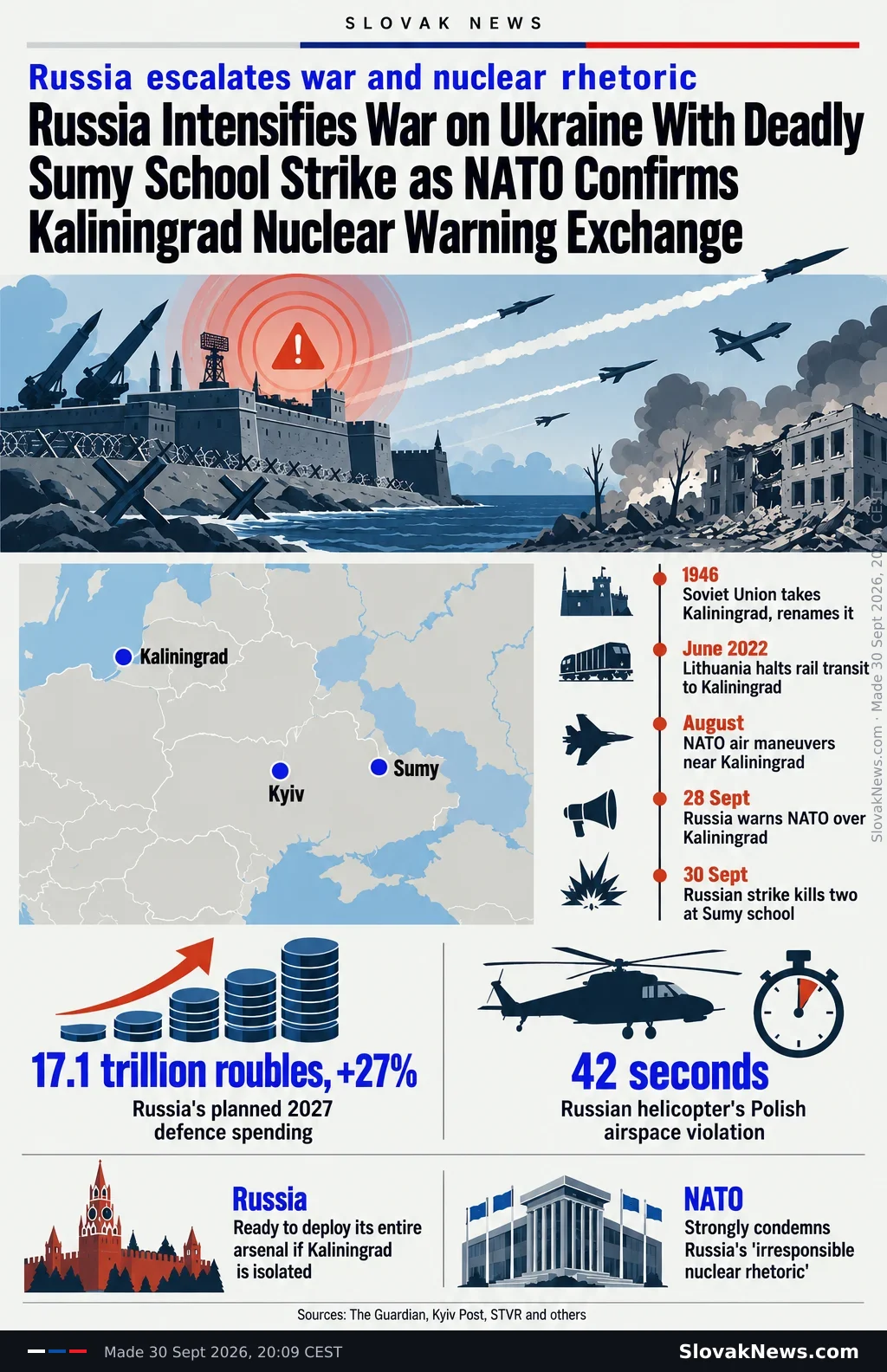
Russian glide bombs killed two and wounded six, including three children, at a school in Sumy as missile and drone strikes battered Kyiv, even as NATO formally condemned Moscow's threat to defend Kaliningrad with its full nuclear arsenal and Western allies stepped up military support for Ukraine.
Listen to the story
Short version
Russia intensified strikes on Ukraine, killing two in a Sumy school attack, as NATO formally condemned Moscow's nuclear threats over Kaliningrad.
- Sumy school strike kills two, injures six including three children
- Russia pounds Kyiv with missiles, drones, hits datacentres and vessels
- NATO condemns Russia's 'irresponsible nuclear rhetoric' over Kaliningrad
- Dmitriev meets US officials on post-war energy projects
- Belgium to send F-16s, Ukraine receives NASAMS air defense
Infographic
What's new
- Russian glide bombs kill two, injure six including three children in Sumy school strike, Sept 30
- Russia pounds Kyiv with ballistic missiles and jet-powered drones, hits datacentres and vessels
- NATO spokesperson Allison Hart condemns Russia's 'irresponsible nuclear rhetoric,' demands end to war
- Kirill Dmitriev meets US officials in Washington on post-war energy plans; Trump weighs sanctions relief
- Belgium to send F-16s, Ukraine receives NASAMS air defense amid Kaliningrad nuclear standoff
On September 30, Russian glide bombs struck a school in Sumy, killing two people and injuring six, including three children, as Moscow intensified missile and drone strikes on Kyiv and NATO formally condemned Russia's 'irresponsible nuclear rhetoric' after it warned it would deploy its full arsenal, including nuclear weapons, to defend Kaliningrad from any NATO blockade.18
Infographic
Warning to Brussels
According to the Russian Embassy in Belgium, Russia's diplomats conveyed their position directly to NATO's International Secretariat and to the Belgian Foreign Ministry, describing NATO's approach to Kaliningrad as reckless and irresponsible.34
The embassy said, "We warned that this reckless and irresponsible approach sharply increases the risks of a direct military confrontation with our country," according to TASS.3
Russian diplomats added that Moscow was prepared to use force to protect the region, stating: "We emphasized that Russia possesses the necessary means to repel potential aggression and stands ready to deploy its entire available arsenal of weapons if NATO countries try to isolate the Kaliningrad Region from the rest of our country," according to TASS. This claim about Russia's readiness to use its full arsenal has not been independently corroborated.3
Call for restraint, and a denial of wider intent
The embassy called on NATO member states to hold back from further escalatory rhetoric and actions, saying, "We called upon the bloc's member states to refrain from further escalatory rhetoric and actions in order to prevent a large-scale confrontation," according to TASS.3
Separately, according to reporting aggregated by Ground News, Russian diplomats said NATO's actions had increased the likelihood of direct armed conflict, while also stating that Moscow had no plans to attack Baltic countries. This assertion has not been confirmed by other sources.4
Slovak outlets STVR and Hospodárske noviny reported that the embassy accused NATO of an irresponsible approach that raises the danger of direct armed conflict, and cited the embassy as saying, "Moscow is prepared to defend itself with weapons," and separately, "Russia is prepared to deploy weapons to defend its territory in case of any NATO blockade attempts."12
TASS also reported an unattributed allegation from Russian diplomats that NATO leadership and member countries pursue an aggressive policy toward Russia. This claim is single-sourced and unconfirmed elsewhere.3
Nuclear warning to Britain
The warning to the UK came after The i Paper published an article suggesting NATO could blockade Kaliningrad or 'de-recognize Russian sovereignty' over the exclave, and after Sky News aired a related report on the same topic, according to TASS. Neither claim about specific NATO plans has been independently corroborated.2
The Russian Embassy in the UK said, "Those advocating plans to blockade or strike Kaliningrad should have no illusions about the consequences," and warned that "any British or NATO military action against Russian territory would be met with a response using all means at Russia's disposal, including nuclear weapons," according to TASS.2
The embassy added that Russia "neither seeks confrontation with NATO and Europe nor intends to attack them," but said that "should anyone choose to unleash such a conflict, they must be under no illusion that Russia will respond accordingly," according to TASS. These statements remain single-sourced.2
The Epoch Times reported that the Russian Embassy's warning to Britain referenced Sky's dramatized series 'The Wargame,' which examines a hypothetical strike on Kaliningrad, as well as an i Paper article describing the exclave as a potential vulnerability for Moscow after reports that military personnel and firepower had been reassigned from Kaliningrad to the Ukraine front. These characterizations remain single-sourced.5
NATO Confirms and Condemns the Threat
NATO publicly acknowledged the tense exchange, confirming it had received an informal diplomatic document from Russia warning of nuclear retaliation over any attempt to isolate Kaliningrad, and said it had sent a formal response, according to Bloomberg and Il Vermiglio.38
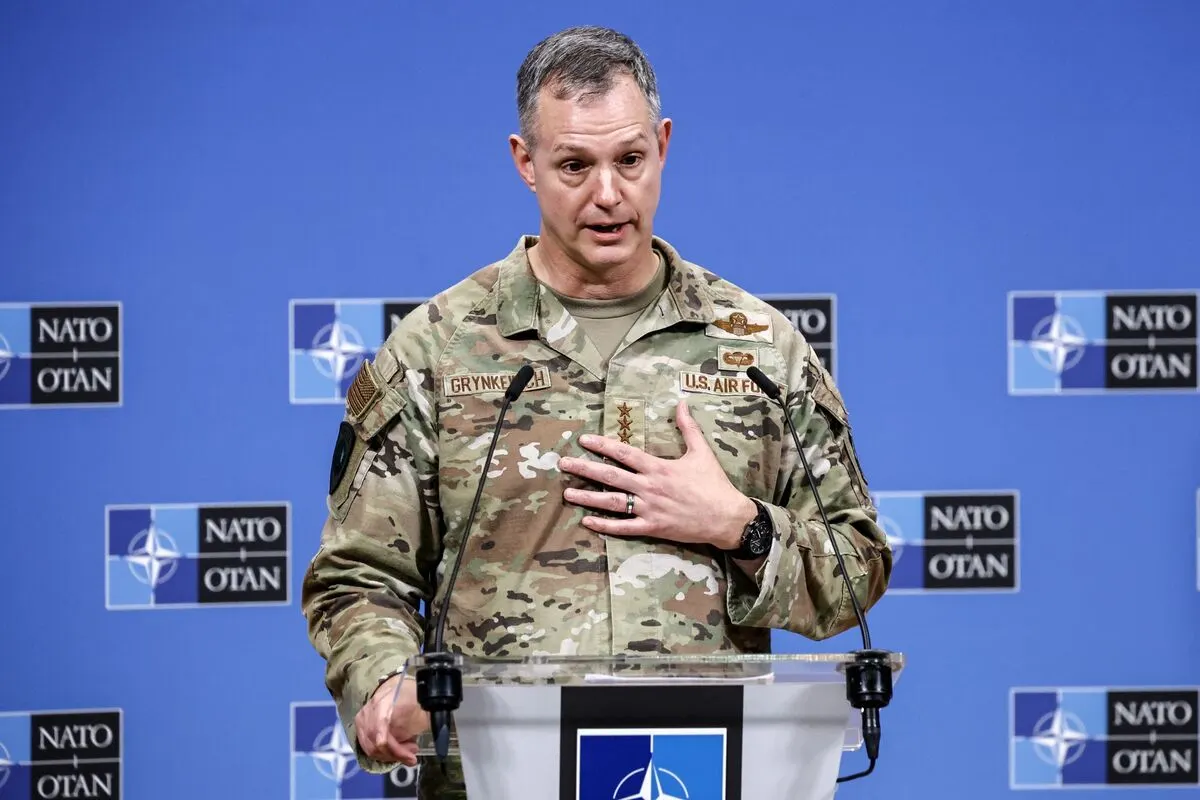
Alliance spokesperson Allison Hart said NATO "strongly condemns the threat of the use of force, including any irresponsible nuclear rhetoric," and insisted that "NATO is a defensive alliance and none of our activities or exercises pose a risk to any part of Russia," according to Bloomberg and NordiskPost.34
Hart added that NATO "has what it takes to defend every inch of allied territory, and we remain strong, ready and capable of meeting any threat," and said the alliance would continue to support Kyiv, according to NordiskPost and Il Vermiglio.48
NATO spokesperson Hart added that the alliance "calls on Russia to end its unprovoked war in Ukraine." A senior European defense official warned that "this is the first time since the Cold War that Russia is threatening us like this," calling the situation serious, while an unnamed NATO diplomat described Moscow's letter as "just another attempt by Russia to intimidate Europeans," adding that NATO's response was "firm and responsible," according to RTÉ News and LIGA.net.810
A Contested and Historic Exclave
Kaliningrad sits on the Baltic Sea between NATO members Poland and Lithuania, roughly 360 kilometers from the Russian mainland with no land connection, according to Kyiv Post. Before Soviet forces seized it at the close of World War II and gave it a new name in 1946, driving out its ethnic German residents, the area had belonged to Germany as Königsberg, the East Prussian capital.1
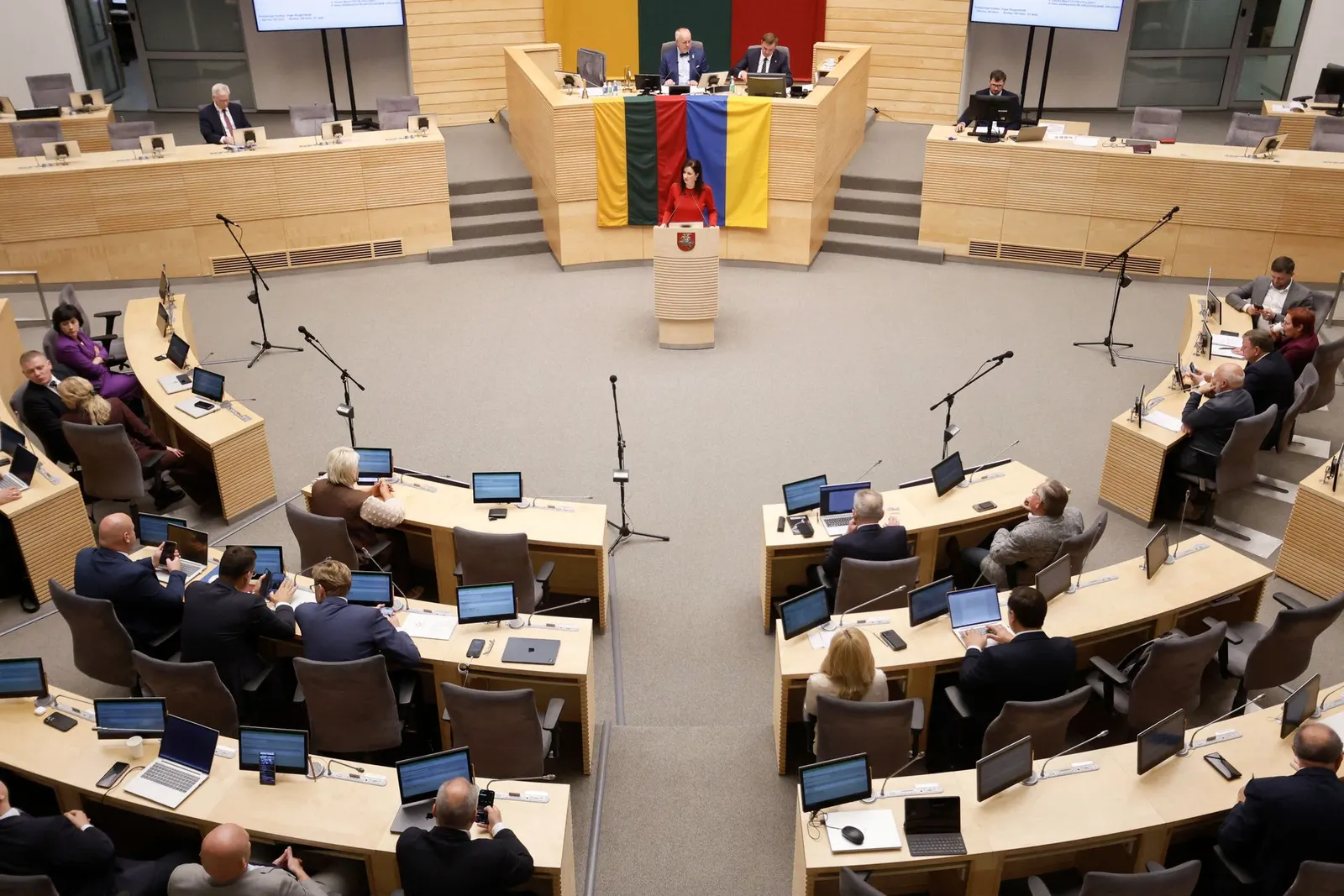
Lithuania, independent again since 1991, blocked steel and other goods subject to EU sanctions from moving by rail to Kaliningrad starting in June 2022, and the dispute has continued to simmer since then. The nearby Suwałki Gap, a roughly 65-kilometer Polish-Lithuanian border corridor separating Kaliningrad from Belarus, is viewed by NATO planners as a key strategic vulnerability, according to Kyiv Post.1
Kyiv Post reported that Russia has deployed Iskander tactical missiles with a range of about 500 kilometers in Kaliningrad, and that NATO is concerned Moscow could station non-strategic nuclear weapons there. Finland joined NATO in 2023 and Sweden in 2024, further reshaping the alliance's Baltic posture.1
According to UNITED24 Media, Kaliningrad, which is Russia's only ice-free Baltic port and hosts the Russian Baltic Fleet's headquarters, once housed around 12,000 troops from Russia's 11th Army Corps before the full-scale invasion of Ukraine.101
Political Reactions Across Europe
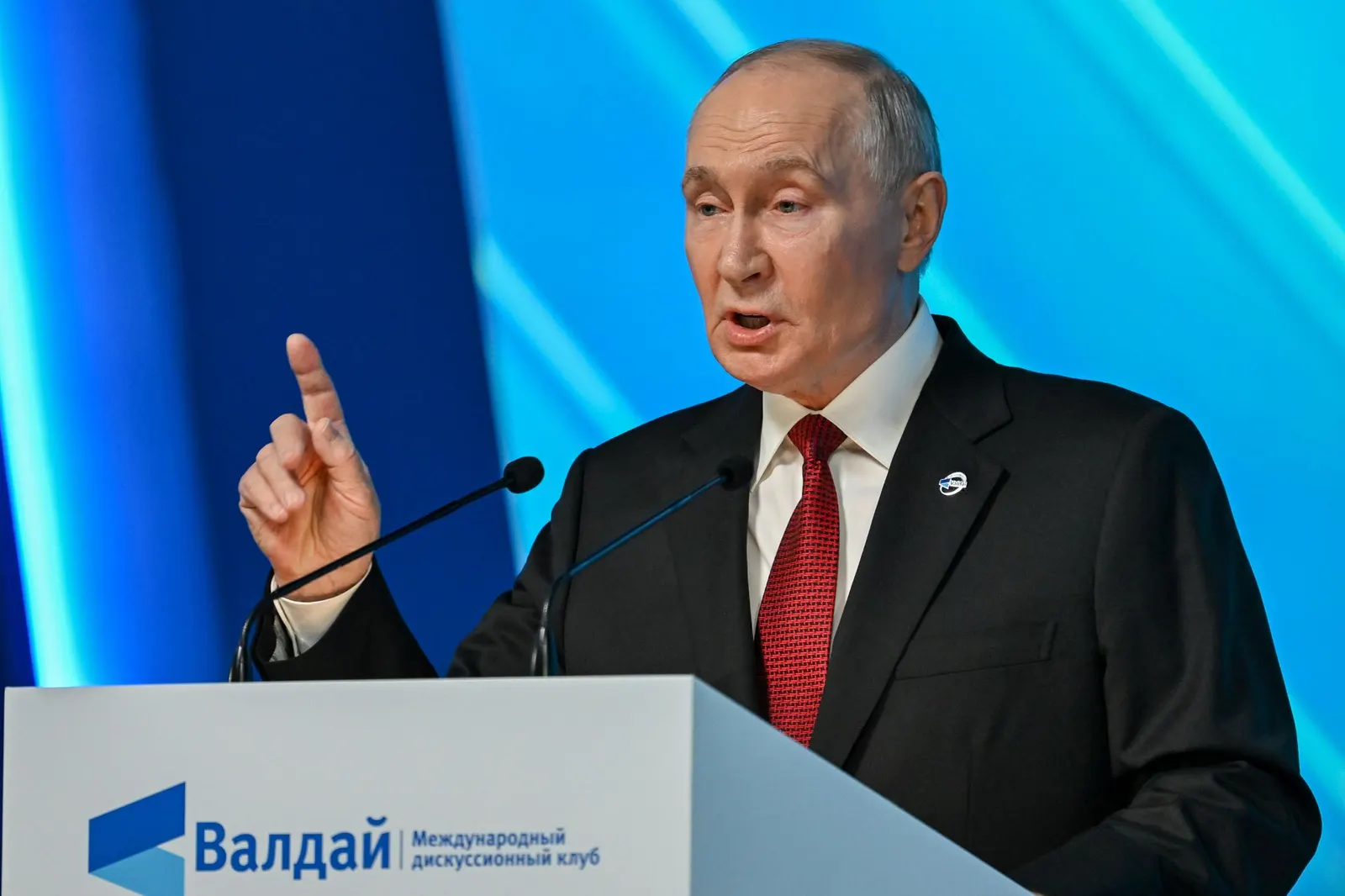
According to Kyiv Post, former Russian president Dmitry Medvedev claimed Lithuania would disappear from the map if it lifted its ban on hosting nuclear weapons, and said NATO would not invoke its Article 5 mutual-defense clause to protect Lithuania because doing so would risk global catastrophe. For his part, Vladimir Putin waved off European alarm over Russian aggression, calling it a calculated attempt to stoke tensions and provoke conflict, and he also aired complaints regarding how Russian-speaking populations are treated.1
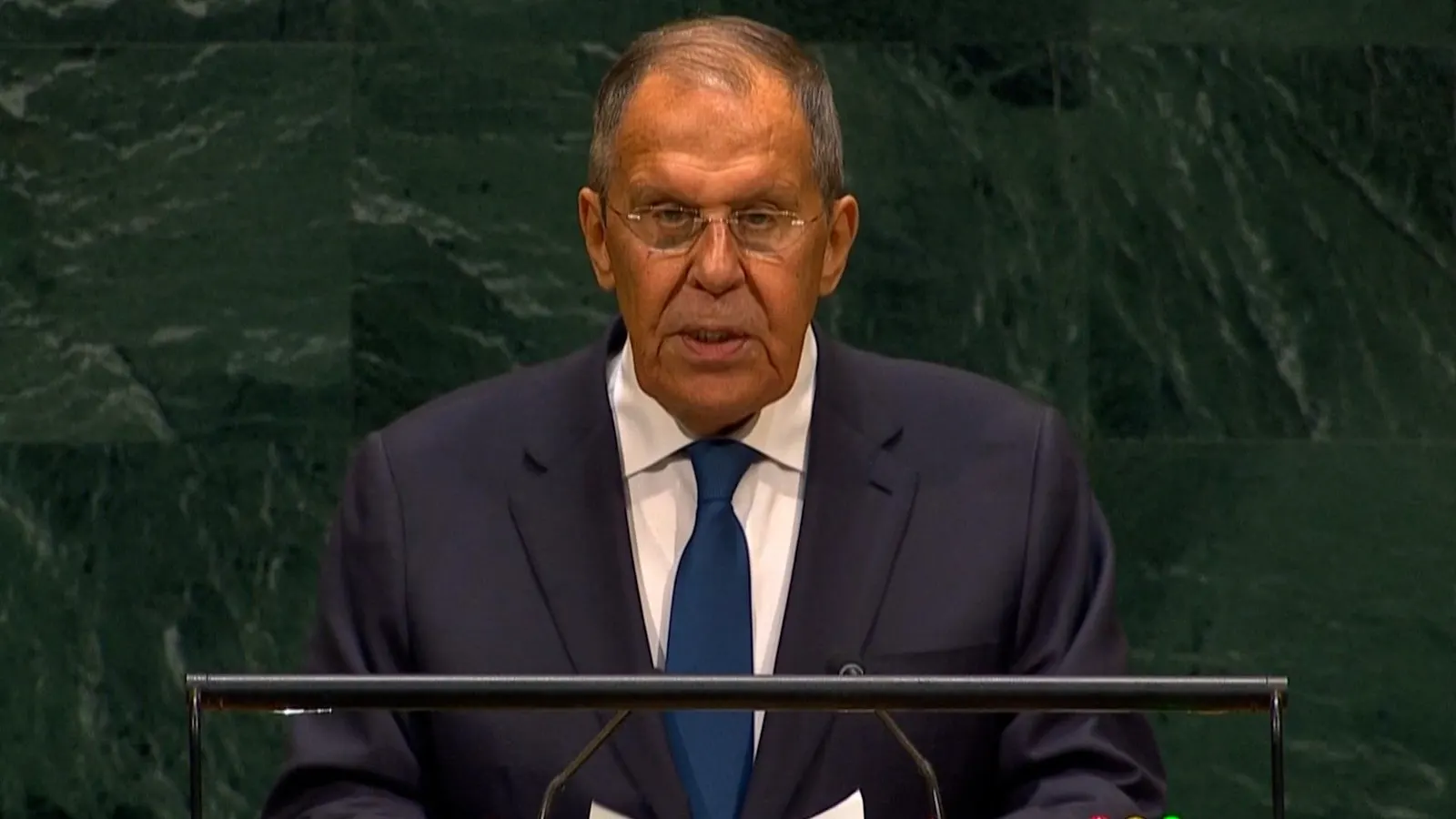
Kyiv Post reported that Ukraine's leader Volodymyr Zelensky cautioned Russia might launch a direct strike against a European nation, while Russia's foreign minister Sergey Lavrov argued that Europe's military buildup risked turning into a 'self-fulfilling prophecy.' The Epoch Times additionally noted that France opened talks with Latvia about extending its nuclear umbrella, Finland signed onto a joint deterrence effort alongside Denmark, Norway and Sweden, and EU defense chiefs weighed a new emergency protocol against hybrid attacks following Russia's denial of involvement in a drone incident targeting Leipzig/Halle Airport in August.5
Airspace Breach and Blockade Accusations
UNITED24 Media reported that a Russian military helicopter violated Polish airspace near Kaliningrad for 42 seconds. Polish Foreign Minister Radosław Sikorski said Poland "would not escalate the incident if Moscow formally apologized," while stressing that "Poland remained ready to defend its territory against deliberate threats."10
The same report noted that Deputy Foreign Minister Alexander Grushko of Russia claimed that European nations were practicing a naval blockade and potential takeover of Kaliningrad through military exercises, according to UNITED24 Media.10
Separately, Russia lodged a formal protest with Denmark over what it called "unprofessional and provocative actions" by a Danish Air Force Fennec helicopter, according to TASS. The Danish ambassador was summoned to Russia's Foreign Ministry over the incident.11
NATO's Show of Force
World Today News and Newsy Today reported that in August, NATO carried out aerial exercises meant to show it could seize command of Kaliningrad's territory should Russia turn aggressive, continuing a gradual buildup of alliance forces along its eastern border since Russia's February 2022 invasion of Ukraine intensified. Poland's Ministry of Defense characterized the drills as a demonstration of rapid response readiness rather than a provocation.813
Newsy Today reported that Russia's subsequent nuclear-tinged rhetoric followed directly from these NATO maneuvers, though NATO maintains, in Allison Hart's words, that "no exercises or activities conducted by the alliance pose a threat to any part of Russia."138
War Intensifies: Strikes on Kyiv and Sumy
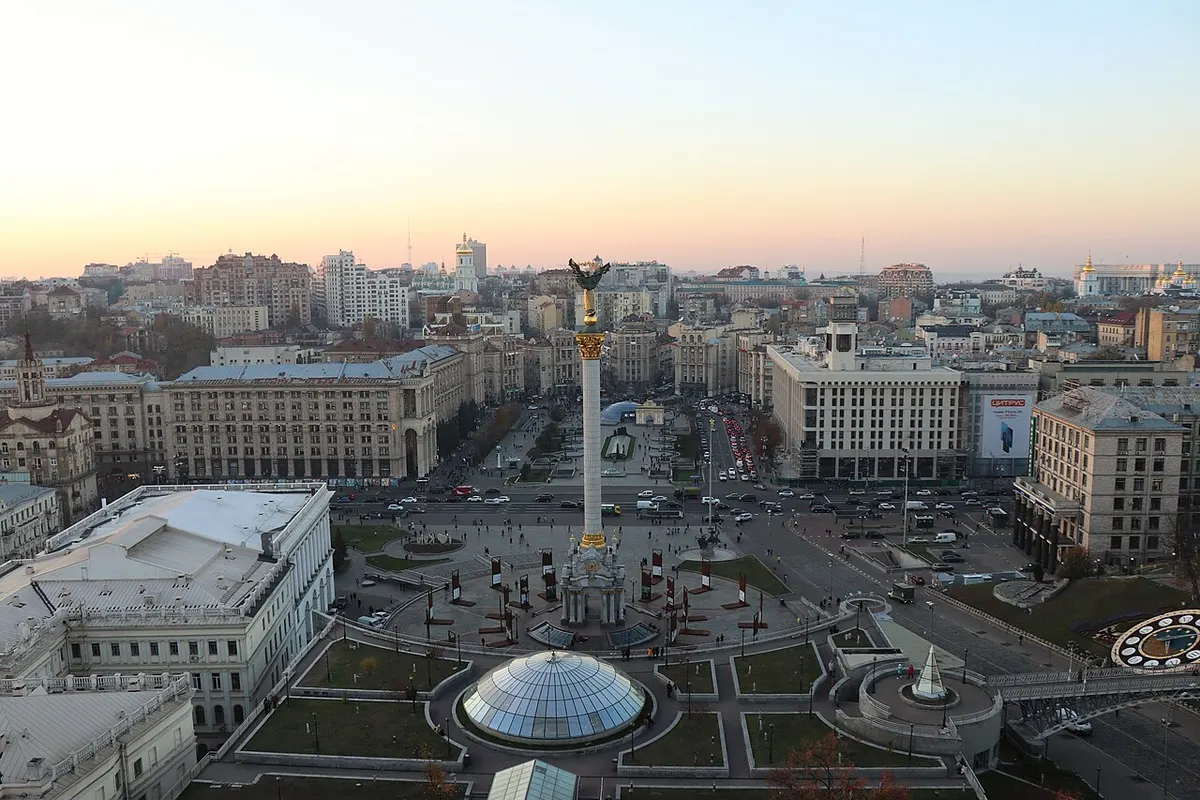
On September 30, Russian forces launched ballistic missiles alongside dozens of jet-powered drones against Kyiv, overwhelming Ukraine's air defenses and hitting two of the capital's datacentres, a cargo ship tied to military use in the Black Sea, and a separate vessel docked at Odesa port, the Guardian reported.1
Russian glide bombs struck a school in Sumy, killing two people and injuring six, including three children, the Guardian reported. Officials at Kyiv's Taras Shevchenko National University announced plans to move operations online through at least October 16, citing worsening security conditions.1
Diplomacy and Western Support
Even as fighting escalated, Kirill Dmitriev, Russia's presidential envoy on foreign investment, held talks with American officials in Washington, which one US government source characterized as productive conversations covering both a potential end to the Russia-Ukraine war and possible joint energy ventures between the two countries, per the Guardian. A separate US official said Washington remained committed to "continuing to play a constructive role in ending the war between Russia and Ukraine." The Guardian reported that President Donald Trump favors a proposal to lift some sanctions if Russia releases political prisoners, though this has not been independently confirmed elsewhere.1
According to the Guardian, Belgium plans to hand over three F-16 jets to Ukraine before year's end, and both Belgium and Spain have rushed additional ammunition shipments to support the fighter jets Ukraine already operates. Ukraine also received a NASAMS air defense system jointly developed by the United States and Norway. Separately, a Russian Tu-95 strategic bomber crashed during a training mission in the Amur region, killing all six crew members.1
The Guardian reported that Russia plans to spend 17.1 trillion roubles on defence in 2027, 27% more than originally budgeted, while cutting social policy funding by 7%, education by 6% and healthcare by 6.8%.1
Why it matters
Kaliningrad, Russia's only ice-free Baltic port and home to its Baltic Fleet headquarters, sits between NATO members Lithuania and Poland roughly 360 kilometers from the Russian mainland, with the narrow Suwałki Gap corridor seen by NATO planners as a key vulnerability. The nuclear-tinged standoff over the exclave is unfolding alongside an intensifying war in Ukraine, where Russian strikes have killed civilians and hit critical infrastructure in Kyiv and Sumy, and a senior European defense official has called Moscow's threats the most serious since the Cold War, raising the risk of miscalculation in one of Europe's most sensitive military corridors.15810
Related stories
same actors
Version history
- version 5 · Added Russia's intensified strikes on Kyiv and a deadly glide-bomb attack on a Sumy school, new NATO and diplomatic quotes, a Russian protest against Denmark, and details on US-Russia diplomatic contacts and Western military support for Ukraine.
- version 4 · Added a Russian helicopter's 42-second violation of Polish airspace near Kaliningrad, Sikorski's conditional de-escalation offer, Grushko's blockade-rehearsal accusation, and details on NATO's August air maneuvers and Kaliningrad's military significance.
- version 3 · NATO publicly confirmed and condemned Russia's nuclear threat over Kaliningrad as 'irresponsible nuclear rhetoric,' while new reporting adds background on Kaliningrad's history, Lithuania's transit restrictions, and warnings from Medvedev, Putin, Zelensky and Lavrov.
- version 2 · The Russian Embassy in the UK escalated the warning on September 29, saying any NATO blockade action against Kaliningrad would be met with a response including nuclear weapons, following British media reports of blockade plans.
- version 1 ·