World · Russian Federation
Russia Declares European Arms Factories Military Targets
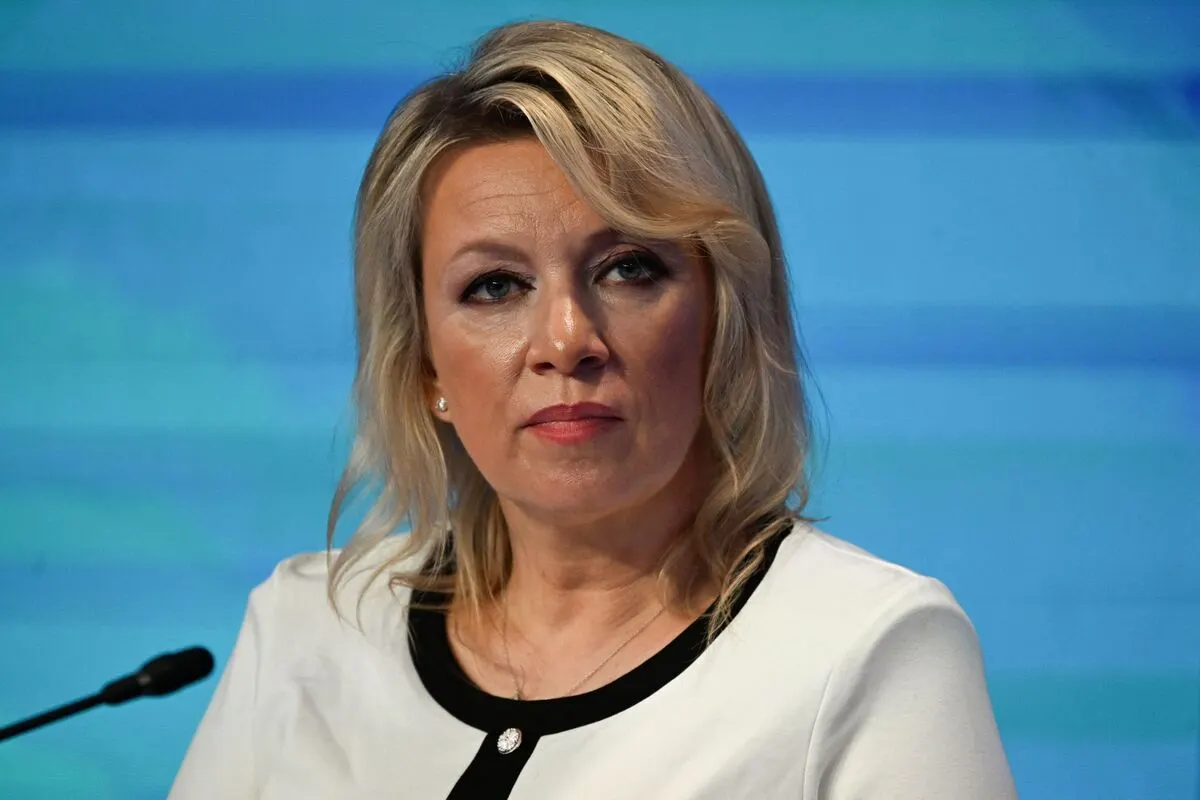
Russian Foreign Ministry spokeswoman Maria Zakharova said factories in Europe producing weapons for Ukraine are legitimate military targets, as NATO and Kyiv vowed to continue arms cooperation.
Listen to the story
Short version
Russia's Foreign Ministry said European factories making arms for Ukraine are legitimate military targets, as NATO vowed unchanged vigilance and continued support for Kyiv.
- Zakharova: European arms factories are legitimate military targets
- Cited Poland's apparent plan for a Patriot missile factory
- NATO's Rutte says threat assessment unchanged, rejects nuclear threat
- Reports of Russian-linked arson in Estonia, drone incident in Germany
- Zelensky touts gains from Vivaldi counteroffensive
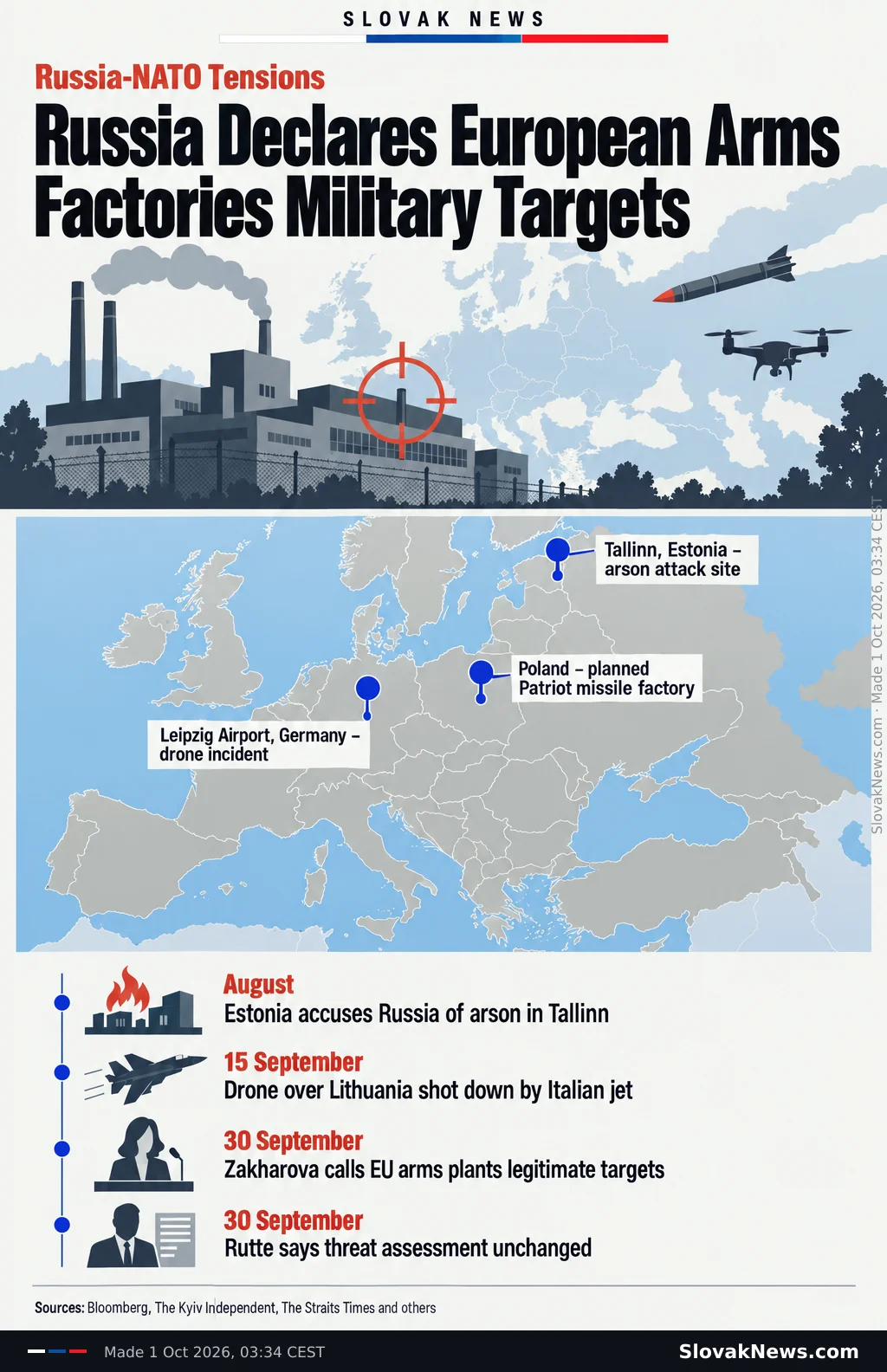
Infographic
What's new
- Zakharova says European arms factories are 'legitimate and potential military targets'
- Russia cites Poland's apparent plan to host a Patriot missile factory
- NATO's Rutte calls threat assessment unchanged, rejects nuclear threats
- Zelensky visits frontline, touts gains from the Vivaldi operation
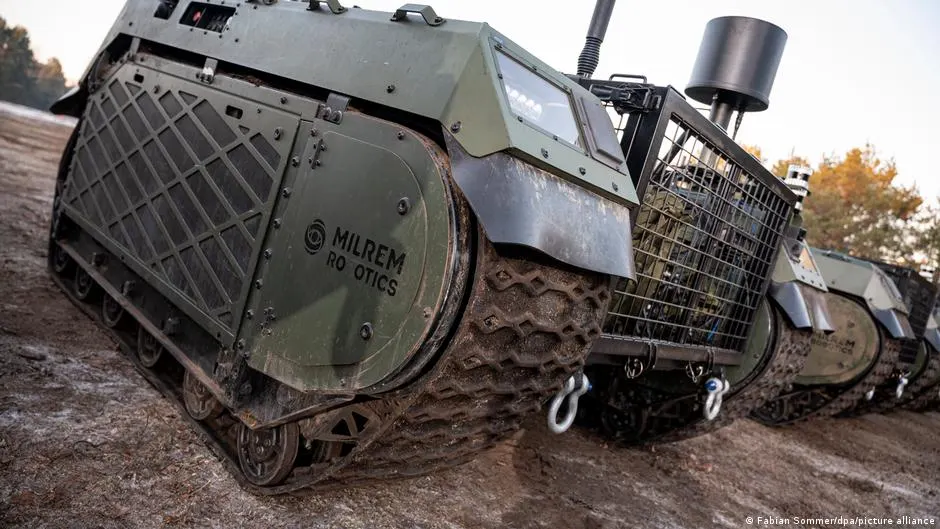
On September 30, Russian Foreign Ministry spokeswoman Maria Zakharova declared that any European plant manufacturing arms destined for Ukraine could be struck by Russian forces, tying the statement to Poland's reported willingness to establish a Patriot interceptor missile production site.1234
Infographic
Russia's warning
At a Moscow briefing, Zakharova said: "Factories producing weapons for Ukraine in European countries are potential military targets for Russia," adding that "no plant outside Ukraine making arms for Kyiv will be safe."1
Asked about reports that Poland is readying a facility to produce Patriot interceptor missiles, Zakharova argued that European countries supplying arms are directly involved in the Ukrainian conflict. "European countries are directly involved in the conflict in Ukraine," she said, and asserted that opening arms factories and joint ventures "only delays a resolution to the conflict."357
According to Brussels Morning, Russia stopped short of naming any particular plant for attack or declaring an operation against a NATO state, even as the outlet pointed out that European nations have been ramping up arms manufacturing to restock supplies and keep aid flowing to Ukraine.6
Hybrid tensions with NATO
The Kyiv Independent reported, citing Western officials, concerns over growing Russian hybrid operations against NATO. The outlet noted that Estonian officials blamed Russian intelligence for an August arson incident targeting a defense contractor's building in Tallinn, while German authorities pointed to Moscow as behind a failed drone strike aimed at Leipzig Airport.2
Polish Prime Minister Donald Tusk warned that Russia "could launch an accidental drone attack into NATO territory to test the alliance's unity," according to the same report, which also said Russia had threatened NATO with nuclear weapons should the alliance attempt to isolate Kaliningrad Oblast, the Russian exclave on the Baltic Sea between Poland and Lithuania.25
NATO chief Mark Rutte stated that the alliance's view of the Russian threat had not shifted compared with assessments made weeks, months or a year prior, and pushed back on the nuclear rhetoric, remarking: "Hey, listen, we are defensive alliance and stop the nuclear threat."5
Separately, Brussels Morning noted that NATO describes itself as a defensive alliance even as individual members provide military assistance to Ukraine, and reported that a drone violated Lithuanian airspace on September 15, prompting Rutte to say NATO "defends every inch of Allied territory against any threat from any direction" and that this was "collective defence in action."6
Ukraine's position
Per AAP, Ukrainian President Volodymyr Zelensky traveled to a command post close to the eastern battle lines and commended progress achieved through the Vivaldi counteroffensive, which the agency said had stopped Russian troops from penetrating behind Ukraine's defenses. Zelensky called it "a serious operation, important in many ways for our defence overall and in Donbas in particular."5
Rutte, commenting on prospects for negotiations, said: "It takes two to tango. So far, it doesn't seem that Vladimir Putin is willing to tango when it comes to a peace deal," AAP quoted him as saying, adding that NATO along with numerous European nations have pledged ongoing backing for Ukraine.537
Russian account of Alyoshki
TASS reported that Zakharova, speaking at the same briefing, discussed the town of Alyoshki, noting it sits roughly three kilometers from Ukrainian lines and remains "within range of and subject to regular shelling by Ukrainian artillery, MLRS, and drones." She claimed Kyiv was trying to spin the situation into another "Bucha 2.0" for propaganda purposes and charged Ukraine with causing a humanitarian disaster in the area.4
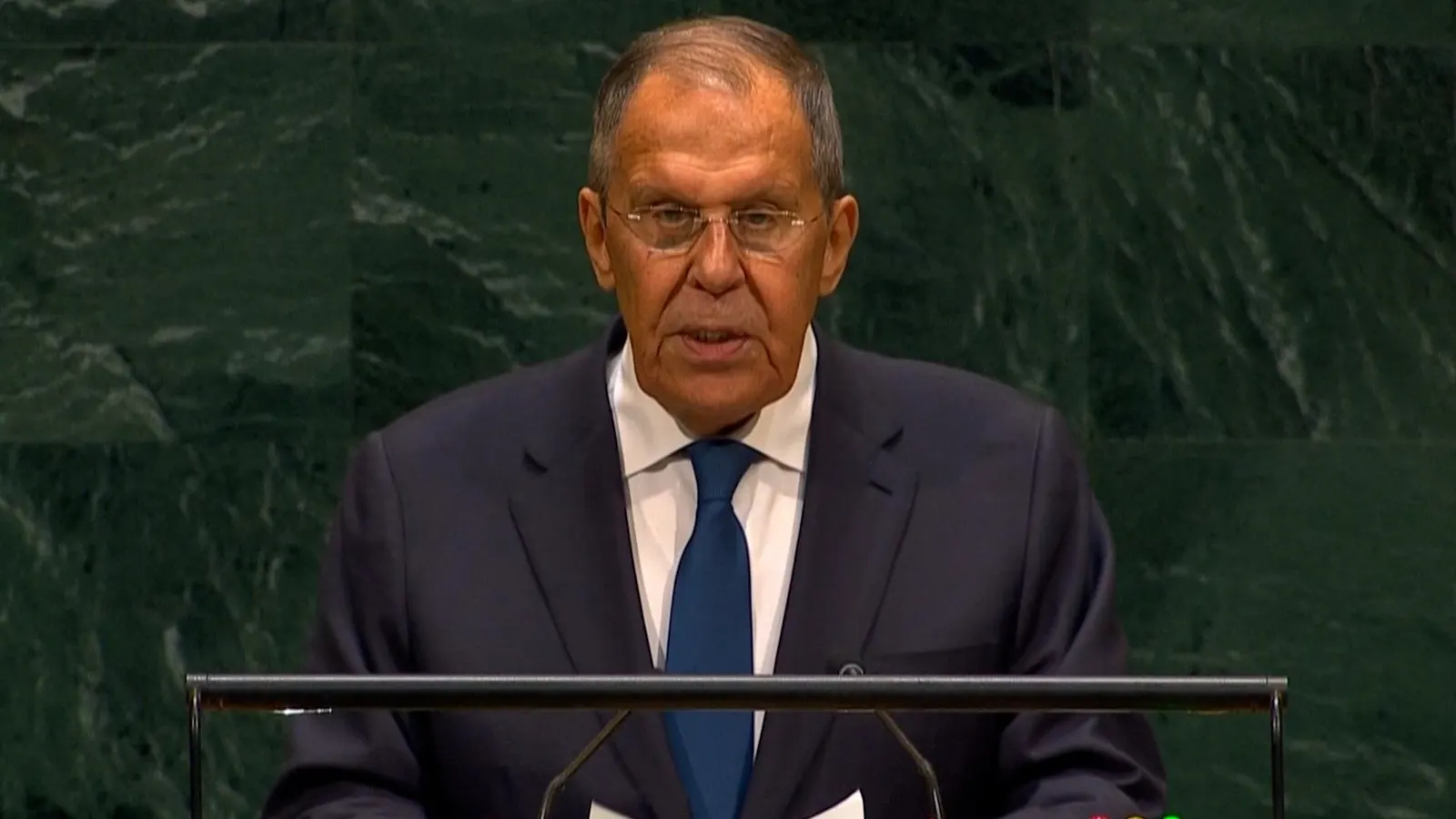
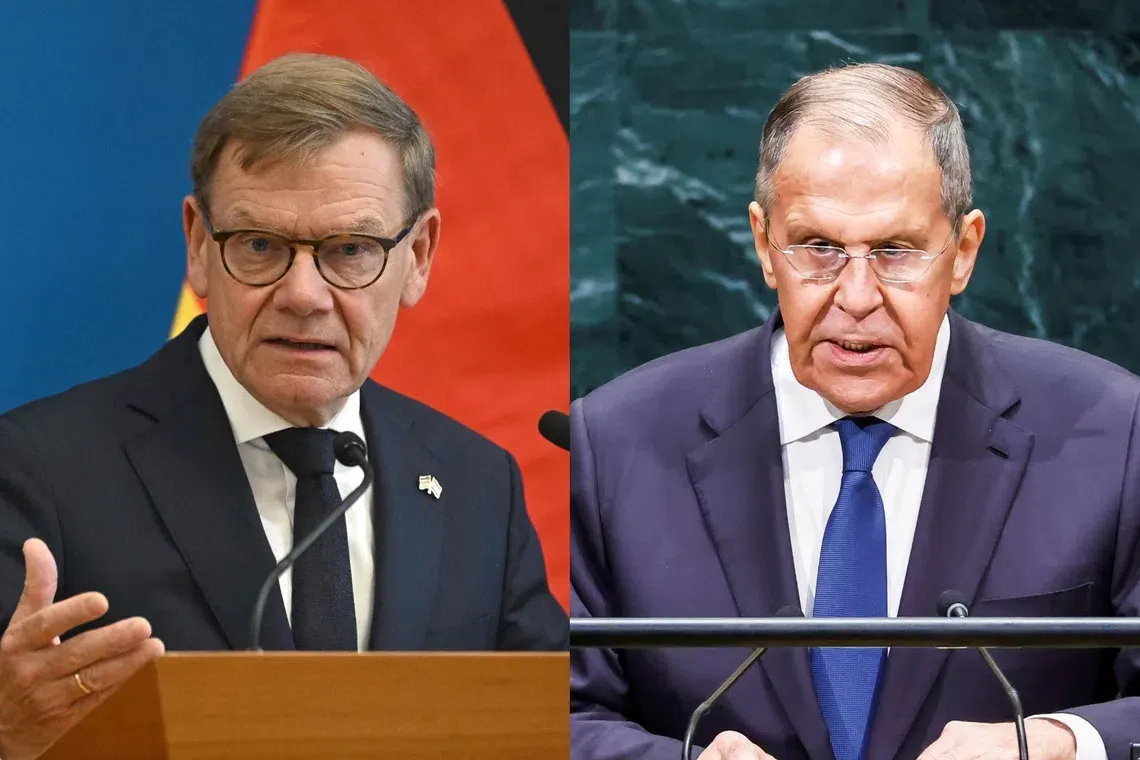
According to TASS, Zakharova also dismissed Zelensky's ceasefire statements as lacking genuine intent for peace, saying "his statements have nothing to do with a genuine desire for a just and lasting peace." She said a meeting between Russian Foreign Minister Sergey Lavrov and German Foreign Minister Johann Wadephul gave no grounds to regard it as a sign of Berlin's readiness to restore dialogue, and alleged Western pressure on African states to prevent attendance at a Russia-Africa summit.4
Why it matters
The designation raises the prospect that production sites on NATO territory, not only in Ukraine, could become targets, at a time when European governments are expanding weapons manufacturing to sustain support for Kyiv. Combined with reported hybrid incidents near alliance borders, the warning sharpens questions over how far European support for Ukraine could draw member states into direct confrontation with Russia.26
Related stories
same actors
Version history
- version 1 ·