Science & Tech · North Korea
North Korea reports test of torpedo using artificial intelligence
State media said the underwater trial tested upgrades to propulsion and AI-assisted targeting. Technical specifications and evidence for the AI claims were not disclosed, according to Aju Press.
North Korea says it tested an AI-equipped torpedo underwater. Details needed to assess its claimed capabilities remain undisclosed.
- State media says AI supports target detection and guidance.
- The trial also examined propulsion upgrades.
- Aju Press says technical evidence for the AI claims was absent.
- Range, speed and test location were not disclosed.
What's new
- North Korea reported an underwater torpedo test conducted on Thursday.
- State media said artificial intelligence was incorporated into target detection and guidance.
- The trial also evaluated a propulsion system refined in the course of more than 180 tests.
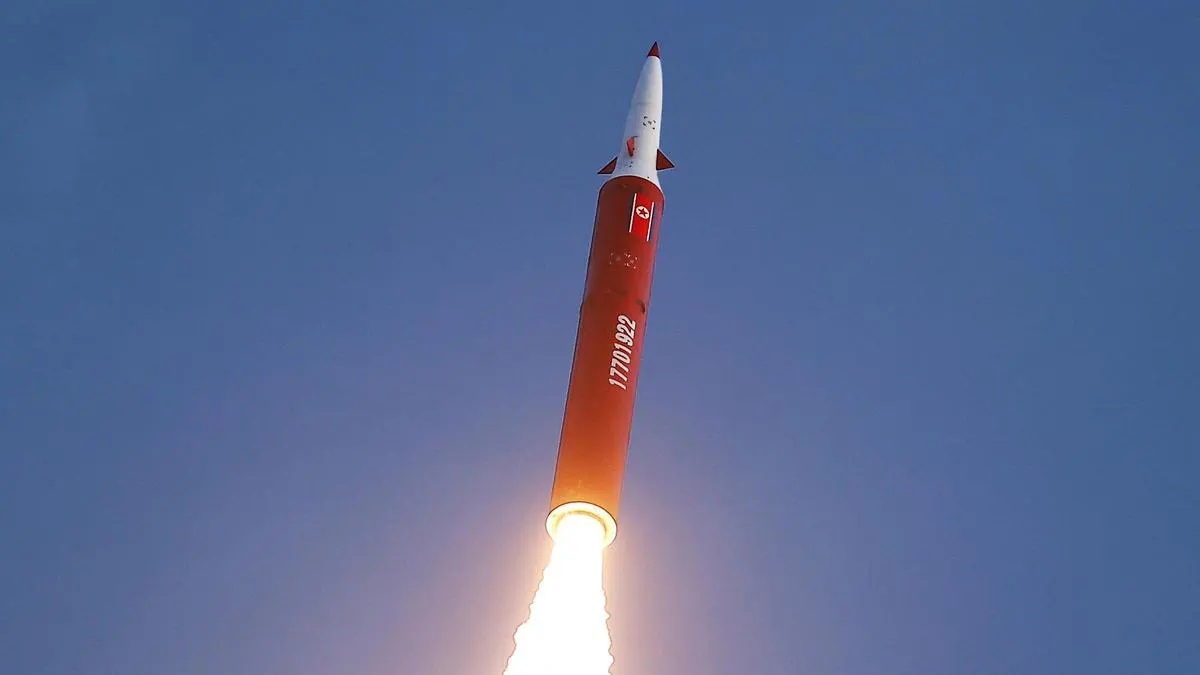
North Korea tested a torpedo underwater on Thursday at an undisclosed location, saying the weapon used artificial intelligence to find targets and guide its course, according to accounts of state media reporting published on October 17. The trial was intended to check technical changes to the weapon.125
Targeting claims without technical evidence
The Korean Central News Agency described a high-speed, precision-guided weapon incorporating AI into both detection and guidance. Aju Press identified the system as Zam-2.0. NK News attributed the trial to three bodies: the Torpedo Weapons Research Bureau, the Missile Administration and the Academy of Defence Science.125
The announcement did not explain the technology behind those claims. Aju Press reported that KCNA supplied neither technical details nor evidence to support its account of the AI functions. The agency also withheld the torpedo's range, speed, operational capabilities and the location of the underwater test.2
How much of the weapon's operation depends on artificial intelligence, and how well those functions perform, remains unclear, according to Aju Press. North Korean defence officials nevertheless described the trial as successful and as an advance for naval development, Yonhap reported.12
Propulsion work also tested
The South China Morning Post and Aju Press said the trial also evaluated a propulsion system refined during more than 180 tests carried out in the previous five years. State media said it demonstrated technology intended to improve propulsion efficiency and the performance of rocket-propulsion devices.124
Experts cited by Yonhap suggested the weapon could be a supercavitating torpedo. That assessment was presented as a possibility. Lim Eul-chul, a professor at Kyungnam University's Institute for Far Eastern Studies, assessed the launch as a display of an AI-driven weapon intended to target the South Korean Navy's large surface ships.1
A wider naval programme
Yonhap reported that North Korea was developing torpedoes for use aboard submarines as its submarine capabilities expanded. The effort was intended to narrow the military capability gap between North Korea and the South Korean Navy, according to Korea Defense and Security Forum secretary-general Shin Jong-woo.1
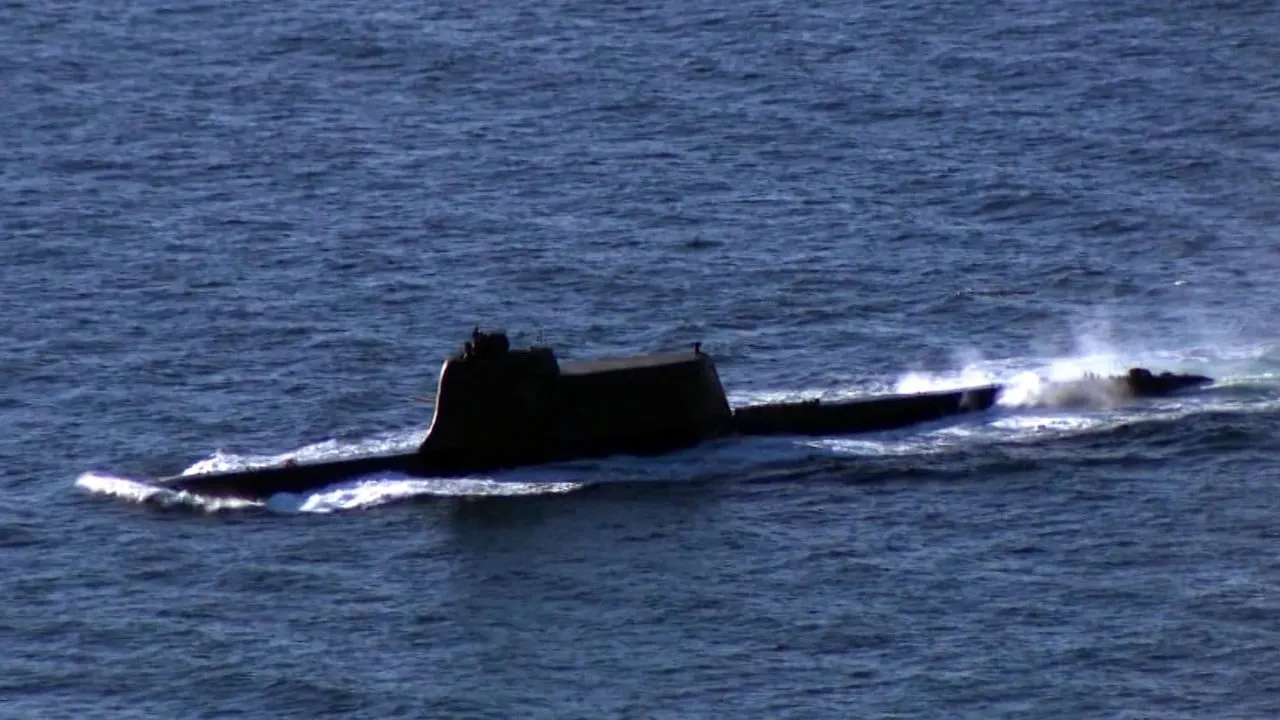
The torpedo announcement accompanies other reported naval developments. North Korea said it had fired two kinds of cruise missile from a submarine, according to The Japan Times. Yonhap said the missiles were apparently launched from a submarine displacing 3,000 tons and reported that two 5,000-ton destroyers, Kang Kon and Choe Hyon, had also entered service.13
Why it matters
For European readers, the announcement concerns the use of AI in weapons whose claimed performance remains unclear. Aju Press said the technology raised fears that identifying and monitoring dangers beneath the water could become harder, although it added that the role and performance of AI in this torpedo remained uncertain.2
Related stories



Version history
- version 1 ·