World · Spain
Sánchez calls November election as Spain’s housing protests grow
Spain will vote early after parliament rejected government housing measures and protesters demanded stronger renter protections. The election is set for 29 November.
Sánchez has called an election for 29 November after housing measures failed in parliament and protests spread across Spain.
- Two emergency housing decrees were rejected.
- Protesters demanded lower rents and stronger tenant protections.
- Abascal’s eviction became a focus of public anger.
- The election was called earlier than previously planned.
- Vox could influence the formation of the next government.
What's new
- Pedro Sánchez has called a general election for 29 November.
- Parliament rejected two emergency decrees addressing rents and evictions.
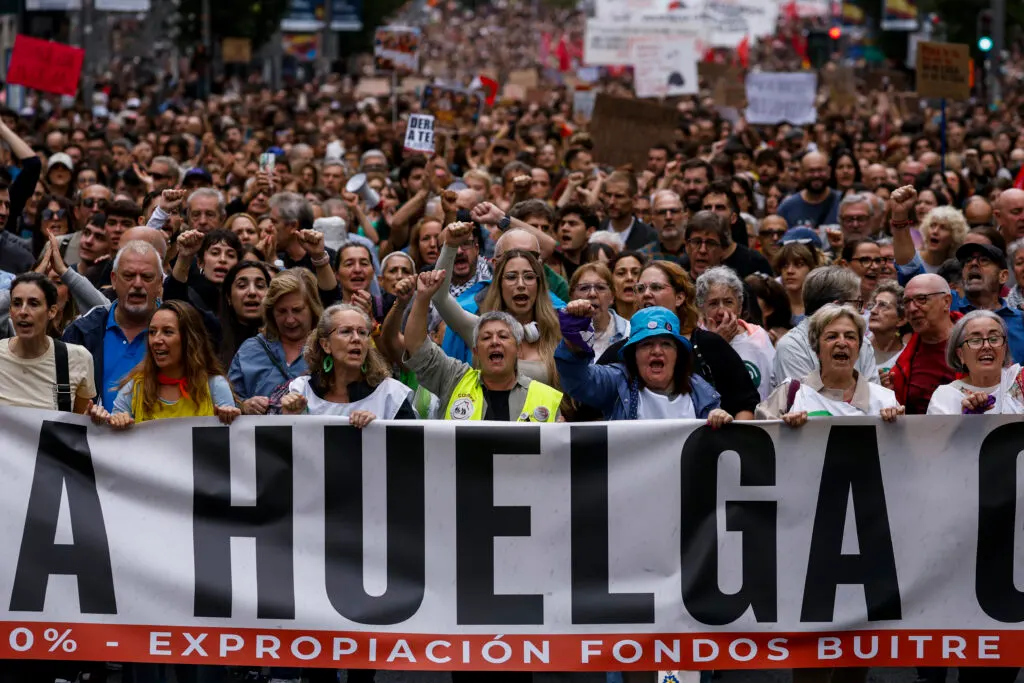
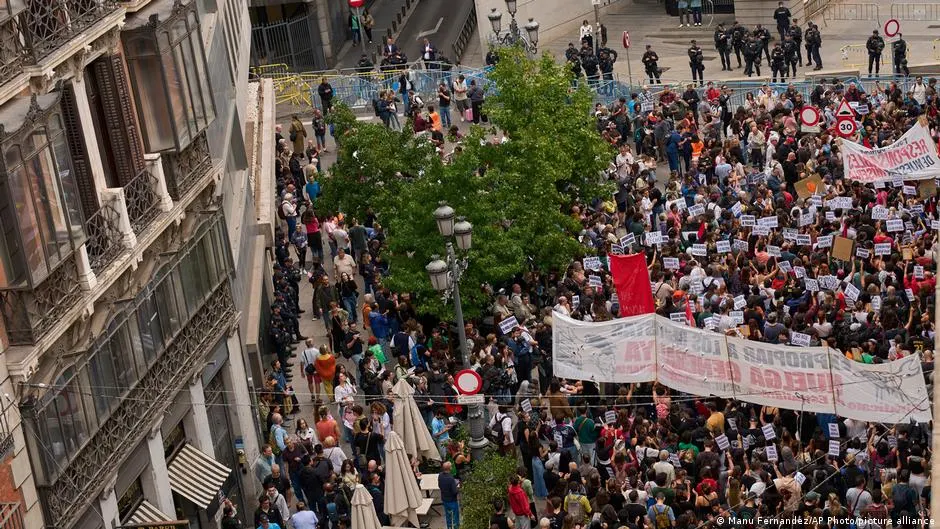
- Housing demonstrations drew tens of thousands across several Spanish cities.
- The BBC said Abascal’s lawyer reported that she could return home.
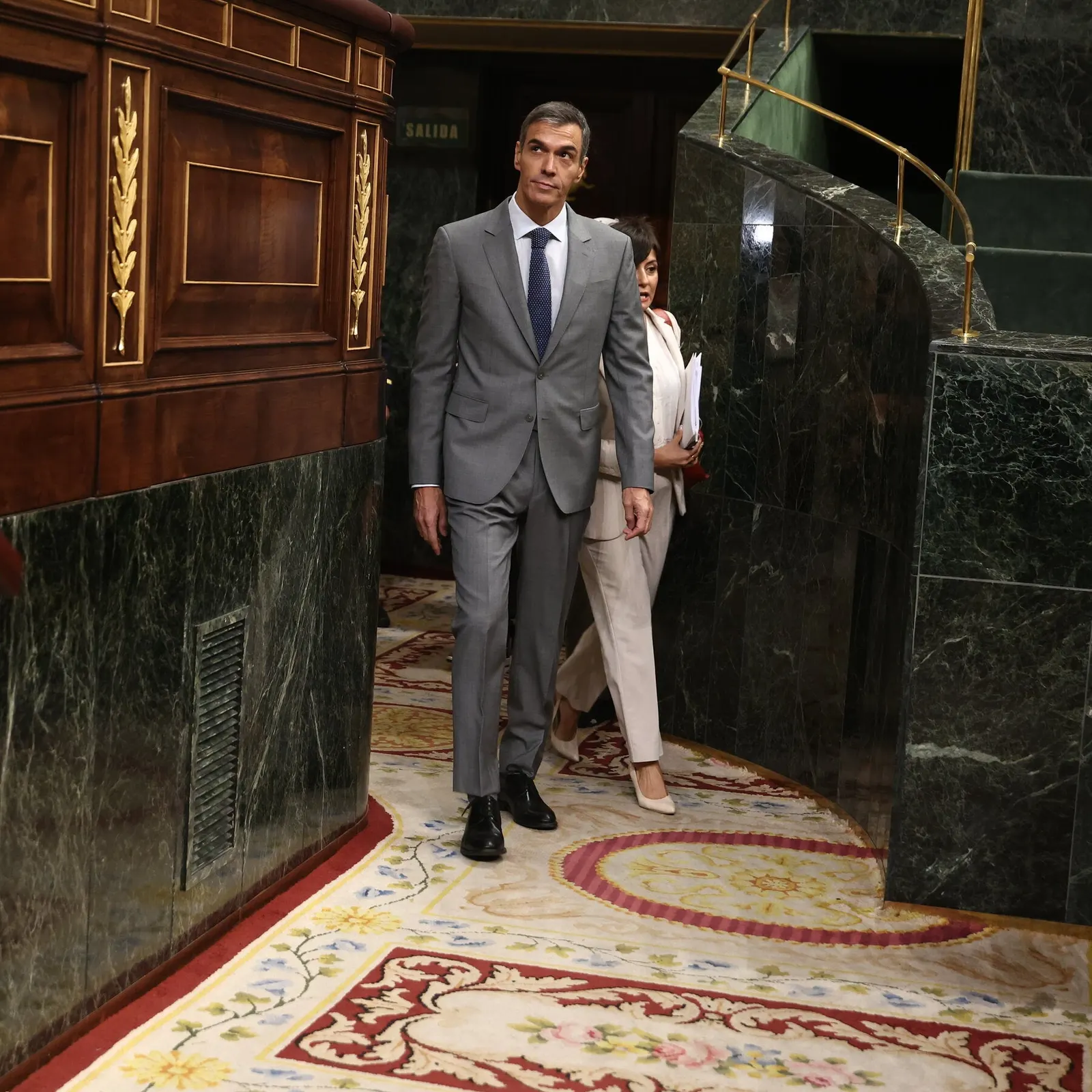
Spanish Prime Minister Pedro Sánchez called an early general election for 29 November in an announcement issued from Madrid on 5 October, following parliamentary defeats over housing legislation and protests in Madrid, Valencia, Barcelona and other Spanish cities.127
Housing measures defeated
Spain’s parliament rejected ratification of two emergency housing decrees intended to protect renters and address affordability. The official legal index says the measures covered eviction safeguards, residential-lease stability, rental practices and purchases deemed speculative. The BBC reported that one decree would have halted evictions of vulnerable tenants until 2030 and extended by two years leases due to expire before 2028.15
According to Al Jazeera, the measures failed after opposition from Junts, the centre-right People’s Party and the far-right Vox party. The BBC reported that a second decree included automatic renewal of rental contracts, a policy sought by parts of the left and a tenants’ organisation. People’s Party official Juan Bravo defended the opposition, saying that “housing doesn't get cheaper with decrees, it gets cheaper with more homes”.13
The Guardian reported that as many as 500,000 people gathered in Madrid against rising housing costs, calling for controls on rents and stronger protections for tenants. The BBC reported that tens of thousands also demonstrated in cities including Valencia and Barcelona. Al Jazeera reported that police broke up Valencia demonstrations with tear gas and rubber bullets, while Madrid authorities detained three people linked to a far-right organisation.123
An eviction becomes a political test
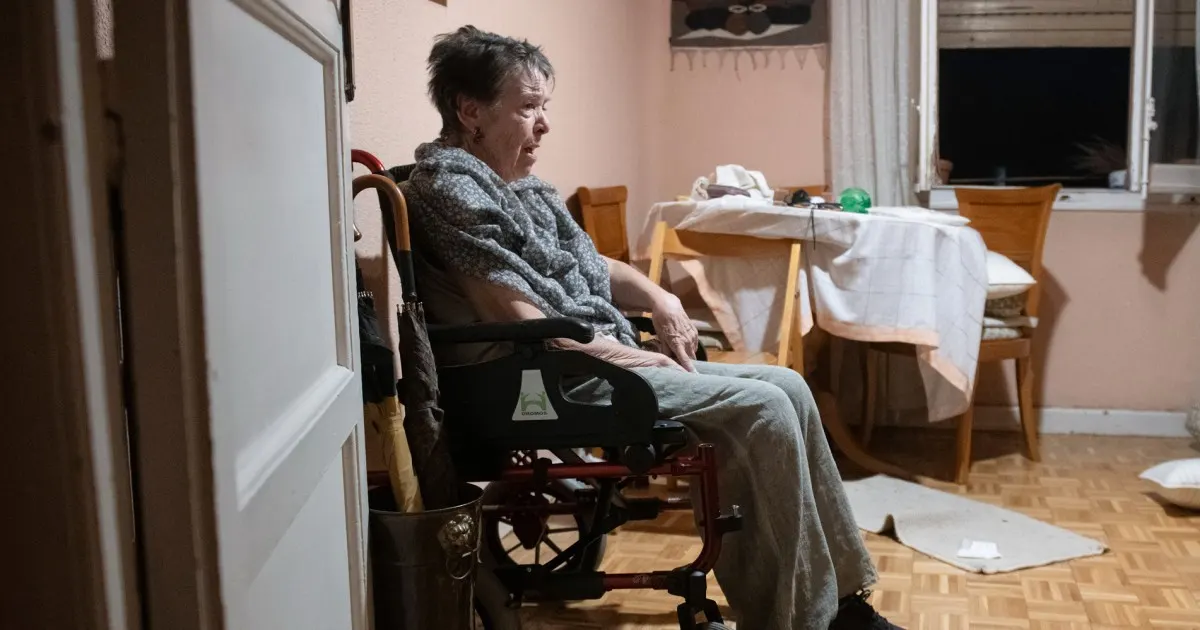
The demonstrations followed the September eviction of Maria del Carmen Abascal, an 87-year-old Madrid resident. The BBC said an investment fund's purchase of her building was followed by her rent increasing from €500 to €2,650; it was later lowered to €1,650, which remained €300 above her monthly pension.1
The BBC said Abascal, who had lived in the flat for over seven decades, was removed on a stretcher and subsequently hospitalised. Her lawyer subsequently said she would be able to return home. Health Minister Mónica García described the eviction as a political turning point and presented the housing dispute as a choice between property speculation and support for families.16
The case increased pressure on Sánchez’s coalition to pursue stronger housing policies. Public anger over the eviction and the defeat of the decrees became the immediate setting for the election announcement, according to the BBC and The Guardian.126
A vote earlier than planned
Sánchez said his government needed to “renew and broaden people's support” and argued that further reforms required backing from voters and “a broader progressive majority”. He framed the election as a choice between continuing with his administration and a potential coalition involving the far right, saying Spain must decide whether to “regress or keep moving forward”.12
The BBC reported that Sánchez’s coalition lacks a parliamentary majority and that Spain had not been due to hold a general election until summer 2027 at the latest. Sánchez had previously said he intended to serve a full four-year term. The Guardian described 29 November as the earliest date available under the required procedure.12
The BBC said most opinion polls indicated that the People’s Party was likely to emerge as the largest party but would probably require support from Vox to govern. According to the broadcaster, the People’s Party finished first in seats in 2023 without winning an overall majority, while Sánchez stayed in power through deals with other left-wing parties and backing from nationalist and independence-supporting groups in Catalonia and the Basque Country.1
Pressure for an election also came from the opposition and parts of Sánchez’s own Socialist Party. Politico Europe said Emiliano García-Page, along with Socialist Party figures from Extremadura, the Basque Country and Castilla y León, had called for elections to be held sooner. Al Jazeera reported that People’s Party leader Alberto Núñez Feijóo had also called on Sánchez to hold elections.34
Why it matters
The election will test whether public anger over rents and tenant security can reshape Spain’s parliamentary balance. Its European significance also lies in the potential role of Vox in forming a government and in Sánchez’s stated commitment to continued work within the EU, the UN and in support of Ukraine.12
Videos
Related stories
consequence
Version history
- version 1 ·