World · Spain
Spain rejects housing decrees as protest encampment swells
The lower house voted down tenant protections as Madrid’s protest camp grew beyond 1,500 tents. Deutsche Welle said Pedro Sánchez ruled out an early election, while Moncloa said no decision had been made.
Listen to the story
Short version
Spain’s parliament rejected two housing decrees as a major protest encampment expanded. Conflicting reports left the possibility of an early election unresolved.
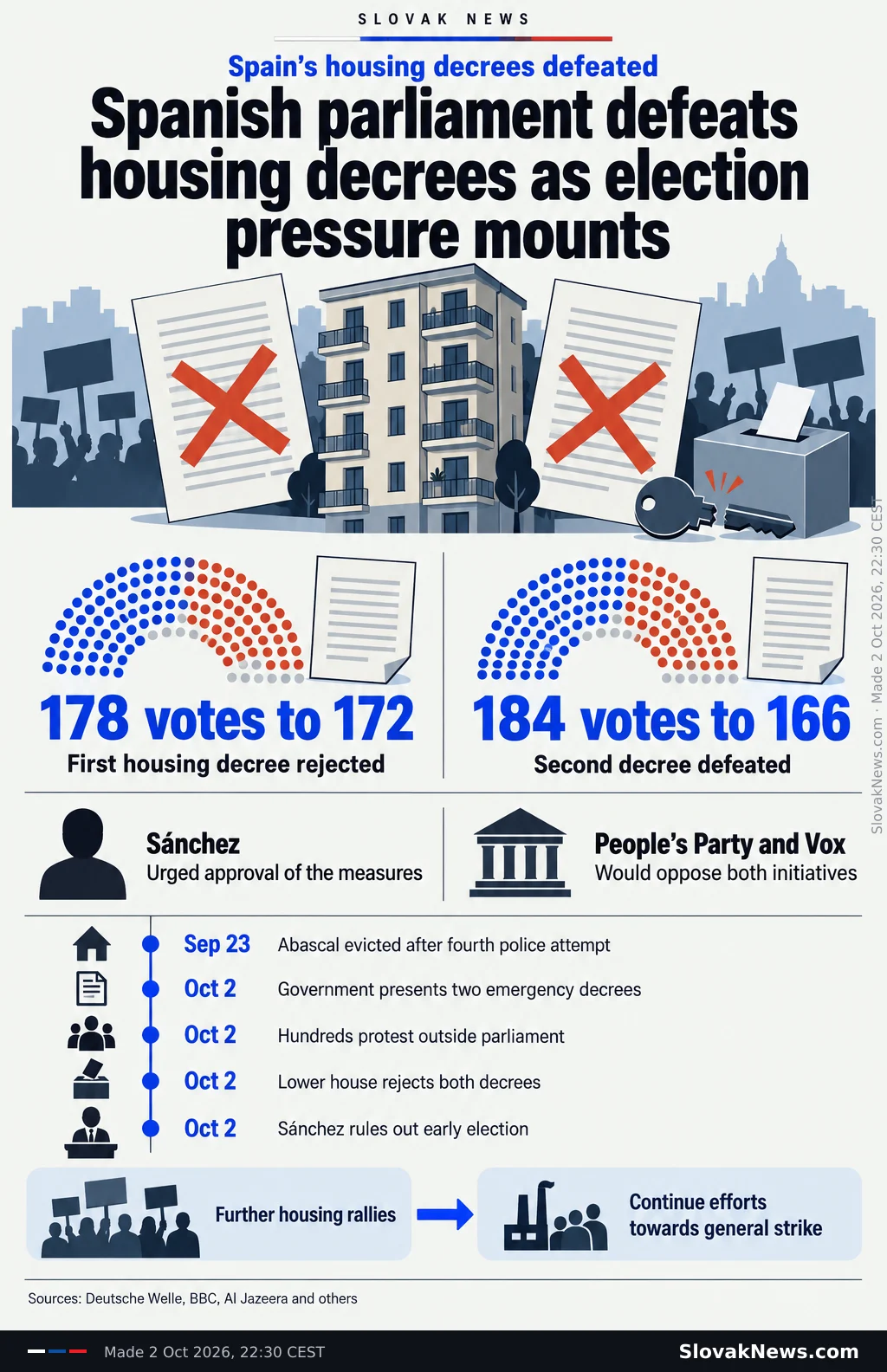
- The first decree lost by 172 votes to 178.
- The second decree lost by 166 votes to 184.
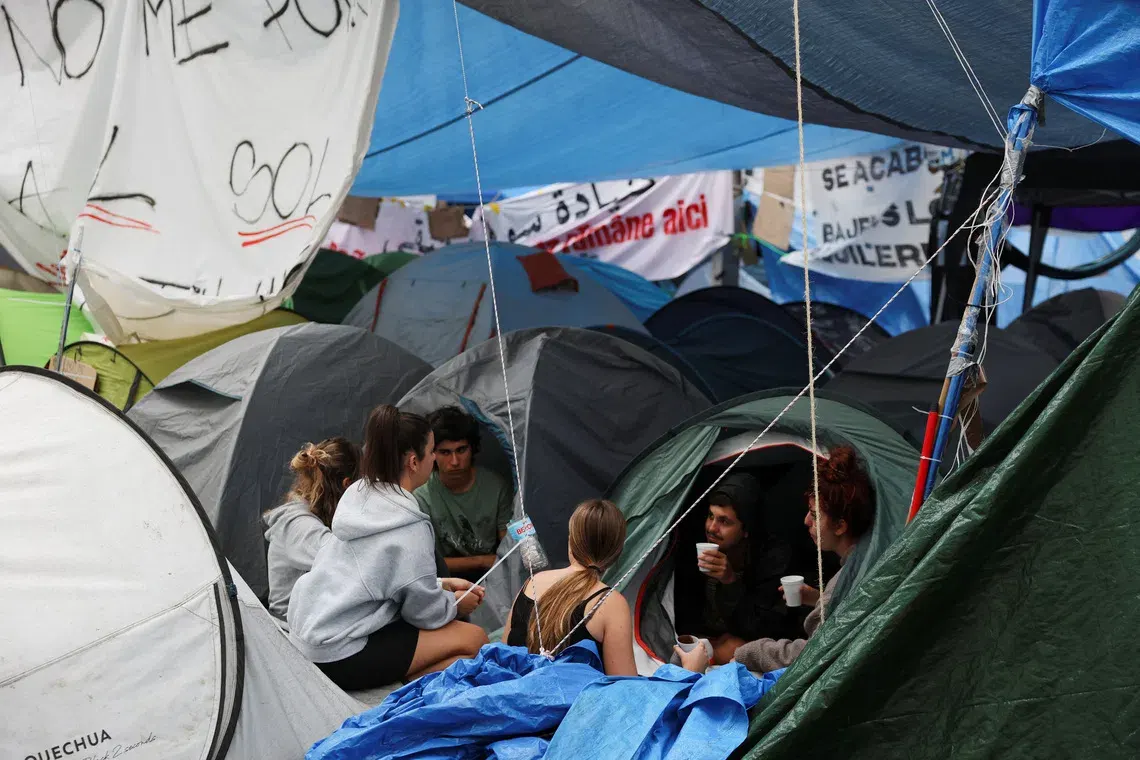
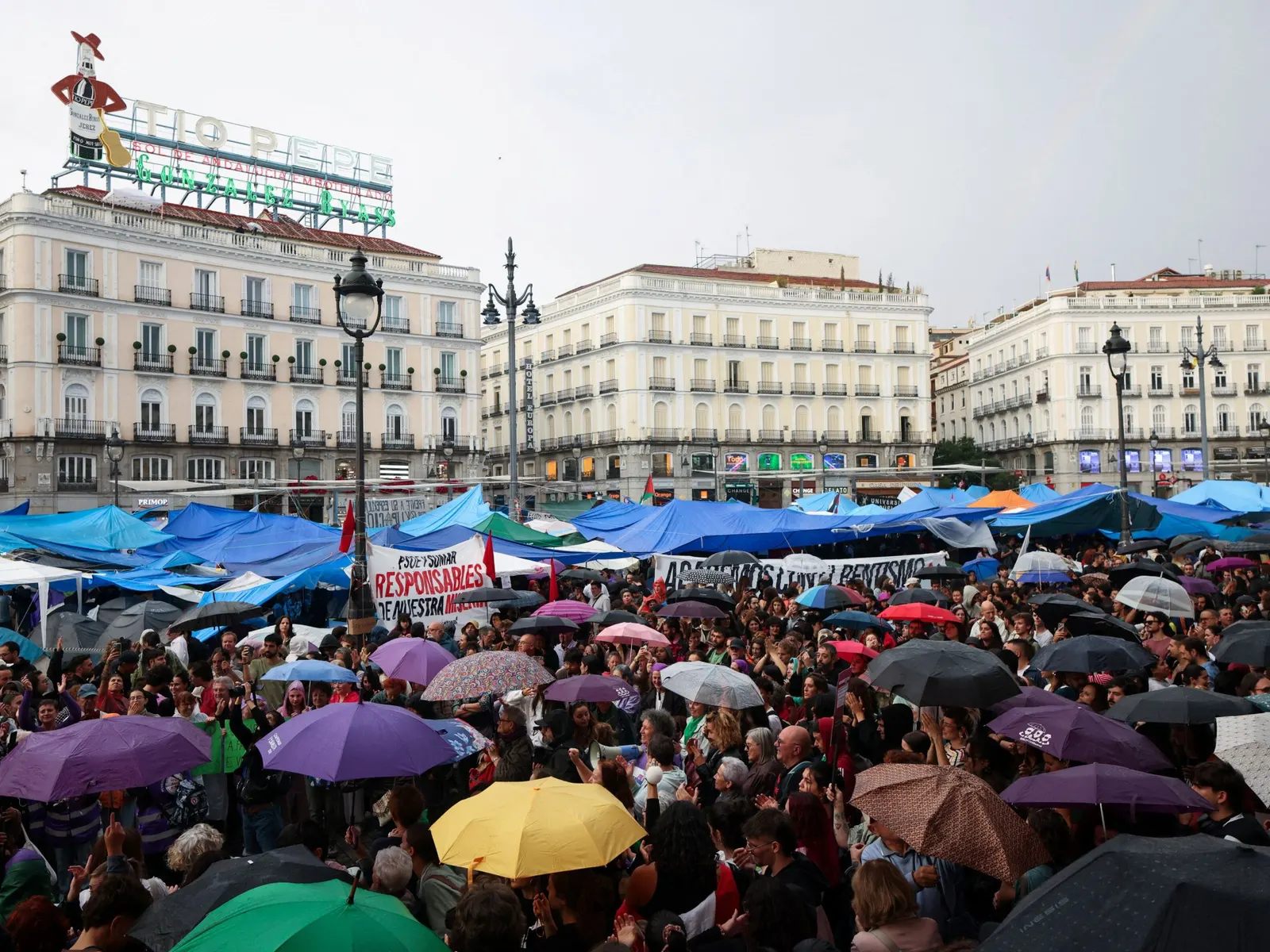
- Madrid’s protest camp grew beyond 1,500 tents.
- Abascal reached an agreement allowing her to return home.
- Tenant organisations are seeking nationwide protests and a general strike.
Infographic
What's new
- New reporting said the Puerta del Sol protest camp had grown to more than 1,500 tents.
- Reports differed on whether Maricarmen Abascal’s return agreement kept her rent unchanged or near its previous level.
- The vote breakdowns were clarified: 172-178 on the first decree and 166-184 on the second.
Spain’s lower house rejected two emergency housing decrees on Oct. 2 as a protest encampment in Madrid’s Puerta del Sol grew to more than 1,500 tents. The defeat renewed speculation about a snap election: Deutsche Welle reported that Prime Minister Pedro Sánchez ruled one out, while Moncloa said no decision had been made.168
Infographic
Two measures defeated
The government drafted the decrees in response to anger over housing costs and evictions. According to the BBC, the first would have suspended evictions of vulnerable tenants until 2030, extended by two years leases due to expire before 2028, increased taxes on tourist apartments and restricted some investment-fund property purchases. Deutsche Welle also reported that it included rental tax incentives and measures intended to constrain speculation.12
The first decree received 172 votes in favour and 178 against. The second measure, under which tenants could automatically renew residential rental contracts, received 166 votes in favour and 184 against. The decree-laws needed parliamentary approval to remain in force.126
The People’s Party and Vox had said they would oppose both initiatives, while the Catalan pro-independence party Junts also voted against them. People’s Party lawmaker Juan Bravo argued that “housing doesn't get cheaper with decrees, it gets cheaper with more homes”. Junts representative Miriam Nogueras said the proposals had been drawn up too quickly, lacked rigour and would not prevent continued speculation and evictions.123
Election question remains unsettled
The defeat underscored the difficulty facing Sánchez, whose minority government depends on support from parties outside the coalition to pass legislation. Before the session, Politico Europe cited unnamed government sources as saying the prime minister was leaning towards a snap election if the decrees failed. The Guardian separately reported that Socialist figures had considered bringing forward the election, potentially to November.146
After the votes, however, Deutsche Welle reported that Sánchez had ruled out an early election. The BBC said the next general election was not due until the following summer. The conflicting accounts mean Sánchez’s longer-term electoral intentions have not been established publicly.1246
Before voting began, Sánchez appealed directly to lawmakers, saying: “I don't ask you, I beg you to be brave and consistent”. He argued that the measures were necessary to bring greater order and humanity to the housing market.2
Eviction fuels wider protests
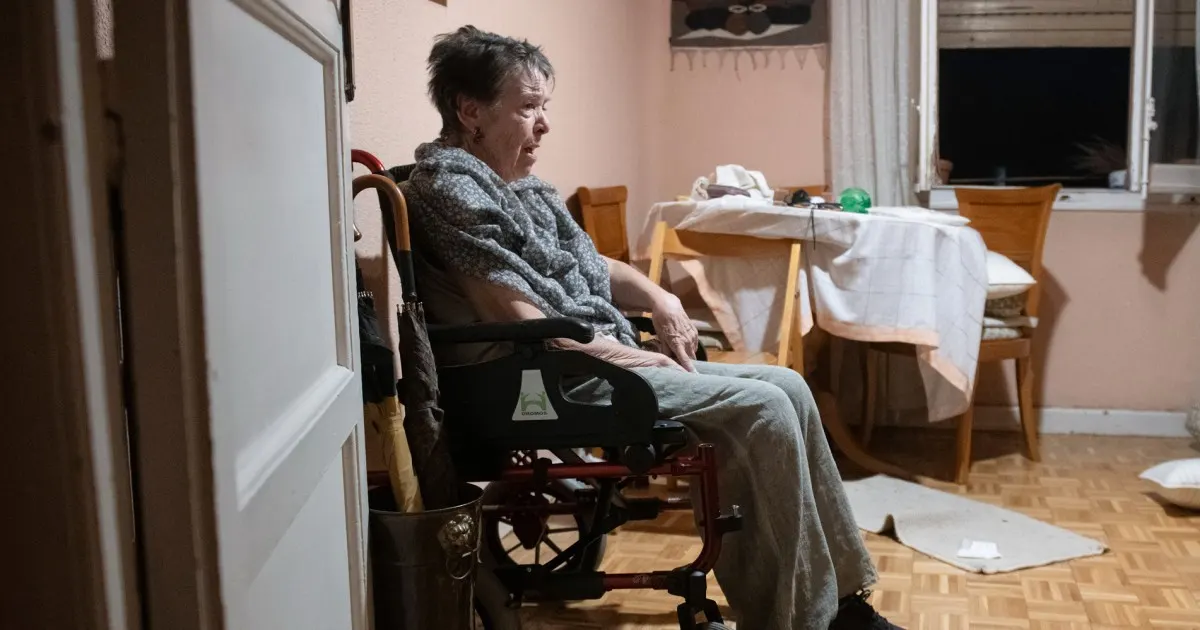
The political confrontation followed the Sept. 23 eviction of Maricarmen Abascal, an 87-year-old wheelchair user, from the Madrid home where she had lived for 70 years. Al Jazeera reported that Urbagestion, which bought the property in 2018, increased her rent and sought to end her contract. Subsequent reports said an agreement would allow her to return, although The Straits Times described the rent as unchanged while The Guardian said it would be closer to its previous level.358
Her case helped set off protests across Spain and an encampment in Madrid’s Puerta del Sol. The Guardian reported that the camp grew from 10 tents to more than 1,500, with facilities including a medical centre and co-working space. Demonstrators also gathered near parliament during the votes, while tenant organisations promised further rallies and called for a nationwide general strike.1256
The protests also intervened in another eviction in Burjassot, near Valencia. After demonstrators gathered to block the removal of university professor Daniel Gonzalez, court officials postponed it for at least 10 days, according to The Straits Times.5
Housing affordability has become a prominent public concern. Deutsche Welle reported that rents in Spain have approximately doubled over the past decade and that many young adults continue living with their parents beyond the age of 30. Opponents of the decrees argued that regulation could reduce the supply of housing.1
Why it matters
The votes demonstrate the difficulty Spain’s minority government faces in passing legislation without support from smaller parties such as Junts. They also leave proposed eviction and rental protections unresolved while a widening protest movement demands long-term housing security and prepares further demonstrations.1568
Videos
Related stories
consequence


Version history
- version 2 · The update adds the expanded Puerta del Sol encampment, Abascal’s return agreement, the postponed Burjassot eviction and clearer vote breakdowns while reflecting conflicting election accounts.
- version 1 ·