Business · Spain
Sánchez Makes Housing Crisis Centrepiece of Spain's Snap Election
After lawmakers voted down his housing decrees, Pedro Sánchez set November 29 as the date for an early national election, a move that came amid widespread demonstrations sparked by the forced eviction attempt against an 87-year-old woman in Madrid.
Sánchez called a November 29 snap election after housing reform defeats and nationwide eviction protests, with polls favouring the opposition.
- Snap election set for November 29 after housing decrees rejected
- Protests followed eviction attempt on 87-year-old Maricarmen Abascal in Madrid
- Polls show People's Party and Vox leading Socialists and Sumar
- Spain's housing deficit estimated at 750,000 homes, rising by 2028
- Q3 2025 house prices rose 12.8% annually, official data show
What's new
- Sánchez announced a snap election for November 29 after a heavy parliamentary defeat on housing decrees
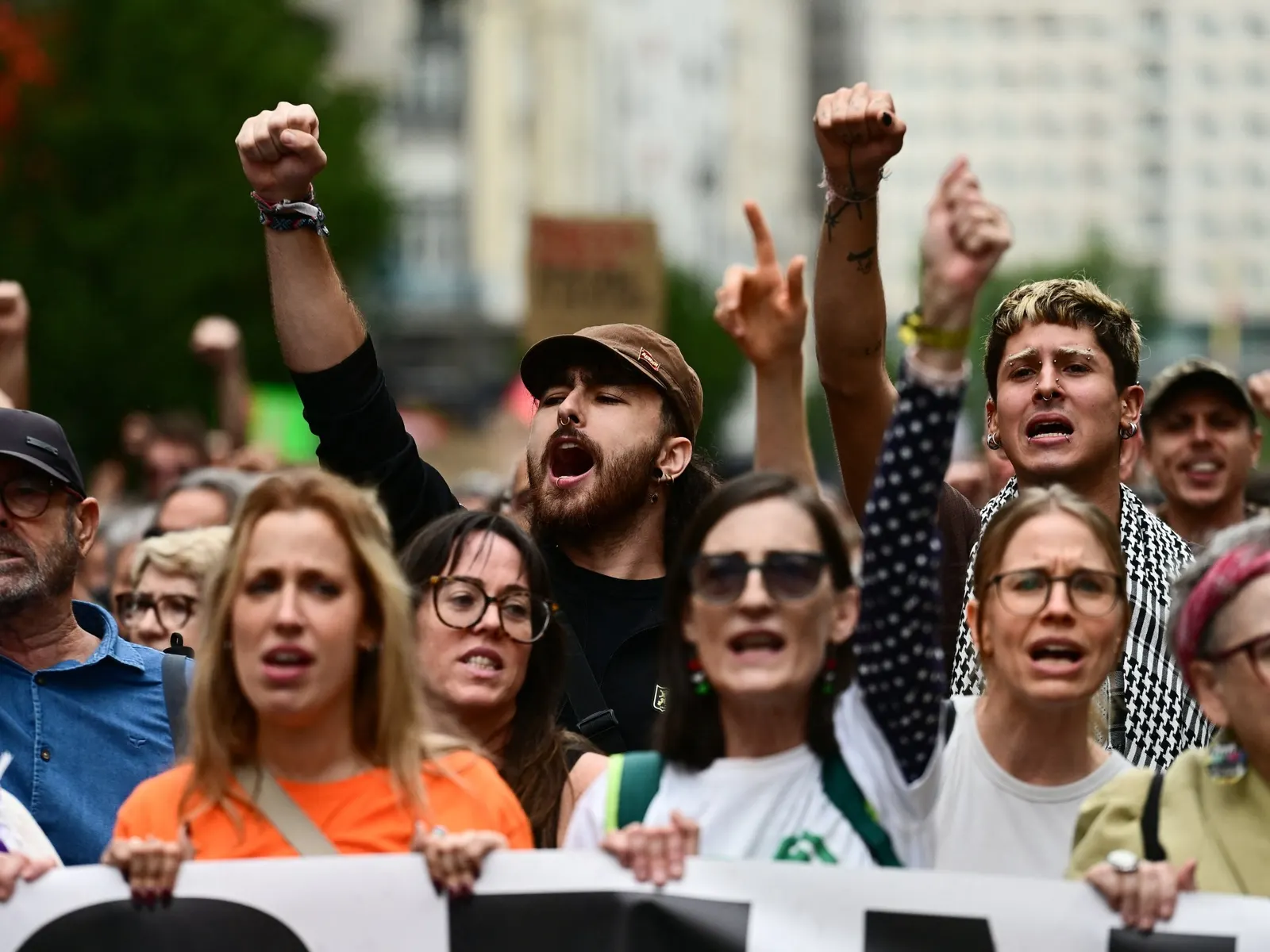
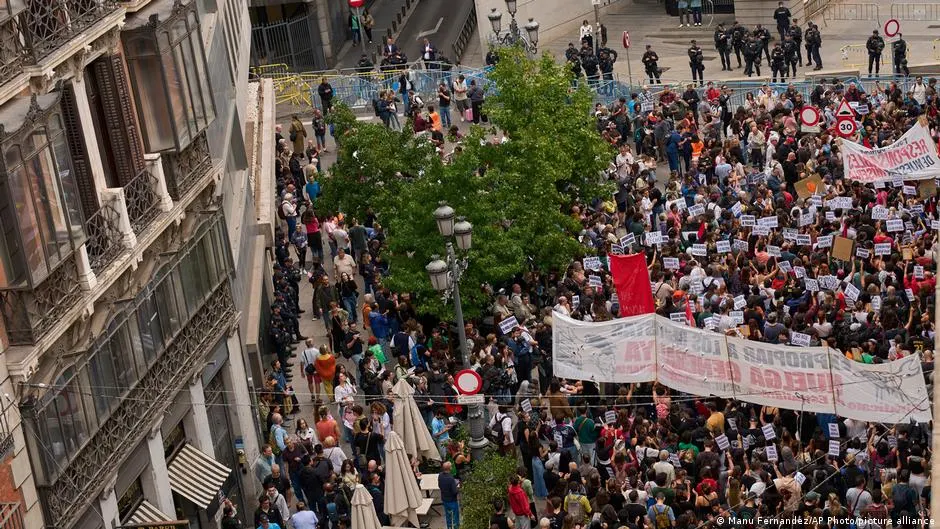
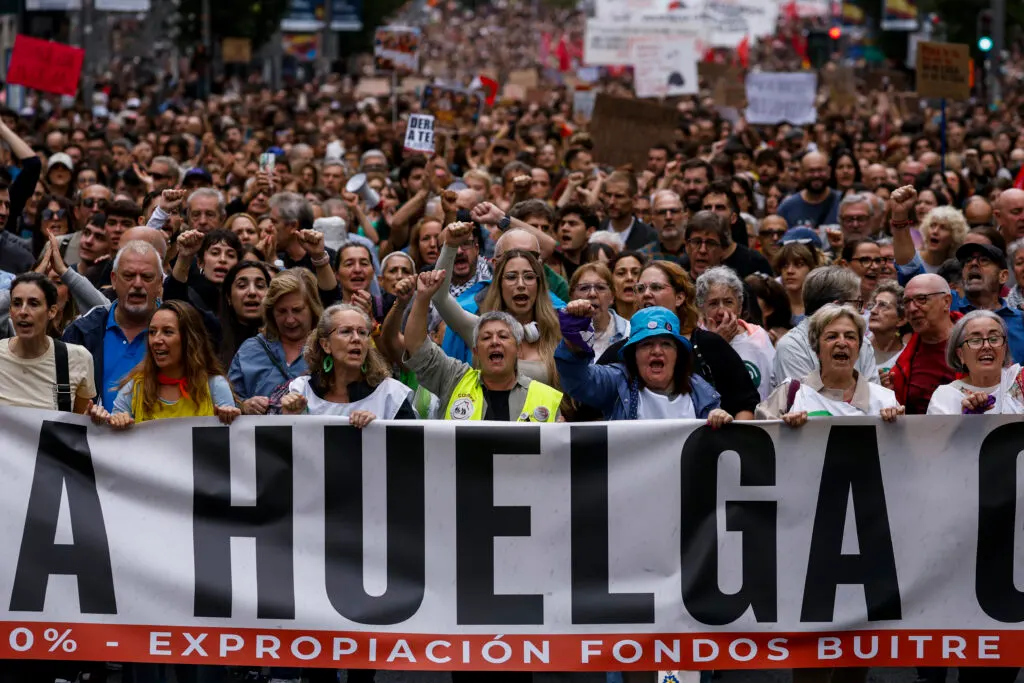
- Large crowds numbering in the tens of thousands demonstrated nationwide following the forced removal attempt against Madrid resident Maricarmen Abascal, 87
- Parliament rejected an emergency tenant relief package and two housing decrees
- A caretaker body later passed emergency measures by a 35-34 majority
On October 5, Spanish Prime Minister Pedro Sánchez revealed that the country would go to the polls on November 29, in the wake of lawmakers voting down his government's housing decrees and widespread demonstrations triggered by efforts to forcibly remove an elderly Madrid woman, 87, from her home.35
Eviction sparks protests
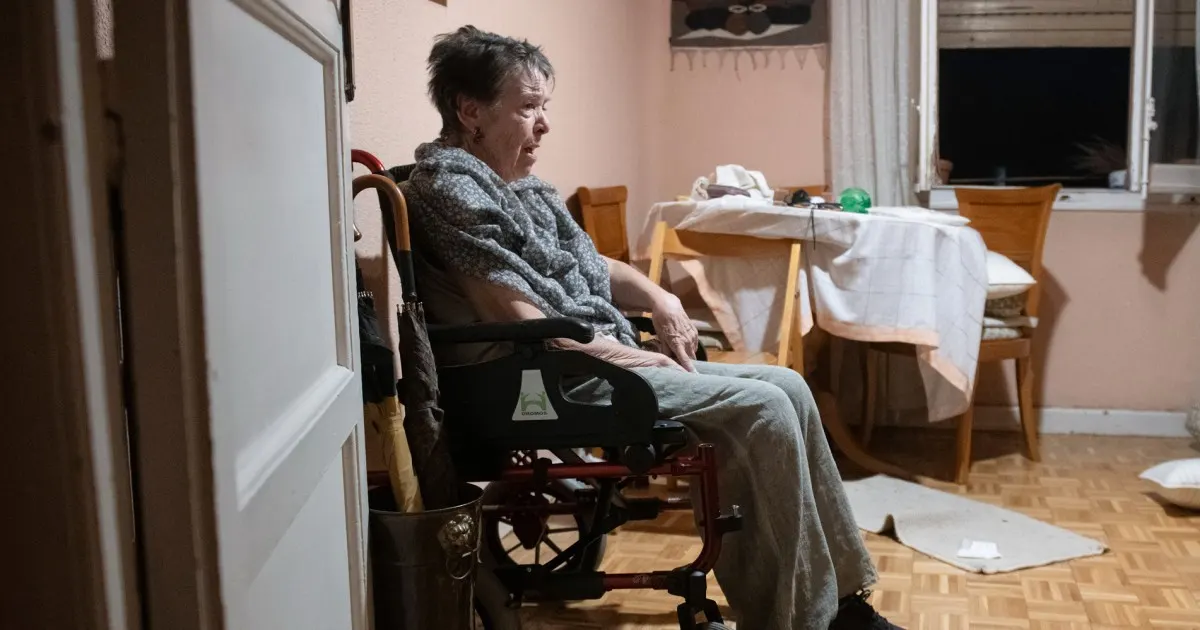
The protest movement traces back to the attempted eviction of Maricarmen Abascal, 87, from her downtown Madrid home, which drew nationwide attention and became a rallying point for housing campaigners.156
Police sealed off the street as Abascal was removed from the building on a stretcher; one source reported that the real estate company was determined to remove her so it could lease the apartment for a higher rent. The company later reached an agreement allowing her to return.6
On October 3, tens of thousands rallied across Spain demanding affordable housing measures, the same day parliament voted down two housing decrees. Police in Valencia used rubber bullets and tear gas against demonstrators, and about 30 protesters entered the City of Arts and Sciences before being removed. Hundreds set up tents in central Madrid.4
By October 5, protest camps with dozens of tents had spread to Madrid's Puerta del Sol, where around 1,000 people camped for a week, as well as to Barcelona, Seville and Málaga. Protesters chanted "Not even one more Maricarmen!"56
Abascal said of the episode: "I haven't managed to defend my home, but I have fought so that others can learn to fight for what's theirs."6
Parliament rejects decrees, election called
Parliament rejected the government's housing decrees and an emergency relief package for tenants, with the Catalan pro-independence party Junts voting against measures that included eviction protection and a ban on so-called vulture funds, arguing they would tighten the housing market and push rents higher. Junts spokesperson Miriam Nogueras said the planned measures would reduce housing supply and push rents even further.145
A smaller caretaker legislative body later passed emergency measures by a narrow 35-34 majority.3
Sánchez called the snap election after the defeat, saying: "We need to mobilize and win a much larger progressive majority in parliament, one that will allow us to overcome vested interests, deliver new social advances and continue transforming Spain." He also put the stakes in blunt terms, framing the choice facing voters as one between a surging far-right movement and Spain's continued role as a champion of social justice.35
According to Nogueras of Junts, the move to hold an early vote showed that Sánchez could not govern effectively without a dependable majority. Housing minister Pablo Bustinduy described the upcoming vote as effectively a public judgment on housing policy, one that would reveal which side was serving ordinary citizens and which was serving vulture funds.35
Scale of the housing shortfall
Spain's central bank estimates the national housing deficit at 750,000 homes, a figure likely to reach 1 million by 2028. Just 1.7% of the housing stock is social housing, by European Commission calculations, and government-owned rental properties represent less than 2% of available stock, compared with an EU average of 8%.16
One account noted that home prices climbed three times faster than salaries last year, while official figures put the Housing Price Index's yearly change at 12.8% for the third quarter of 2025, with resale home prices rising 13.4% from a year earlier.18
Average rent in Spain has almost doubled over the past decade, and price per square metre rose from 8.20 euros in 2016 to 15.10 euros this year, according to one source. About a quarter of tenants in Spain devote roughly 40 percent of their earnings to rent and utility costs, more than double the 18 percent EU average.6
For three consecutive years, housing has ranked as the issue most troubling voters. More than half of young Spaniards between 18 and 34 still live at home or rely financially on their parents, even as 73 percent of the population overall owns a home. Corporate owners hold only 4.4 percent of homes across the country, while individual landlords who own a single property account for roughly 40 percent of rental units.1
The government's CASA47 social housing initiative, overseen by housing minister Pablo Bustinduy, launched with a mere 638 listed homes, and by August 2024 had delivered just 14,000 units–though one source indicated roughly 60,000 additional properties were somewhere in the development pipeline.2
Political landscape
Almost every survey shows the governing Socialist Party running behind its rivals. September surveys put Alberto Núñez Feijóo's conservative People's Party on about 33% voting intention, against 26% for the Socialists. A Sigma Dos poll projected a coalition of the People's Party and the far-right Vox would win 203 seats in the 350-seat chamber, while the Socialists and junior partner Sumar were projected to win 112 seats combined.13
Since 2023, the administration has been unable to get a budget approved and has passed only a handful of laws, despite one account crediting Spain's economy with outpacing other developed nations.3
Feijóo, who has promised to build 250,000 homes a year, declared: "Housing has been this government's great failure and must be the next one's success. When a prime minister has been in office for eight years, it is very difficult to blame others for what he has failed to do." He went on to say he had backing from neither the streets nor parliament, urging that elections be held as soon as possible.134
Vox's far-right leader Santiago Abascal cautioned that the outcome remained uncertain, even with polls currently favoring right-wing parties. Spanish Tenants' Union spokesperson Valeria Racu described a "new energy that we haven't seen in a long time," saying eight days of popular mobilisation had achieved more than eight years of progressive government, and that "real politics" would now return to the streets.34
Why it matters
Spain's housing affordability crisis mirrors shortages seen elsewhere in Europe, and the outcome of the November 29 vote will test whether government intervention in rental and property markets can gain political traction.12
Videos
Related stories
same event

Version history
- version 1 ·