World · Spain
Spain recasts housing measures after pensioner’s eviction death
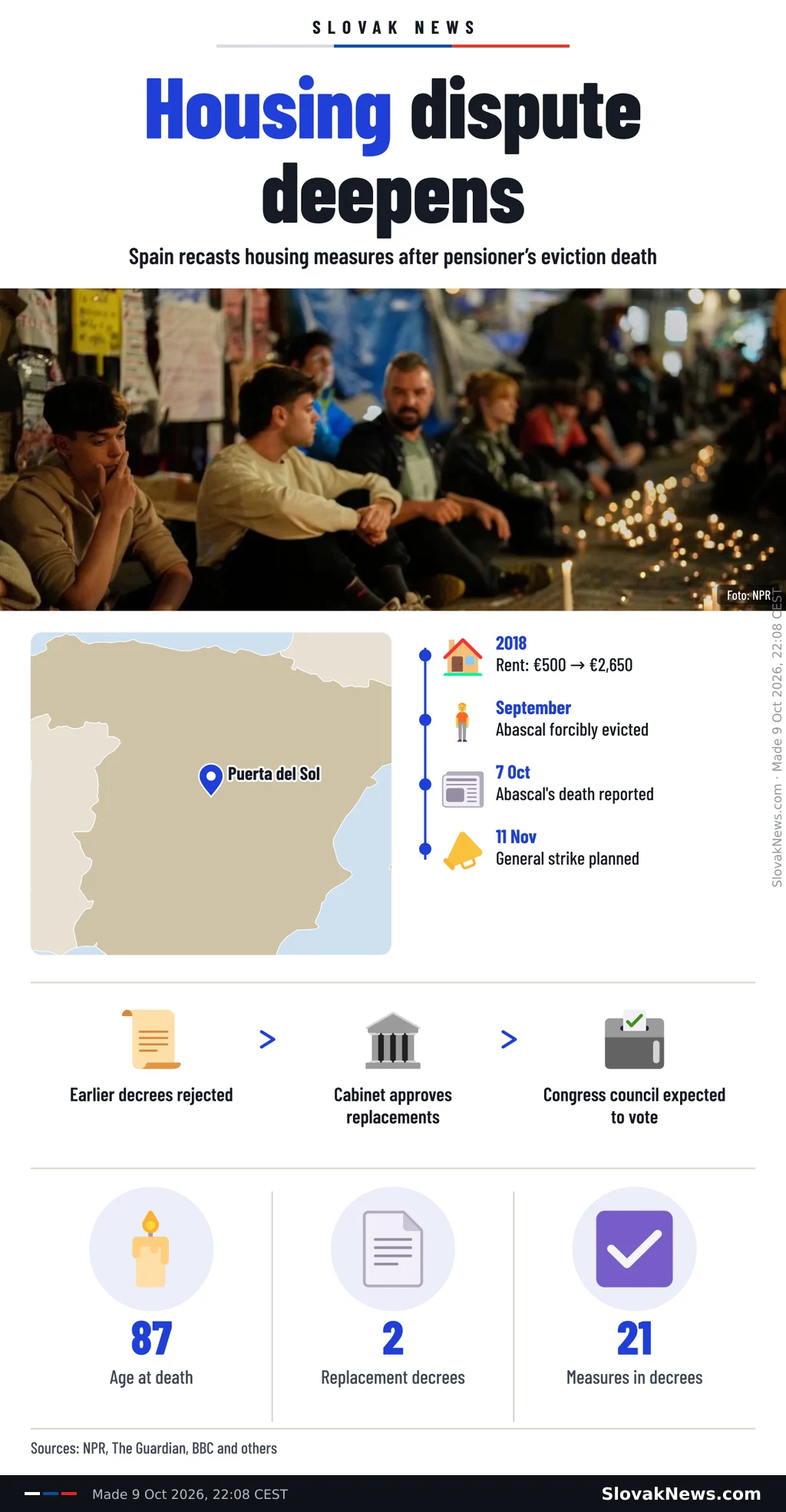
After Maricarmen Abascal’s death intensified Spain’s housing dispute, the government has redrafted rejected measures into two decrees for a parliamentary body to consider. Unions plan a 11 November strike.
Listen to the story
Short version
Spain’s government has put forward replacement housing decrees after Maricarmen Abascal’s eviction and death intensified a national dispute.
- Abascal died while hospitalised after her Madrid eviction.
- Parliament rejected the government’s earlier emergency housing measures.
- The cabinet approved two replacement decrees with 21 measures.
- Congress’s permanent council is expected to vote on them.
- Unions plan a housing strike for 11 November.
Infographic
What's new
- The government has recast rejected housing measures as two new decrees.
- The permanent council of Congress is due to consider the new decrees.
- Polling cited by the Guardian found broad support for housing-market intervention.
- Unions have set their housing general strike for 11 November.
Spain’s debate over housing affordability continues to focus on María del Carmen “Maricarmen” Abascal, an 87-year-old Madrid renter who died in hospital following her eviction. After parliament rejected the government’s emergency measures and Prime Minister Pedro Sánchez called an early election, his cabinet approved two replacement housing decrees containing 21 measures, according to the Guardian. The permanent council of Congress is expected to vote on them.123
Infographic
Eviction and death
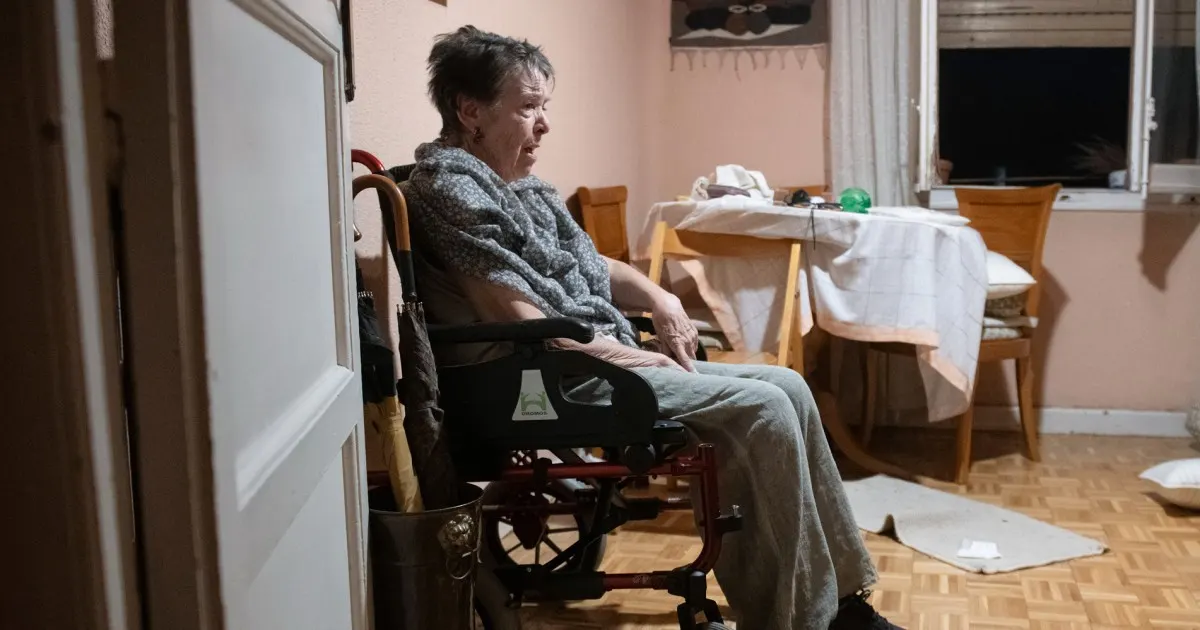
Abascal had lived in the Madrid apartment for more than seven decades. According to the BBC, she was forcibly removed in September after being unable to meet rent increases; three earlier eviction attempts had been stopped by courts. NPR reported that police cordoned off the street, moved protesters away and carried her from the home on a stretcher. The Guardian reported that police used teargas during the operation.123
The Madrid Tenants' Union said an agreement had ultimately been reached that would have enabled Abascal to return, but it came after she had been admitted to hospital. The investment firm also said she could return, according to the Guardian. Reports said Abascal died only hours before she was scheduled to sign a fresh lease; NPR said she had been expected to go back home once discharged from hospital.123
The BBC reported that Urbagestión bought the property in 2018 and raised the monthly rent from €500 to €2,650. It later offered a rent of €1,650, which the broadcaster said was €300 above Abascal's monthly pension. The Guardian reported that the firm had sought a 230% increase.23
Protests and political response
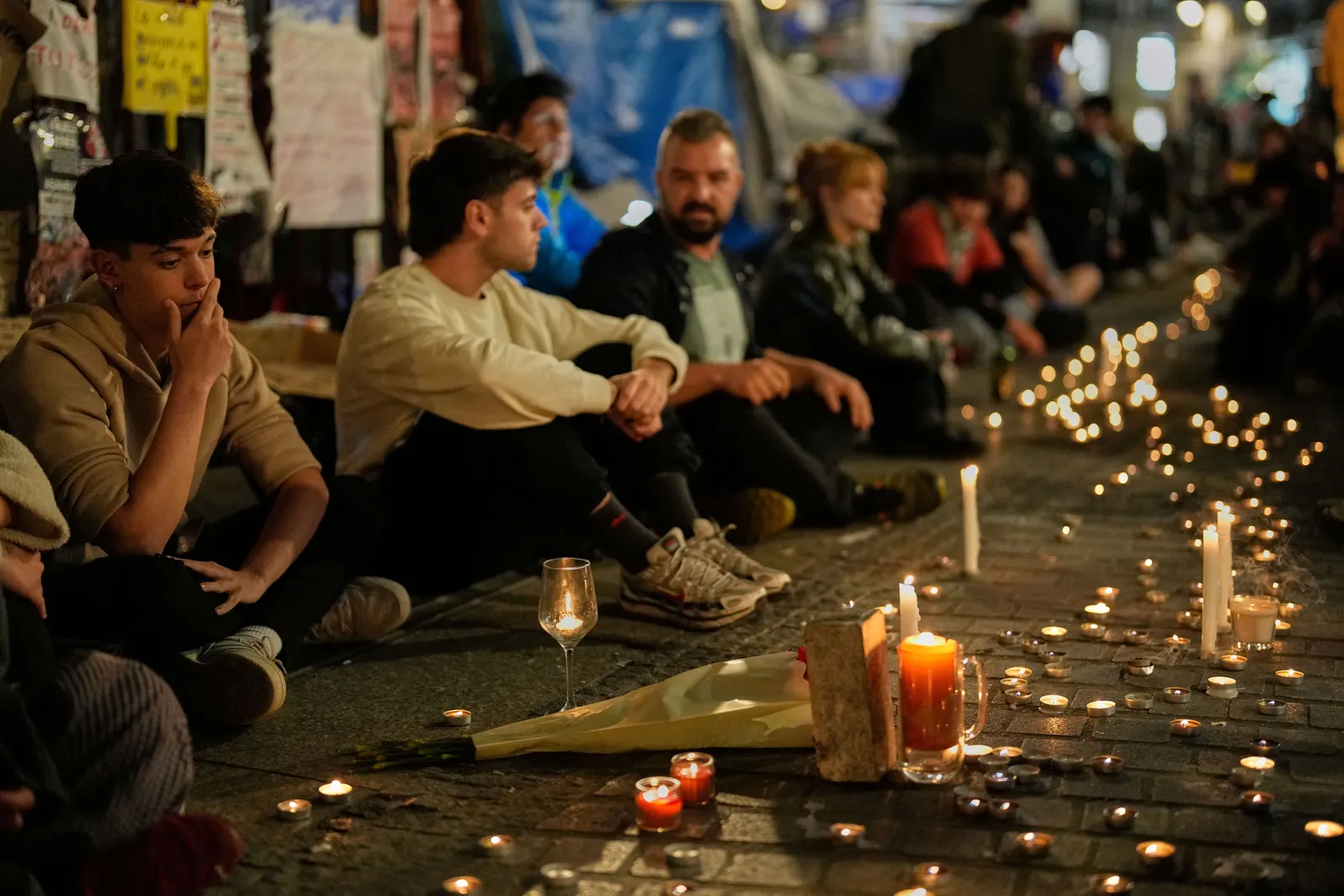
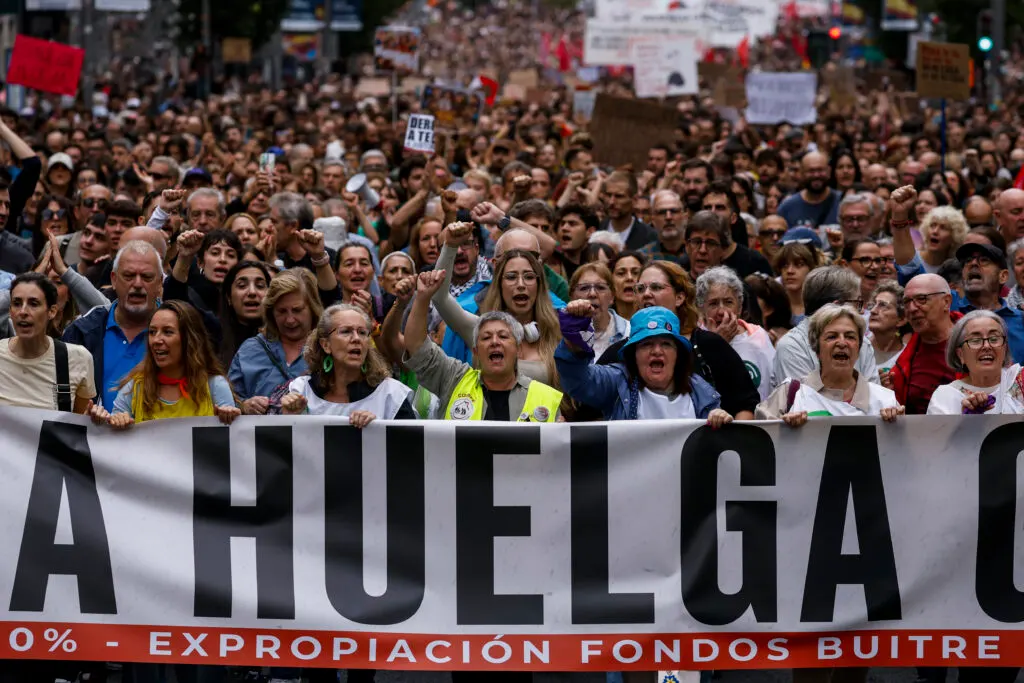
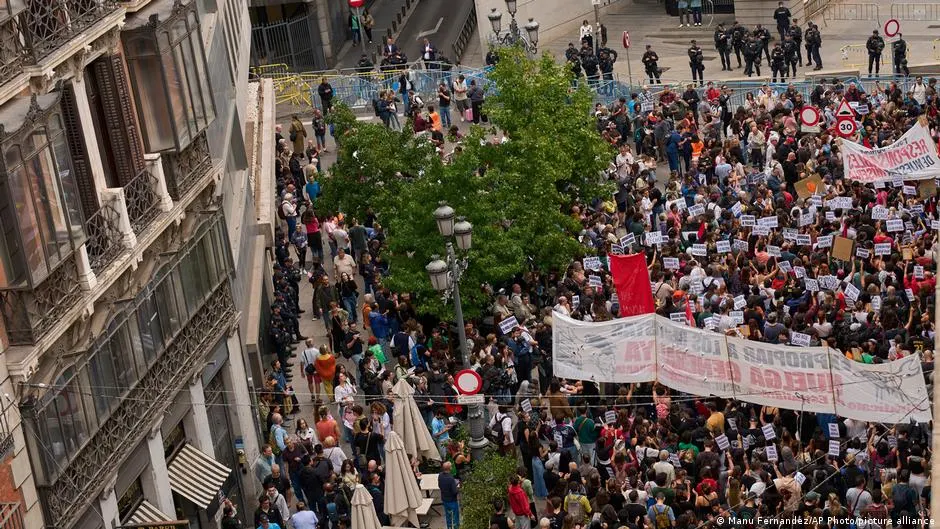
Televised images of the eviction led to demonstrations in Madrid and other Spanish cities, NPR reported. The Guardian put attendance at a subsequent Madrid protest at about 10,000 people, while the BBC reported that tens of thousands protested in cities around the country over the weekend. After Abascal's death, people assembled at Puerta del Sol, where protesters held candles and posters; campaigners also observed a silence and hundreds marched to parliament, according to the sources.123
Prime Minister Pedro Sánchez offered condolences to Abascal’s family and to those affected by her death. His government’s emergency housing legislation was rejected in Congress, according to the BBC. According to the Guardian, Sánchez called an early election after conservative and far-right parties defeated two emergency decrees. His cabinet subsequently approved two replacement decrees containing 21 measures; the permanent council of Congress is expected to vote on them.123
Spain’s unions have called a general strike for 11 November to demand housing reforms. The wider debate concerns housing costs: the Guardian reported that rents in Spain rose 80% over a decade and house prices rose 63%, while NPR said average rents had almost doubled over the same period.123
A personal case in a national debate
The Madrid Tenants' Union described Abascal's case as preventable and said the eventual agreement arrived too late. Before her death, Abascal had said: "I haven't managed to defend my home, but I have fought so that others can learn to fight for what's theirs."23
Abascal's case has become a reference point for campaigners pressing for housing reform. NPR said 26% of renters in Spain devote about 40% of their income to rent and utilities, versus an EU-wide figure of 18% for renters allocating that proportion.1
Polling from Spain’s state sociological research centre, cited by the Guardian, showed that 76.3% backed government action to ensure access to housing and 79% favored recognizing housing as a constitutional right. The findings underline the breadth of concern around housing as parties prepare for the early election.2
Why it matters
The case has become a focal point for Spain’s wider housing-affordability debate and the political response to it. Guardian-reported polling found that 76.3% of respondents supported state intervention to guarantee access to housing and 79% backed treating housing as a constitutional right.2
Videos
Related stories

cause
Version history
- version 2 · The update adds the government’s replacement housing decrees, parliamentary vote process, polling on housing intervention and the strike’s 11 November date.
- version 1 ·